Description
Recycling in border villages in the Tavush region is currently extremely limited; as a result, plastic and other trash often goes uncollected and liters the communities. When it is collected, the waste is often put into landfills or it is burned.
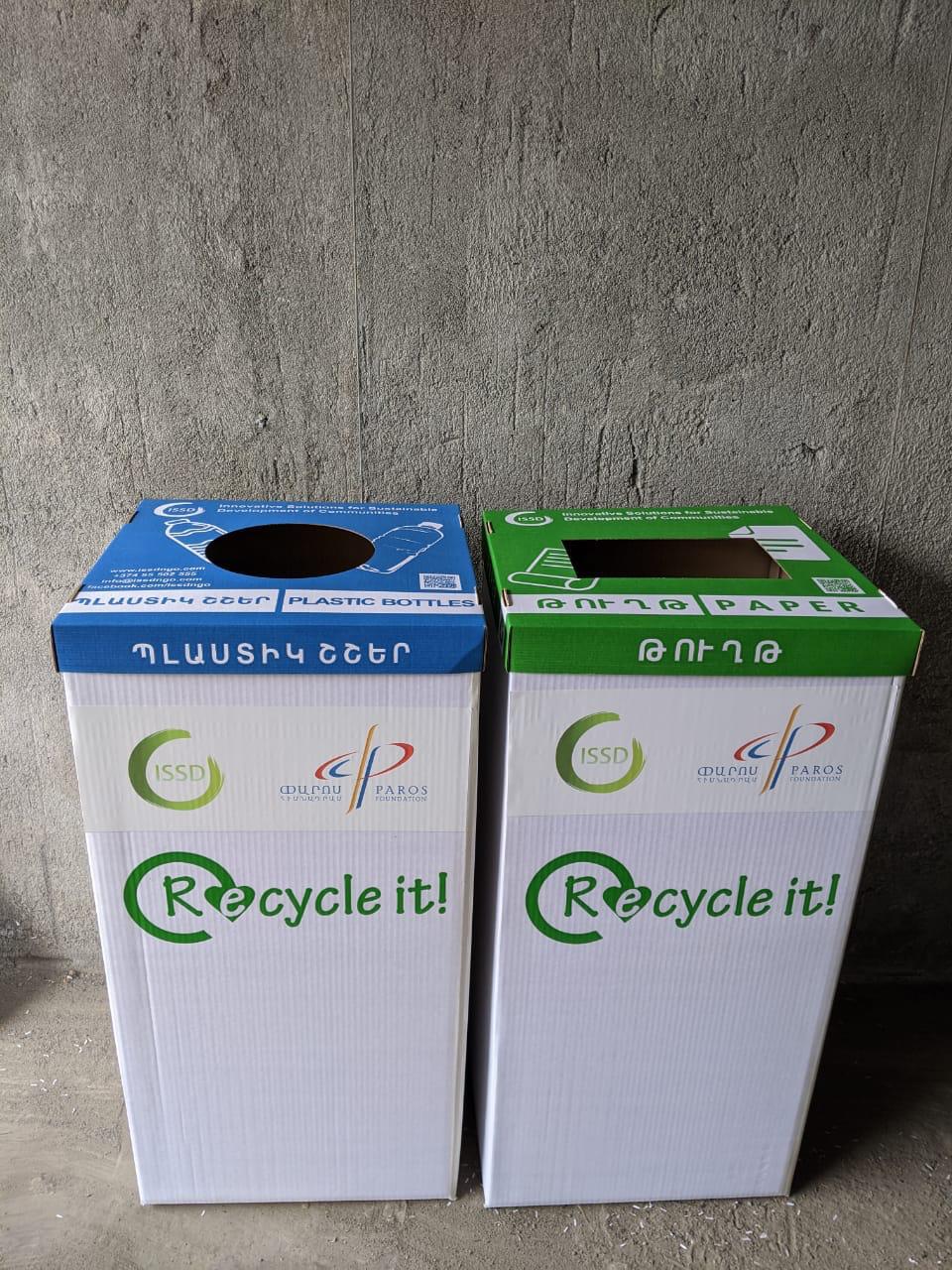
The Paros Foundation seeks to partner with the Innovative Solutions for Sustainable Development of Communities NGO, or ‘ISSD’ to implement a small scale recycling initiative in ten border villages in the Tavush region, with the hopes of eventual expansion. The proposed project involves going to several schools and providing specially marked recycling bins for paper and plastic. The children will then be educated on the benefits of recycling and why it is important. In order to provide incentive, the school whom collects the most recycling will receive a prize of their choice up to a certain cash value. Schools will be given approximately 2 months to collect the recycling, when it will then be picked up and transferred to the proper recycling facilities.
The project’s ultimate goal is to educate communities on recycling, and give them the opportunity to try it themselves. The project and related school trainings will be conducted in two trips.
If after the two month contest period the project is considered successful, Paros will seek to expand into more schools in the Tavush region.
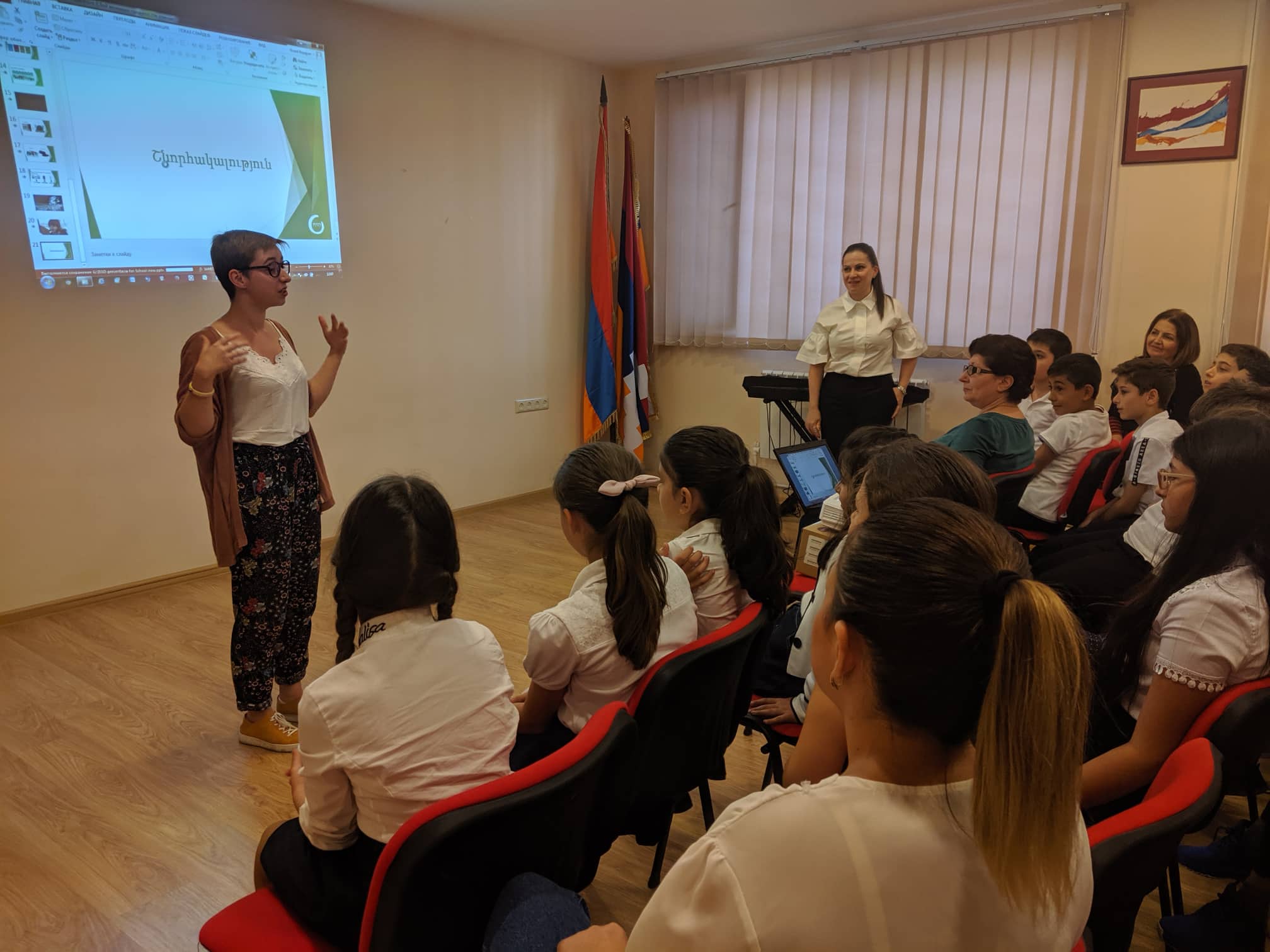
The Need
Recycling in border villages in the Tavush region is currently extremely limited; as a result, plastic and other trash often goes uncollected and liters these communities.
Short Term Impact
In the short term, a two month recycling contest will be launched to build excitement about the project in ten border schools in Tavush. The schoolchildren will learn about the benefits of recycling and start making it a regular practice in both their schools and households. A modest economic benefit will be realized through this project through the employment of a driver and trainers.
Long Term Impact
In the long term, communities will be more informed about modern waste and waste management, and, hopefully develop the practices as a normal part of their culture. The project will involve more than 1,800 children.
Sponsors Benefits
Sponsors of this project will be listed on The Paros Foundation website, and in relevant press related to this important project.
Our Donors (17)
- Dr. Kenneth Karamyan & Dr. Emma Abramyan $50 Dec 16, 2019
- Mr. & Mrs. Michael & Debra Smyres $50 Dec 16, 2019
- Drs. John & Sophie Bilezikian $100 Dec 15, 2019
- Ms. Lisa D. Manookian $50 Dec 13, 2019
- Anonymous $1,000 Dec 10, 2019
Updates: Images & Information
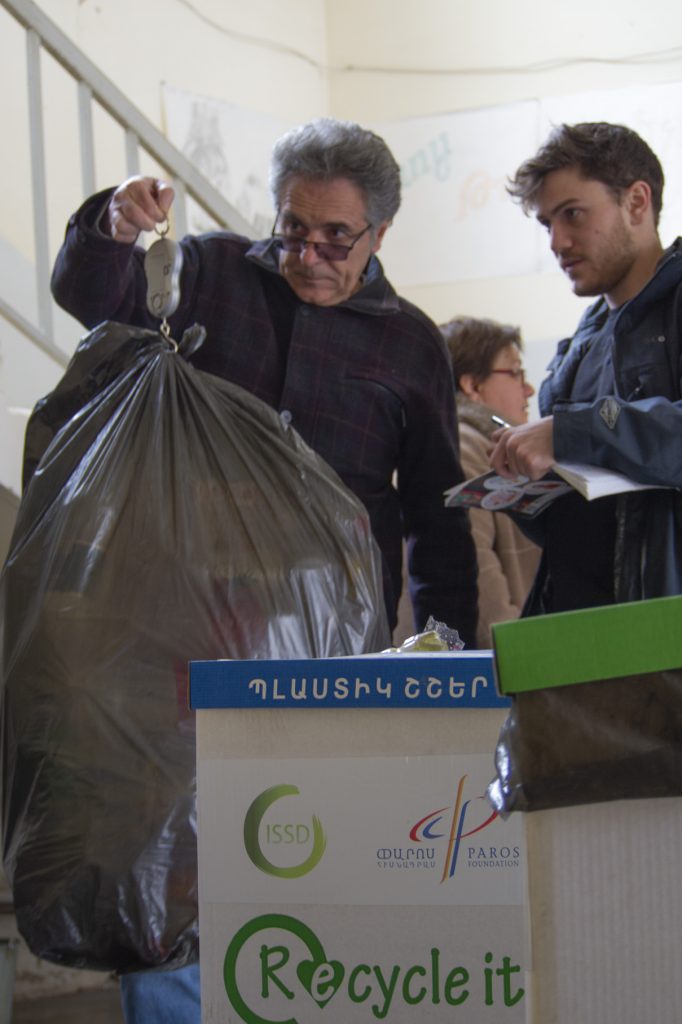
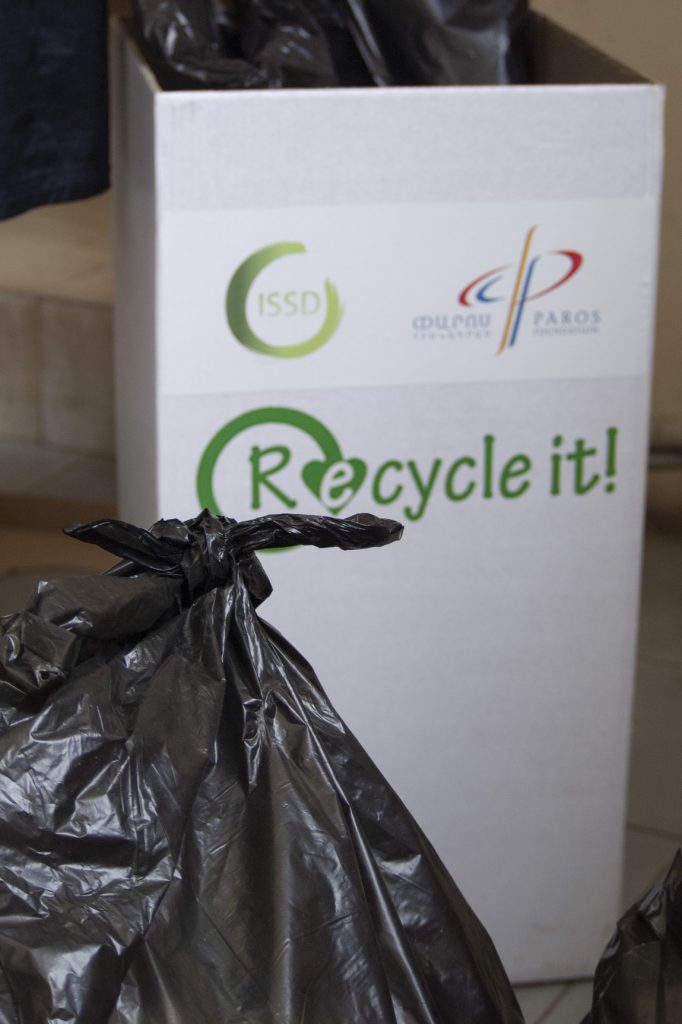
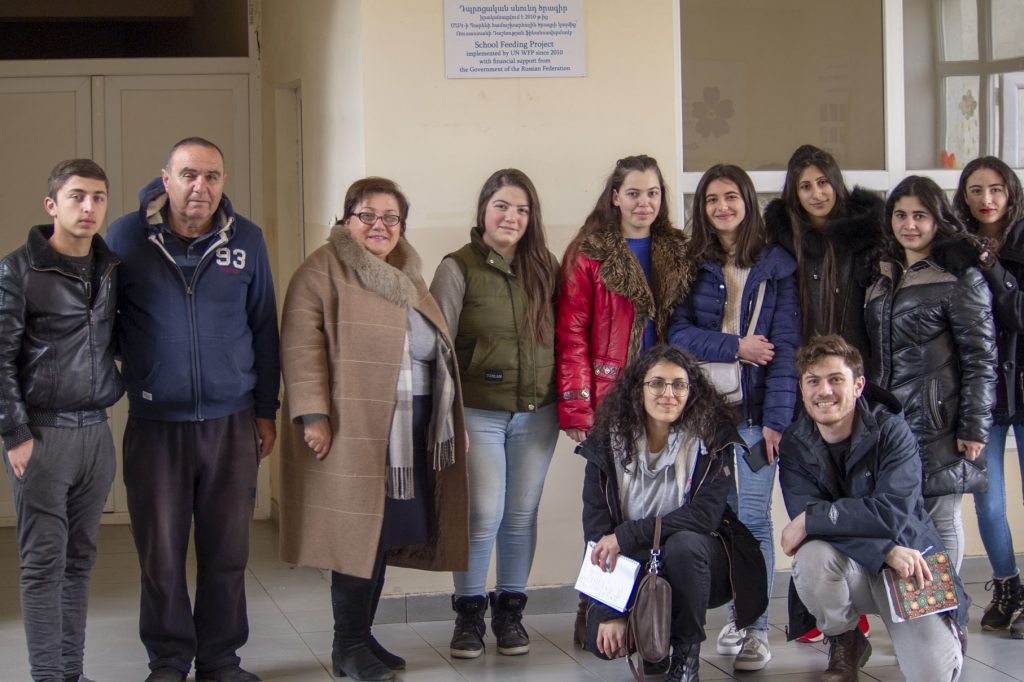
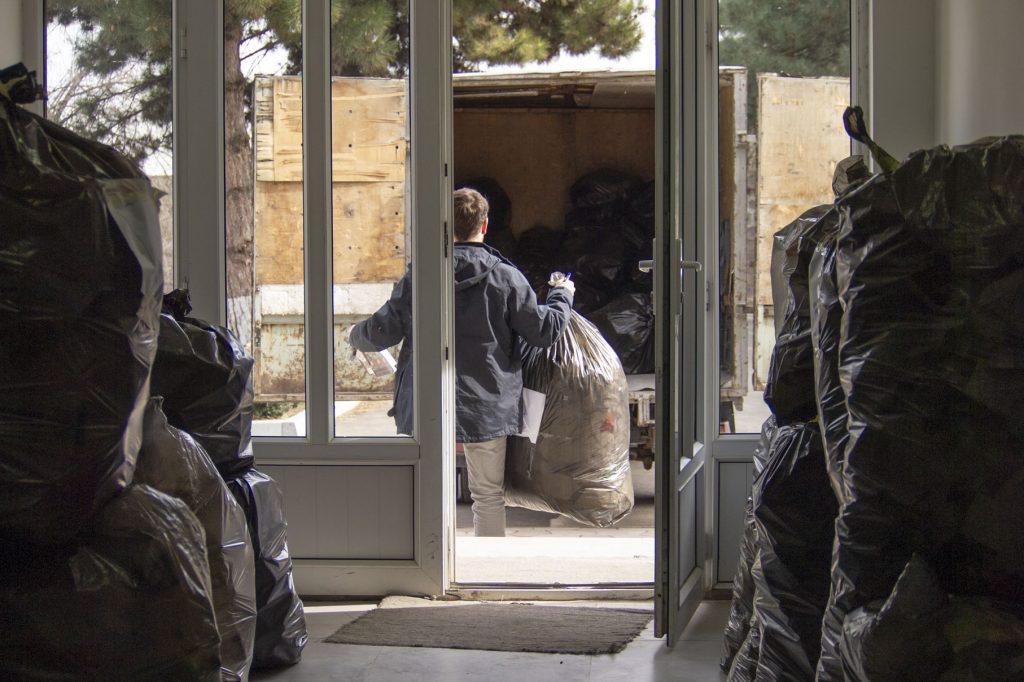
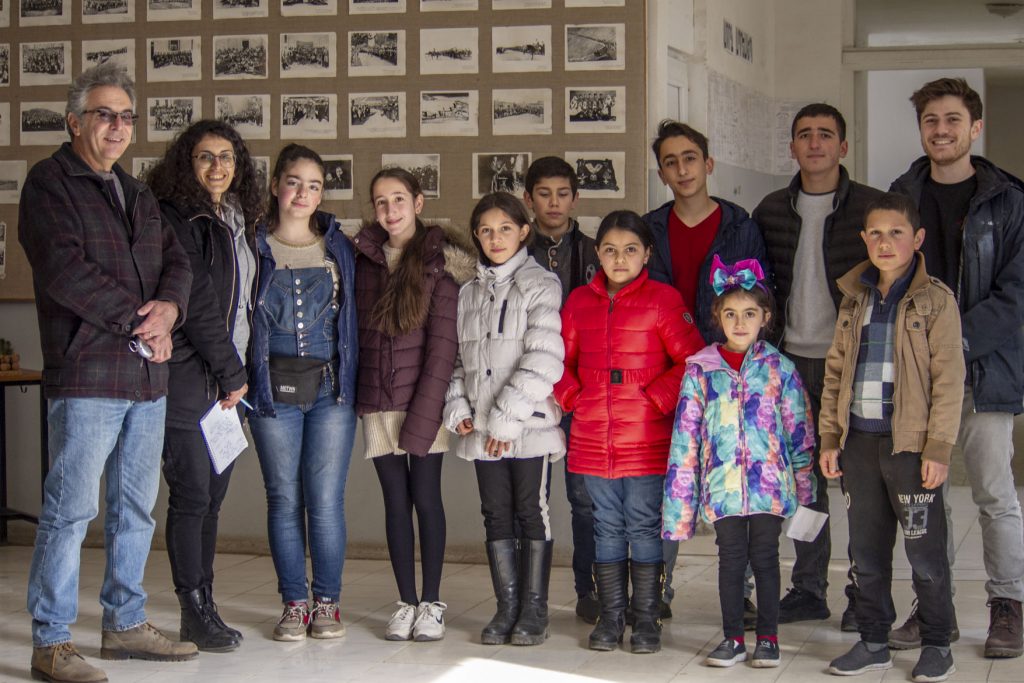
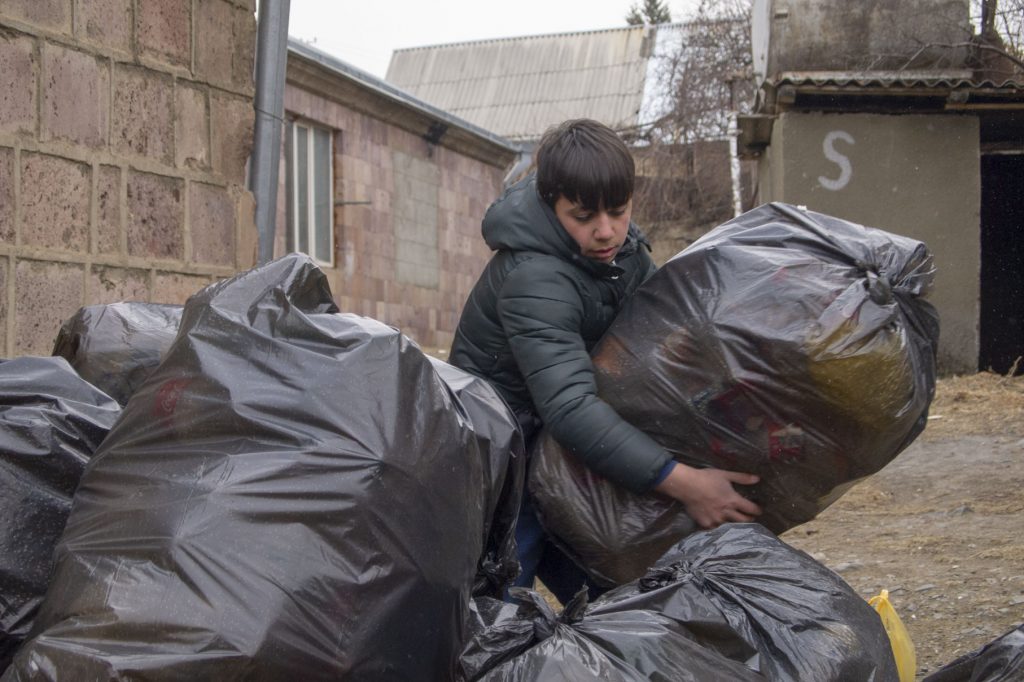
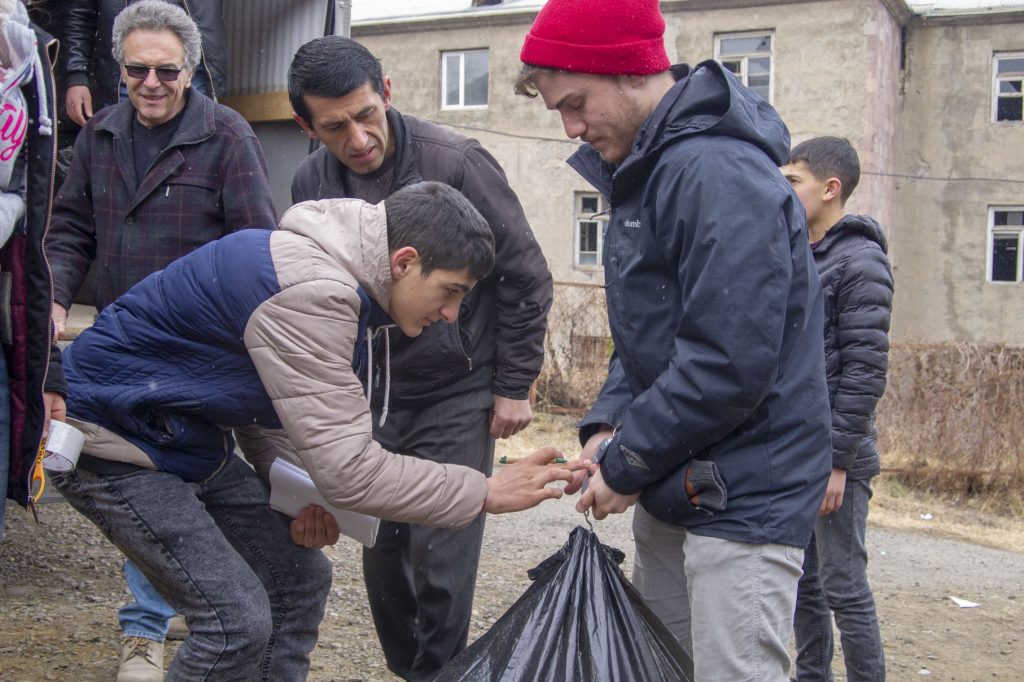
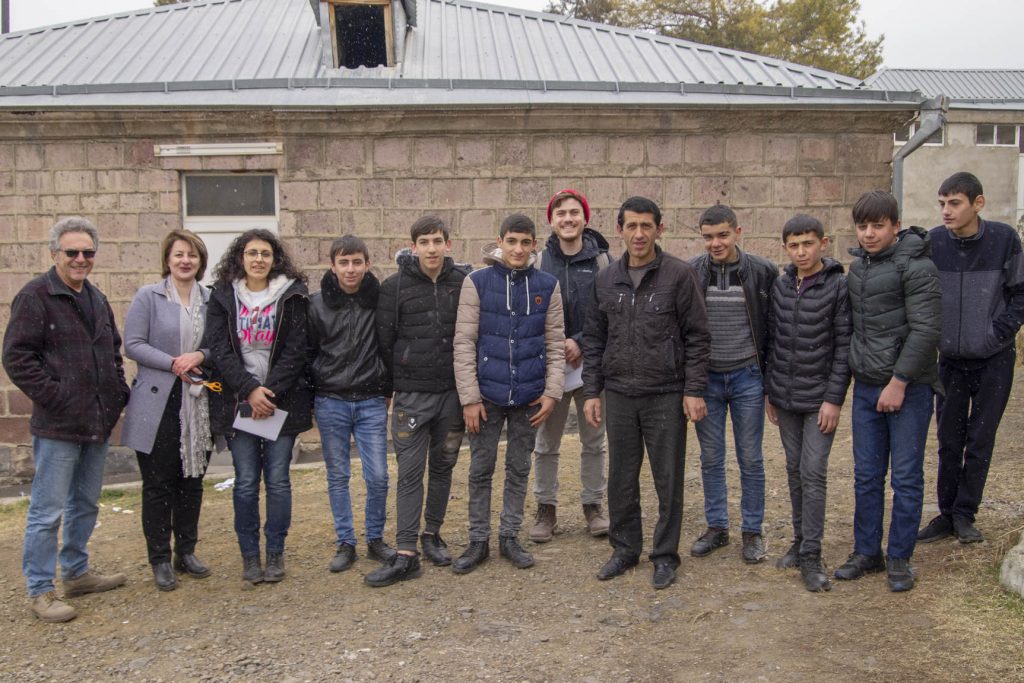
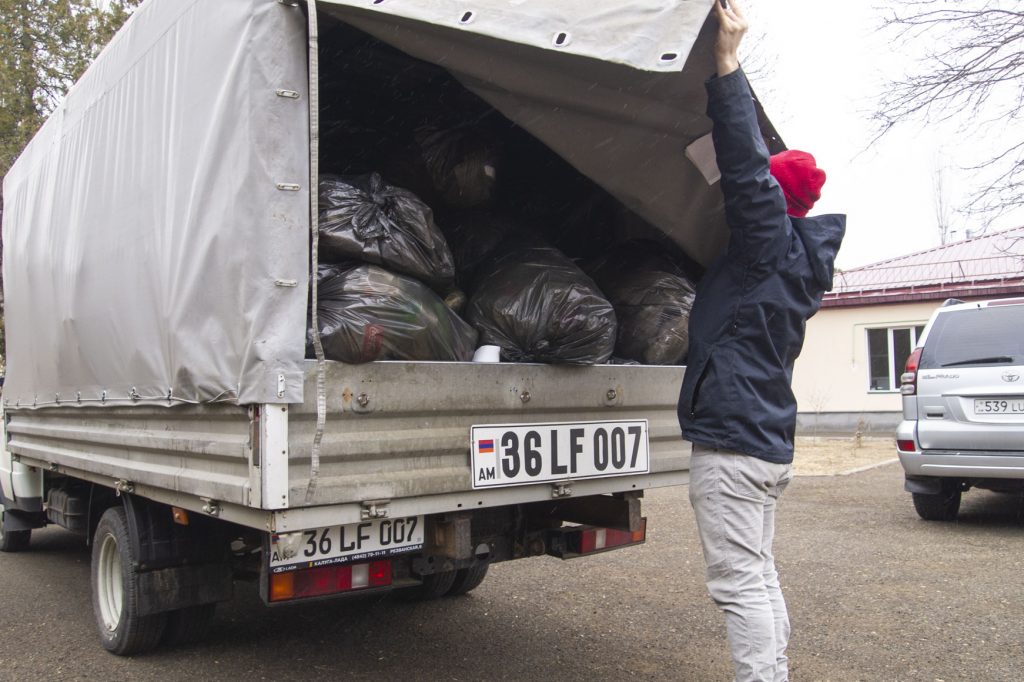
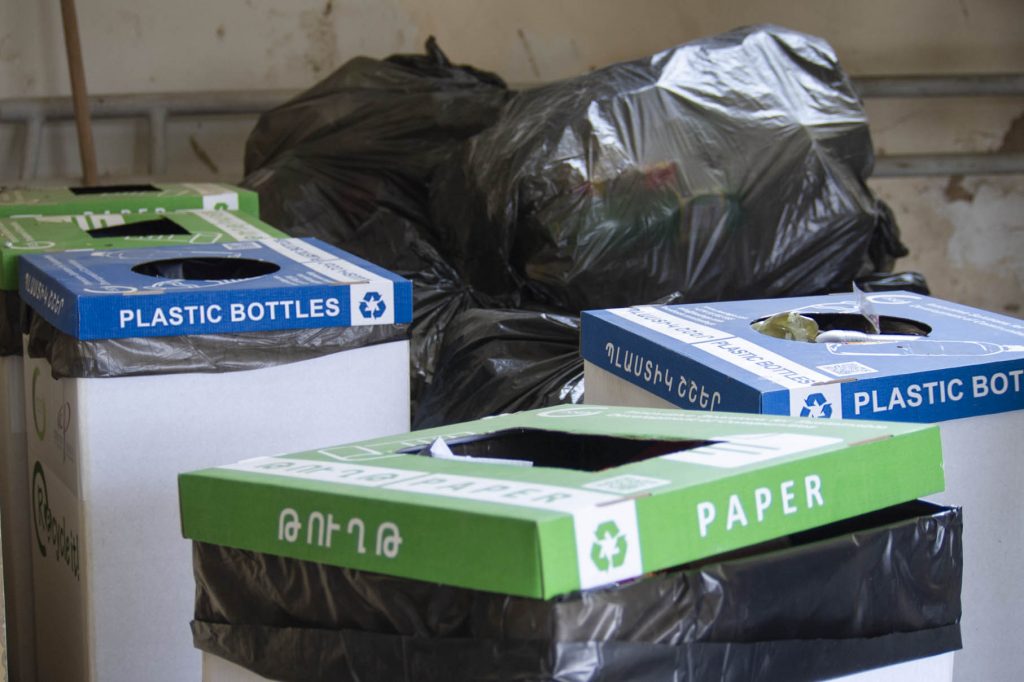
Today the Paros Team visited the schools, registered and collected all the recyclables and determined the contests winners! The School in Nerkin Karmir Aghbyur collected the most plastic per student! The School in the village of Tavush collected the most paper per student! Congratulations to both schools! We look forward to expanding this project in the future.
The Recycling Contest launched today with nine schools in the Berd area of Armenia’s Tavush Region. Schools will be collecting both paper and plastics and competing for a prize! The contest launch follows training and instruction on the value of recycling by the experts at the ISSD organization in Yerevan.