
Ponics Farming on the Border
Ponics Farming on the Border
Description
Facing the challenges of limited water, limited access to land and the challenges of weather, an aquaponic growing system for food is a perfect solution for border communities. An Aquaponics has clear benefits over soil-based gardening including lessened, adverse environmental impacts, reduced consumption of resources, faster plant growth, and higher yields. The Paros Foundation working through its Aygepar Incubator, has won a $53,000 grant from the Austrian Development Agency to install a 1,760 sq. ft. greenhouse along with a control building to house an aquaponic growing system in the village of Nerkin Karmir Aghbyur. Our contribution towards this important project is an additional $15,000. The system will be housed in a 160 square meter controlled environment greenhouse. This fully recirculating system will be used as both a training center and as a plant production business. The system will introduce rabbit waste into a small waste processing station before being pumped into a fully aqueous media environment which converts the waste to usable nitrates. The resulting nitrate fertilizer will be circulated through the bioreactor, into Deep Water Culture beds and Nutrient Film Technique gutters prior to their return to a waste processing station. Once completed, this system will serve as a model for the entire region. Its training component will serve to instruct the next generation on how to benefit from and properly care for an aquaponics farming system.
Region
Tavush
City / Village
Nerkin Karmir Aghbyur, Aygepar
Start Date
Spring 2022
End Date
Gallery Images
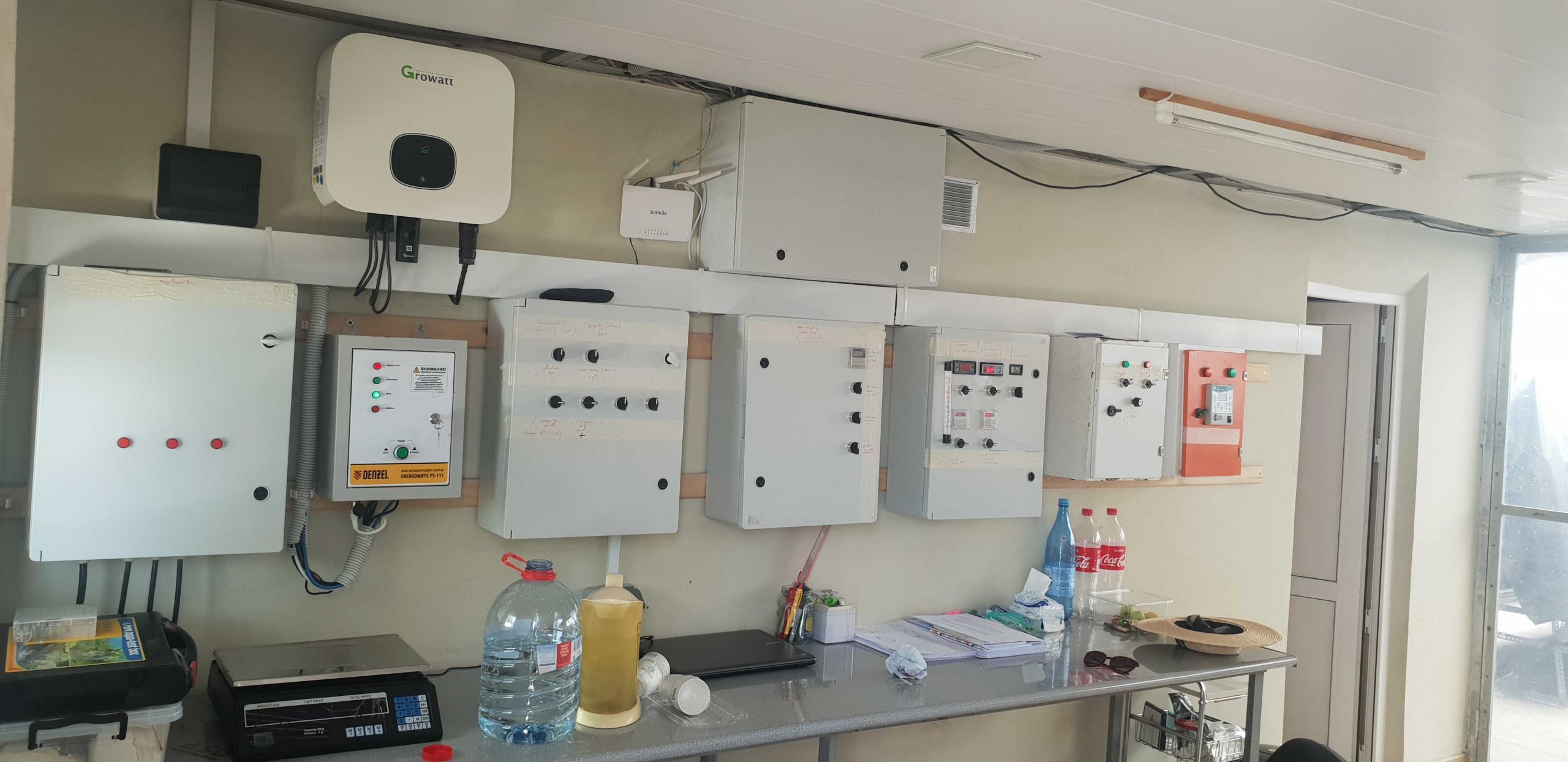
Aquaponic systems operate in a complete controlled environment.
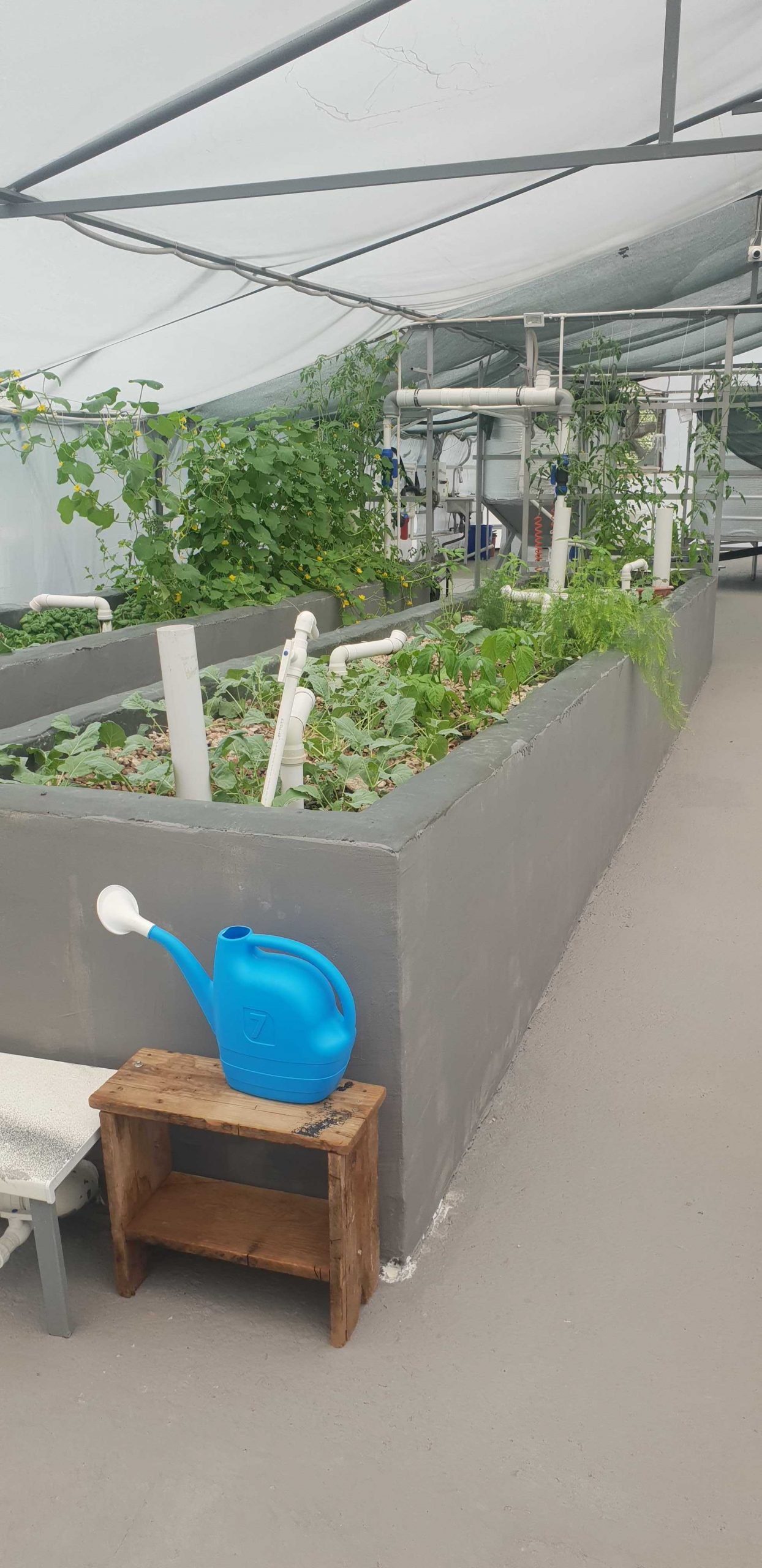
Fruits and vegetables can be grown in aquaponic systems.
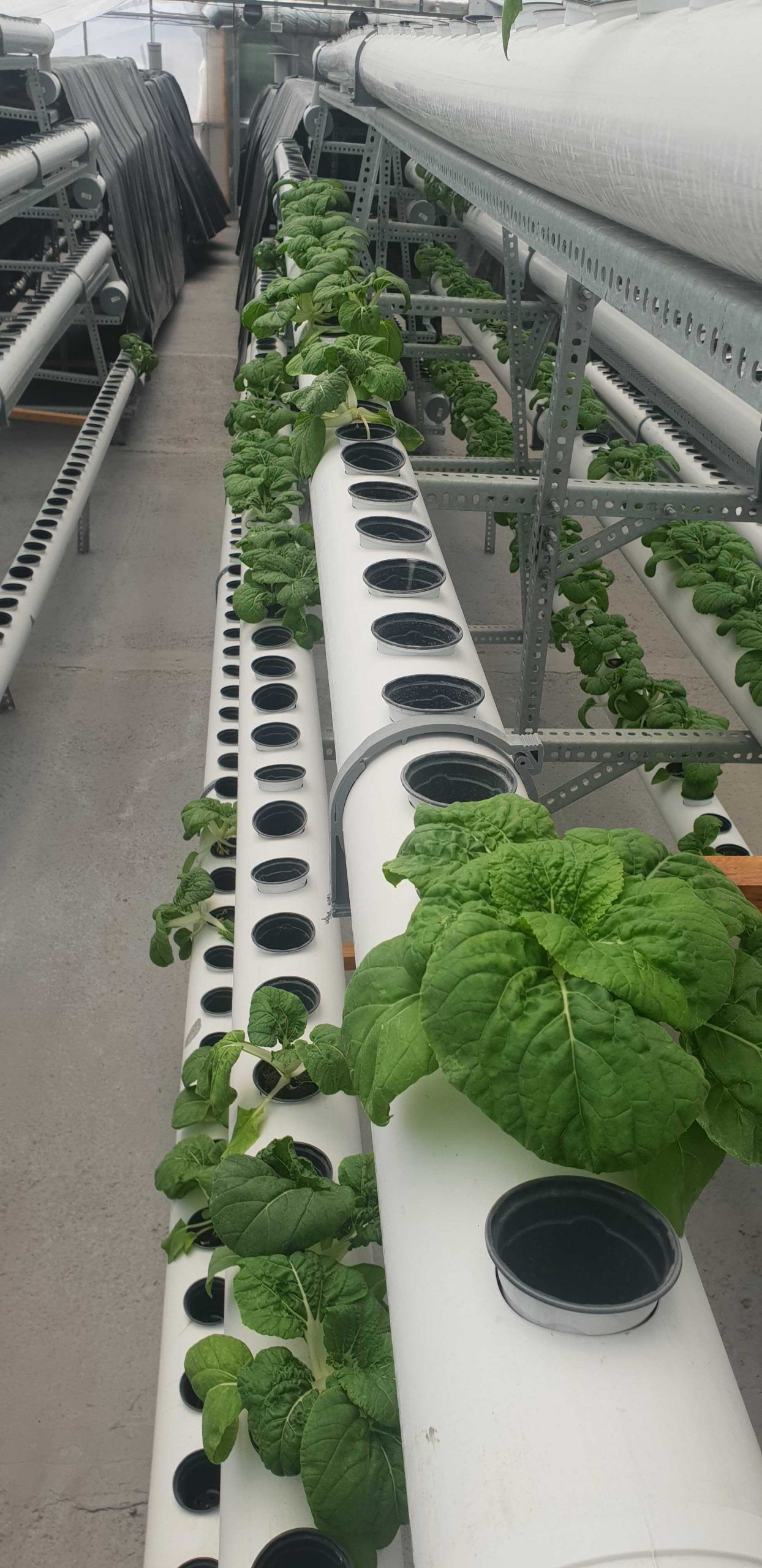
A similar system to this one will be installed in Nerkin Karmir Aghbyur.
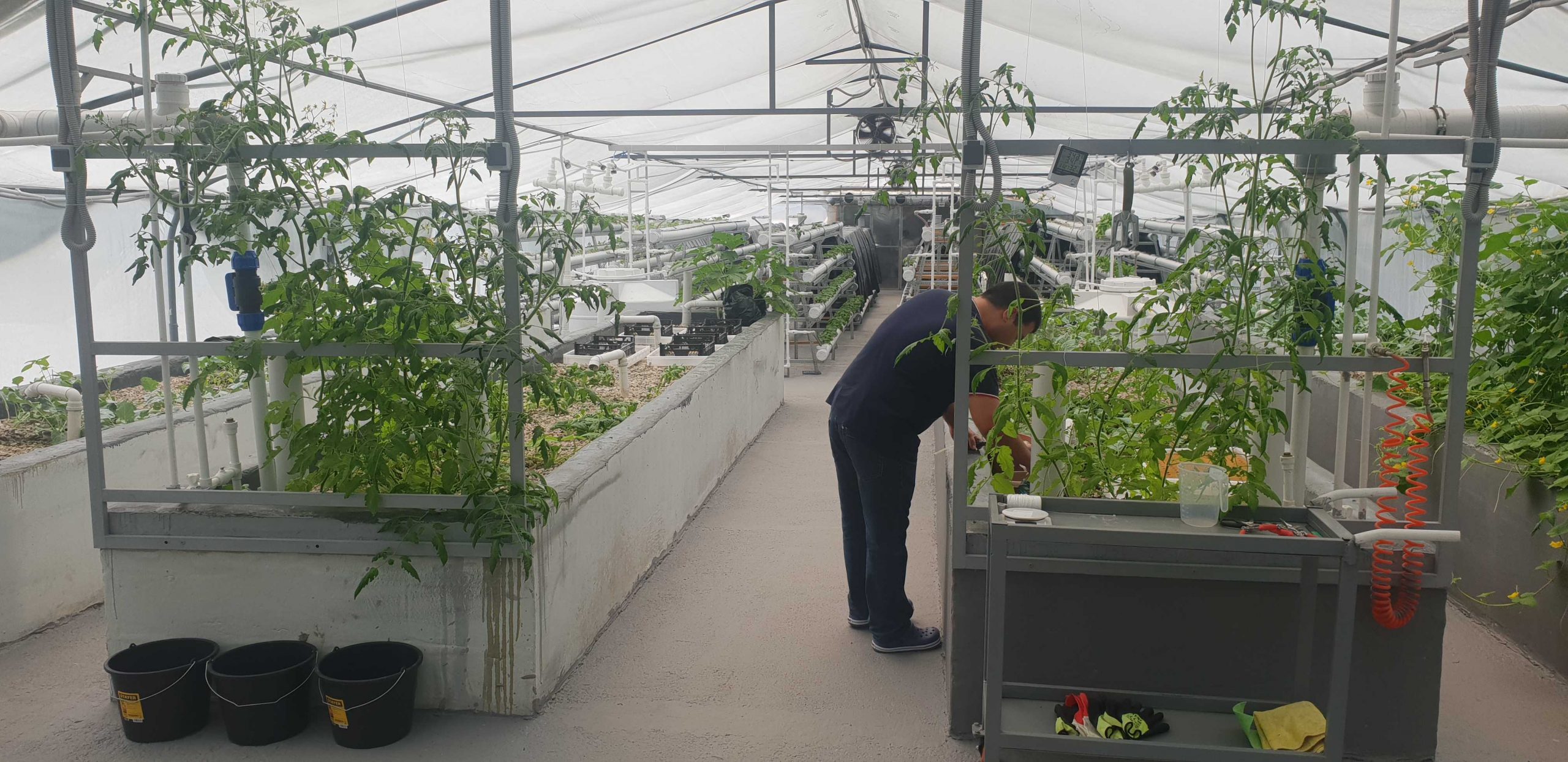
Aquaponic systems are sustainable and will greatly benefit the community of Nerkin Karmir Aghbyur.
The Need
Because of a shortage of land and lack of water in the community of Nerkin Karmir Aghbyur, it is difficult to farm. The introduction of an aquaponic system and training will greatly benefit this community.
Short Term Impact
In the short term, the preparation and construction of the aquaponic system in Nerkin Karmir Aghbyur will bring a mild economic benefit to the community as local labor and materials will be used whenever possible.
Long Term Impact
In the longer term, the community will benefit economically as any proceeds from the sales of the aquaponic farm will be reinvested directly in the community. In addition, the villagers will benefit from the training they receive in this new cutting edge technology.
Sponsors Benefits
All sponsors of this important project will be listed on The Paros Foundation’s website and in all press related to this project. Visits to these communities can be arranged for sponsors visiting Armenia.
[vp_give_donor_walldonors_per_page=12
show_total=false
show_modal=true
form_id=”84766″]
Updates: Images & Information


Previous
Next
November 15, 2022
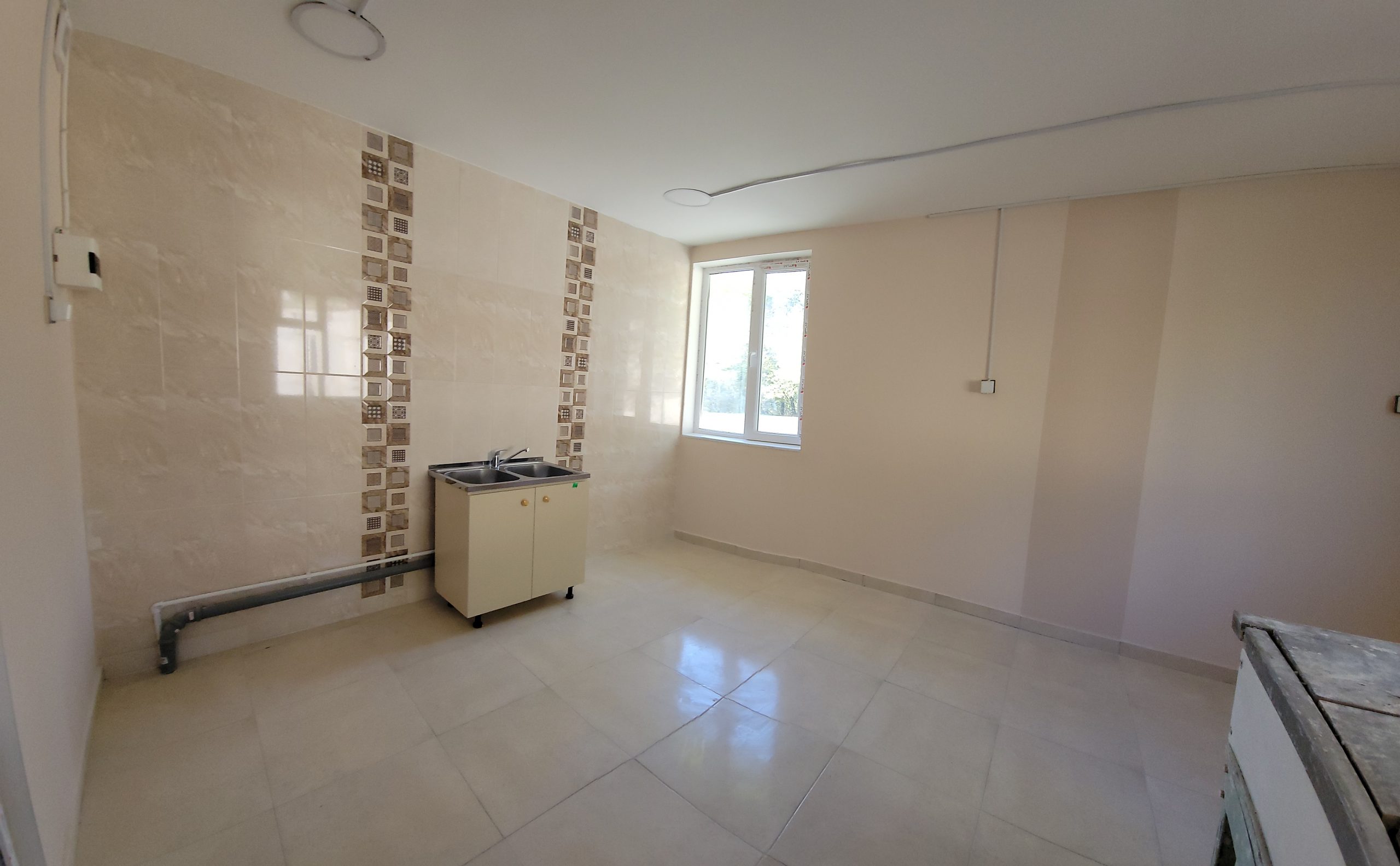
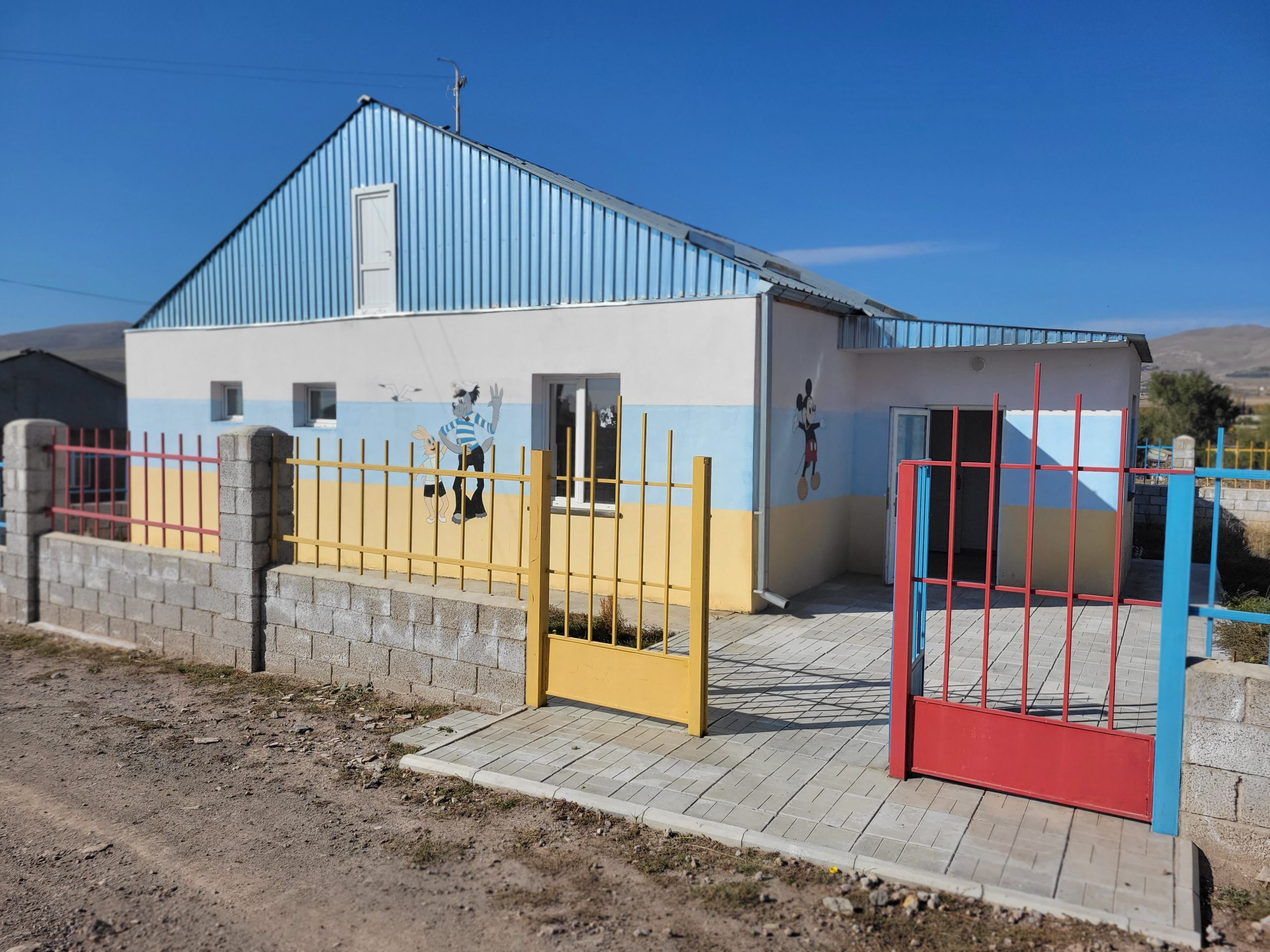
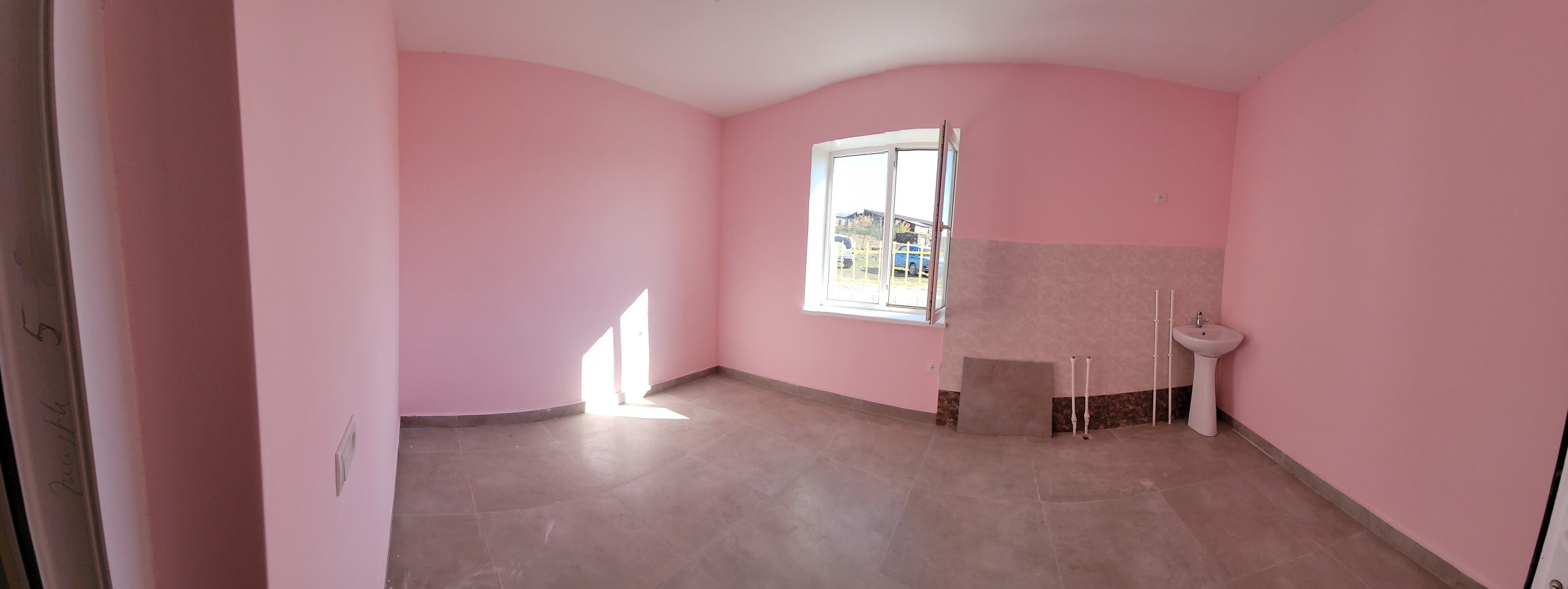
Construction on the Nerkin Karmir Aghbyur aquaponics greenhouse begins.
April 27, 2023
Greenhouse construction is finished, officially launching the aquaponics program. We look forward to planting the first batch of plants and presenting this asset to the community!
May 12, 2023
Two greenhouse employees will maintain the greenhouse and teach classes to locals and students. Today they plant strawberries and tomatoes.
June 23, 2023
The Ponics Greenhouse and Education Center is open! A ribbon cutting ceremony was held with donors Patrick & Mary Goshtigian present who generously supported the project. This resource will benefit the community for years to come because the lack of water and land make it difficult to farm in the border village of Nerkin Karmir Aghbyur.
September 10, 2024
Regular classes for students at the school began today.
January 20, 2024
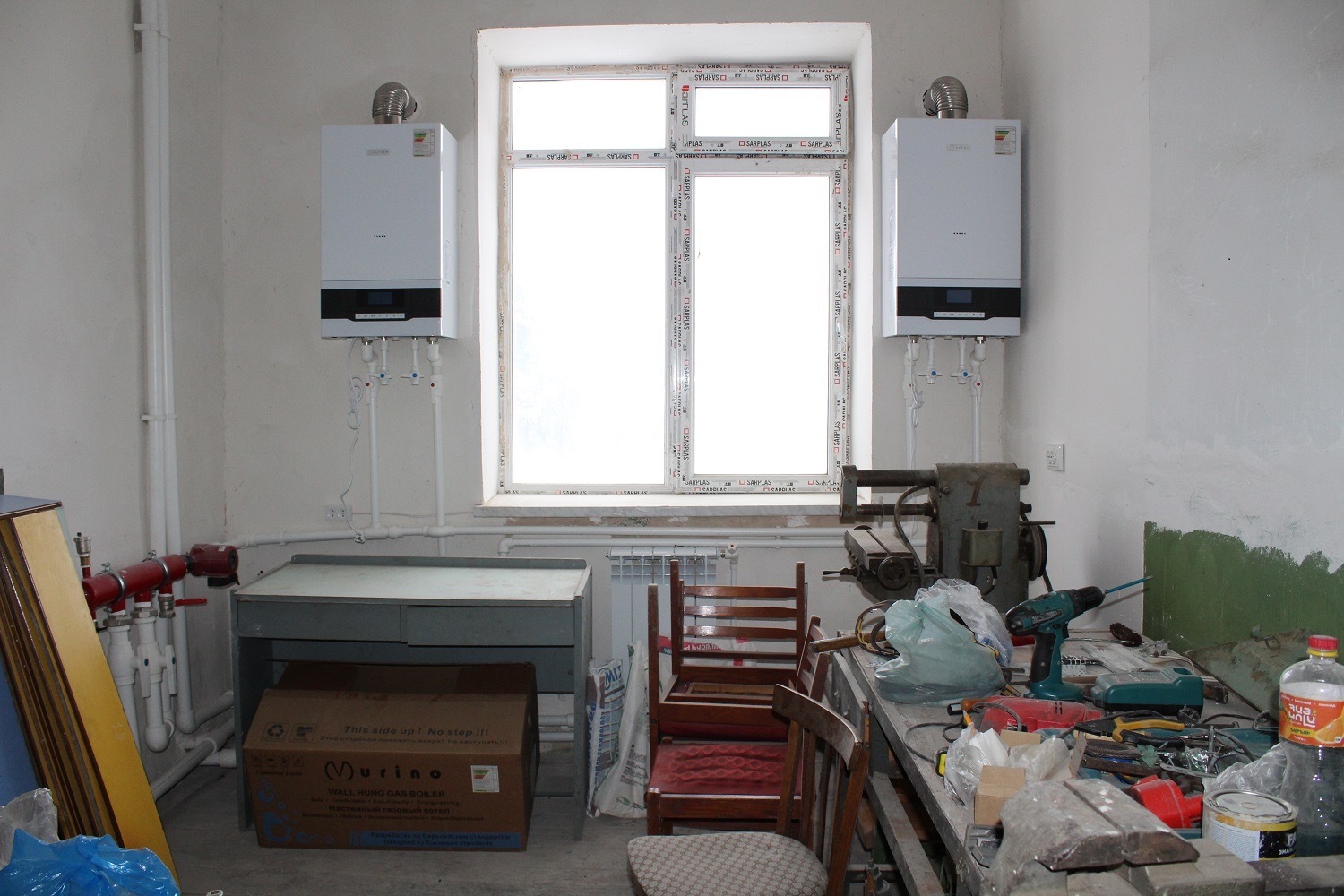
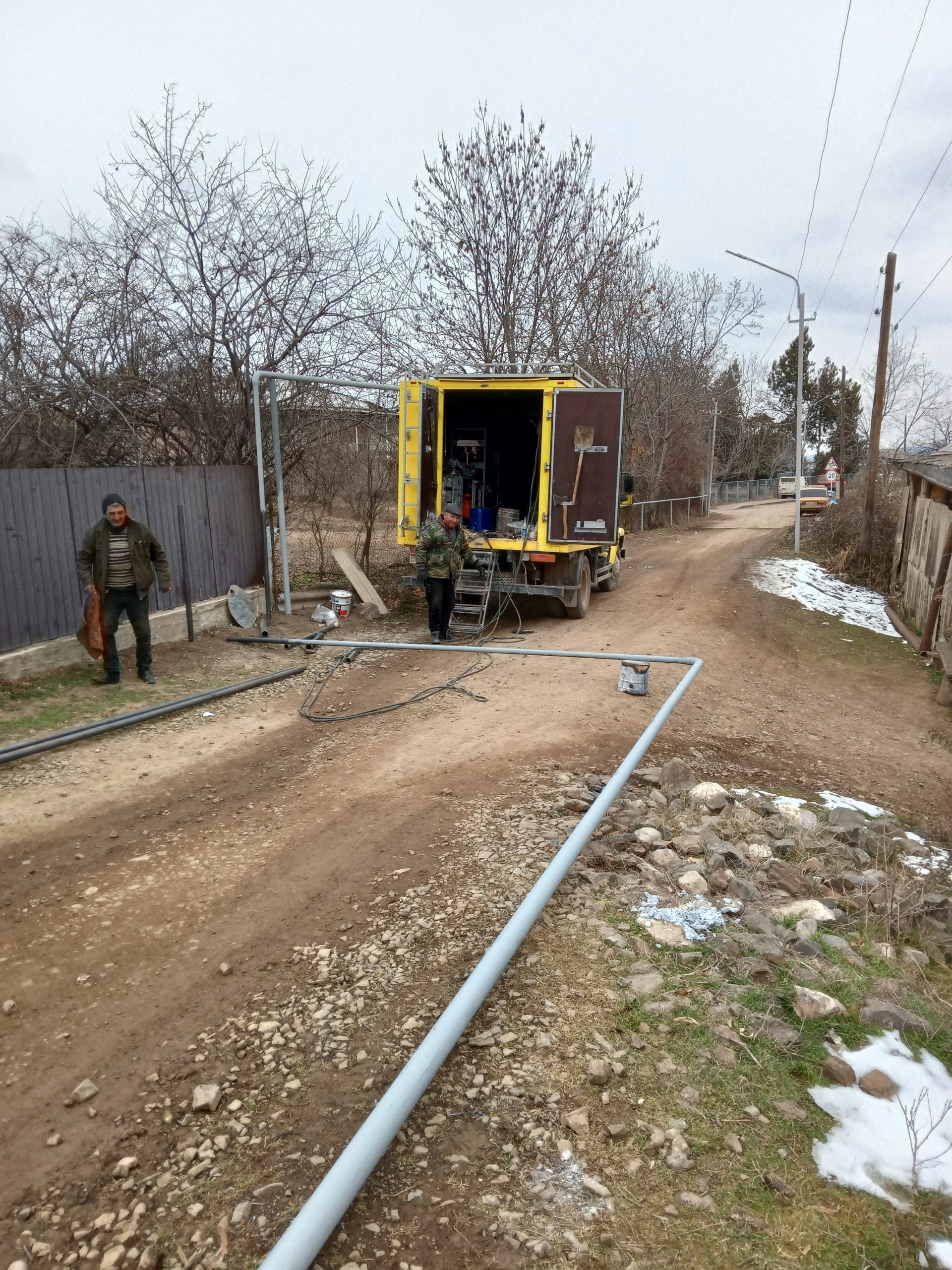
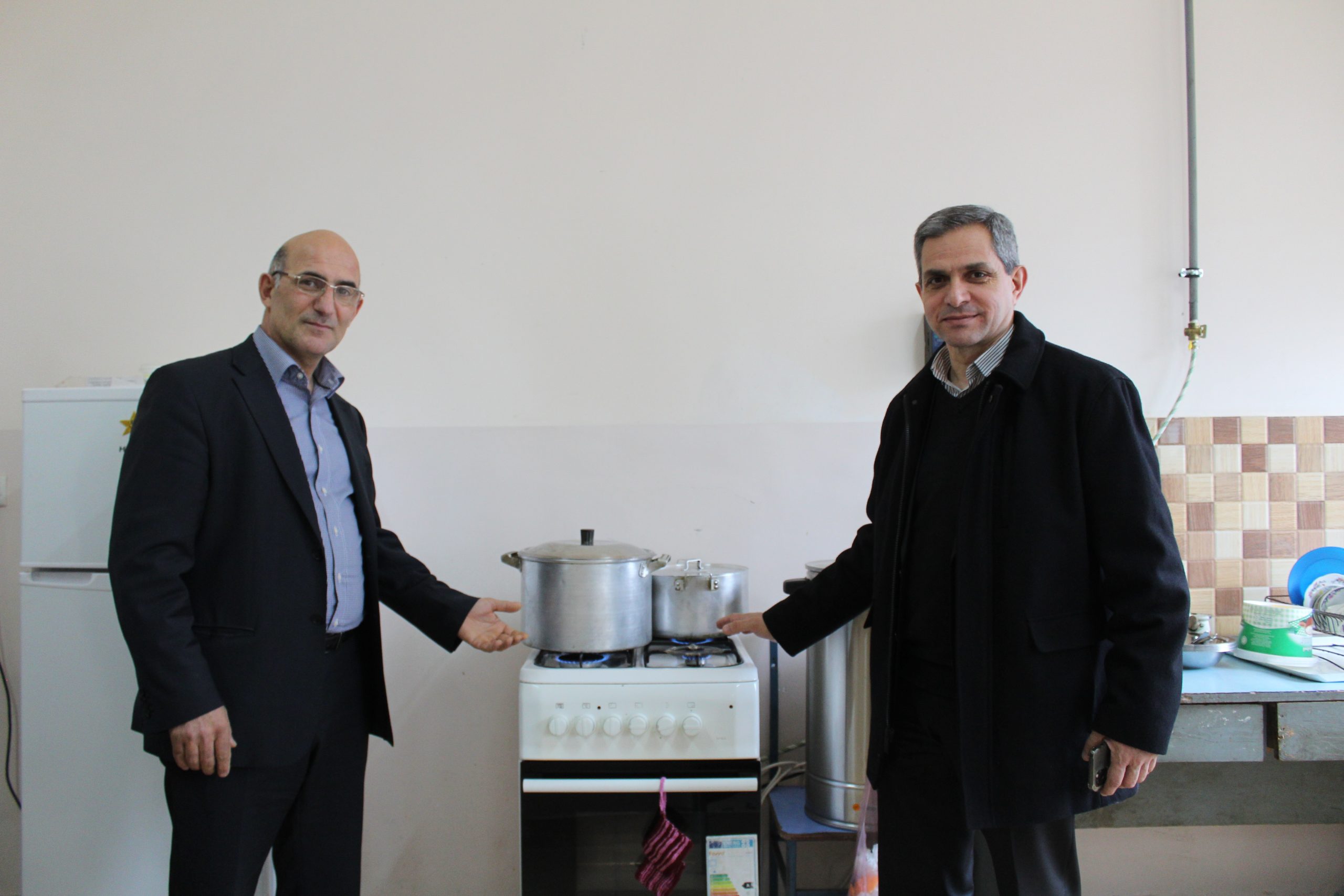
Gas pipelines are added to the greenhouse so that it can fully operate in the winter months.

 Nor Luyce works with young girls, ages 14-17, from two local orphanages and/or from poverty stricken families from Gyumri, Armenia. Under the direction of their Executive Director, Shoghik Mikayelyan, the program provides their mentees with positive roles models and emotional support. The reduction of isolation is provided by mentors and by field trips, which expose the children to various work and educational settings. In addition, Nor Luyce’s program emphasizes the development of educational and career plans. They are now at the stage of either beginning or continuing to help implement each older child’s plan for higher education. Each child has also either completed or is in the process of completing a career plan, which includes the most appropriate type and place of higher education.
 Nor Luyce works with young girls, ages 14-17, from two local orphanages and/or from poverty stricken families from Gyumri, Armenia. Under the direction of their Executive Director, Shoghik Mikayelyan, the program provides their mentees with positive roles models and emotional support. The reduction of isolation is provided by mentors and by field trips, which expose the children to various work and educational settings. In addition, Nor Luyce’s program emphasizes the development of educational and career plans. They are now at the stage of either beginning or continuing to help implement each older child’s plan for higher education. Each child has also either completed or is in the process of completing a career plan, which includes the most appropriate type and place of higher education.