The Paros Foundation underwrites all administrative and overhead costs allowing 100% of all donor contributions to godirectly towards projects and supported organizations.
Donations to The Paros Foundation Projects for Prosperity are tax deductible to the fullest extent allowed by law. To sponsor a project through The Paros Foundation, a 501 (c) 3 organization (Tax ID 20-5094630), or learn more about specific projects in need of funding, please contact us using the information below.
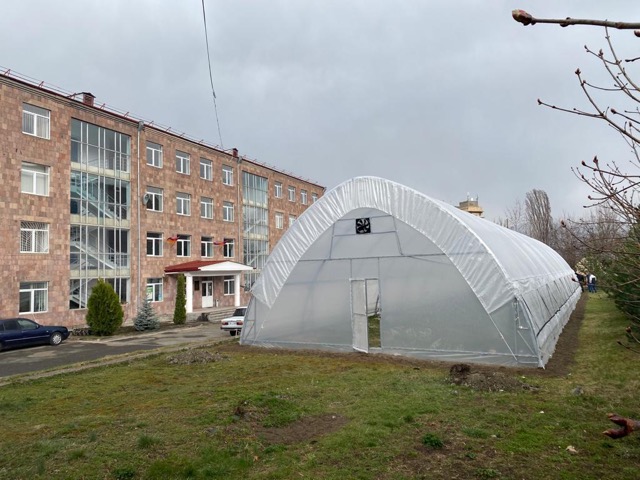
The National Agrarian University is a joint partner in this project. The greenhouse will be essential for the full training of the students during the course of the academic year. Further, the forestry professors and graduate students will conduct various research on part of the surface. The rest of the surface will be tended by our workers to grow various seedlings aimed for our reforestation projects.
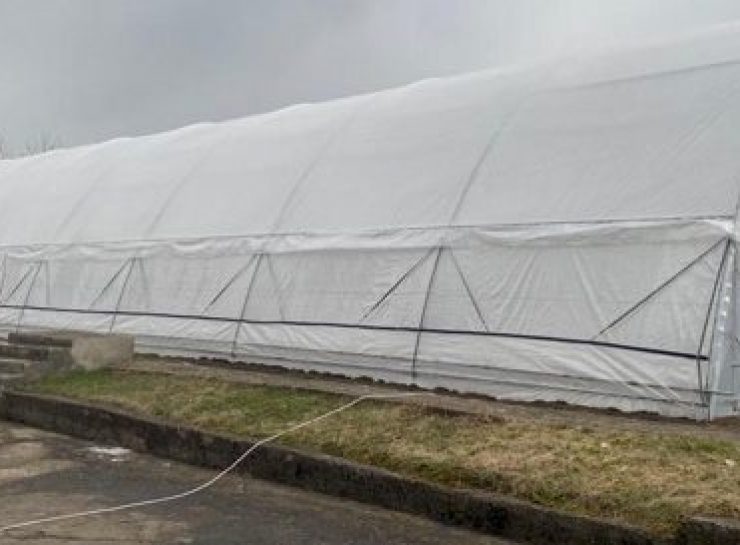
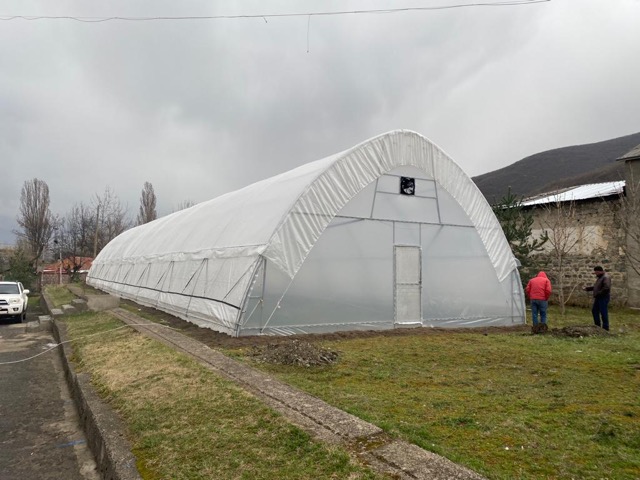
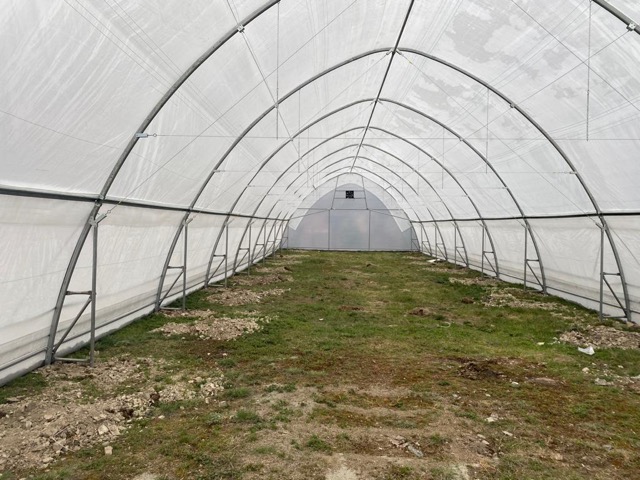
We will build a 3,300 square foot greenhouse on the grounds of the National Agrarian University in Vanadzor. The greenhouse will have an automatic irrigation system. In addition, we will build 30 metal tables to support 1500 boxes for plant containers and develop our own design for a seedling container. Each table will support 3,000 containers containing one seedling each. The total capacity of the greenhouse is 90,000 seedlings. If the budget is fully raised, we would like to have two sets of 90.000 containers in order to allow two shifts per year.
The greenhouse will enable us to have a greater variety of forest tree seedlings including some rare and endangered species. This is very important in order to increase bio-diversity in the forests. It will also improve the success ratio of the plants in the afforestation areas as the saplings will go in the ground with soil around their roots.
The Greenhouse budget includes the construction of the actual greenhouse, the installation of an irrigation system, tables, containers and the required shading nets. Details are available upon request.
To help our reforestation projects in Armenia, we need many different species of good quality seedlings. At the same time, the proper schooling of forestry graduates and future reforestation experts requires that they gain practical instruction. A greenhouse is essential to complete their education and to help reforestation. Indeed some forest tree species are difficult to grow in open-air nurseries. Within the controlled environment of a greenhouse the success rate of rare species and productivity of the seedlings will be increased.
Short Term Impact
Short term impact: 5 workers will be hired to work in the greenhouse and many students will profit from this unique learning tool.
Long Term Impact
The long-term impact of the project is to support reforestaton projects in Armenia in order to increase the forest coverage and improve the nature of this attractive mountainous country. It will also help the training of future forestry specialists.
Sponsors Benefits
All sponsors to this project will be listed on the Paros website, as well as on the website of My Forest Armenia. One major donor may name the greenhouse. A plaque with all donors will hang inside the greenhouse. For each $1,000 donation a donor may name one table. Donors who visit Armenia can have a guided visit to the greenhouse and the reforestation sites.
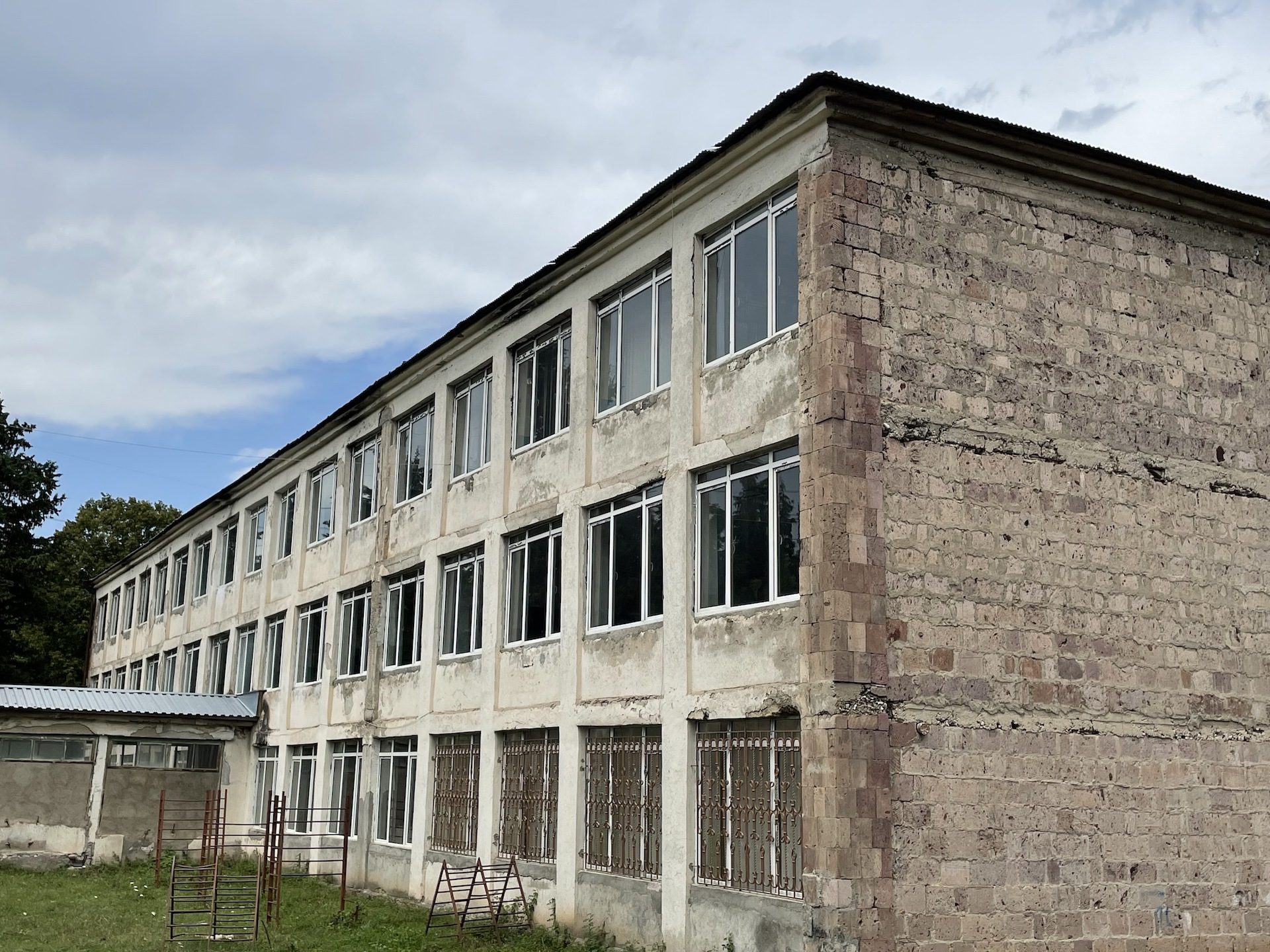
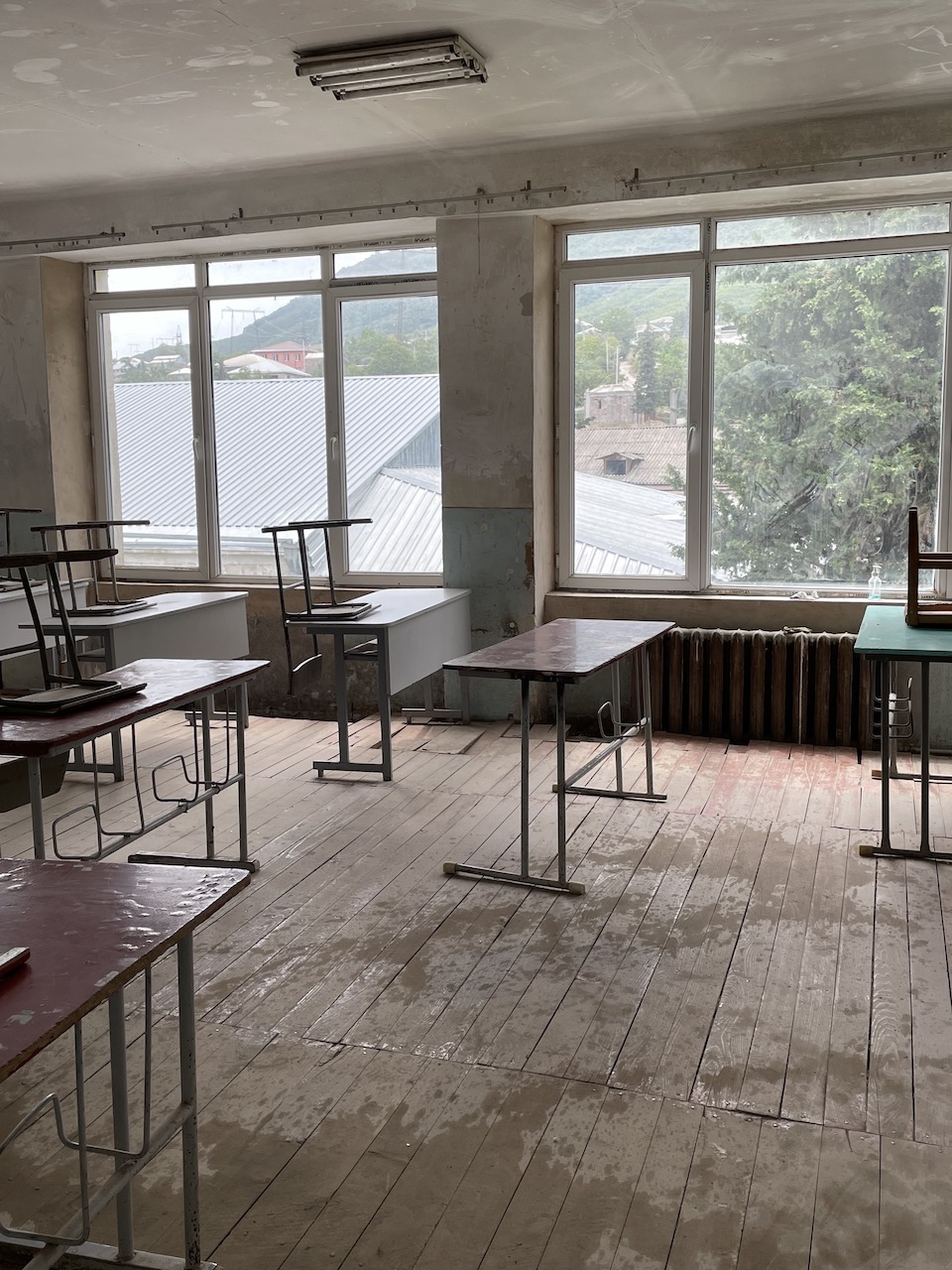
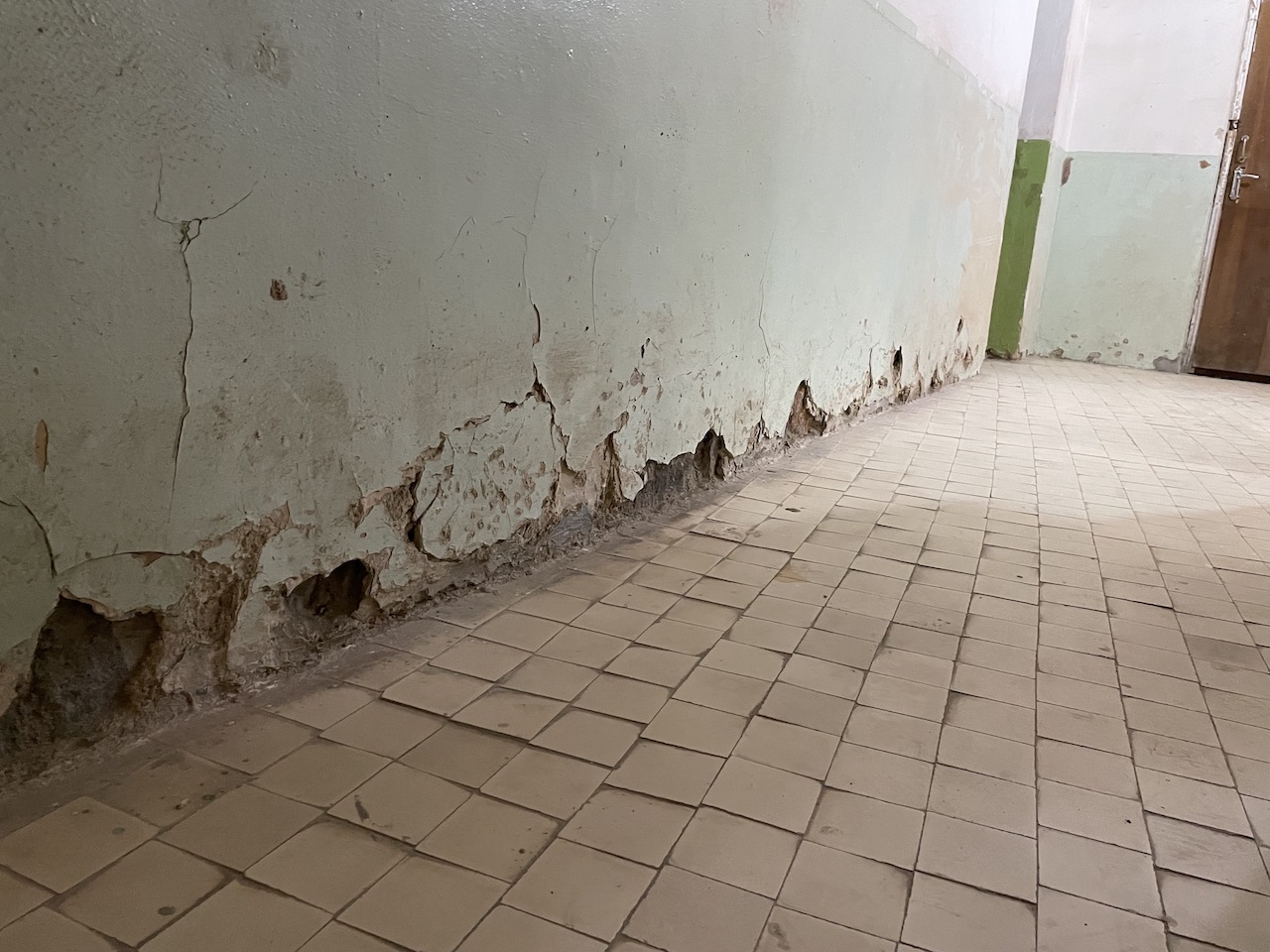
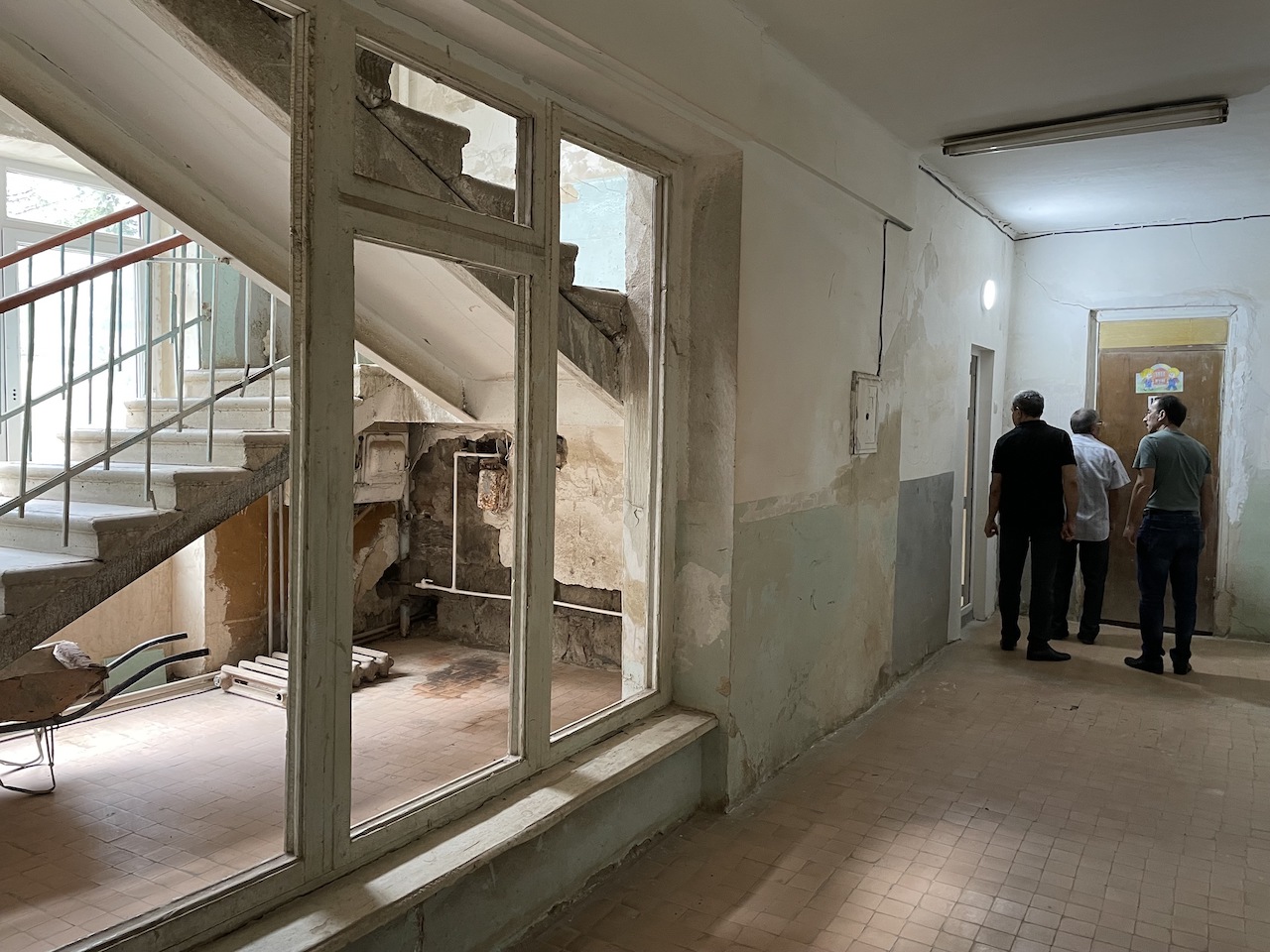
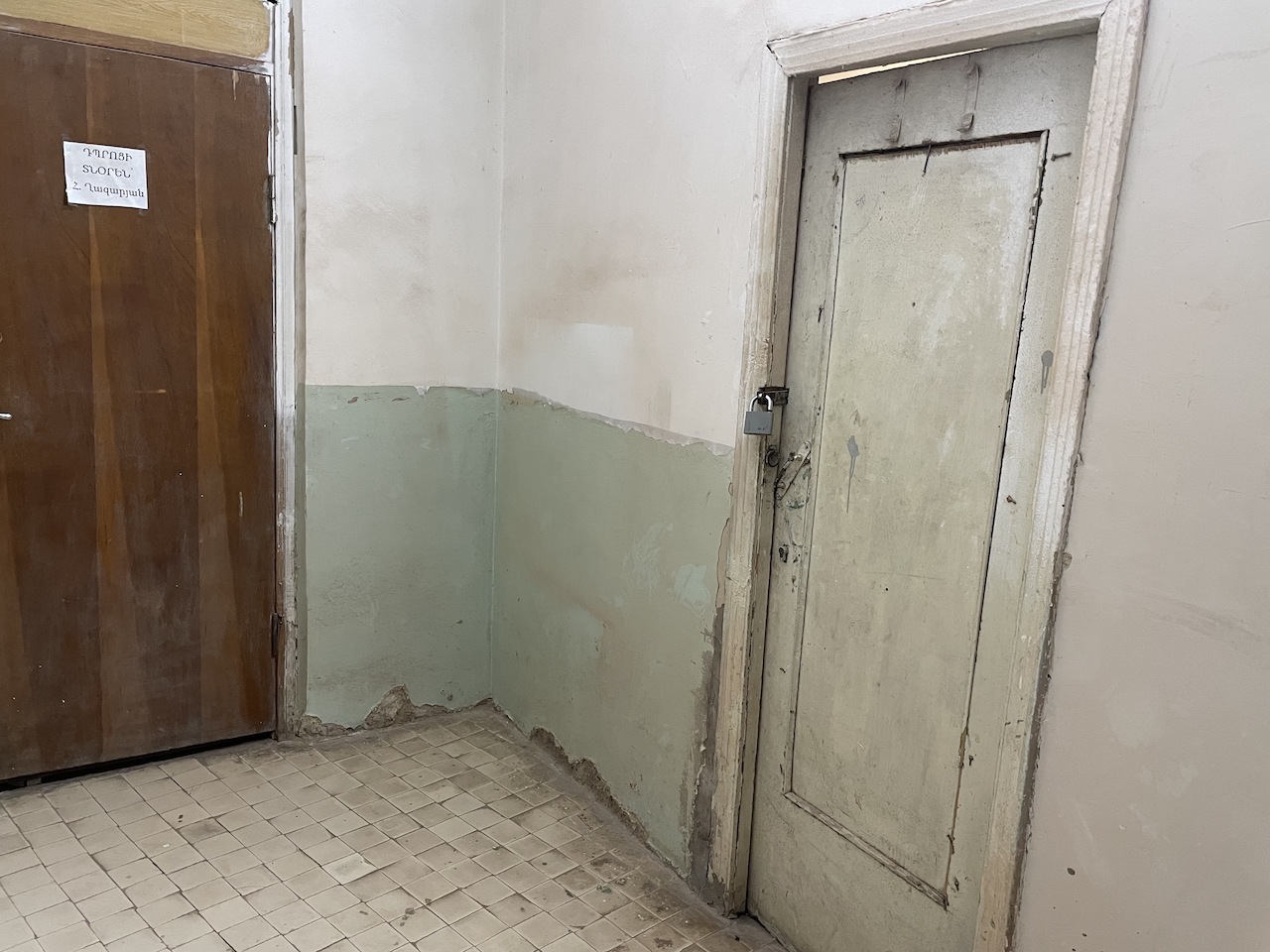
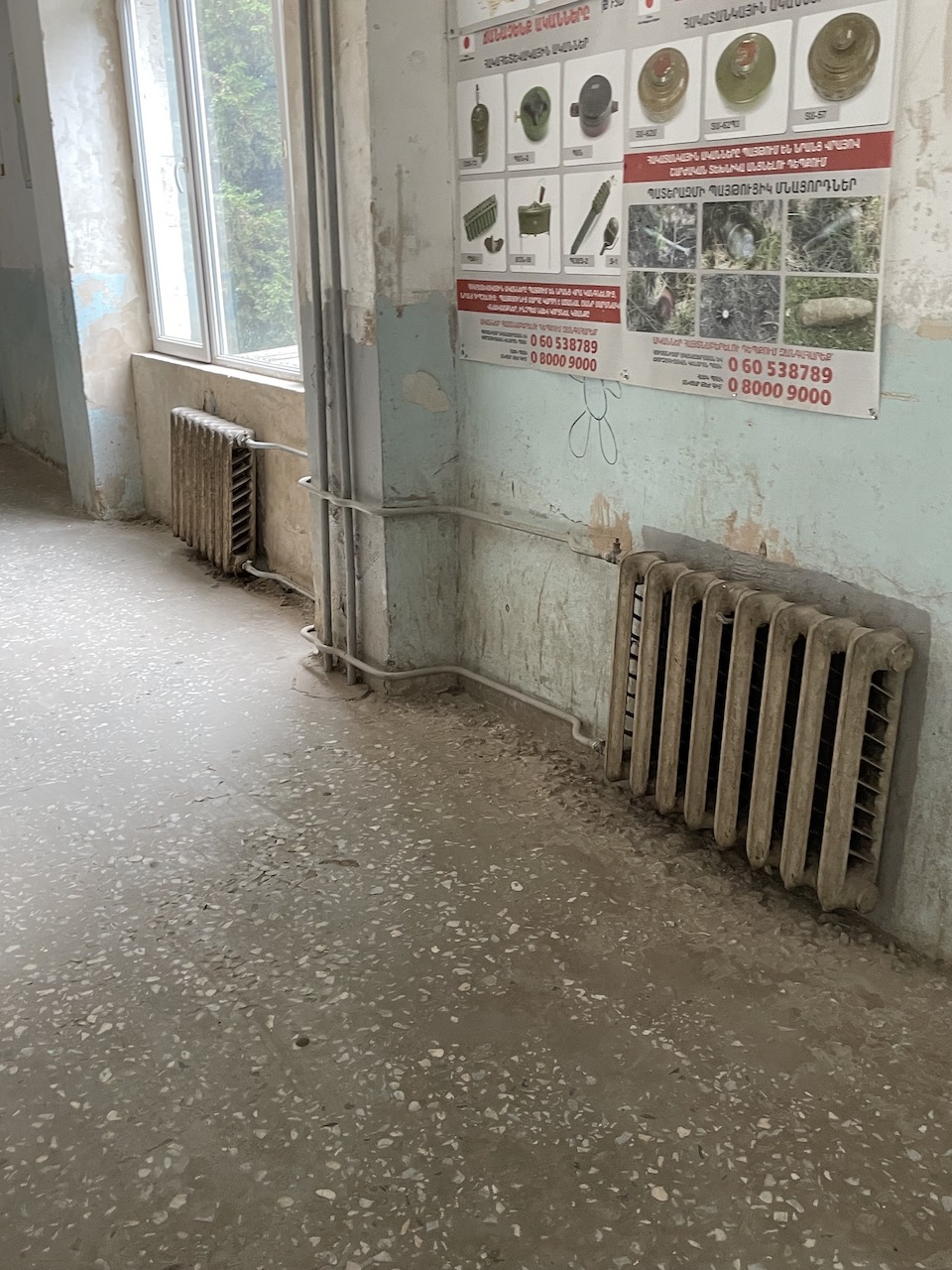
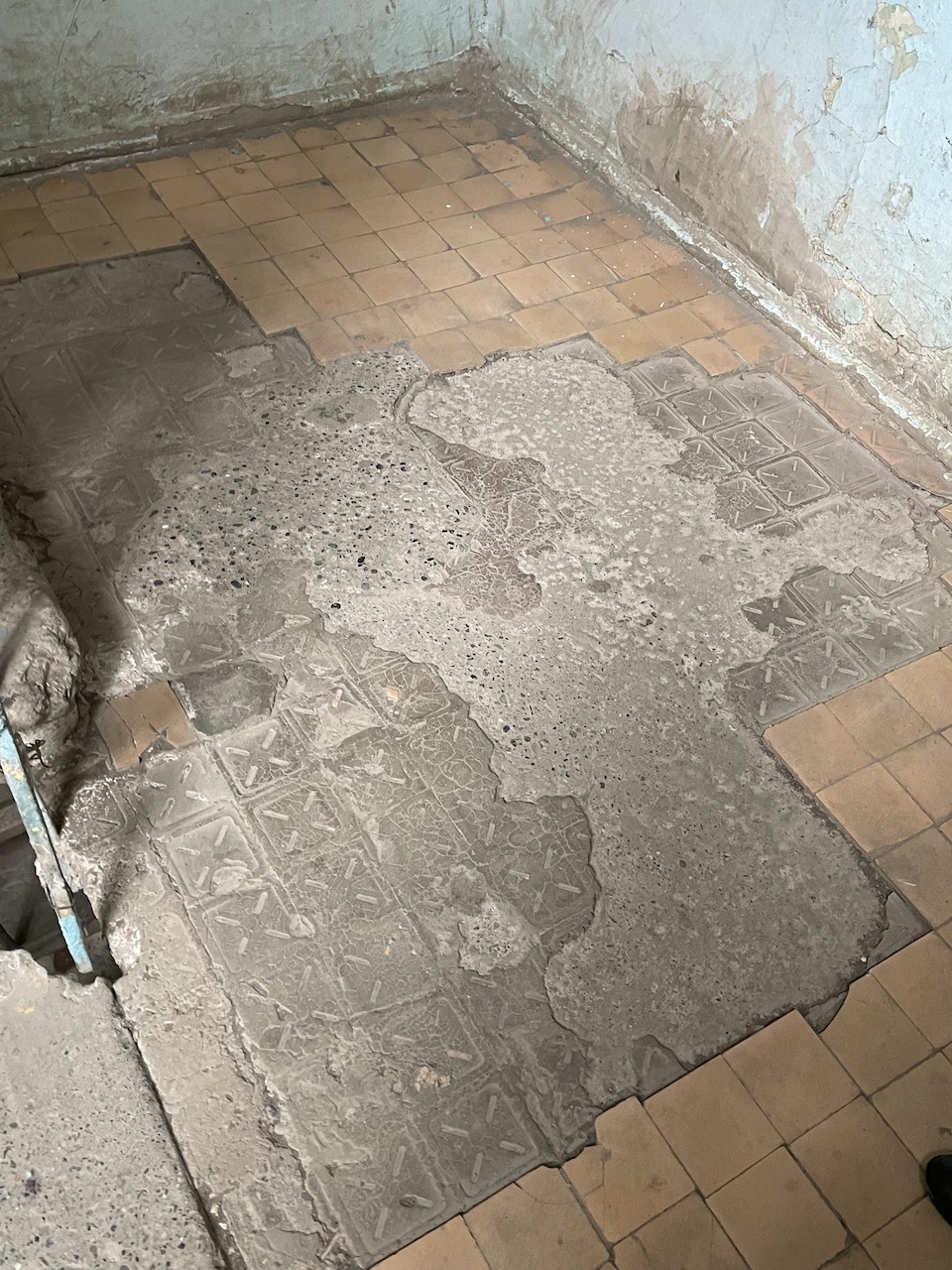
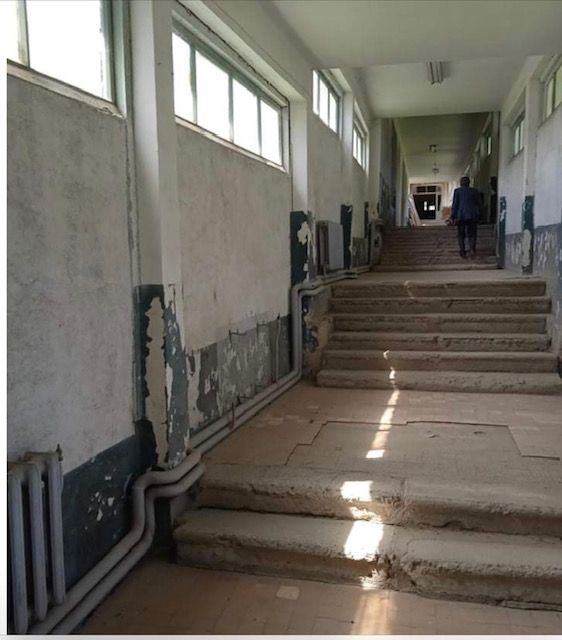
Getahovit is a village just outside of Ijevan in Armenia’s Tavush Region. This community is home to more than 2,000 residents. Getahovit’s school is in terrible condition and needs a complete renovation.
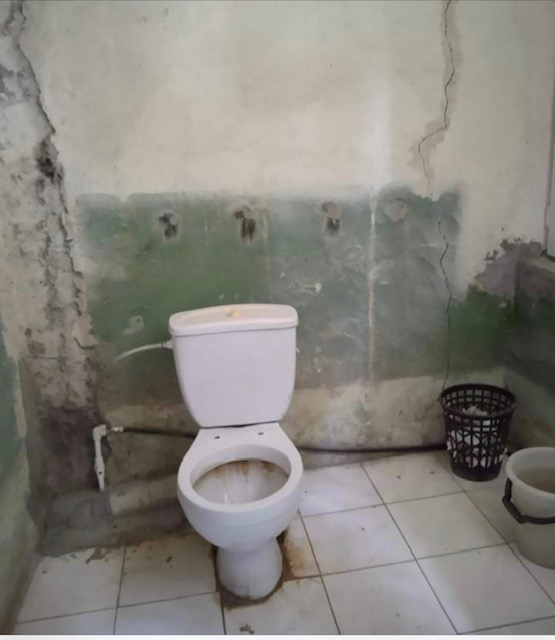
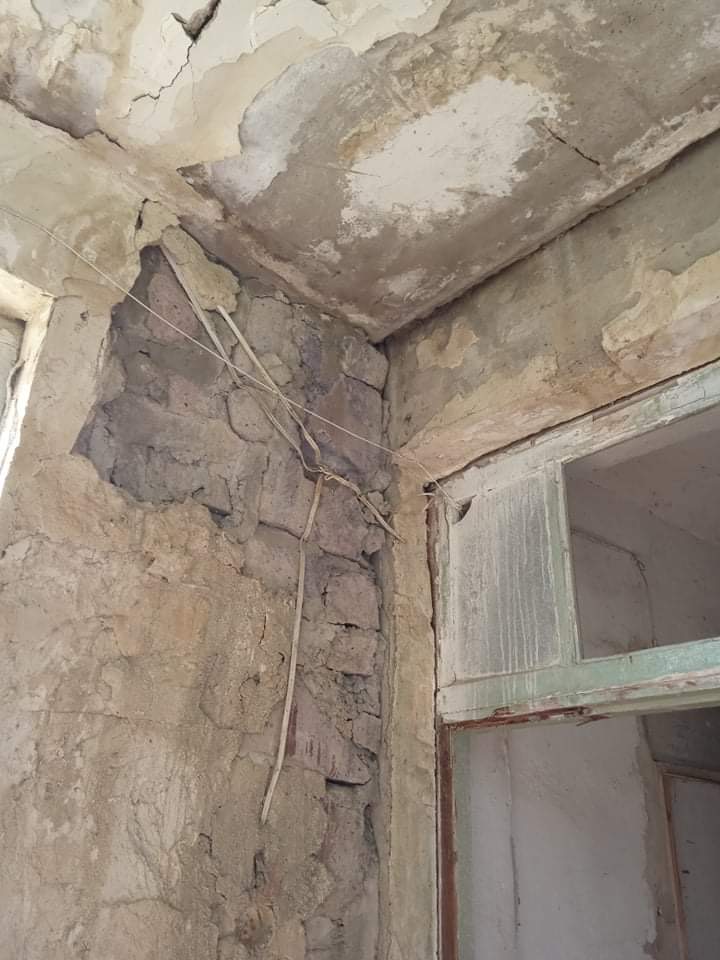
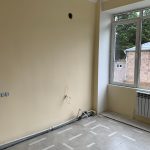
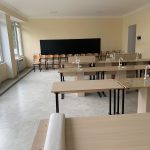
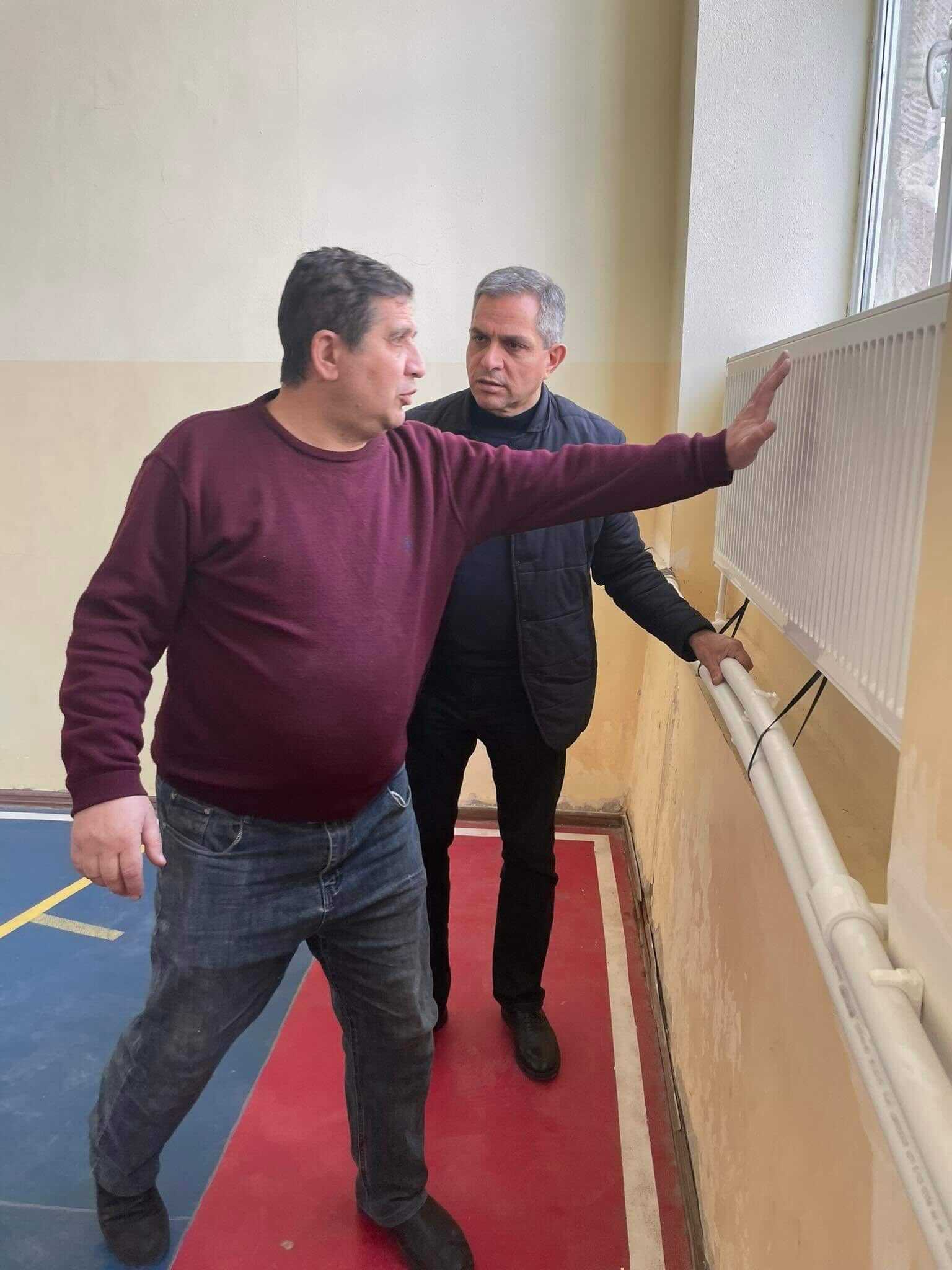
The school was built in 1971 and serves 250 children in the first to twelfth grades. The community of Getahovit and the school’s leadership has tried to maintain the school the best they can given their extremely limited resources. However, crumbling plaster, lack of heating and non-functioning bathrooms make for a terrible environment for these children to learn. To properly renovate the school, this large project will be addressed in phases. Firstly, the school needs to have a functioning heating system prior to the start of winter. This effort, combined with the repair of the school’s roof, changing of the balance of old windows and the start of renovations one of the school’s wings including classrooms and bathrooms will serve as a huge source of inspiration for this community.
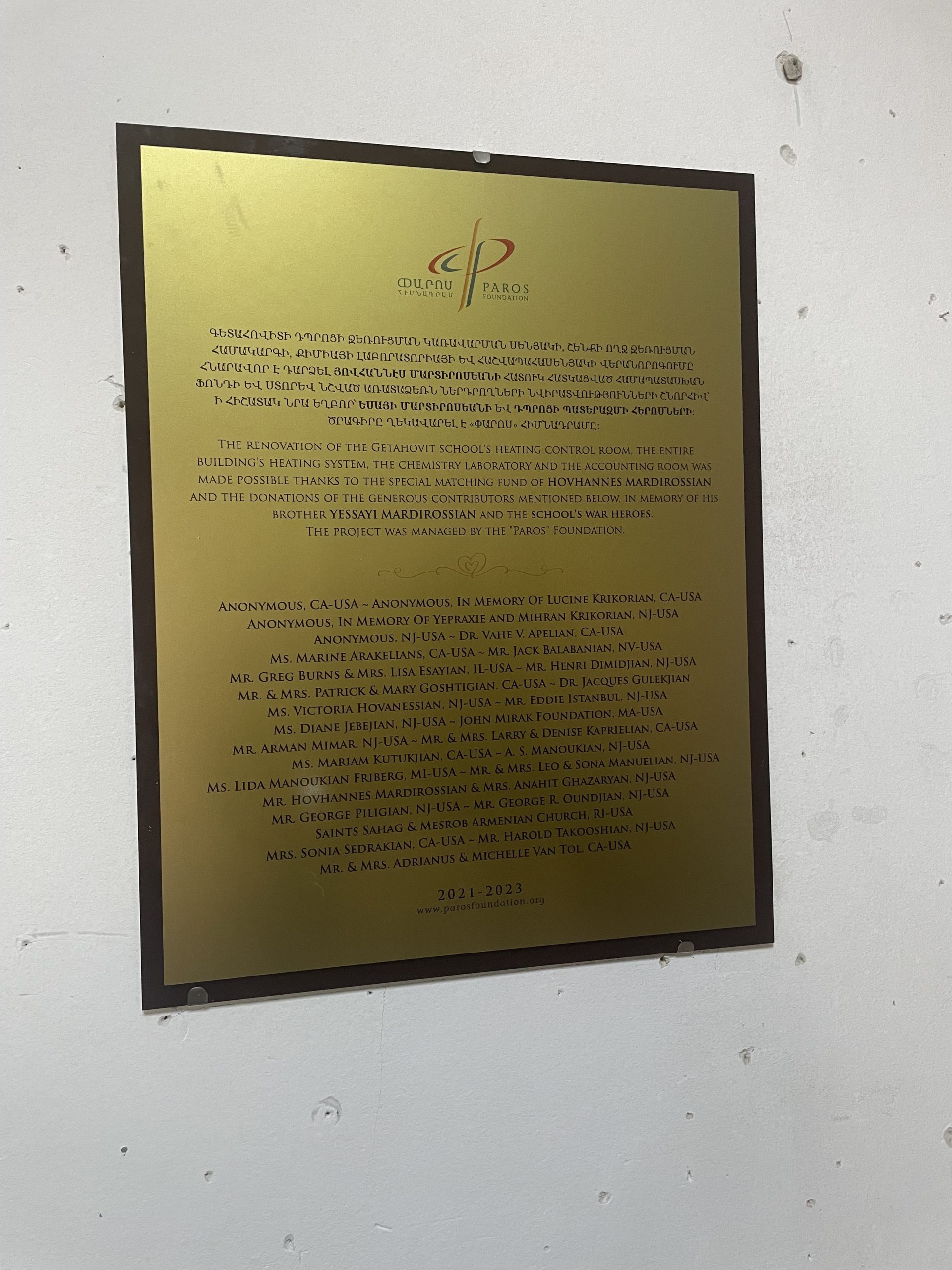
To kick off this important project, Hovhannes Mardirossian and his wife Anahit, whose mother taught at the school for 45 years, have announced a matching challenge grant for phase one renovations. For every dollar raised towards this effort, they will contribute a matching amount up to $25,000 for a total of $50,000 for phase one!
The village school in Getahovit is in very poor overall condition despite the fact that more than 250 children attend. The most immediate need is to replace broken heating system prior to the start of winter.
Short Term Impact
In the short term, the most immediate need is to replace the school’s boilers to provide heat for the school prior to winter. The 250 students will immediately benefit from the new heating system. As the renovations progress, workers’ salaries and material purchases will benefit the local economy.
Long Term Impact
In the longer term, the entire village of Getahovit will benefit from having a school that meets modern safety and comfort standards. The school’s environment will inspire students and staff for years to come.
Sponsors Benefits
Sponsors of this important project will be listed on The Paros Foundation website, in appropriate press, and on a plaque installed at school. Visits to the school can be arranged for donors visiting Armenia.
[vp_give_donor_wall
donors_per_page=12
show_total=false
show_modal=true
form_id=”82699″]
Updates: Images & Information
November 24, 2021
November 24, 2021
November 24, 2021
November 24, 2021
August 11, 2022
September 8, 2022
September 12, 2022
August 2, 2023
October 19, 2023
November 16, 2023
Previous
Next
October 8, 2021
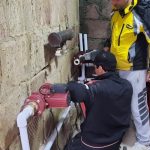
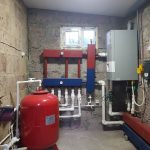
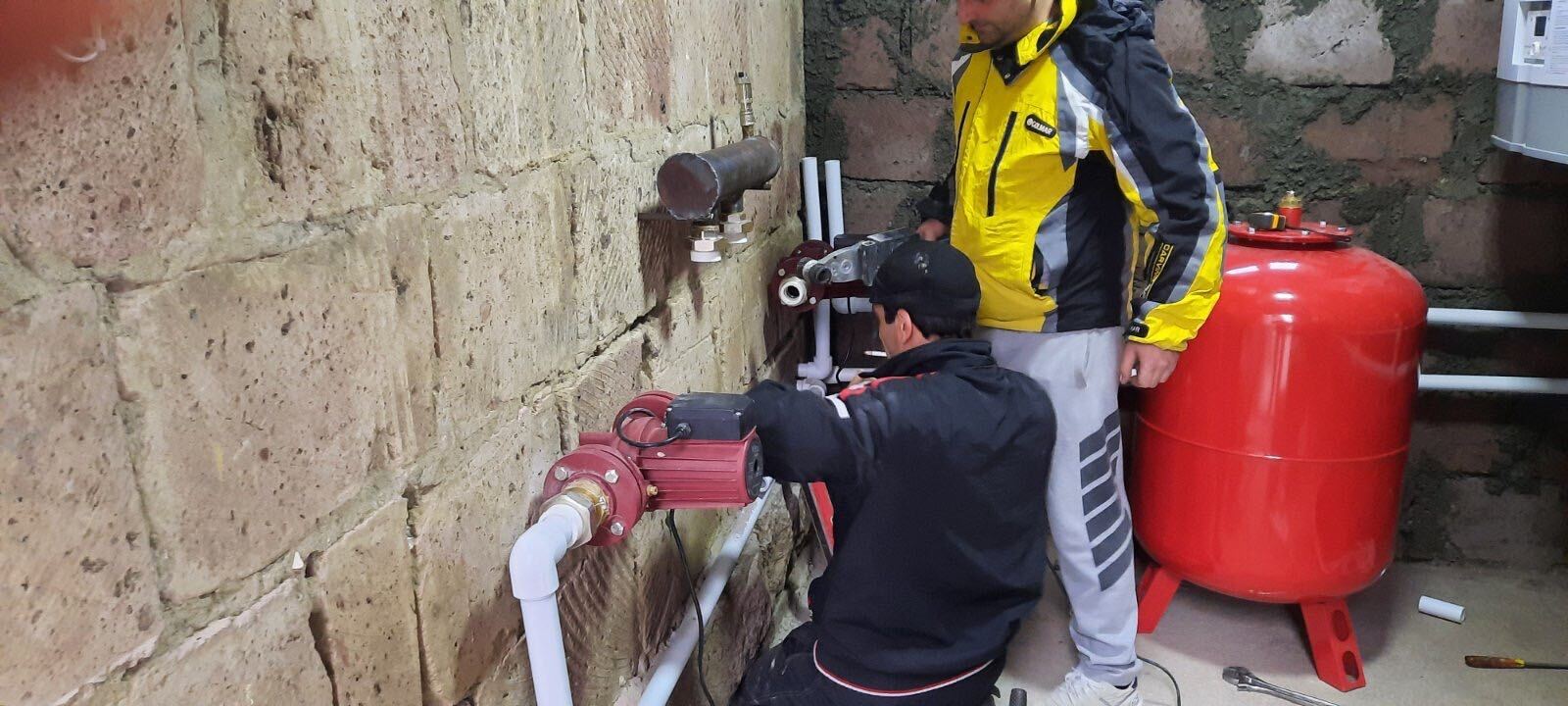
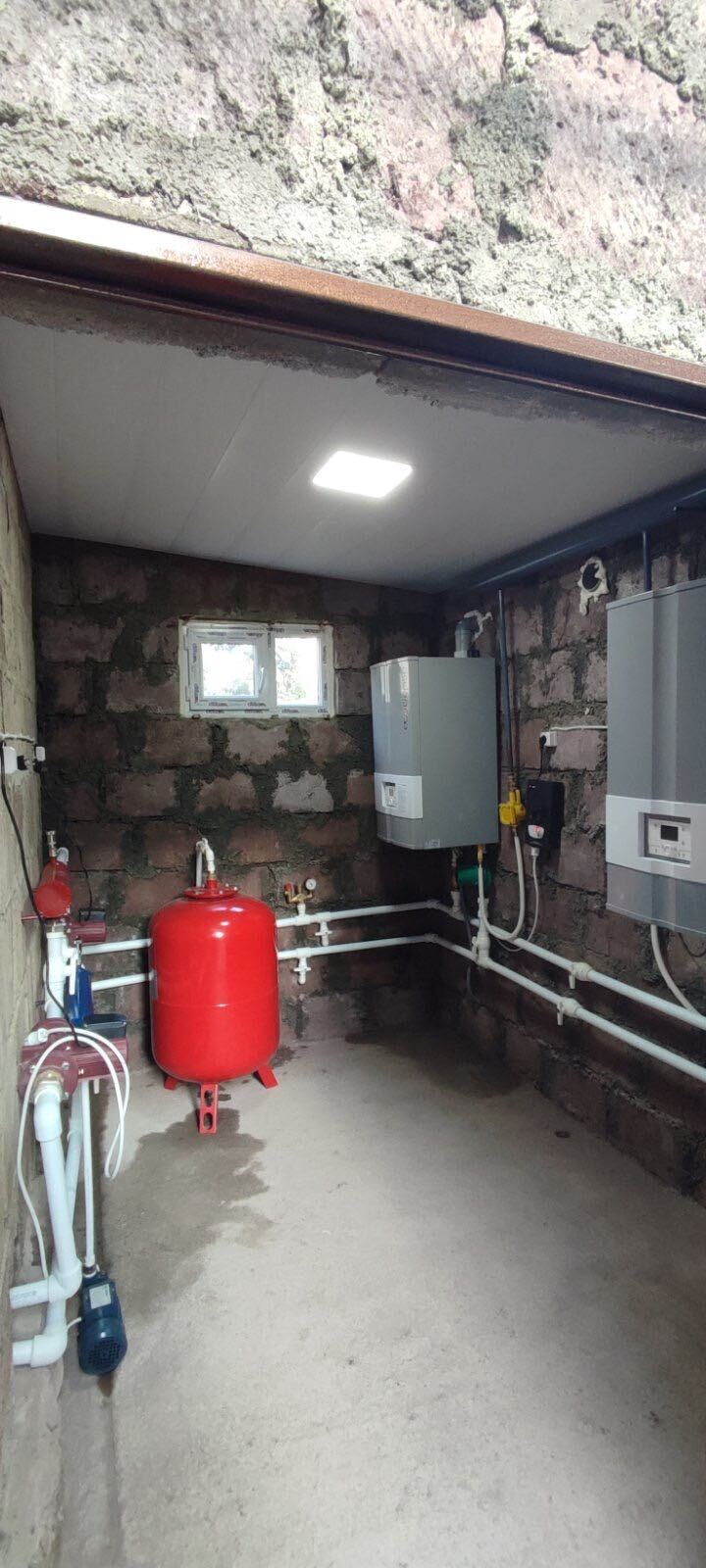
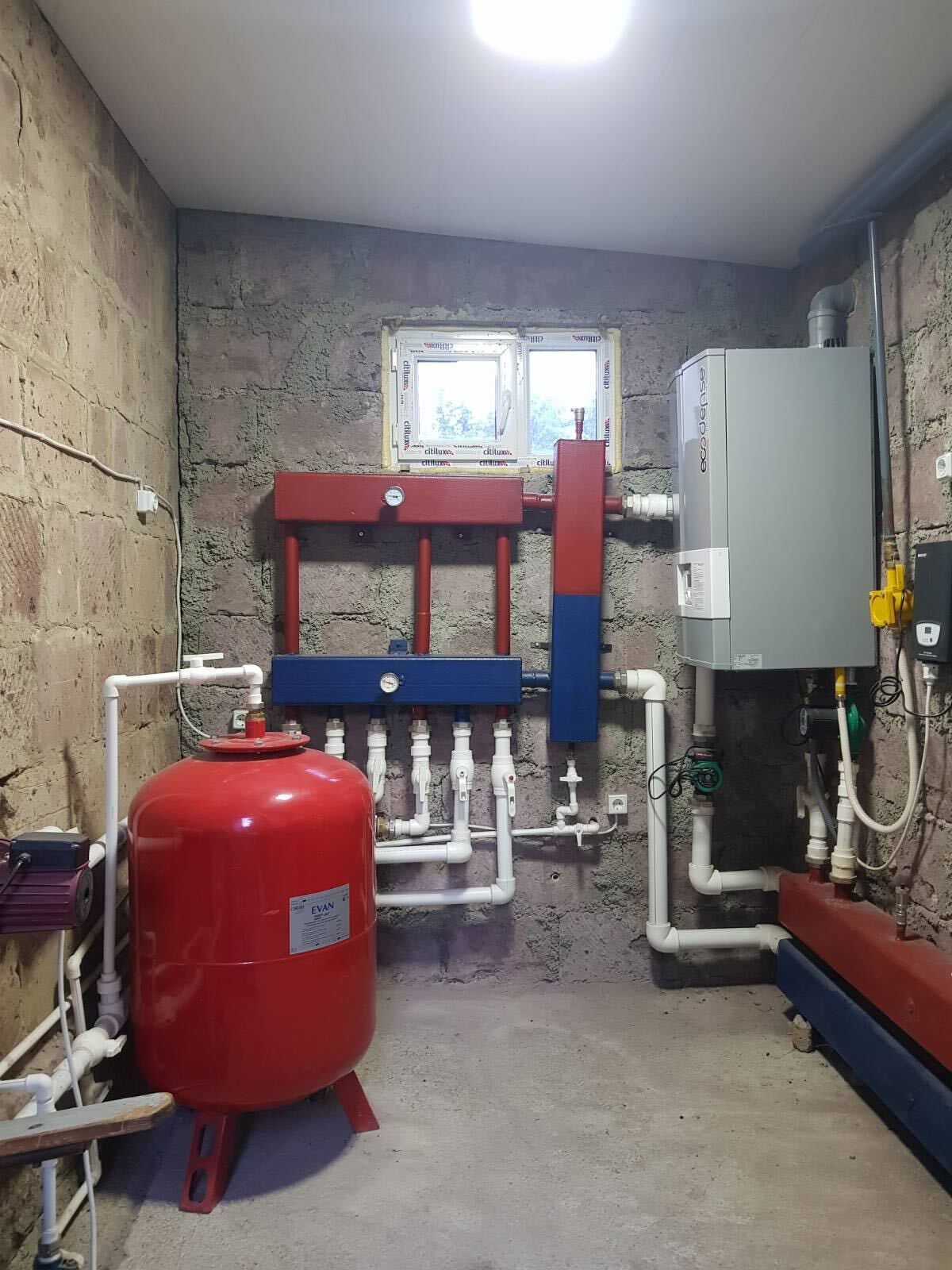
Work began today to build a new boiler room to house the new boilers for the school as the old boilers are no longer working and beyond repair, and winter will be here soon.
November 24, 2021
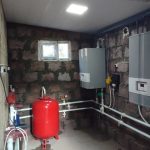
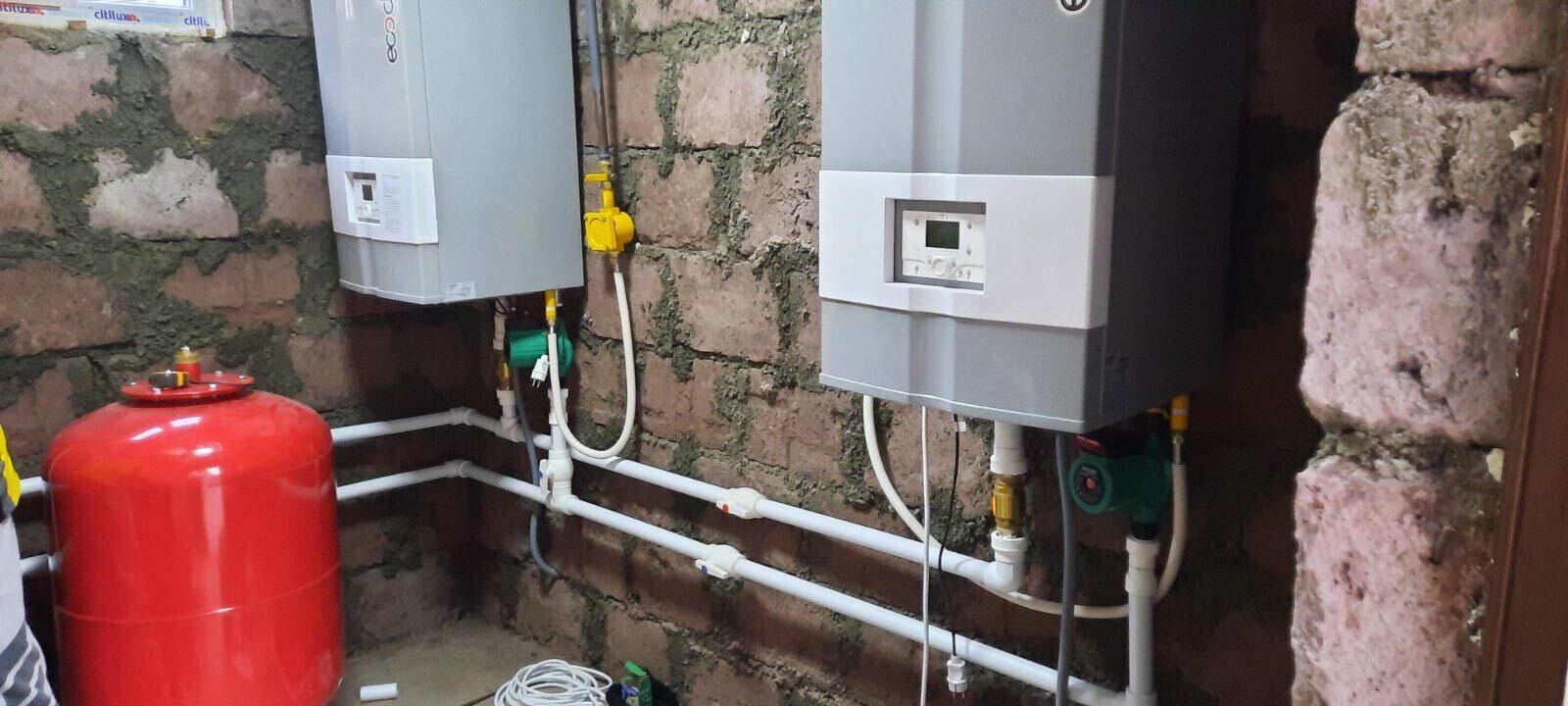
The new boilers have been successfully installed and tested. This will allow the school to be heated. A portion of the school’s radiators were changed as part of this emergency work. The rest of the school’s pipes and radiators will be changed as soon as funding is raised.
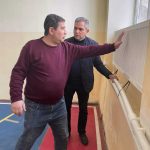
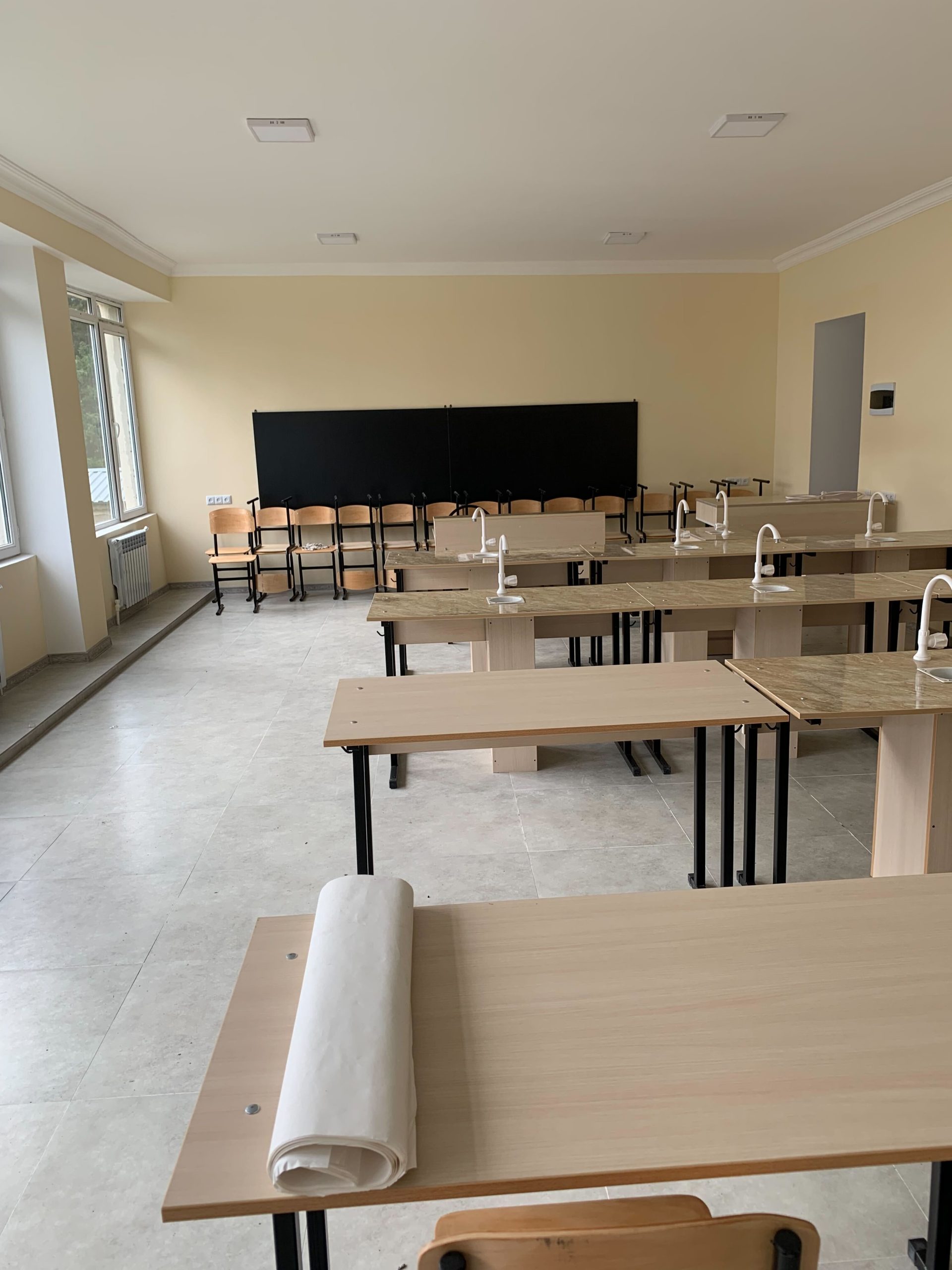
August 11, 2022The rest of the school has now been equipped with new piping and radiators for its heating system. September 8, 2022Work at school is going well with renovations now complete for the Chemistry Lab and the addition of new office space. September 12, 2022
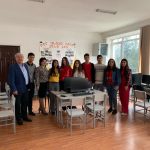
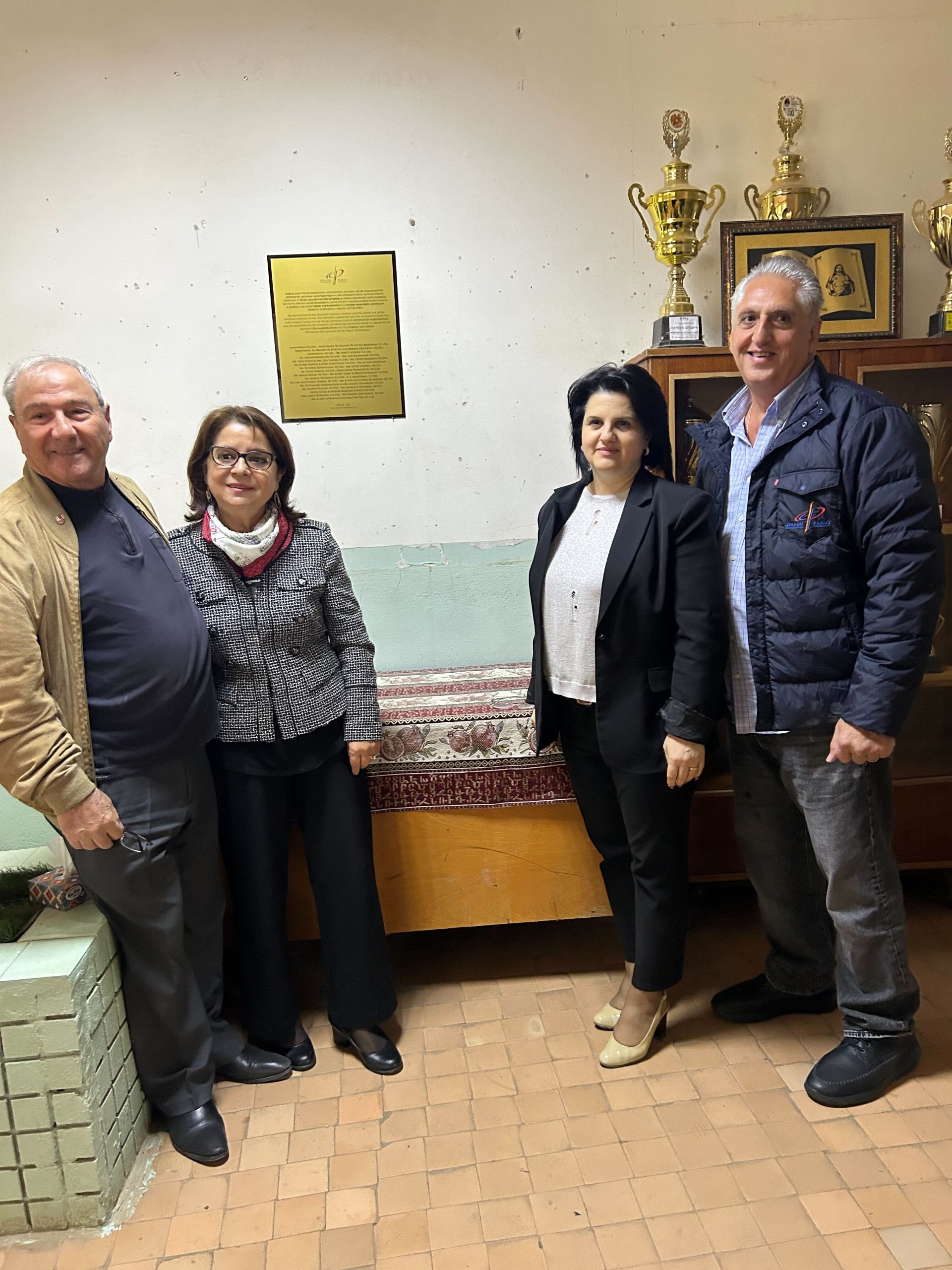
Everyone at the Getahovit School was so excited to welcome Mr. & Mrs. Hovhannes & Anahit Mardirossian who visited the chemistry lab and toured the rest of the school. The work at the school was made possible through the generosity and match provided by the Mardirossians and their family & friends.
August 2, 2023
A 3rd boiler has been added to the school’s heating system to heat the additional wing of the school to keep the children warm during the winter.
October 19, 2023
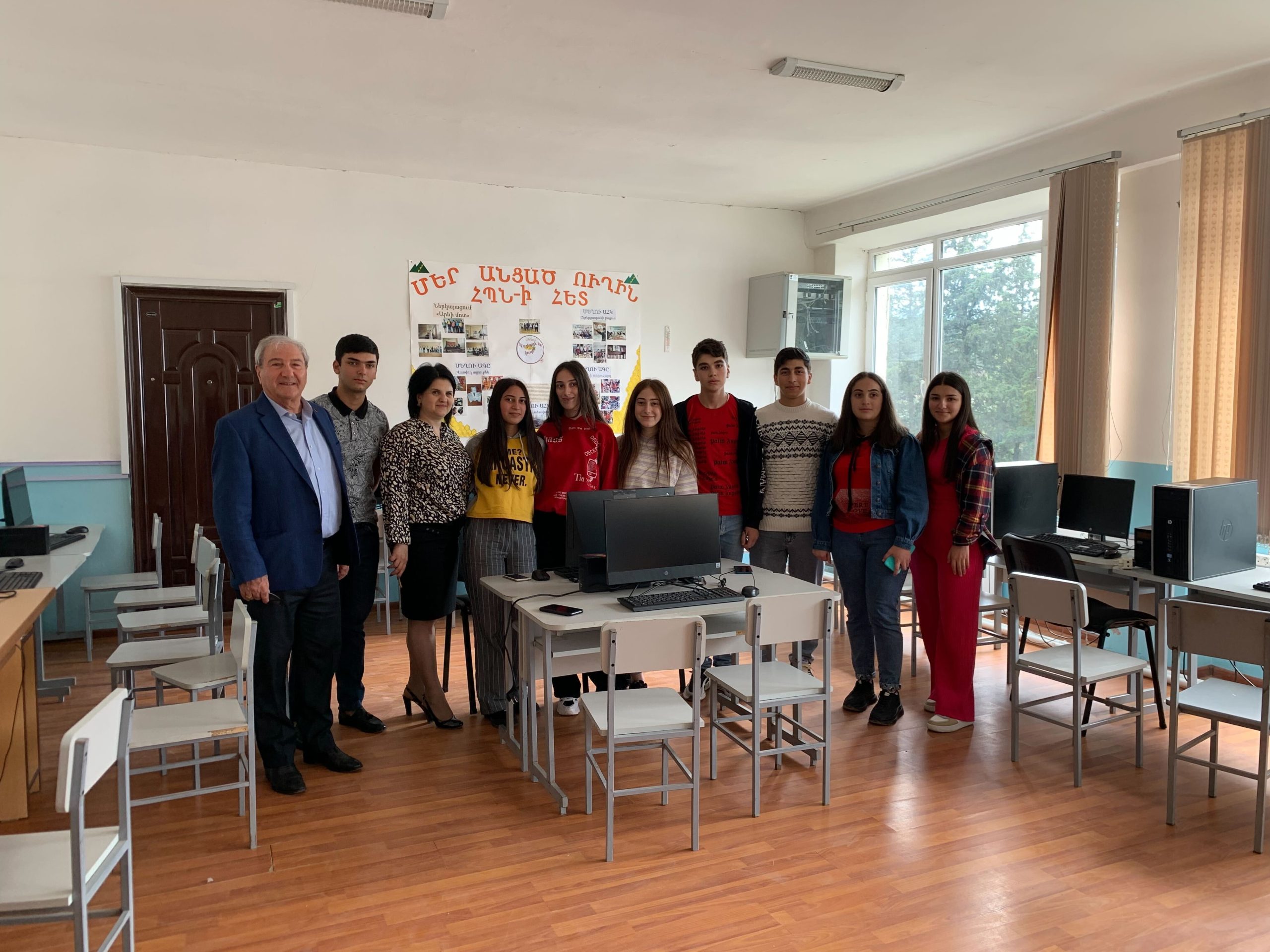
Donors visit the school and see all the great work that has been done. We are grateful for all their support and without them this project would not have been possible.
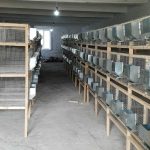
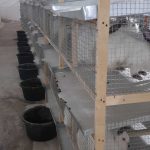
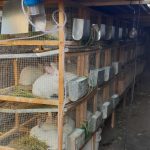
Economic opportunities for rural Armenian communities are scarce. These opportunities along Armenia’s border frontier with Azerbaijan are even more limited. To help address this important issue, The Paros Foundation has launched several initiatives aimed at job creation in rural communities. This includes planting more than 800 fruit-bearing trees, establishing a large scale rabbit farm, fertilizer production, small animal feed production and honey production. These economic development opportunities are all administered under the auspices of the Aygepar Business Incubator, which provides rent-free space, sanitary conditions and marketing and technical expertise to local businesses.
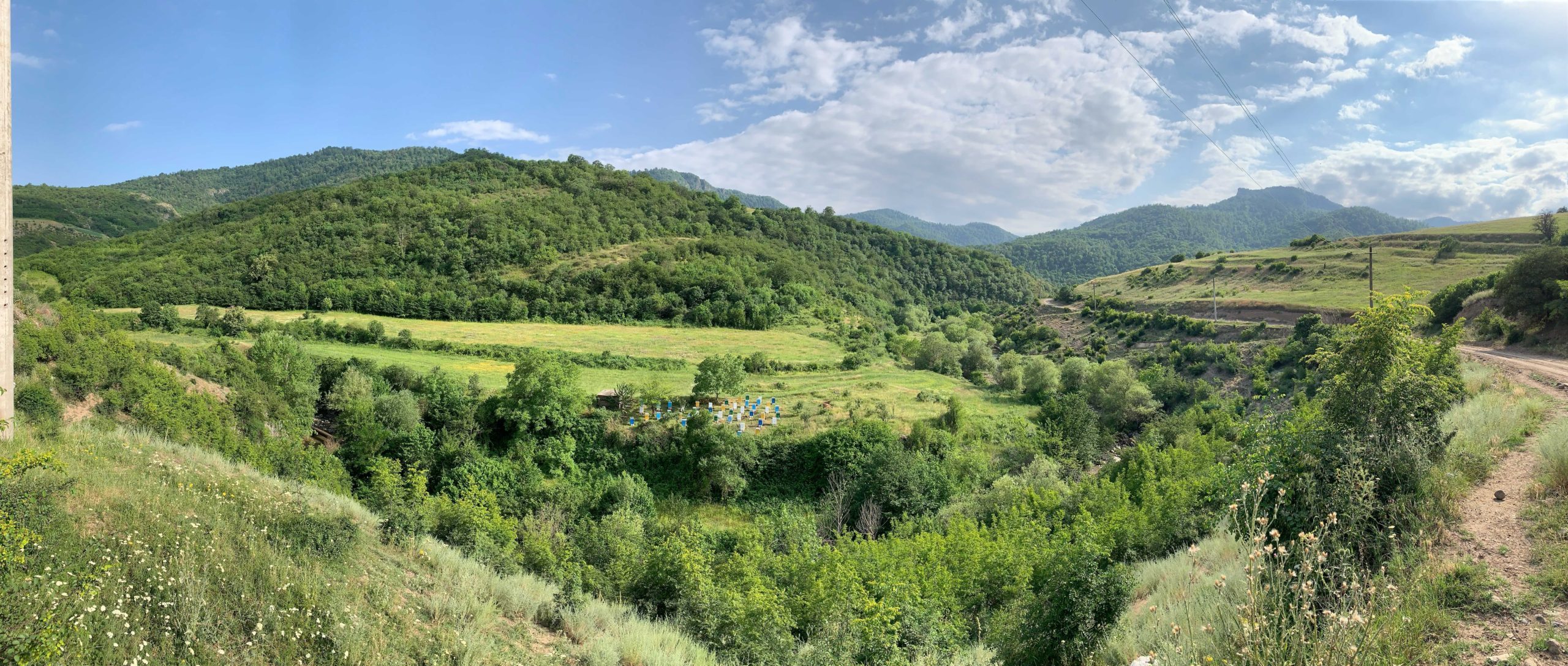
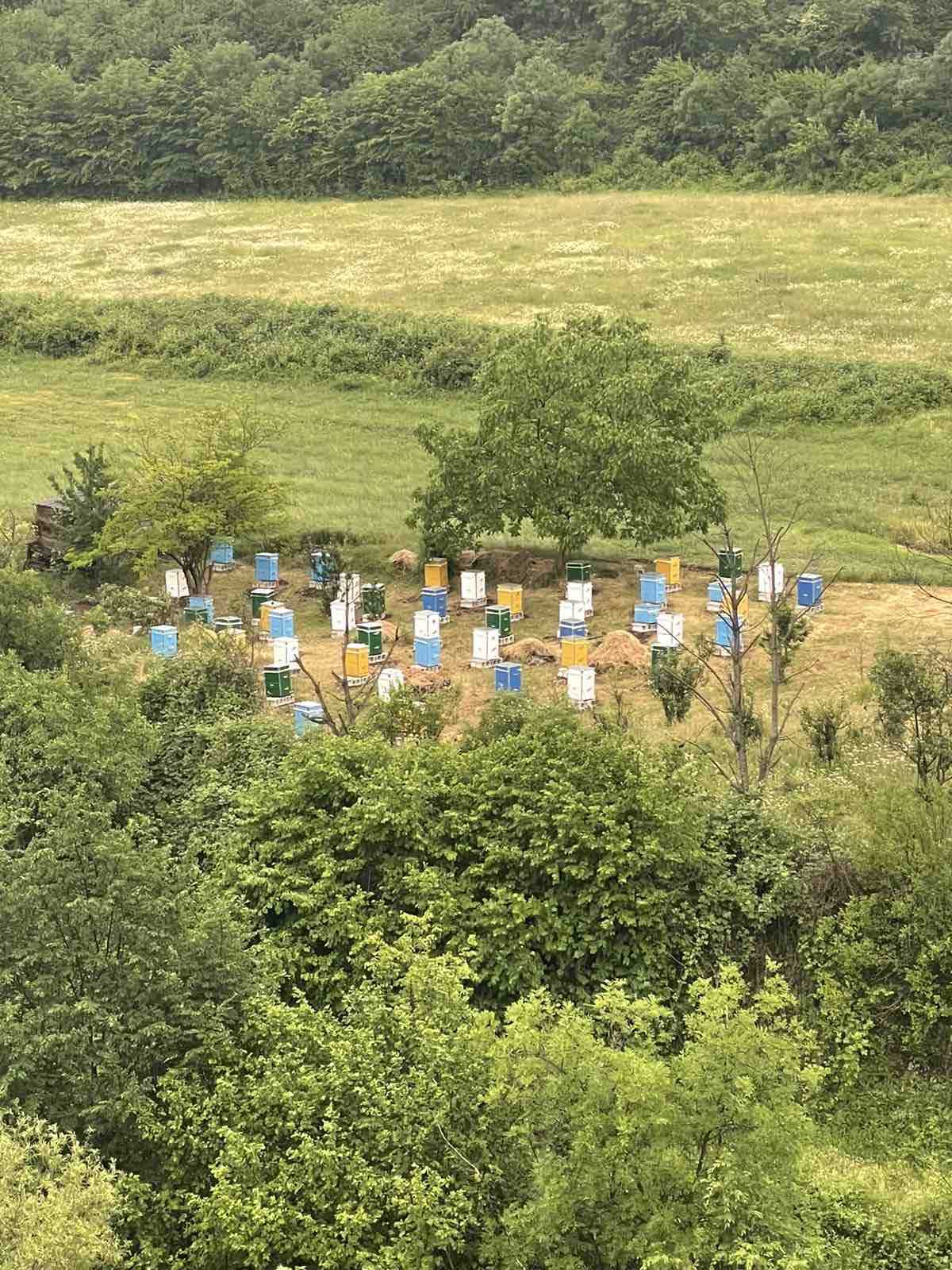
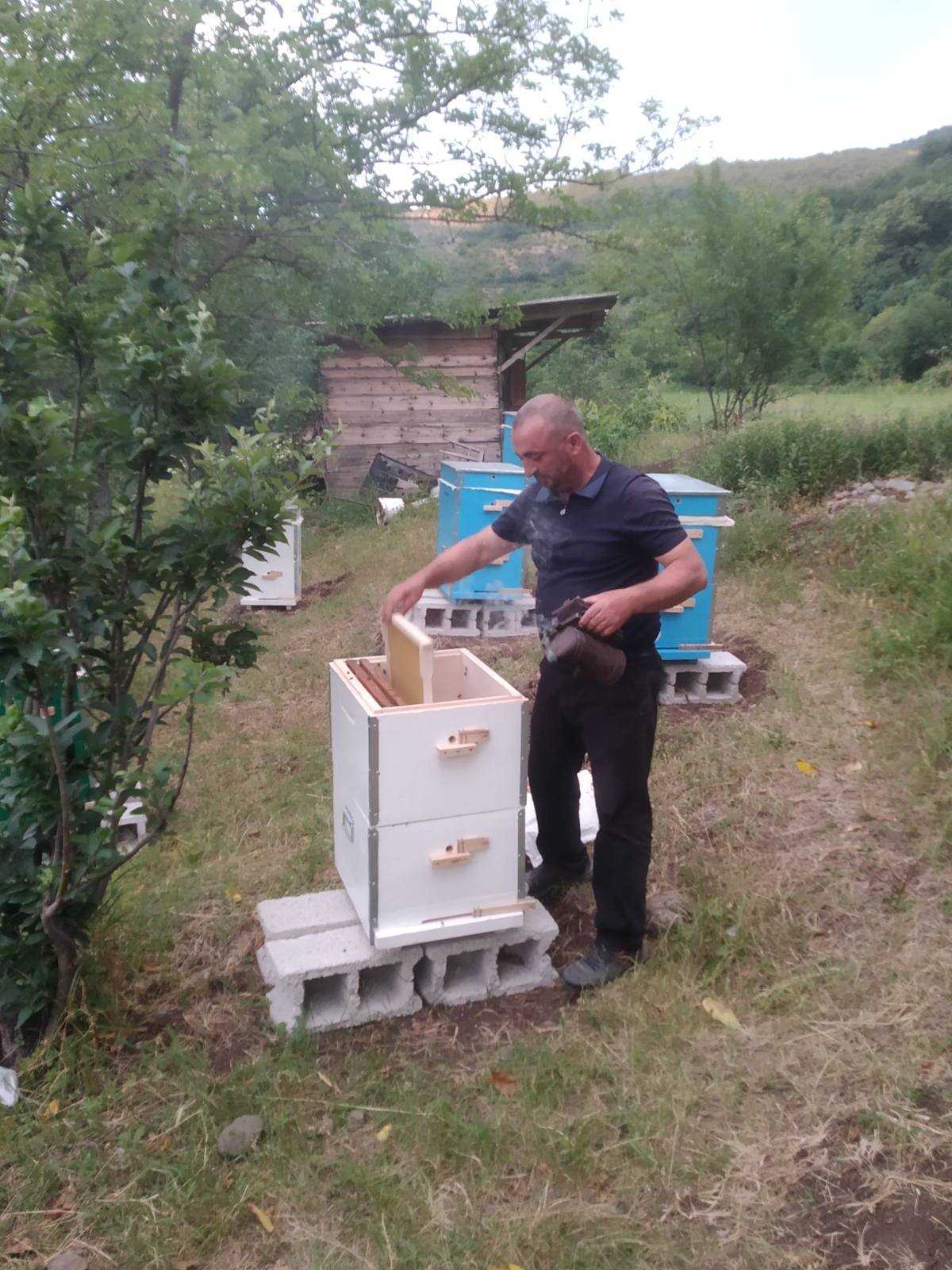
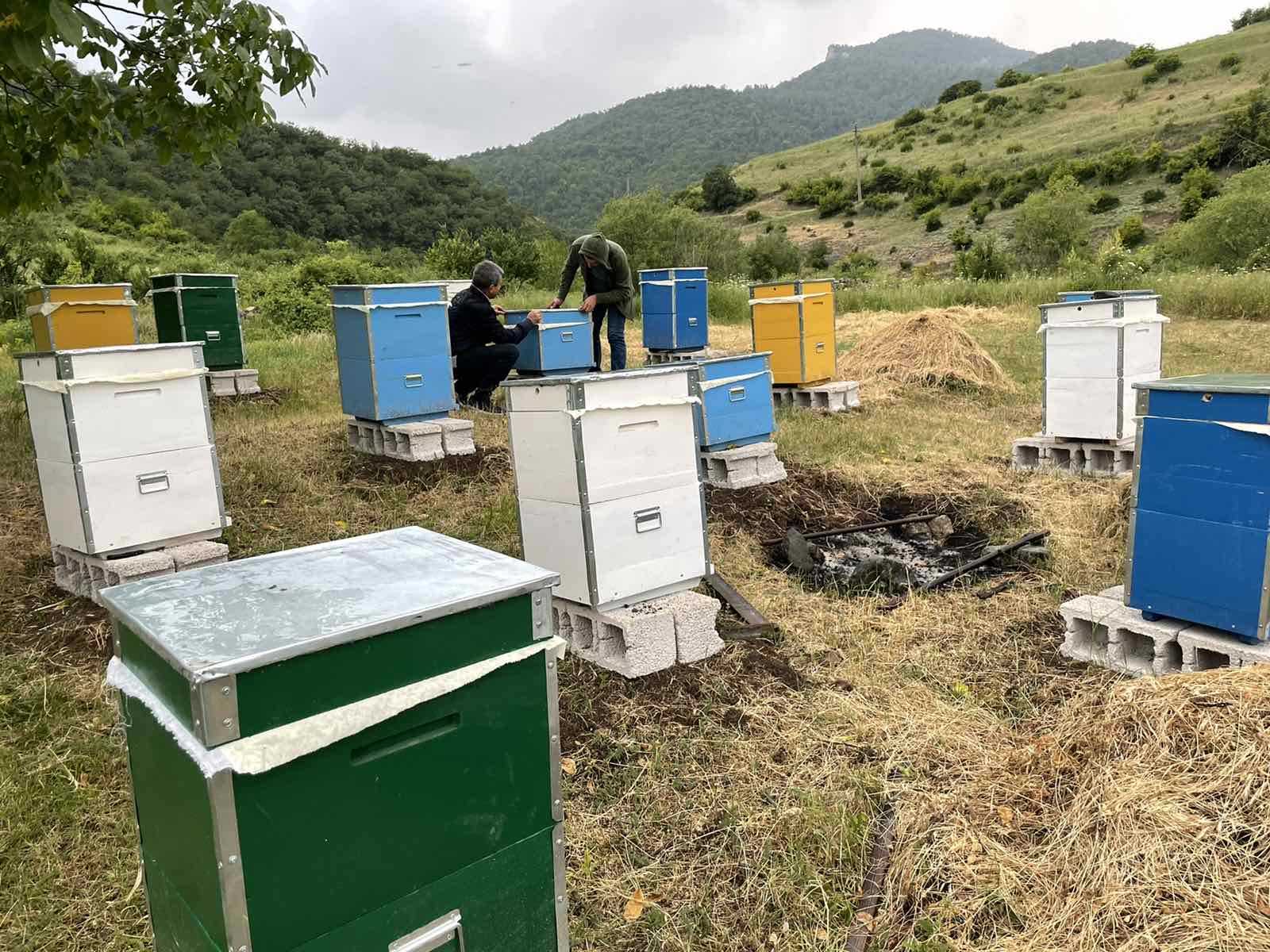
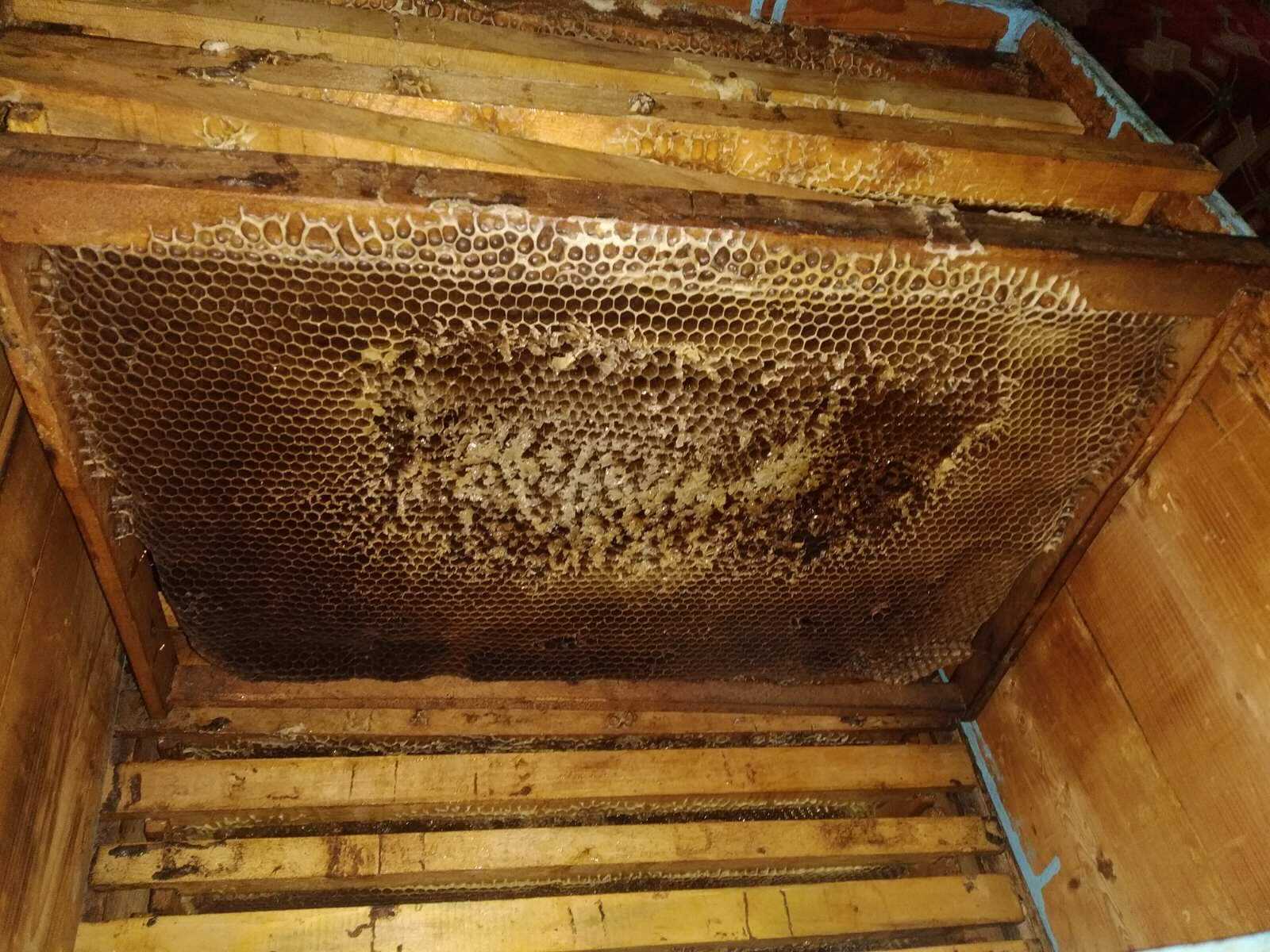
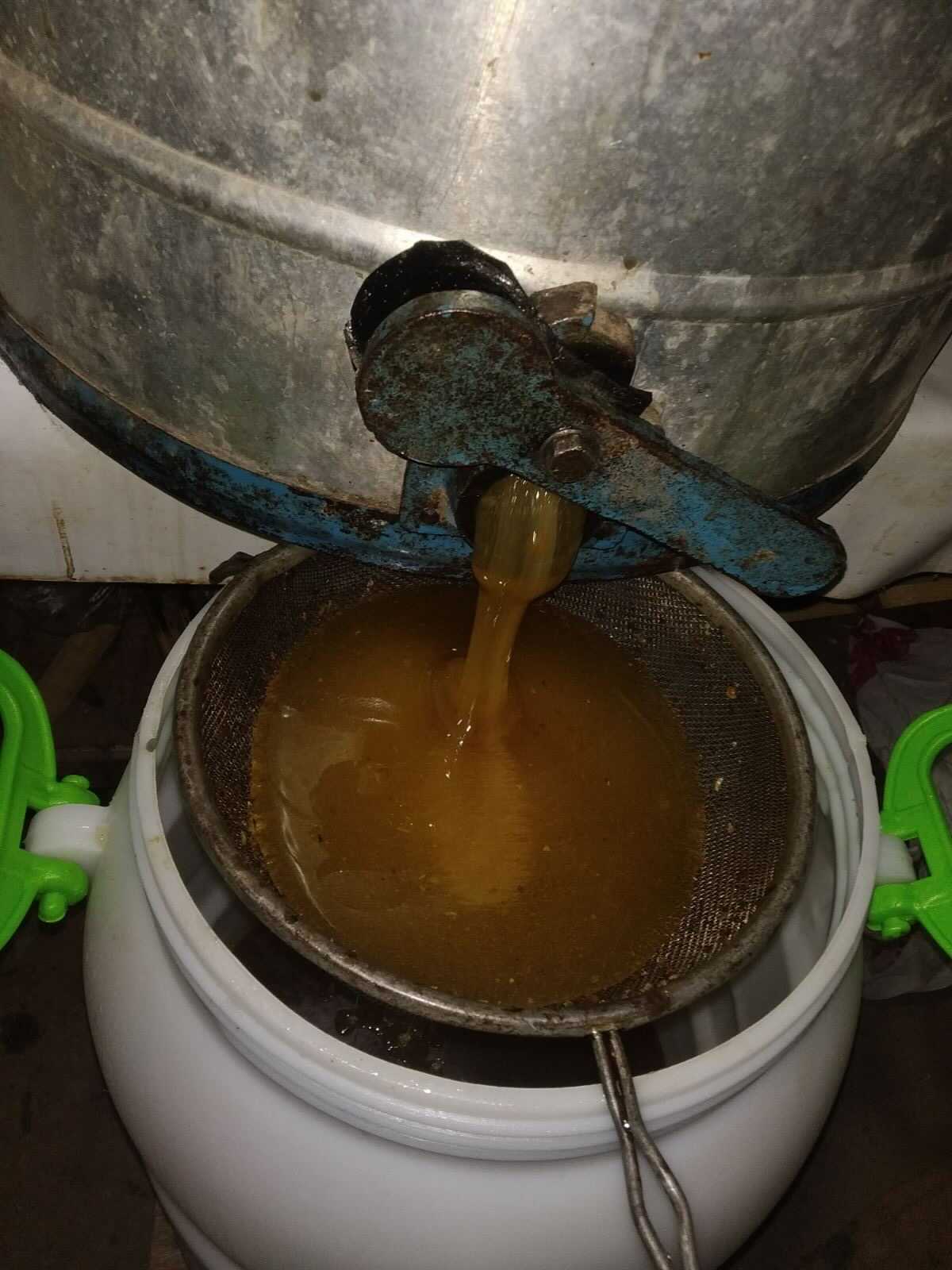
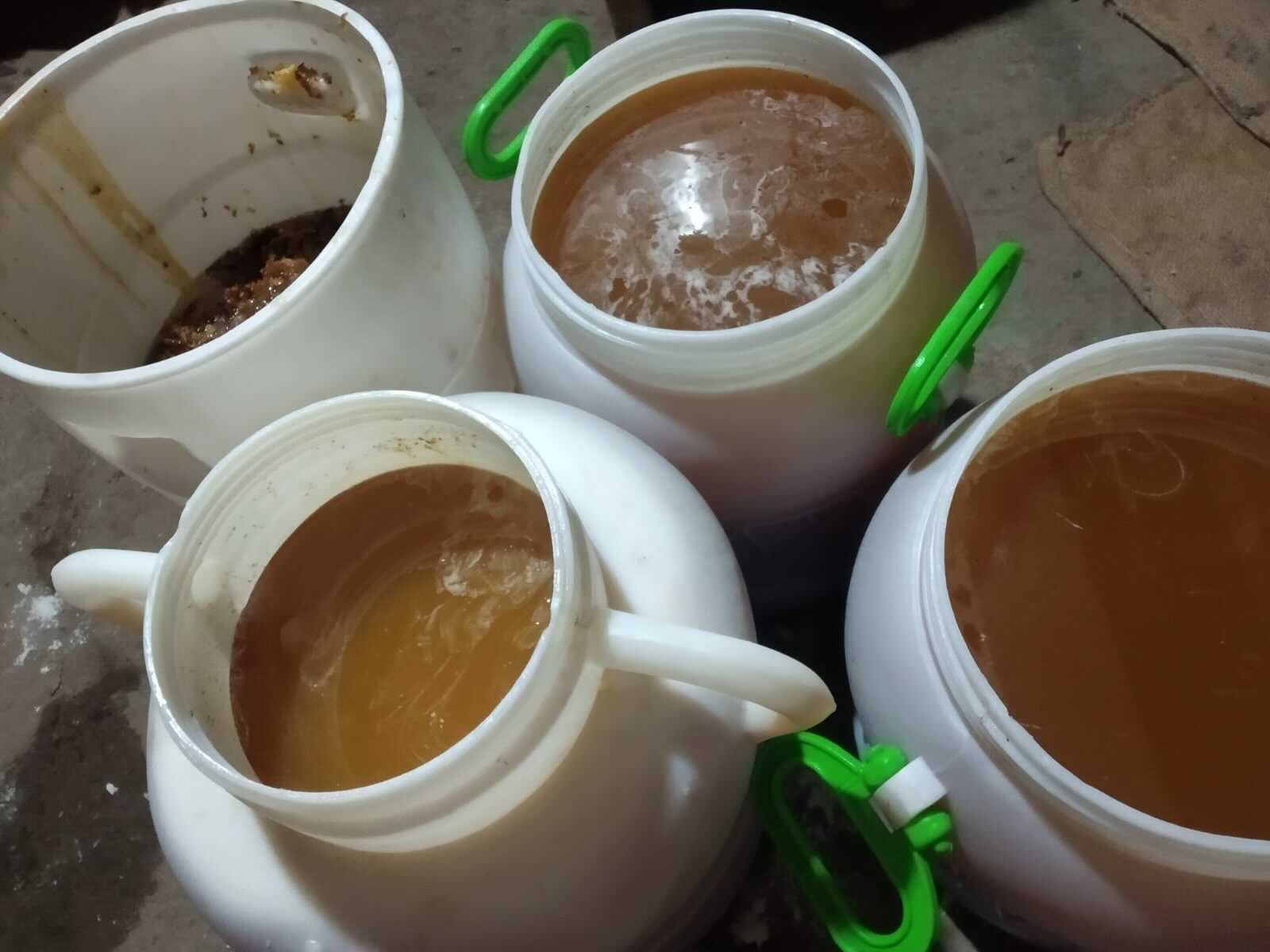
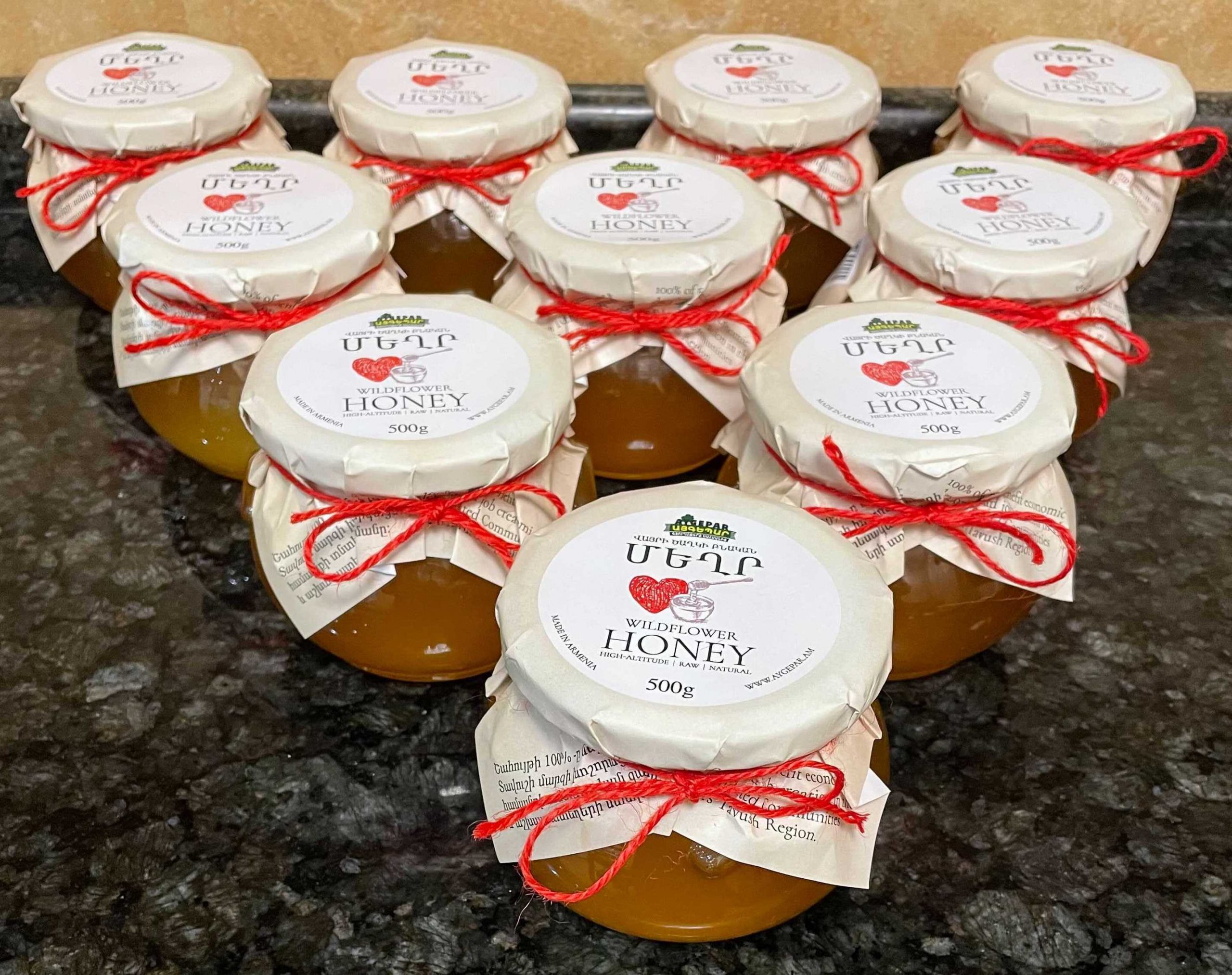
The Paros Foundation has launched a high quality honey production just outside of the village of Verin Tsakhavan in the Berd area of Armenia’s Tavush Region with 50 bee hives. The immediate goal is to grow this production to 200 bee hives over the next two years to create commercially viable quantities of high-altitude, raw honey. This will lead to expanded job creation and opportunities in the market place as all components of this important project are manufactured locally in the Armenian market including hives, bee families, wax starter sheets and concrete block stands. Even the glass jars for sale are manufactured in Armenia!
One complete hive and bee colony costs $250. New hives and colonies will be added to expand the total number in the spring. Individuals that sponsor a complete hive will receive one jar of honey from this year’s harvest, a certificate indicating what number hive was established with their support and the opportunity to personalize their honey jar. Please follow this link to personalize your jar of honey: https://forms.gle/Wv1ejDr8QL4yVo3PA
To help combat limited economic opportunities in the Tavush Region’s border communities, The Paros Foundation is working to create job opportunities and collective marketing opportunities via its Aygepar Business Incubator. Expanding honey production will not only create new jobs, but encourage other local residents to expand their beehives as new markets will benefit the entire area.
Short Term Impact
In the short term, an immediate economic impact will be felt through the purchase and expansion of 50 to 75 beehives in the spring. This will effect the hive producers, bee colony farmers, block producers and create addition jobs for bee keepers.
Long Term Impact
In the long term, expanded honey production will create commercially viable quantities of honey both for local consumption and export. Once export markets are established, other local honey producers will have opportunities to export their harvests as well.
Sponsors Benefits
Sponsors that donate at least $250 to “sponsor a hive” will receive a jar of honey from the 2021 harvest along with a certificate noting which hive is sponsored in their name. In addition, all sponsors are listed on The Paros Foundation website. Visits to Tavush and the honey field can be arranged for sponsors visiting Armenia.
[vp_give_donor_wall
donors_per_page=12
show_total=false
show_modal=true
form_id=”82685″]
Updates: Images & Information
August 4, 2021
August 4, 2021
August 4, 2021
November 18, 2021
Previous
Next
August 4, 2021
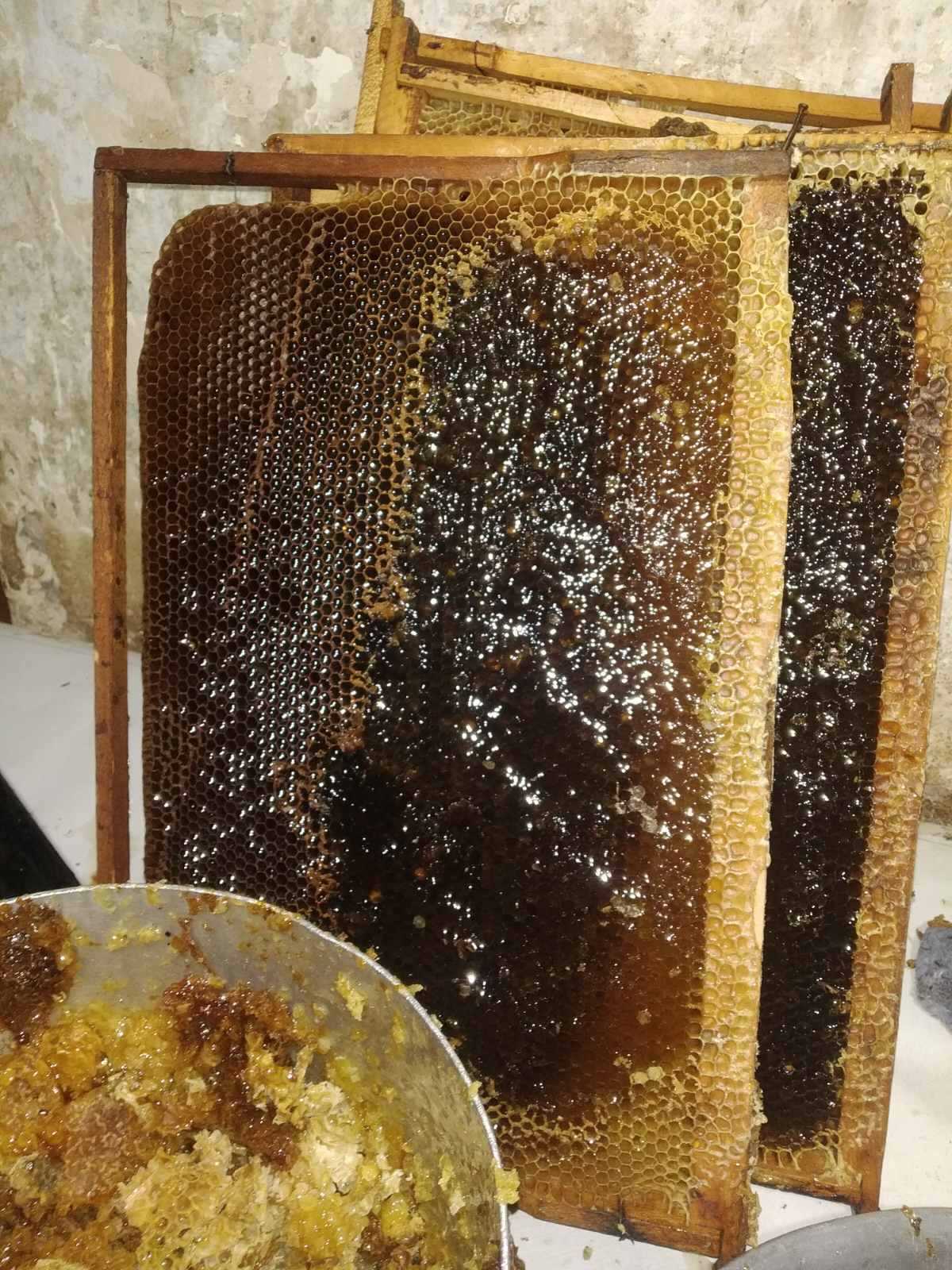
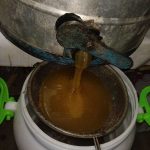
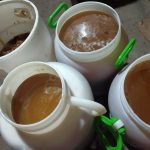
Our first year honey harvest has begun! As plans to expand the number of hives continues, more and more jobs will be created for both beekeepers, hive manufacturers and those people involved in packaging the honey.
November 18, 2021
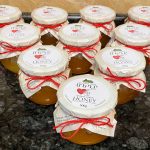
Our honey is packaged and ready for sale in Armenia. Sponsors of hives are receiving their honey this week!
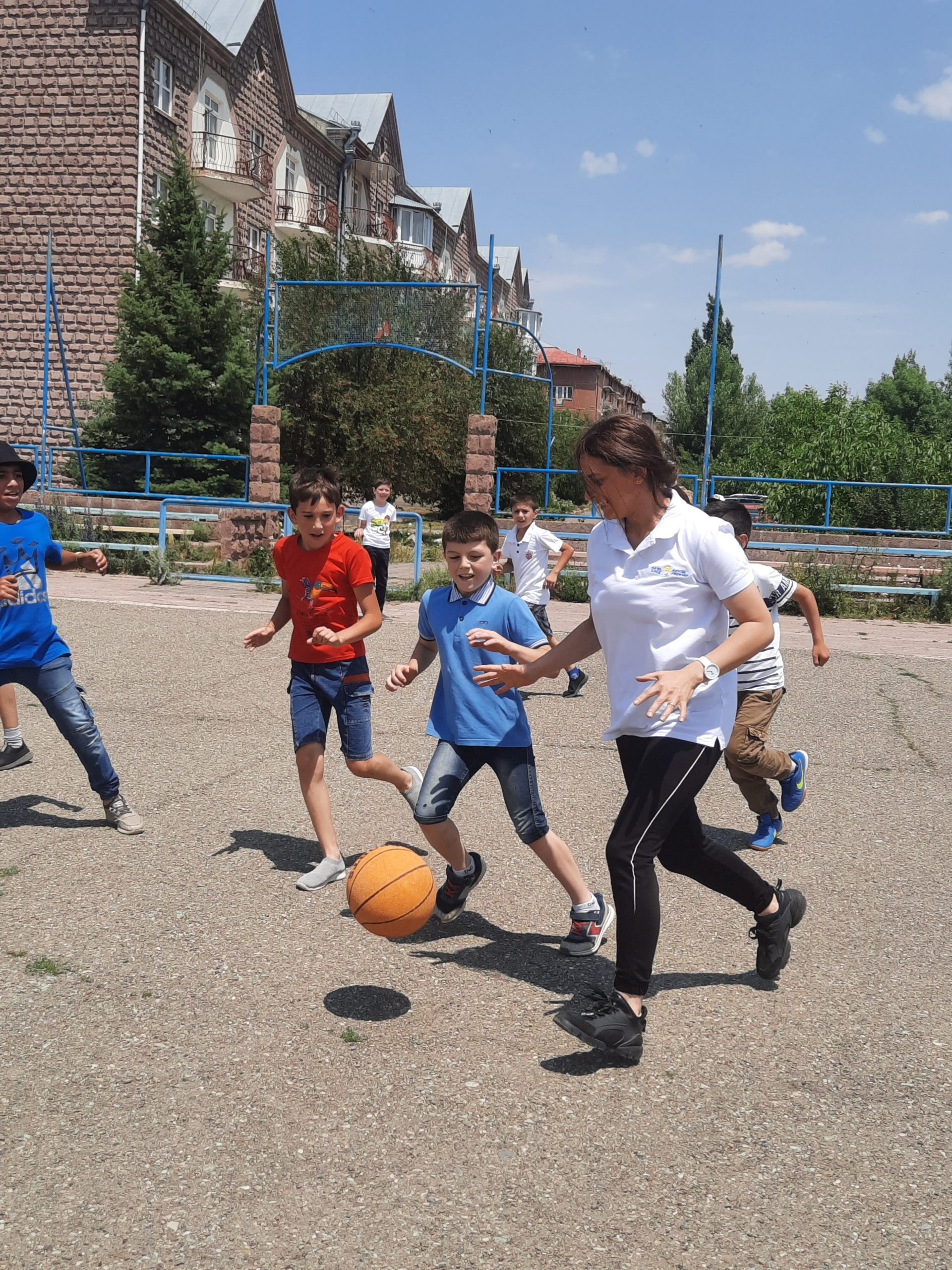
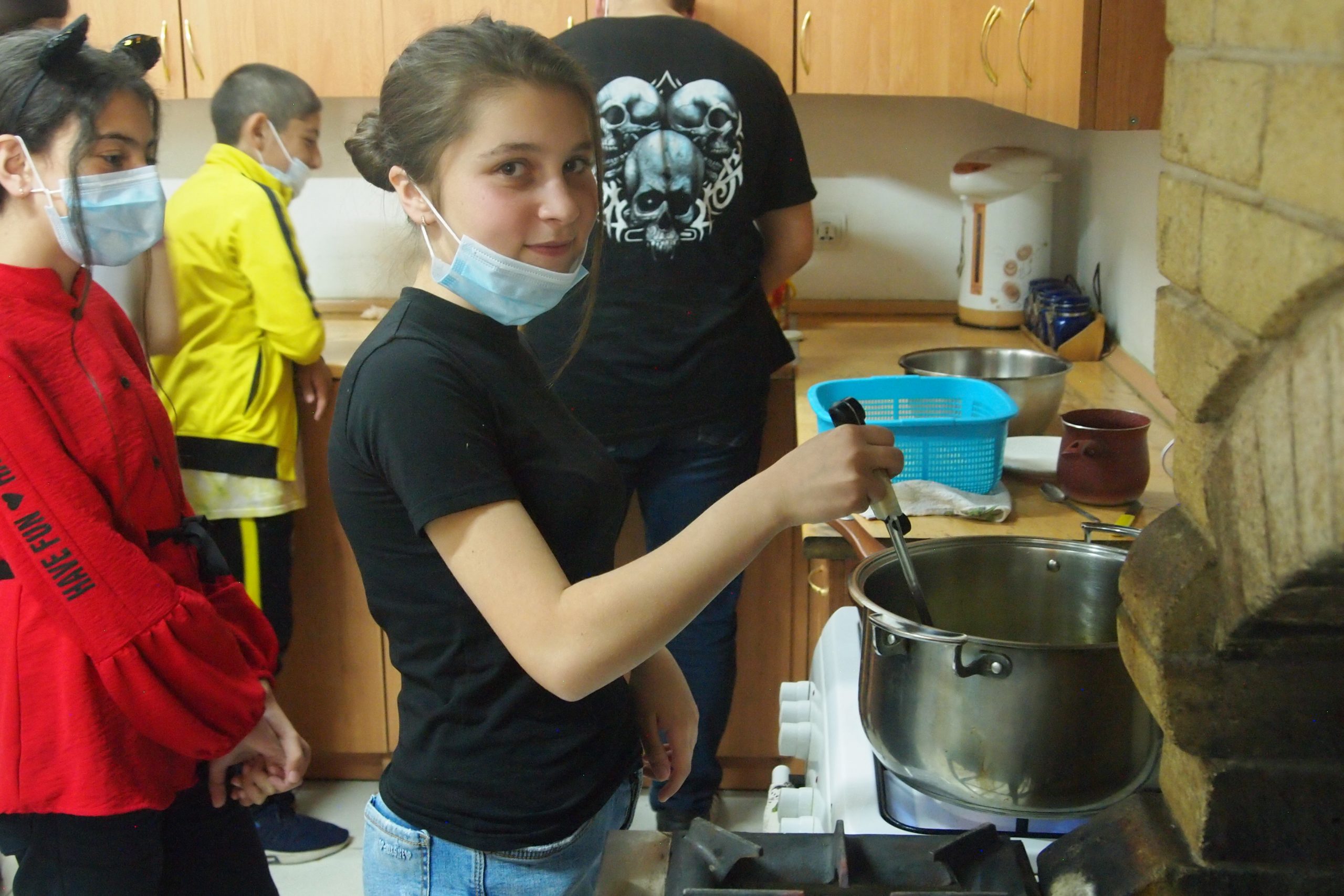
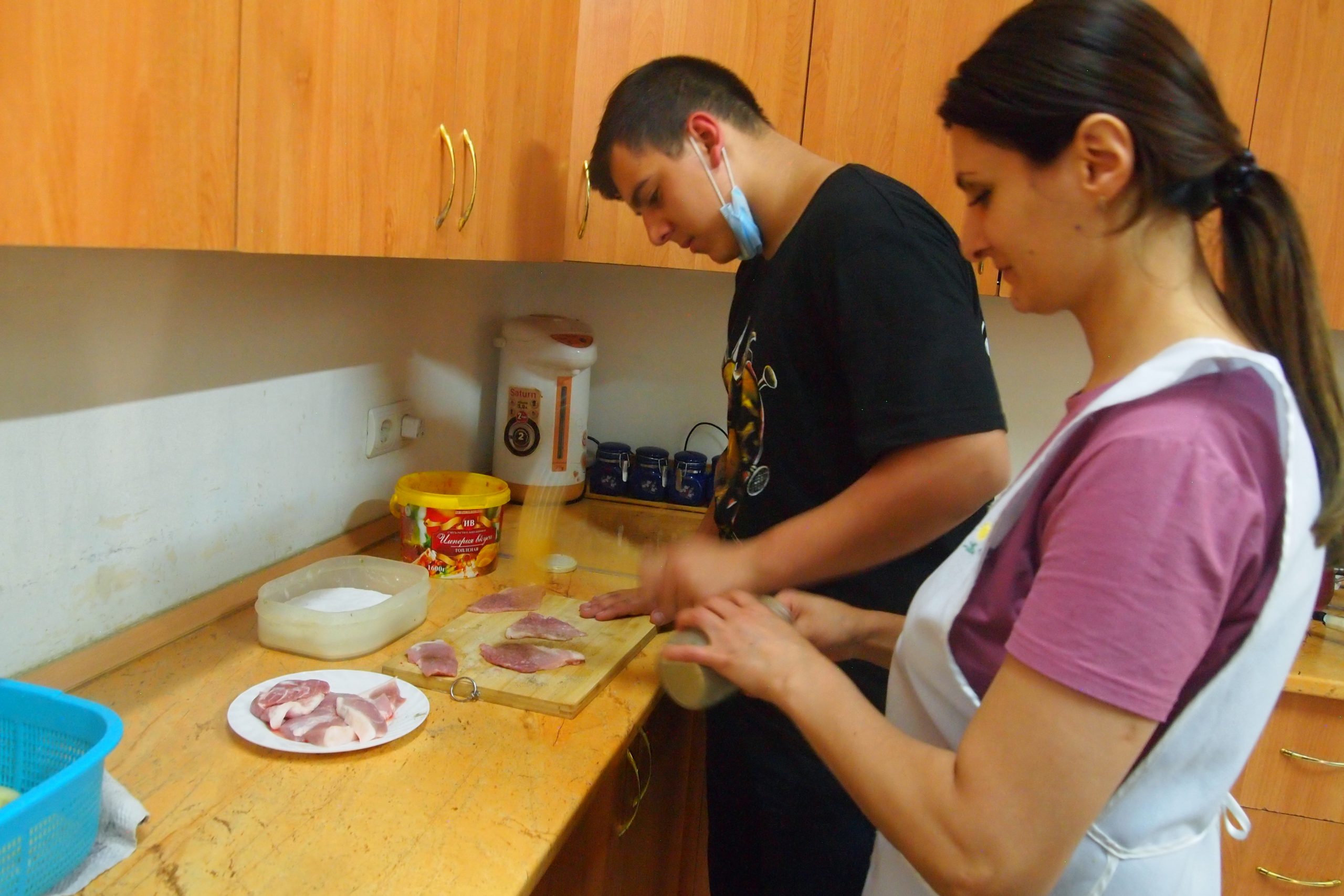
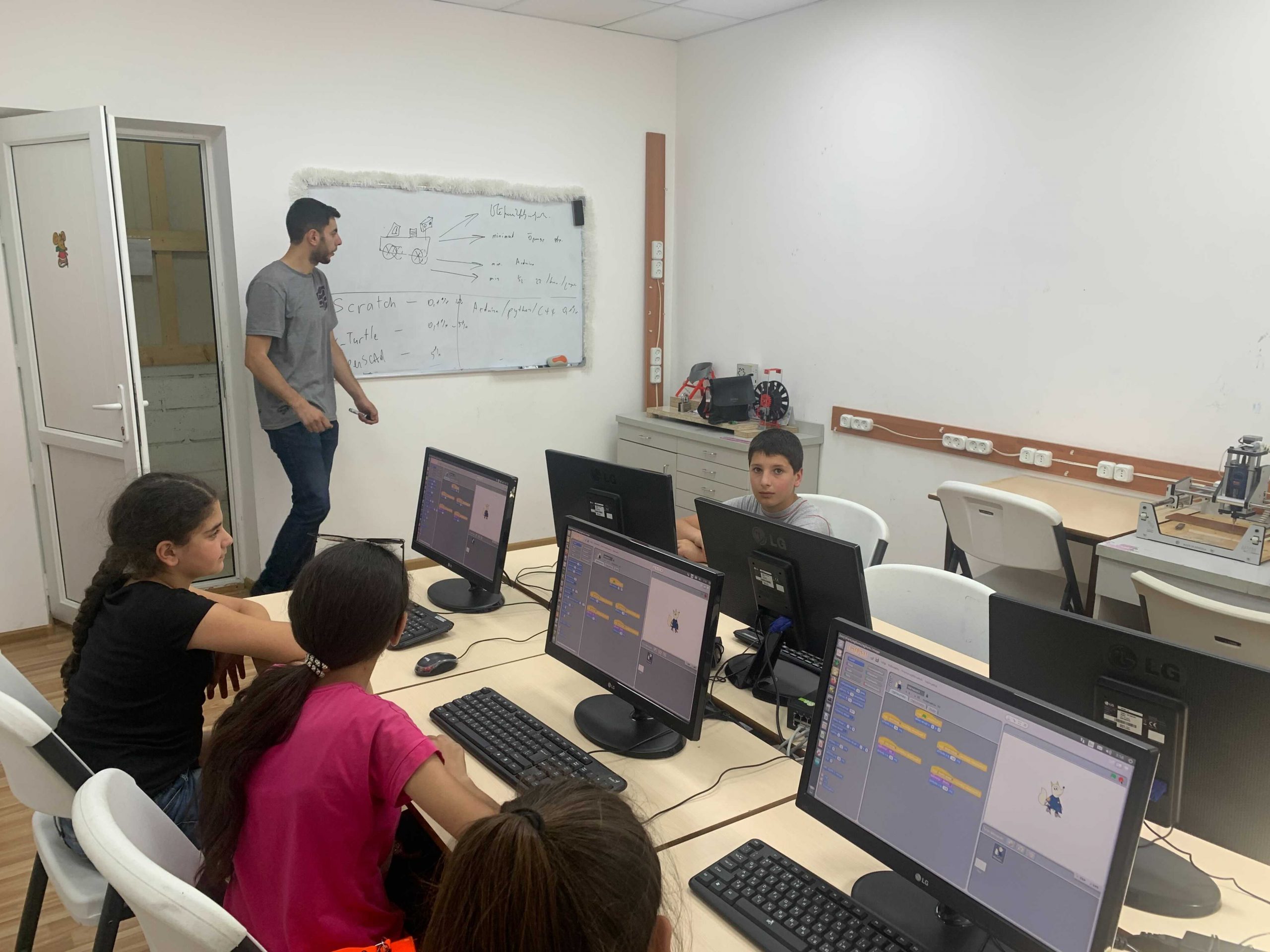
The Paros Foundation launched the Debi Arach Children’s Center in Gyumri, Armenia on April 15, 2015 with the help of generous donors. The center, which provides 180 children each week the necessary academic, psychological, social and humanitarian support, has since been a source of positivity in this city. The residents of Gyumri, Armenia’s second largest city have endured very devastating realities since the tragic 1988 Spitak Earthquake. More than 100,000 residents were left homeless, and plagued with unemployment and rampant poverty for years to come. In turn, the fate of children in Gyumri has also been affected. Dealing with the difficulty of finding means to feed and care for their families, many parents are unable to provide their children with the proper guidance, supervision, educational aid and the financial resources for them to excel in school and have successful futures. The Debi Arach Children’s Center, which in Armenian means “moving forward,” helps these socially vulnerable children through a holistic approach providing them with both humanitarian and educational support. The center provides counseling and group therapy with a psychologist on staff, homework help and tutoring for almost every subject the children learn in school including English, Math, Art/Design, and Computer classes. Additionally, they are served a nutritious meal everyday, helping them receive the calories and/or nutrients they would otherwise not have. Furthermore, the Center addresses a very important hygienic need by providing the children in attendance with supervised bathing facilities. The goal is to help hundreds of children develop a vision for a successful future, and to give them the skills they need to reach these goals. This project is impacting the lives of hundreds of socially vulnerable children by helping them gain the guidance and support they need in order to create greater future opportunities, and become successful individuals and good citizens.
To date, the center has already had several important successes. At least nine children have been taken out of boarding schools, attend our center and now live back at home with their families. Many of the children who were receiving poor grades in school are now achieving top scores. The children have become socially well adjusted and much more healthier than before with the continued consumption of multi-vitamins and a daily well-balanced meal. Staff trainings have begun with an academic counsel of professionals from the United States and Armenia to ensure that the children are receiving the best care, treatment and methods for their development.
The center is working on funding year five and raising additional funds in order to develop and add to the programs and classes offered with the ability to hire more educators, and get more supplies, and equipment. Funds will also be used to supplement daily activities, hold forums for guest speakers and provide educational and career planning opportunities. $80,000 is needed to cover operating costs for the Center. In January of 2017, Debi Arach successfully launched its first program within its Vocational Training Center, teaching children computer programming, 3d printing and robotics curriculum. The goal of this newest component is to provide these children with marketable job skills in order to help them work themselves out of poverty. In 2019, with the long term commitment by Dr. & Mrs. Gary and Linda Assarian (MI) the vocational training program was renamed the Assarian Vocational Training Program.
https://www.youtube.com/watch?v=idA8y2UEDp8
Region
Shirak / Շիրակ
City / Village
Gyumri / Գյումրի
Start Date
April 2021
End Date
March 2022
The Need
Thousands of children in Gyumri are living in extreme poverty, with no hope for a decent future. These socially vulnerable children are in need of a safe and enriching environment where they can receive additional guidance through social, psychological and academic support giving them a chance to break their cycle of poverty. The children’s center will continue to provide these children with the opportunity to attend afterschool and summer school programs providing them with the additional skills necessary for a successful future. Additionally, these children suffer from malnutrition and related illnesses due to a lack of well-balanced meals. The center will continue to provide each child with a nutritious meal everyday, helping them receive the calories and/or nutrients they need. Furthermore, many families were forced to take refuge in overseas shipping containers (domiks), or in condemned buildings after the devastating 1988 Spitak Earthquake or due to their poor socioeconomic status. An entire generation of children has grown up in deplorable conditions, often times with no running water and little or no heat to take showers. The Center will address this very important hygienic need by continuing to provide the children in attendance with supervised new bathing facilities.
Short Term Impact
The short-term 180 children will receive immediate support and guidance to help them succeed for the second year. The Center will continue offer nutritious meals, bathing facilities, counseling opportunities, homework aid and tutoring and core classes including English, Computer, Art/Design, and Math.
Long Term Impact
In the long term, with the success of the Center’s current offerings, additional classes and programs will be added and attendance will rise. The number of children growing up in poverty in the future will decrease as the number of children successfully graduating from our program and continuing onto college or successful vocations increases. The number of “social orphans” and children temporarily residing in boarding schools in Gyumri will be reduced as parents become increasingly able to keep their children at home given the humanitarian support they receive at the center. Through ongoing employment opportunities created, several families will continue to receive a fair wage, hence improving Gyumri’s economy.
Sponsors Benefits
Your donation to sponsor the operating cost for 2021 of the Debi Arach Children’s Center in Gyumri will be recognized with a plaque at the Center and on the Center’s website and in their printed materials. Your name will also be listed as a sponsor on The Paros Foundation website and in appropriate press related to this important project. The Paros Foundation will proudly arrange a visit to the new Center when you are in Armenia.
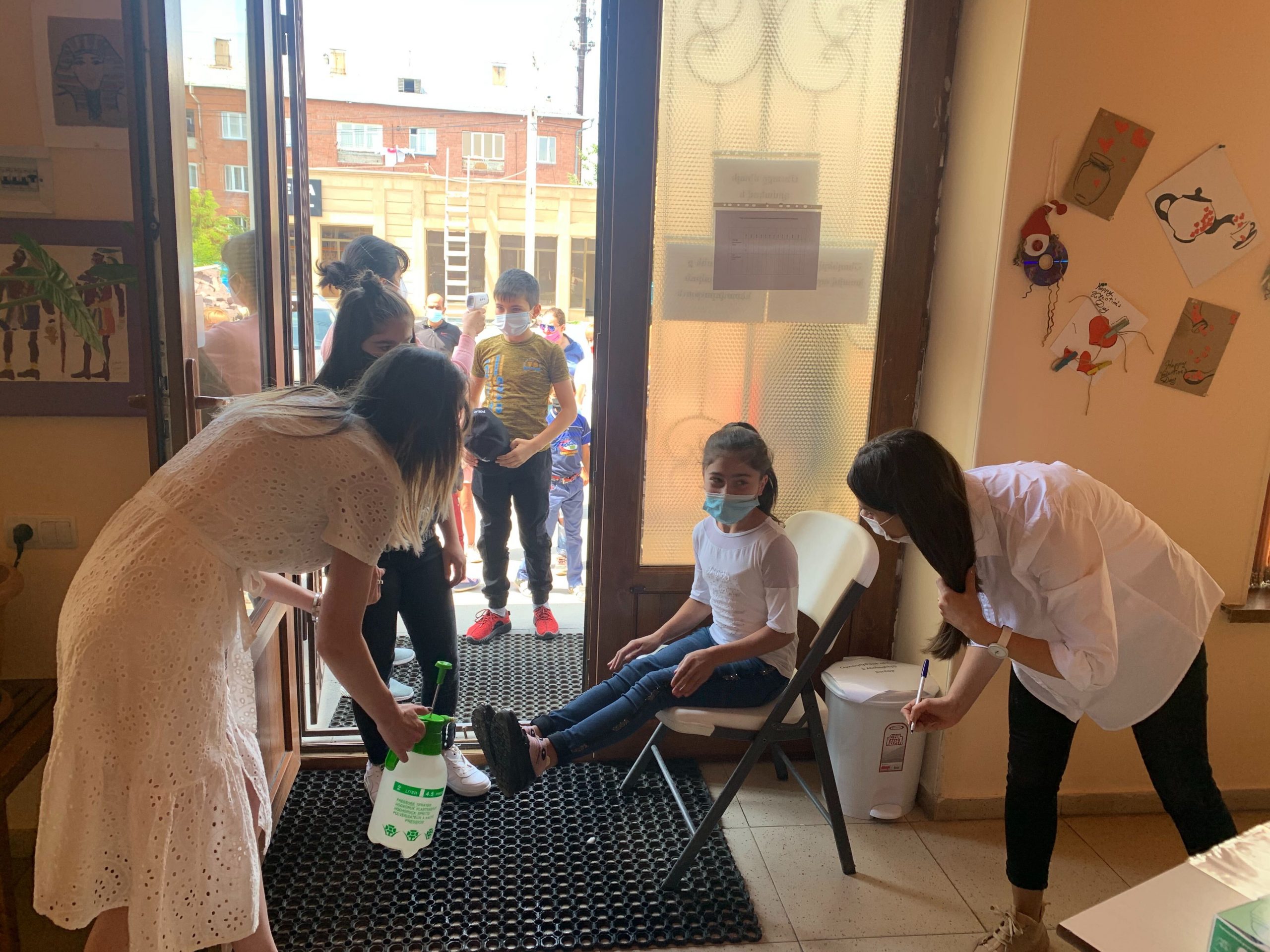
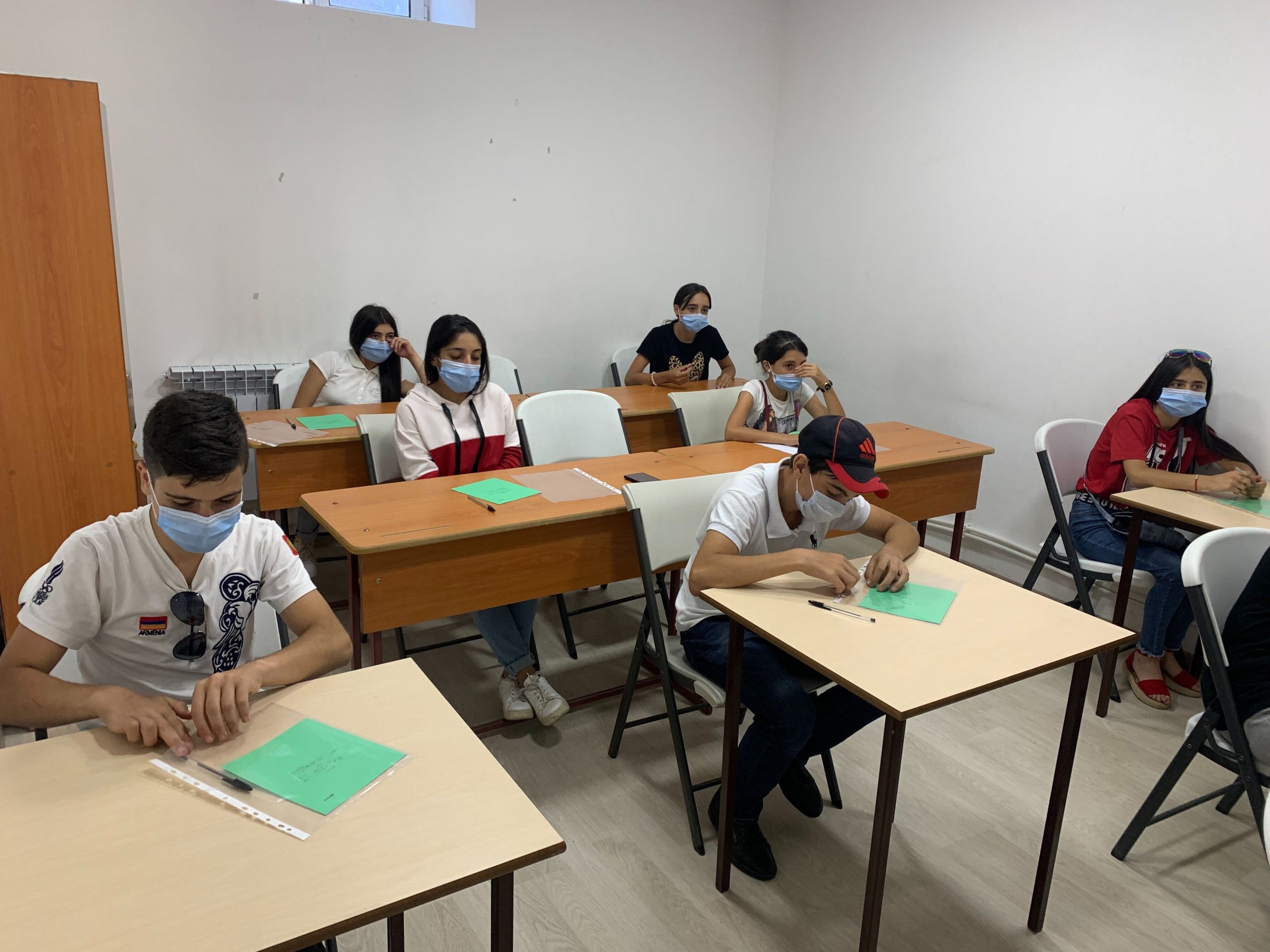
Due to the pandemic, schools and children’s centers were closed throughout Armenia. Debi Arach reopened as soon as it was allowed to. Children are provided a fresh mask each day, food is served in individual containers and extra sanitary steps are taken to prevent the virus’ spread.
May 1, 2021
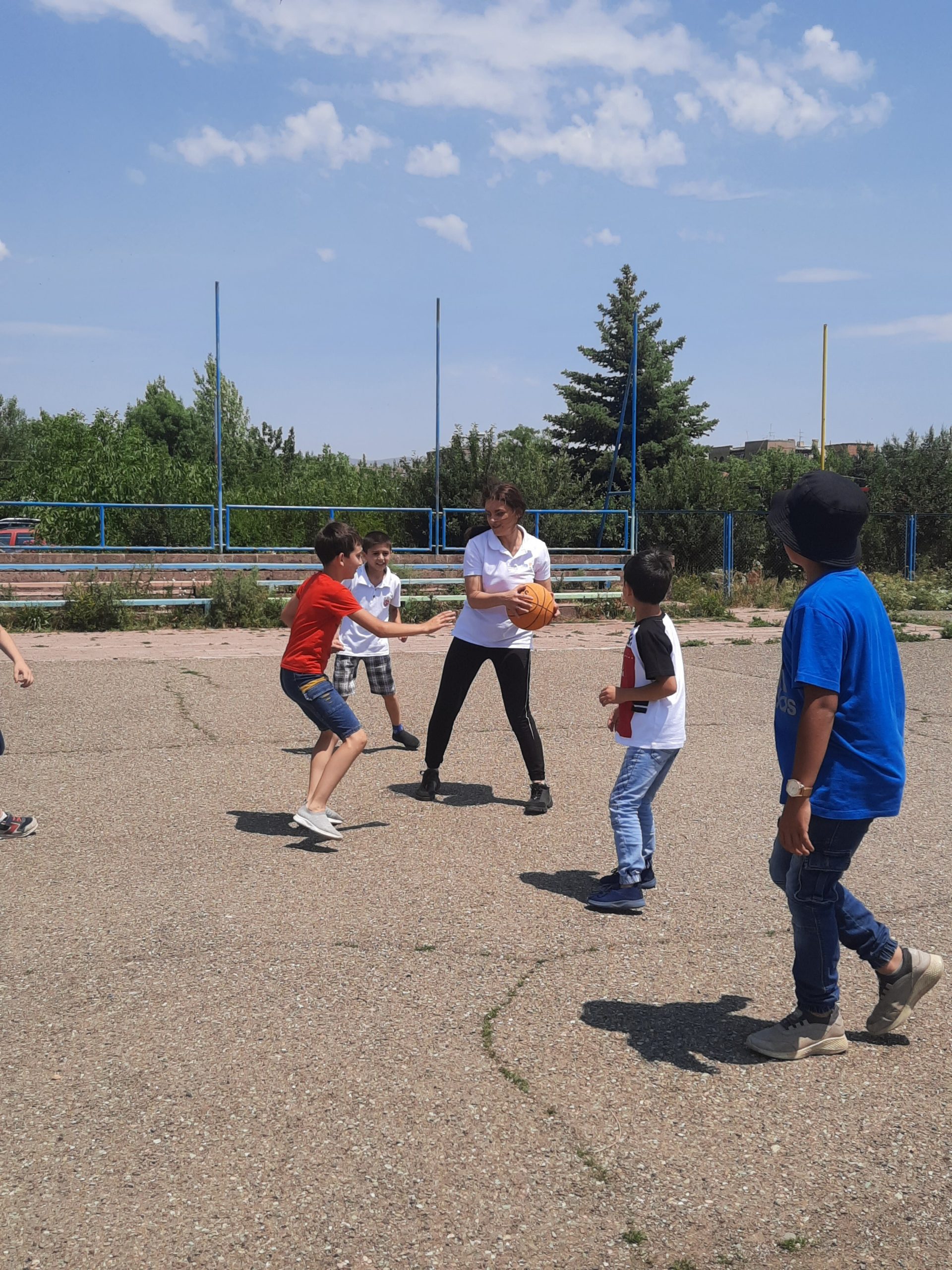
Debi Arach has won a small grant from the U.S. Embassy in Armenia. The grant is titled “American Summer” and is aimed at teaching students about American culture through food, music, sports and movies. This program will run throughout the summer months.
October 25, 2021
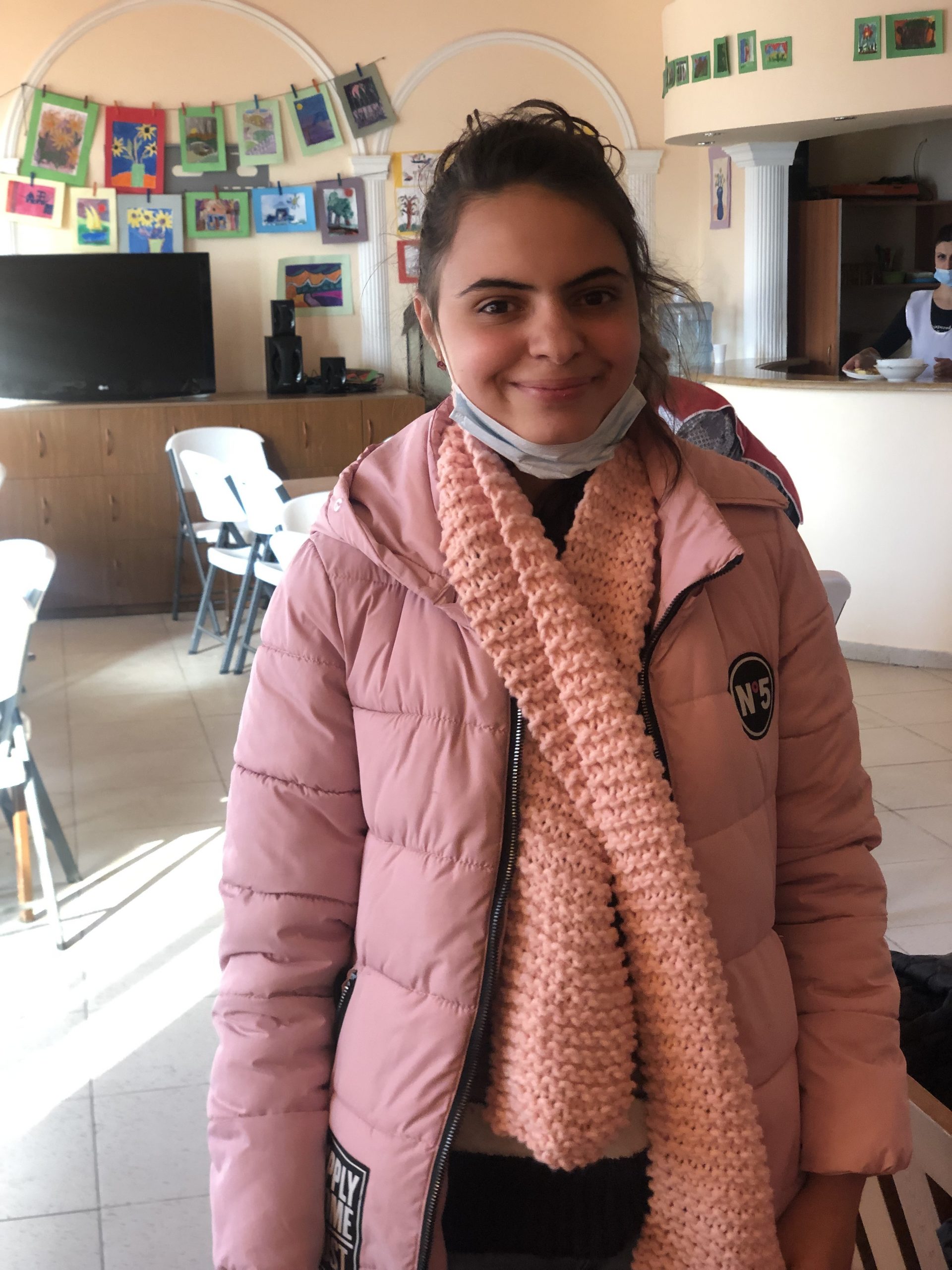
As part of our SERVICE Armenia Young Professional’s trip to Armenia, participants helped distribute warm winter boots and scarfs for the students at Debi Arach. This project is very valuable as winter boots are expensive and most of the children walk to Debi Arach after school (and Gyumri is very cold.)
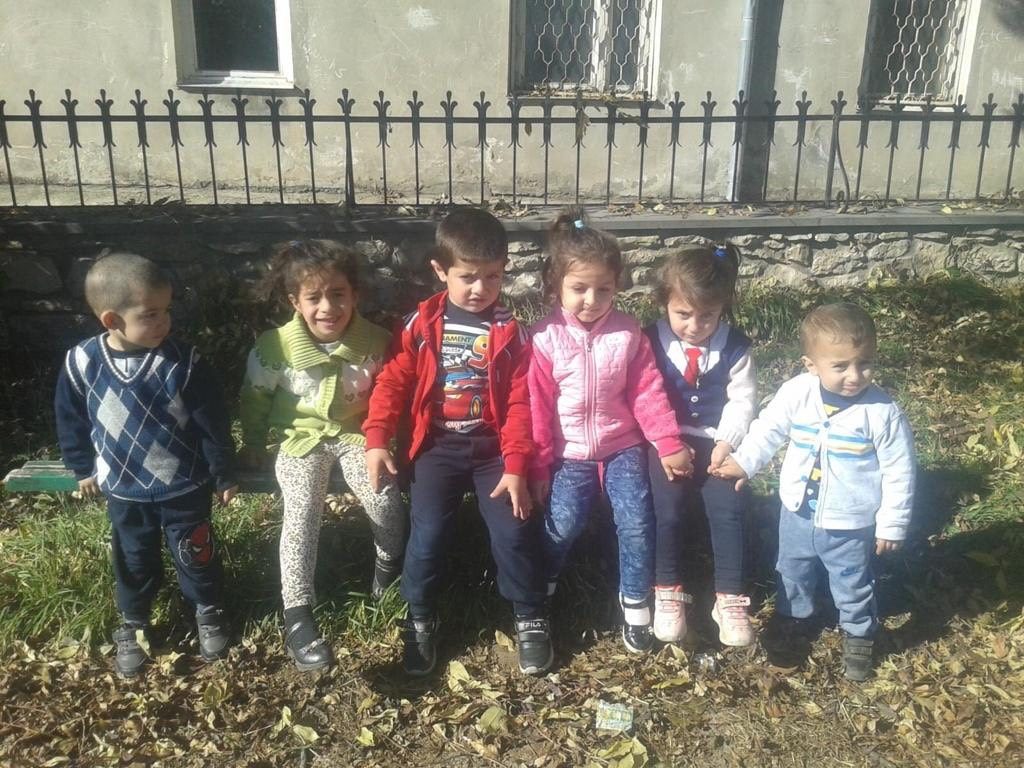
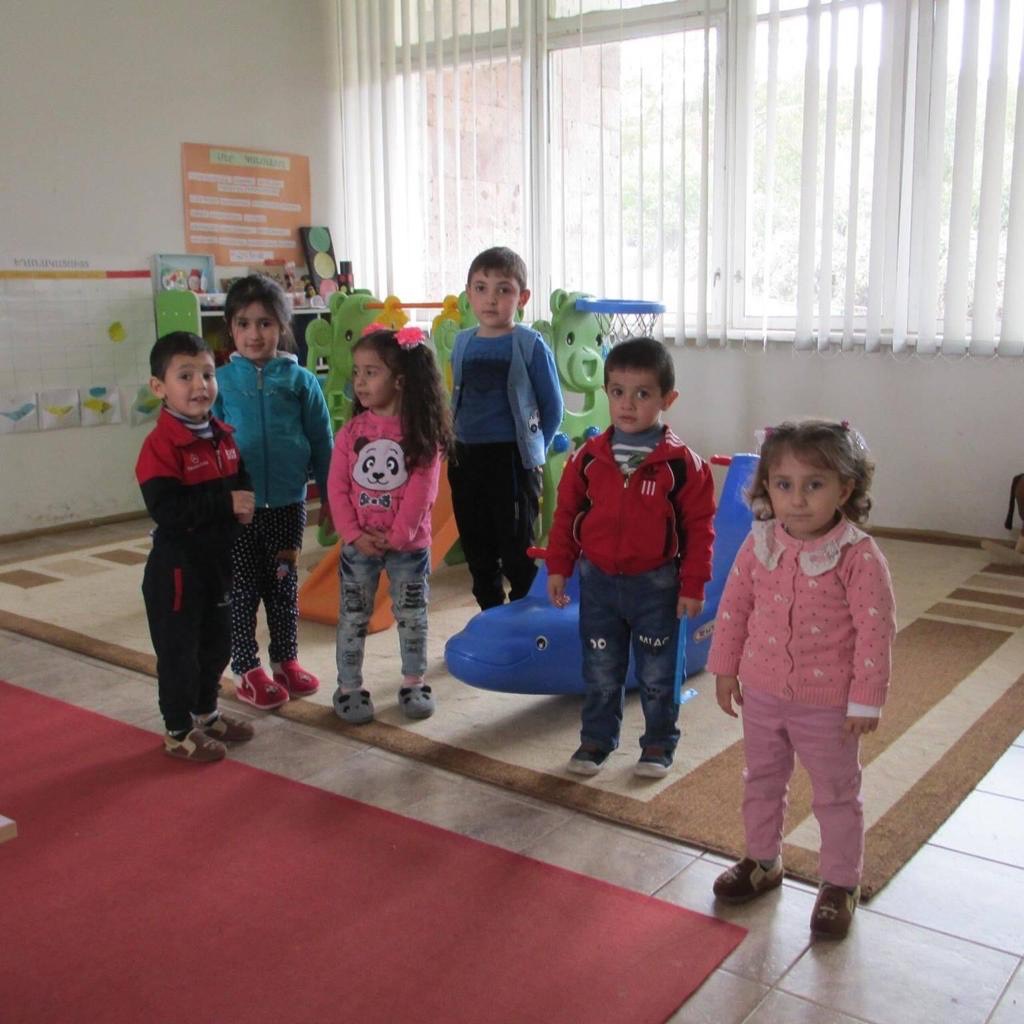
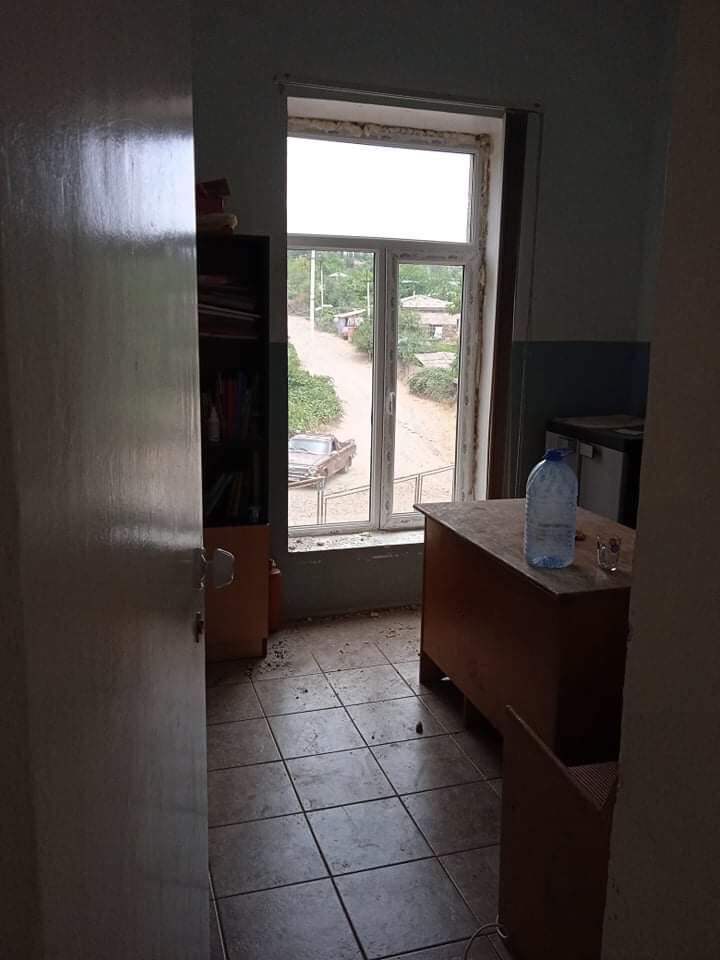
Yeghvard is a small border village in Armenia’s Syunik Region. It has a population of just under 300 people. Despite its population and border village status, Yeghvard has a vibrant kindergarten with almost a dozen children attending. The kindergarten does not have a gas connection for its heating needs, and old wooden windows make the space difficult to heat and operate in the winter months, thus leaving the children unable to attend.
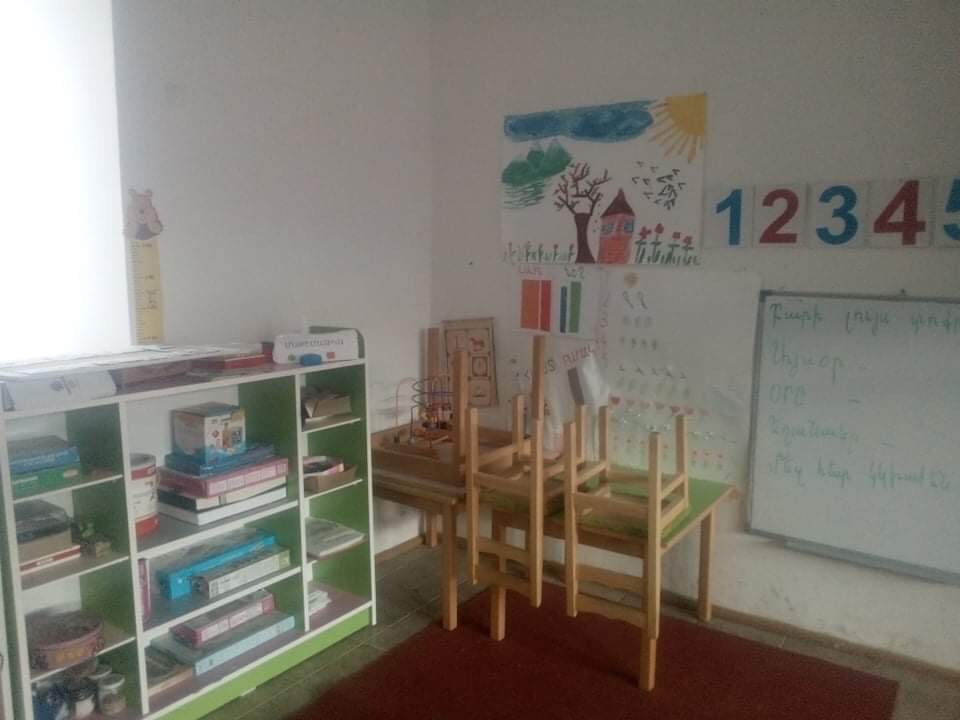
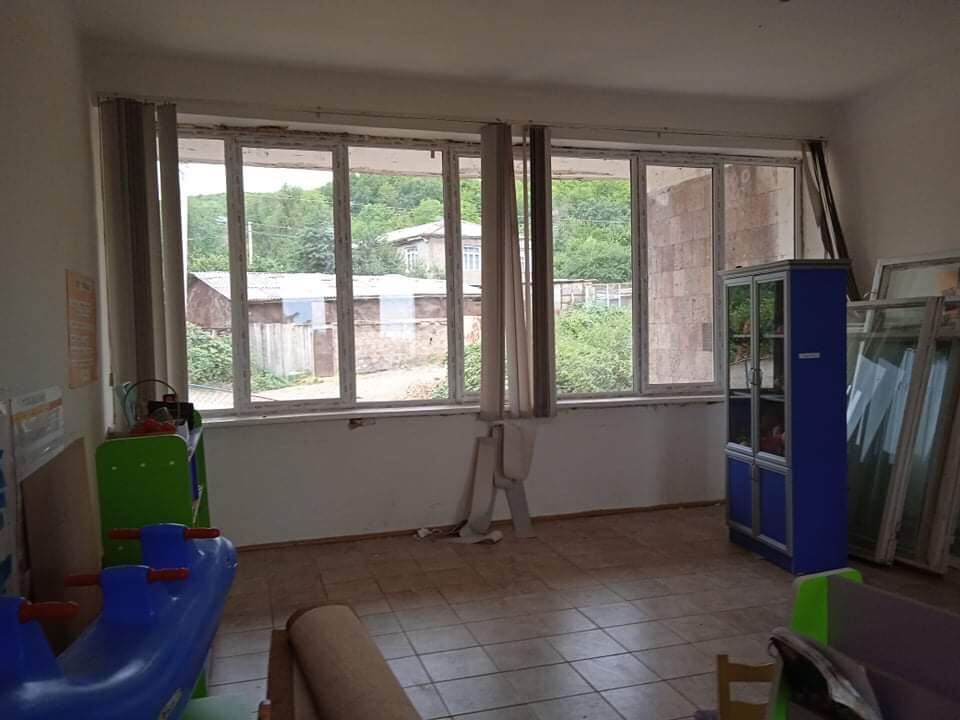
The Yeghvard Kindergarten needs new windows to help create a safe, clean and comfortable environment for the children to benefit from early education.
Short Term Impact
In the short term, new windows will be installed at the Yeghvard Village Kindergarten. These windows will be purchased and installed locally, thus creating a modest benefit to the local economy.
Long Term Impact
In the long term, children in the village of Yeghvard will benefit from a safe, clean and comfortable environment to attend kindergarten year-round.
Sponsors Benefits
Sponsors of this important project will be listed on The Paros Foundation’s website, on a plaque at the kindergarten and in all relevant press related to this project. Visits can be arranged for sponsors to this kindergarten during their trips to Armenia.
[vp_give_donor_wall
donors_per_page=12
show_total=false
show_modal=true
form_id=”63125″]
Updates: Images & Information
July 28, 2021
July 28, 2021
July 28, 2021
Previous
Next
July 28, 2021
Work to replace the old windows was completed at the kindergarten along with the installation of new electric heaters.
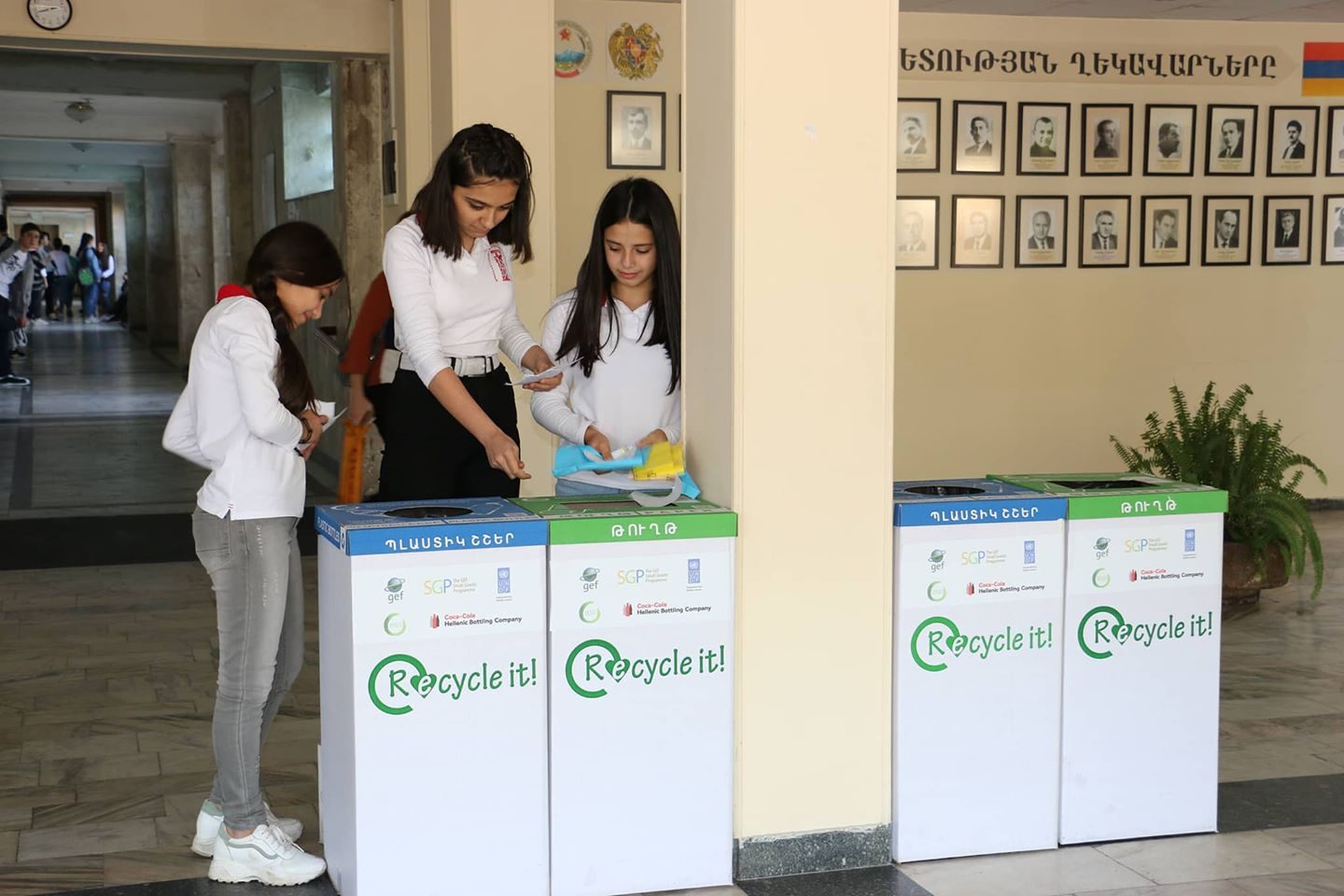
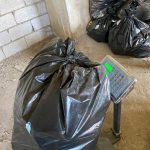
Recycling in border villages in the Tavush region is currently extremely limited; as a result, plastic and other trash often goes uncollected and liters the communities. When it is collected, the waste is often put into landfills or it is burned.
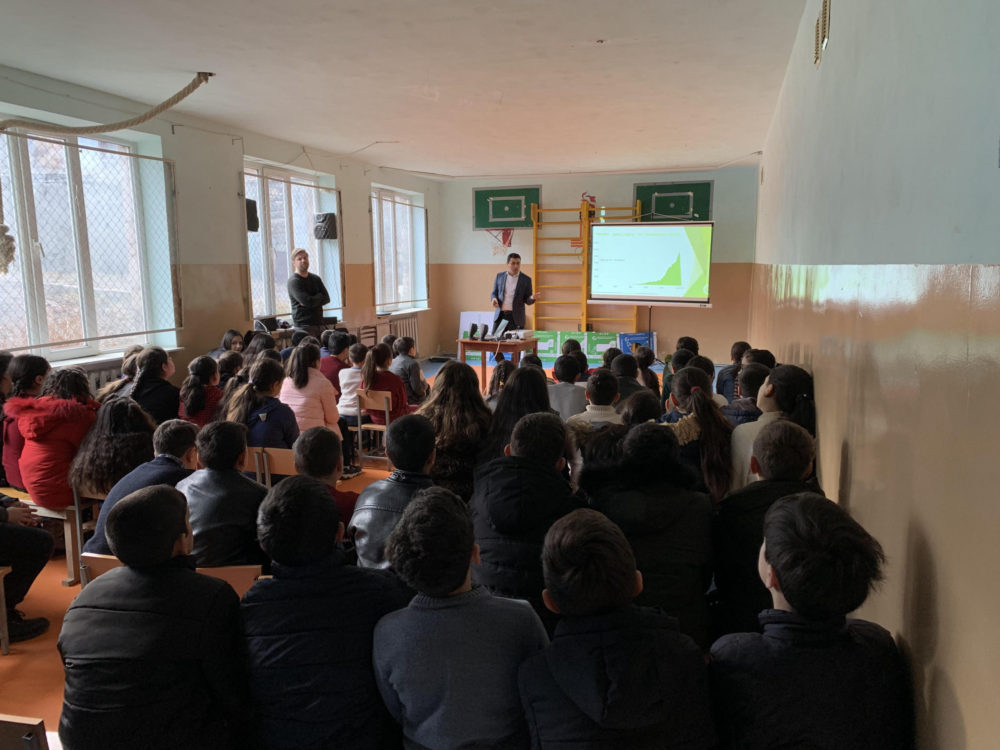
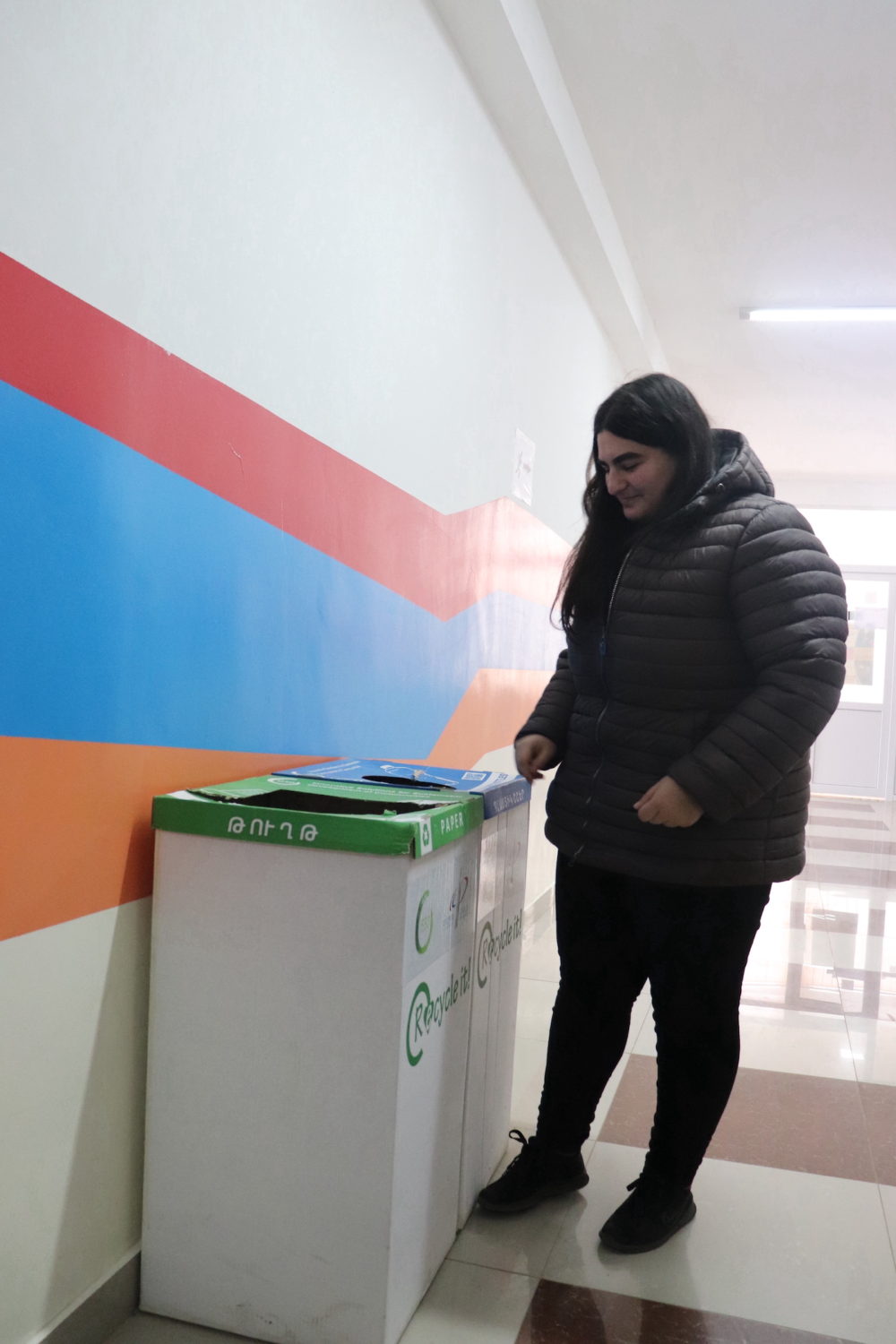
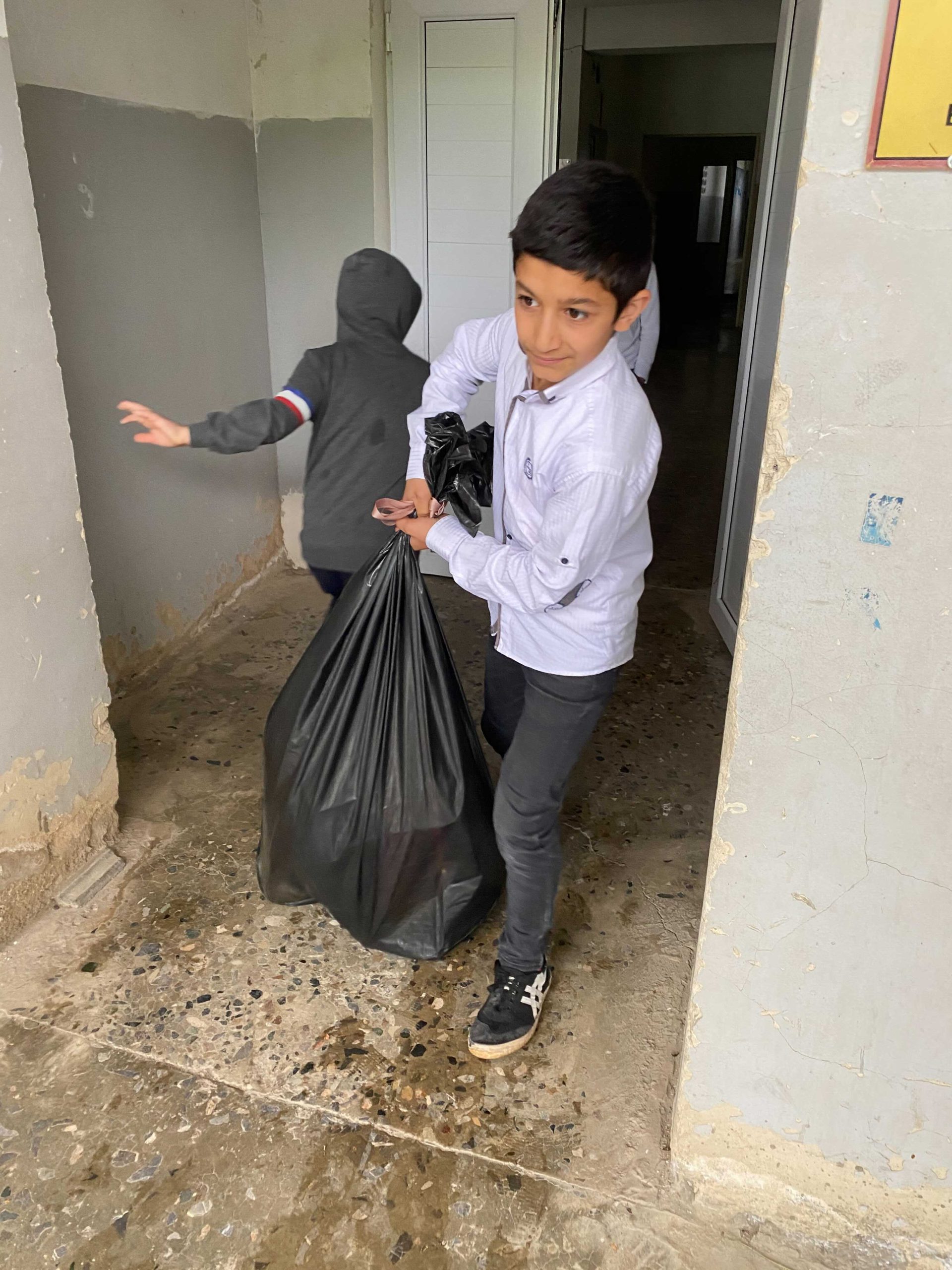
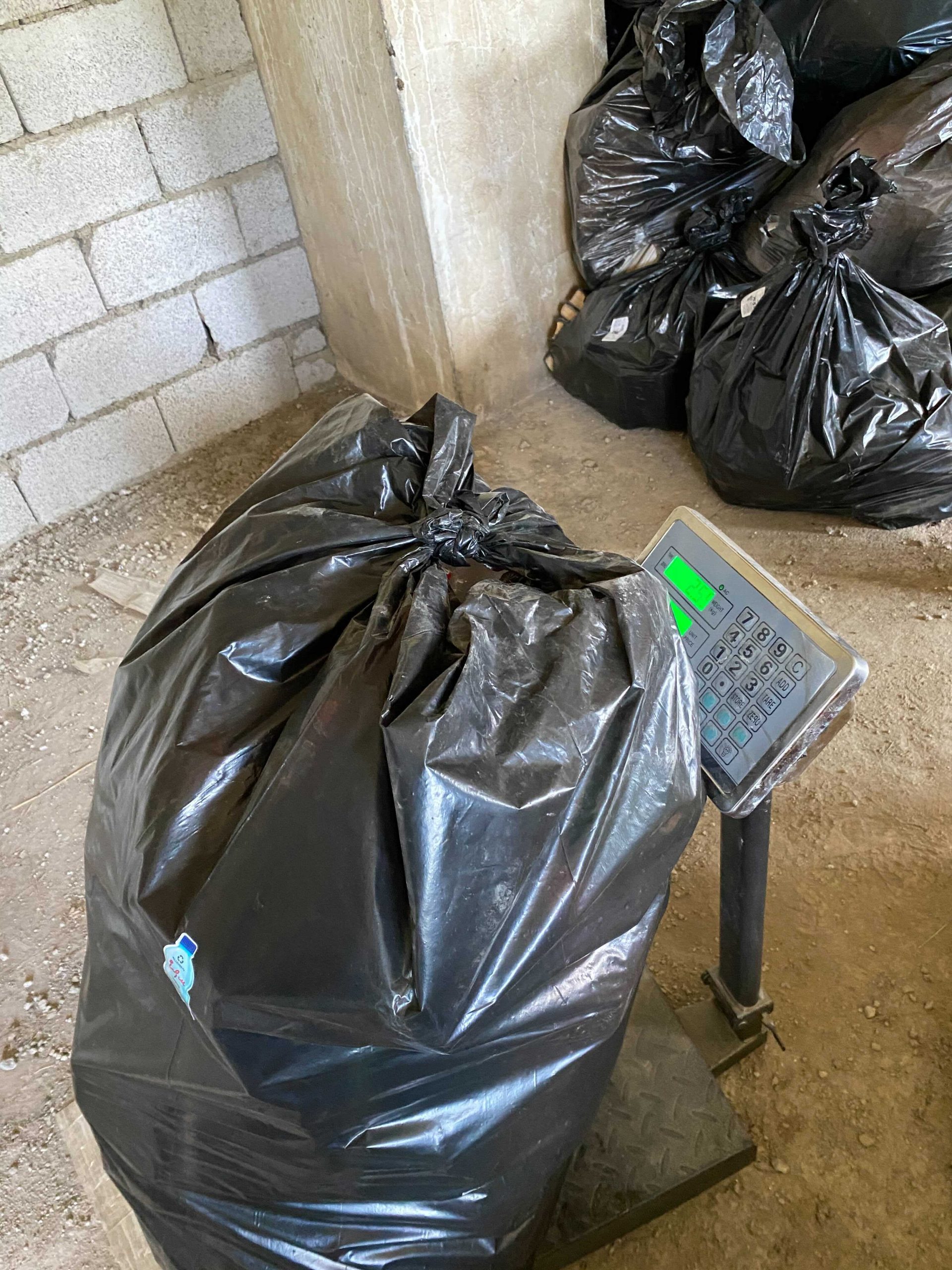
Following the success of the first Recycling on the Border project, The Paros Foundation has partnered with the Innovative Solutions for Sustainable Development of Communities NGO, or ‘ISSD’ to implement their second recycling initiative in ten border villages in the Tavush region. The proposed project involves going to several schools and providing specially marked recycling bins for paper and plastic. The children will then be educated on the benefits of recycling and why it is important. Schools will be given three months to collect the recycling, when it will then be picked up and transferred to the proper recycling facilities.
Some new components have also been introduced. In order to provide incentive first and second place prizes will be given out to the schools who have collected the most paper and the most plastic at the end of the competition. The schools participating will also need to choose 5-10 students to be student ambassadors (depending on the size of the school). The model for the student ambassadors is as follows:
One student from each grade, starting from the 4th grade
The rest of the ambassadors will be from the older grades (whomever wants to participate up to 10 total ambassadors)
The student ambassadors’ role will be to represent their school in the recycling competition. They will make sure the other students are recycling properly, the bags are tidy and prepared correctly, etc.
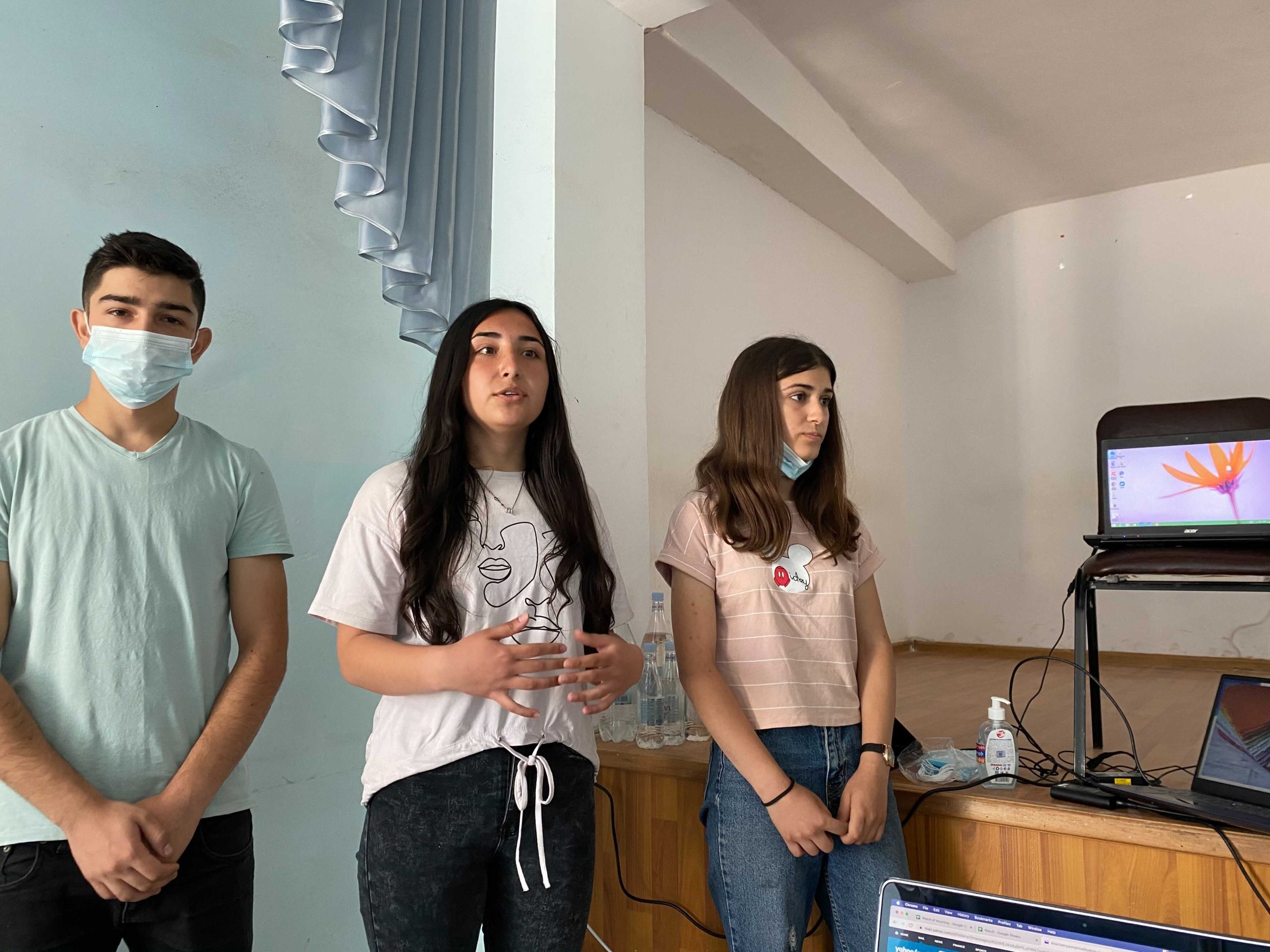
In addition to the recycling competition, older students from all the schools are invited to participate in another competition where they must develop a business idea involving recycling. Students can choose to work alone or with a team to come up with new ideas involving recycling and creating a business. The ideas will be evaluated and the best one(s) will be given funding in the form of materials/equipment needed to start the business up to 1,000 USD. Every two weeks, students will meet with ISSD representatives to discuss both the general recycling competition and the business idea competition. Winners of this competition will be brought to Yerevan on an excursion to talk with other business people and develop their winning idea.
Recycling in border villages in the Tavush region is currently extremely limited; as a result, plastic and other trash often goes uncollected and liters these communities.
Short Term Impact
In the short term, a three month recycling contest will be launched to build excitement about the project in ten border schools in Tavush. The schoolchildren will learn about the benefits of recycling and start making it a regular practice in both their schools and households. A modest economic benefit will be realized through this project through the employment of a driver and trainers. In addition, students will have the opportunity and guidance to come up with their own recycling based businesses.
Long Term Impact
In the long term, communities will be more informed about modern waste and waste management, and, hopefully develop the practices as a normal part of their culture. The project will involve more than 1,800 children. Additionally, those that come up with winning business ideas will be given the opportunity to make those ideas a reality and greatly impact their future and the future of recycling in Armenia.
Sponsors Benefits
Sponsors of this project will be listed on The Paros Foundation website, and in relevant press related to this important project.
The second Recycling Contest launched today with nine schools in the Tavush Region. Schools will be collecting both paper and plastics and competing for a prize! The contest launch follows training and instruction on the value of recycling by the experts at the ISSD organization in Yerevan.
June 6, 2021
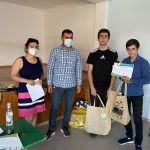
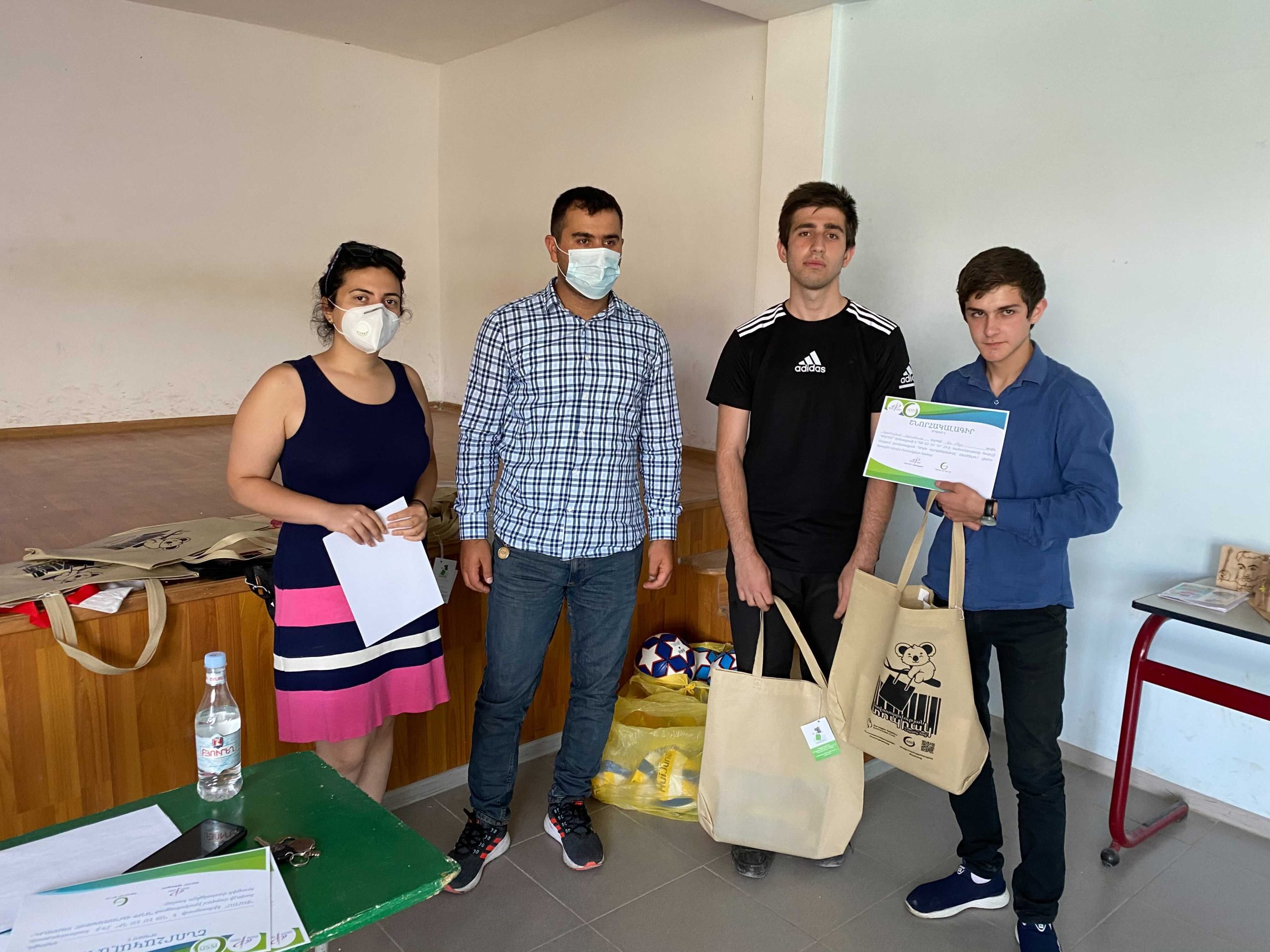
Today the contest winners were determined! The School in Nerkin Karmir Aghbyur collected the most plastic per student and the School in the village of Aygepar collected the most paper per student. The school from Tavush won first place for their business idea involving recycling and will receive 1,000 USD to start their business. Both the schools from Aygehovit and Nerkin Karmir Aghbyur will also receive funding to start their business idea. Congratulations to all the schools that participated!
Nerkin Karmir Aghbyur (NKA) is a village located on the border of Armenia and Azerbaijan. The population is around 1,000 people and the main source of economic activity revolves around the agriculture sector. Economic opportunities in border villages like NKA are extremely limited due to lack of investment and safety issues. Without these opportunities, families are forced to either find work elsewhere, or move out of the region entirely.
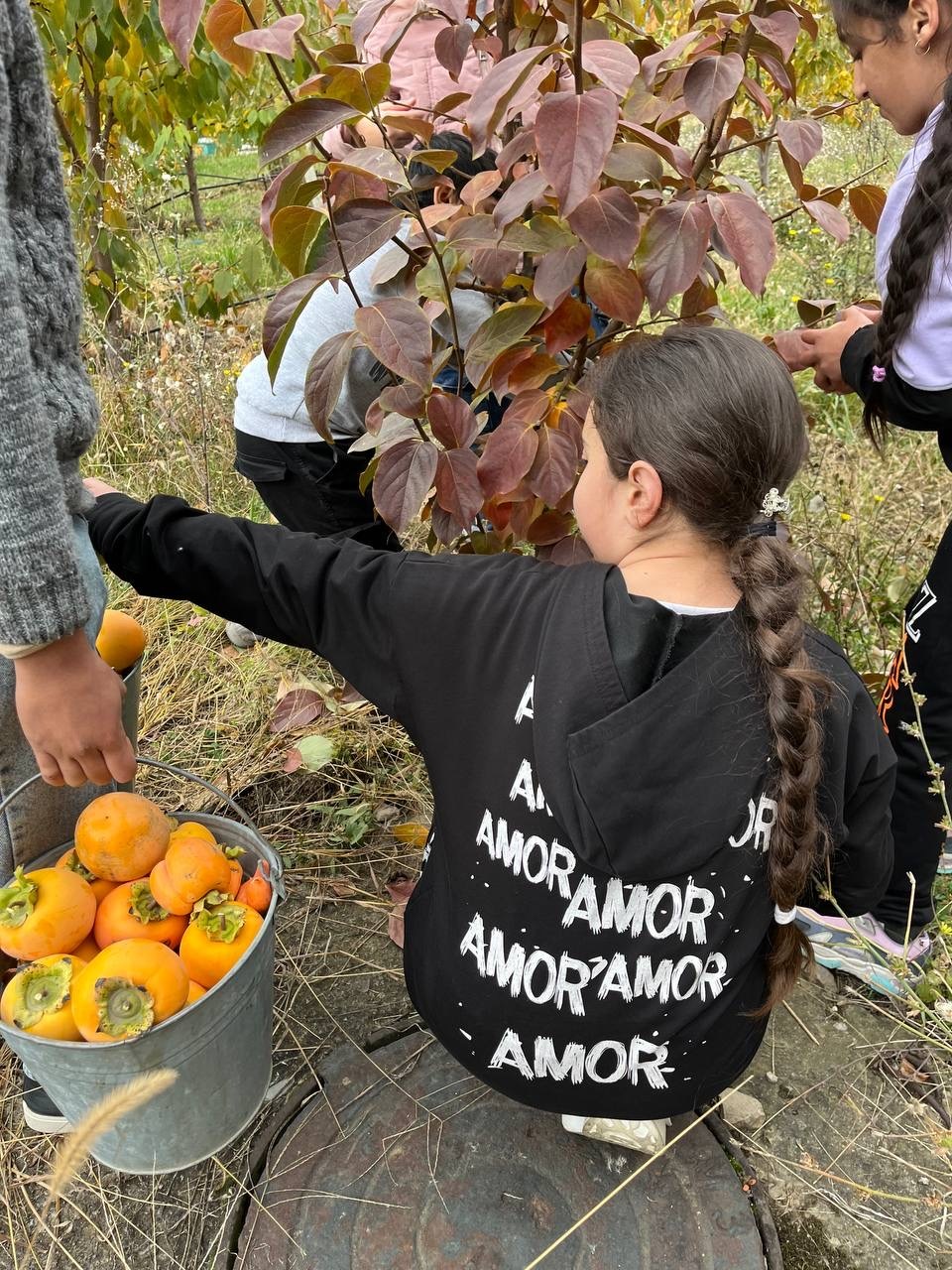
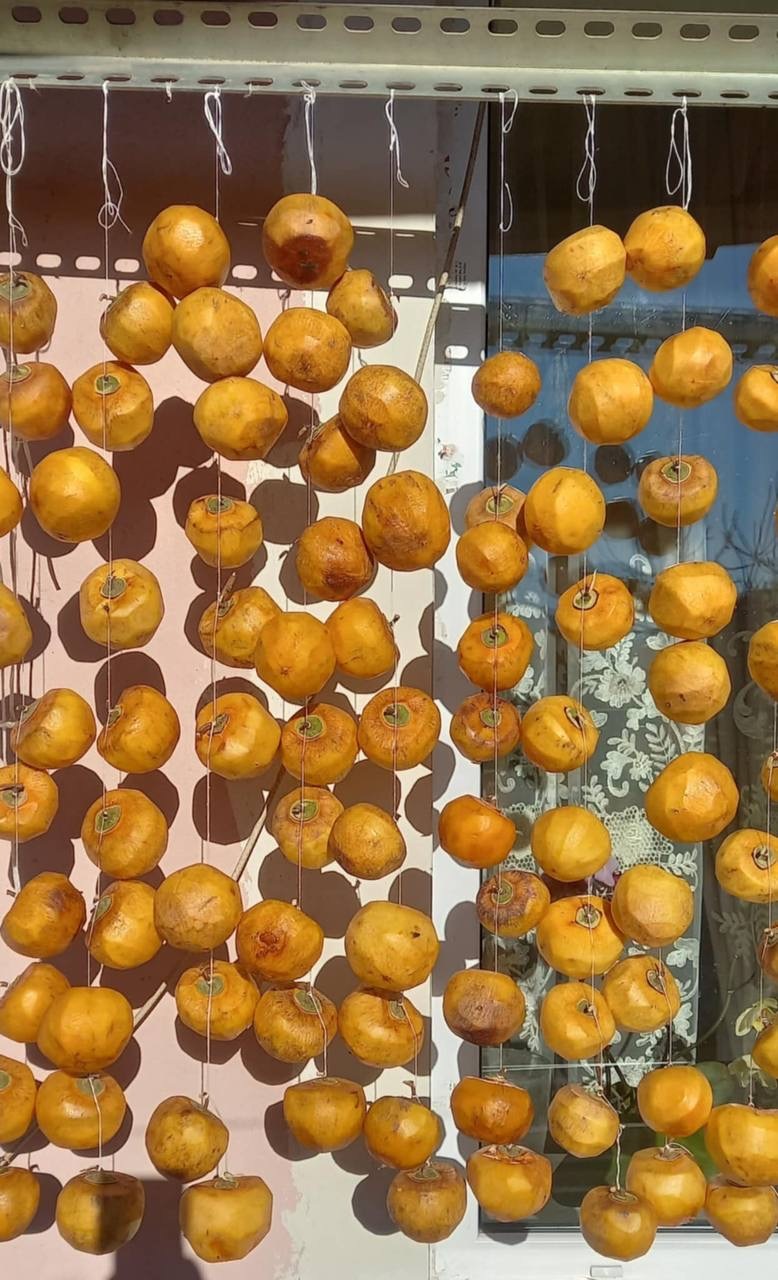
The Tavush region sees much of it’s economic activity in the summer months when fruits and vegetables are grown. The products are then either directly sold to consumers or undergo further processing before being sold. Tavush in particular is known for its production of fruits, such as Apples, Pomegranates, Persimmon, and much more.
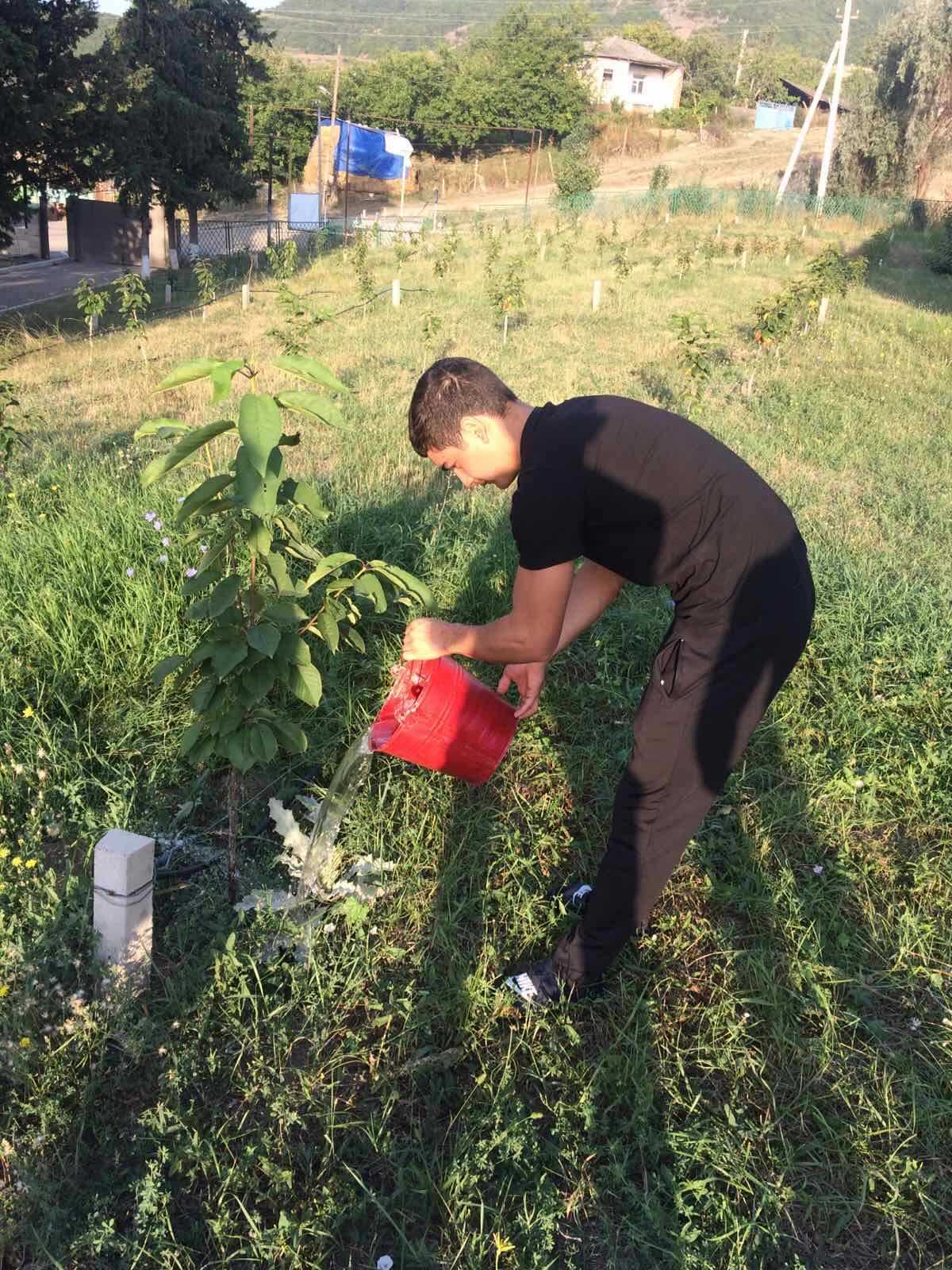
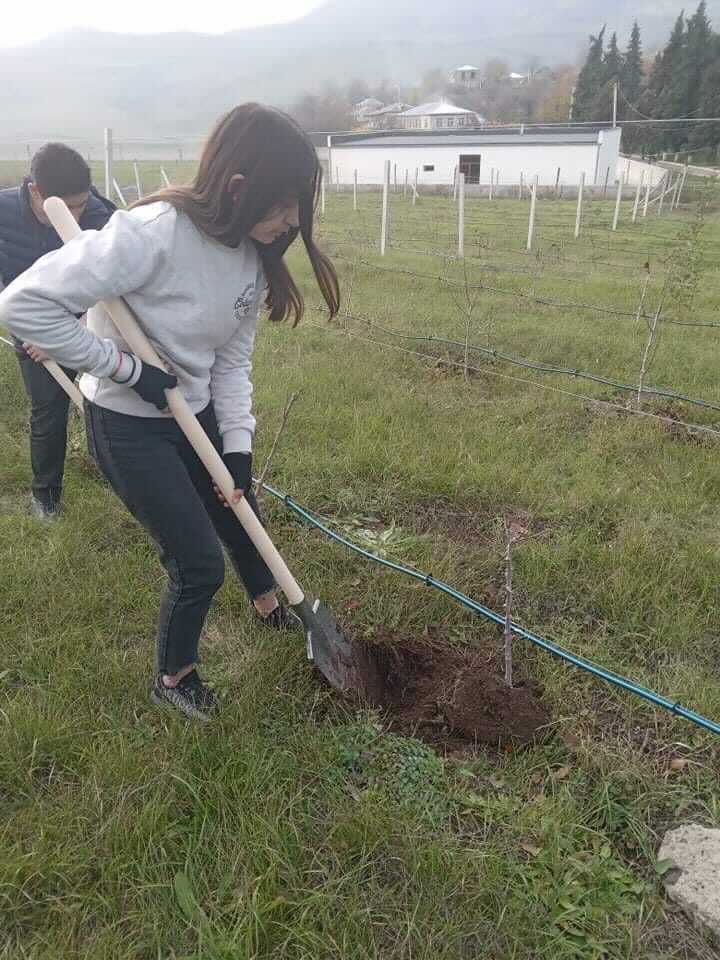
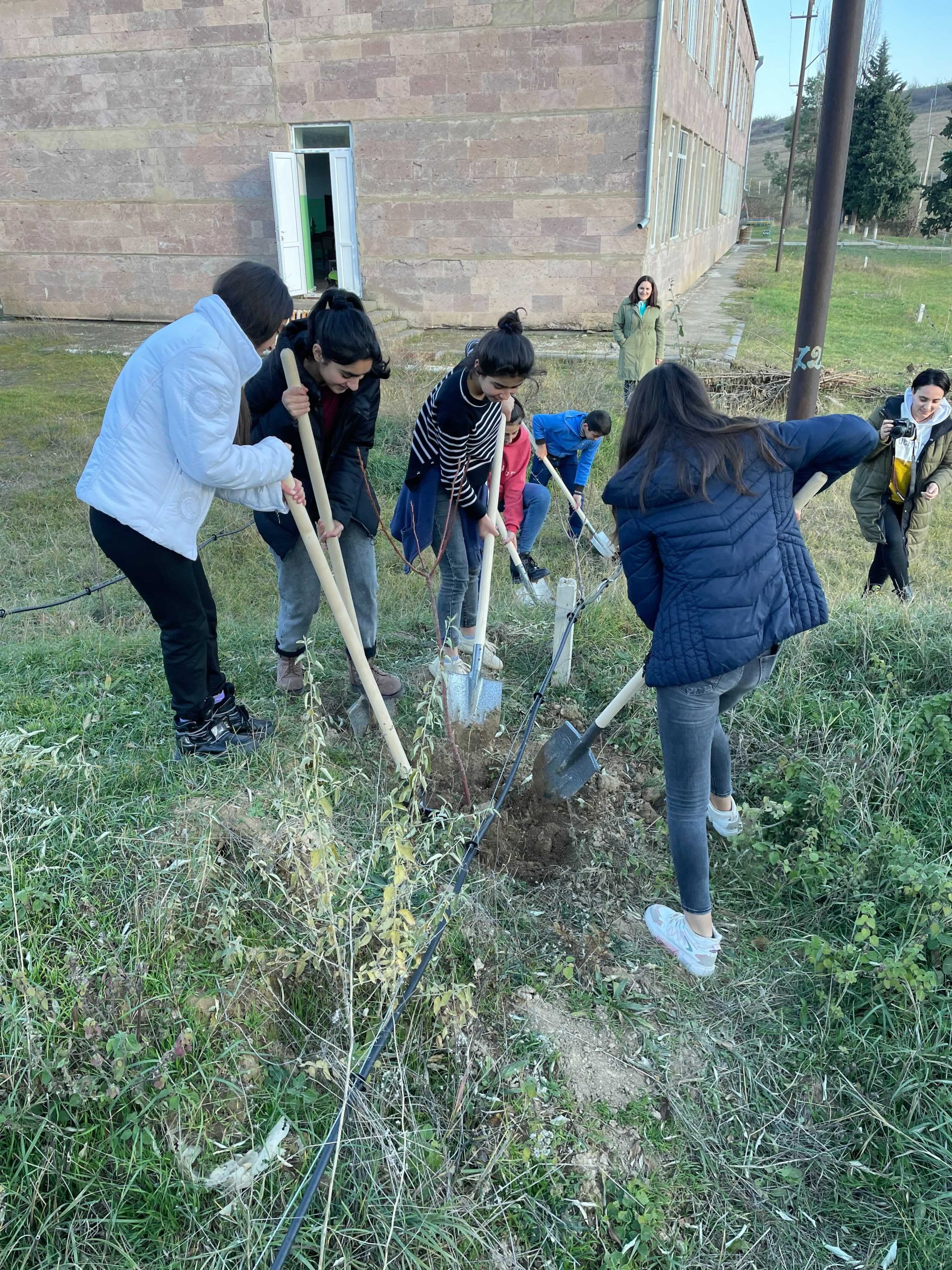
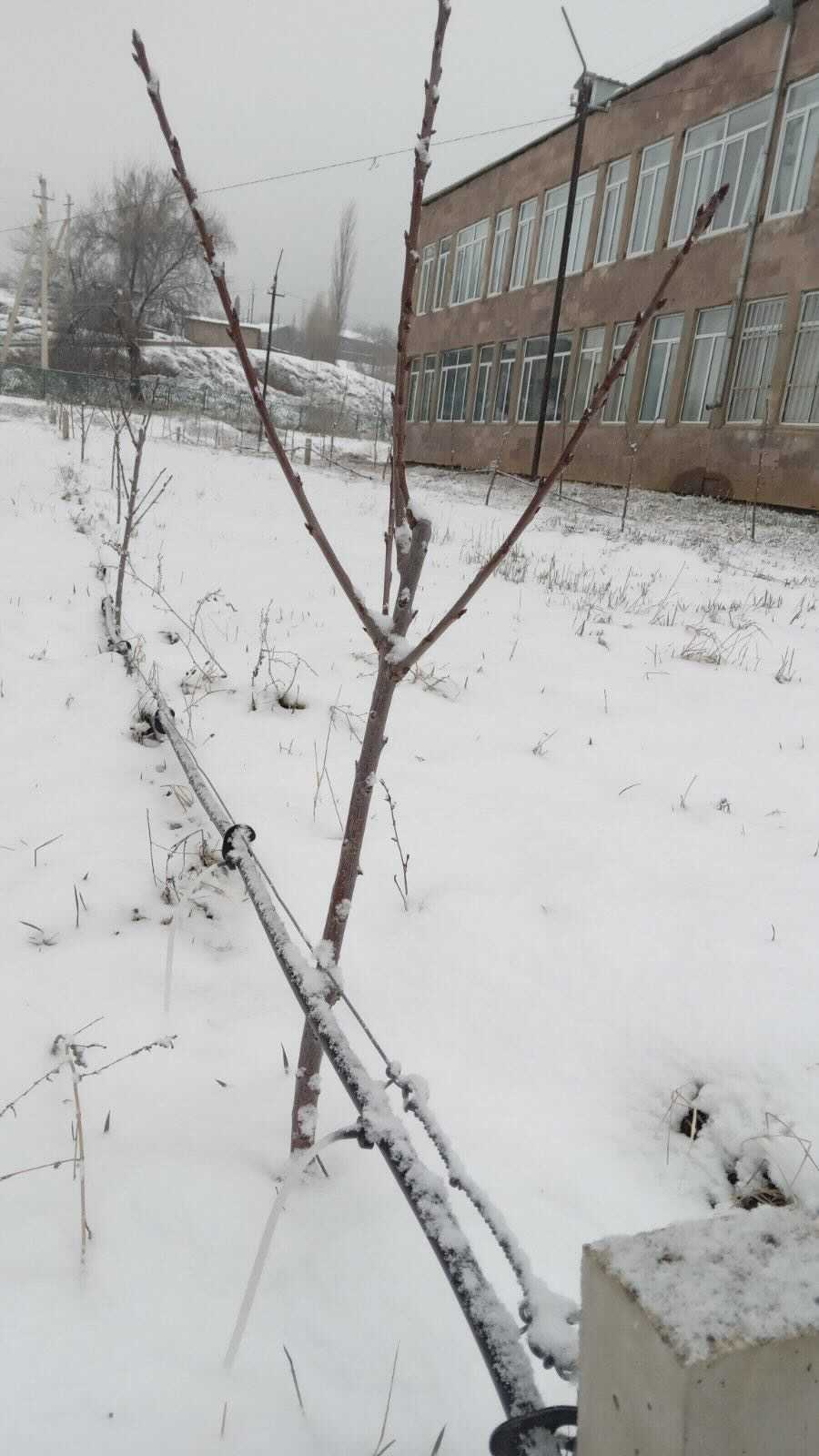
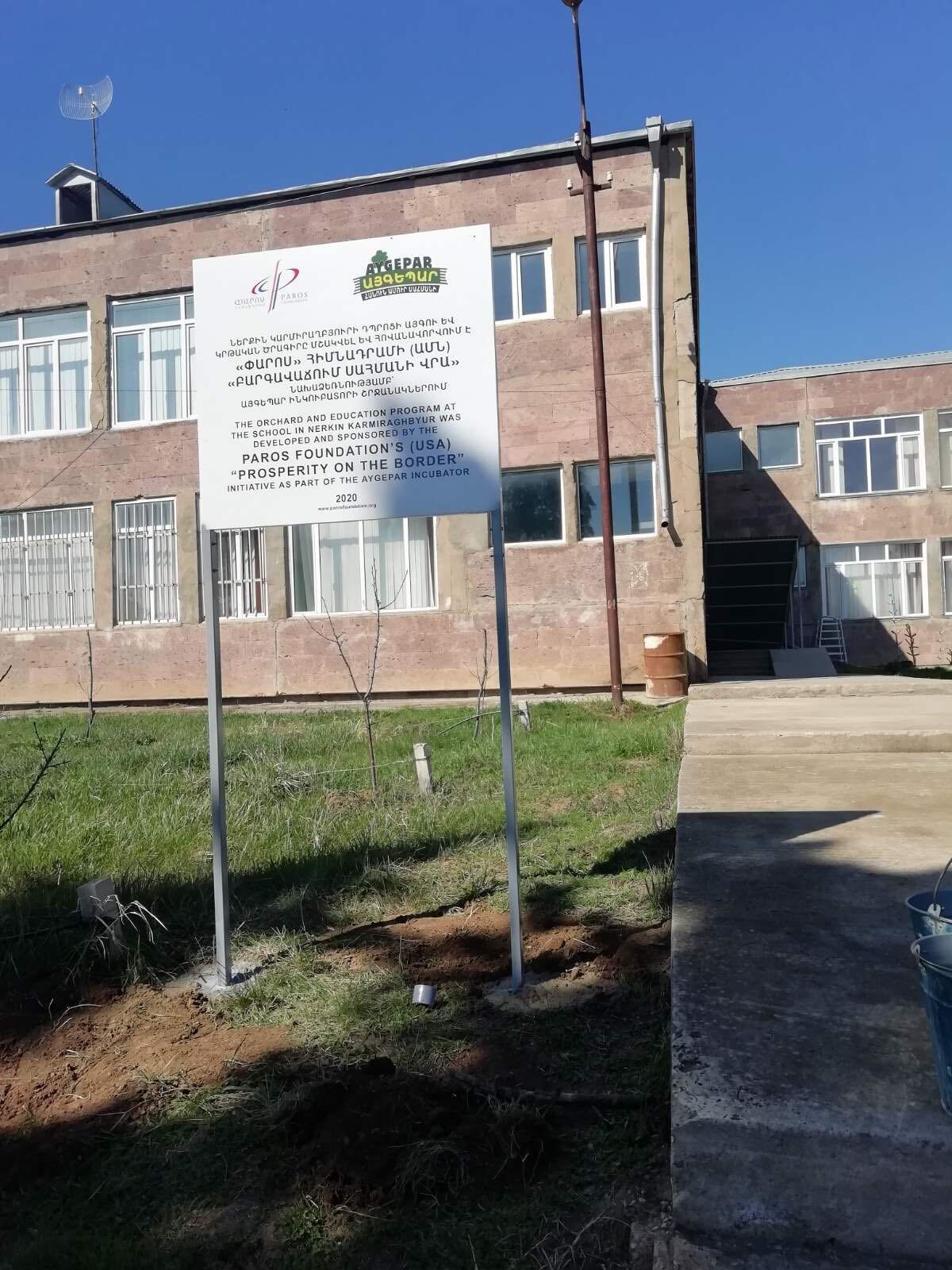
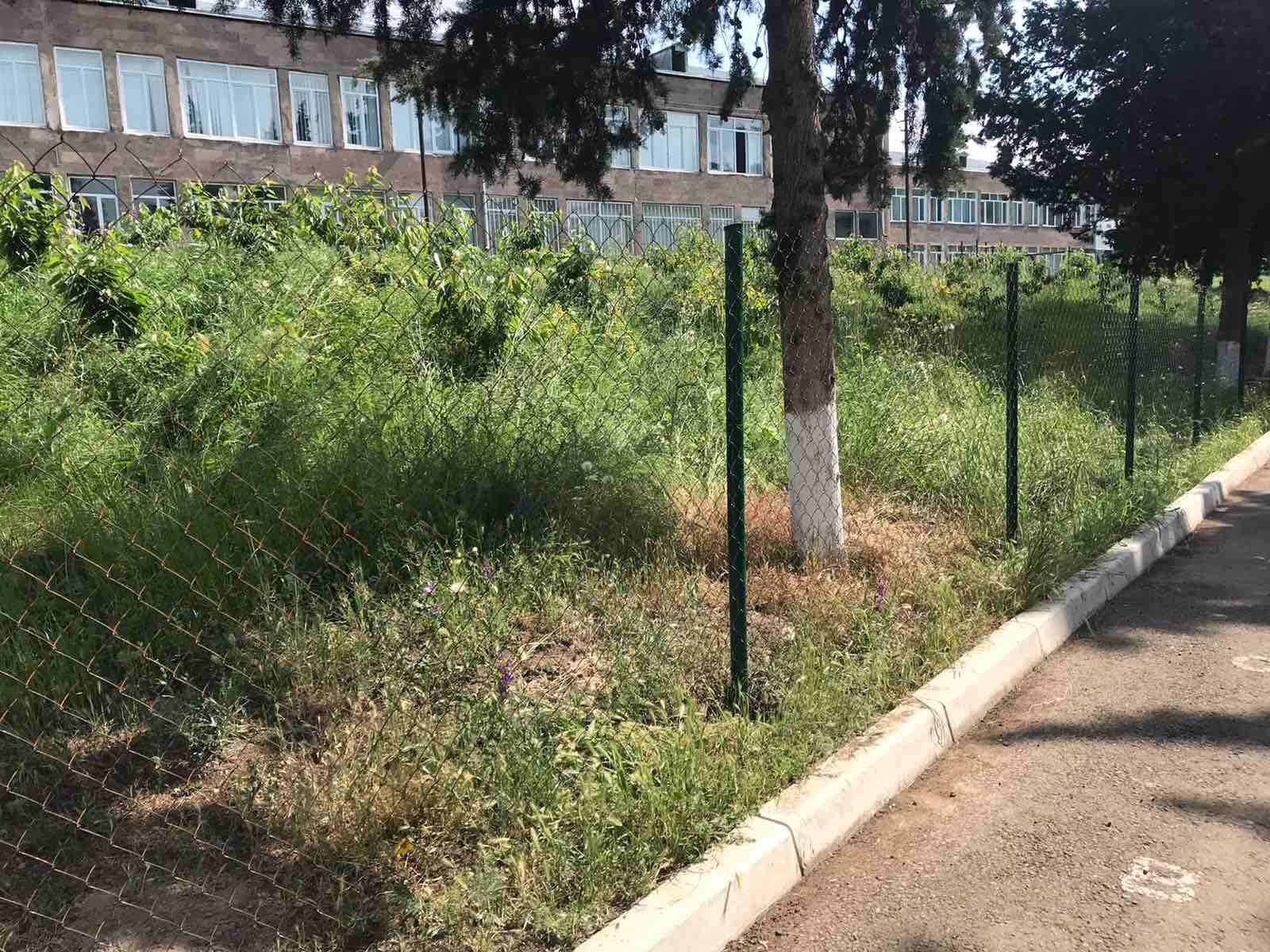
The Paros Foundation seeks to establish a small orchard in the village of Nerkin Karmir Aghbyur (NKA). The orchard will be located on the grounds of the local school; Paros has completed extensive renovations on the campus, and as a result has developed strong, productive relationships with school administrators and community leaders.
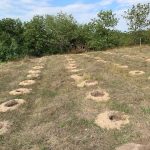
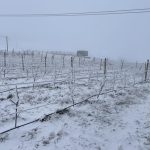
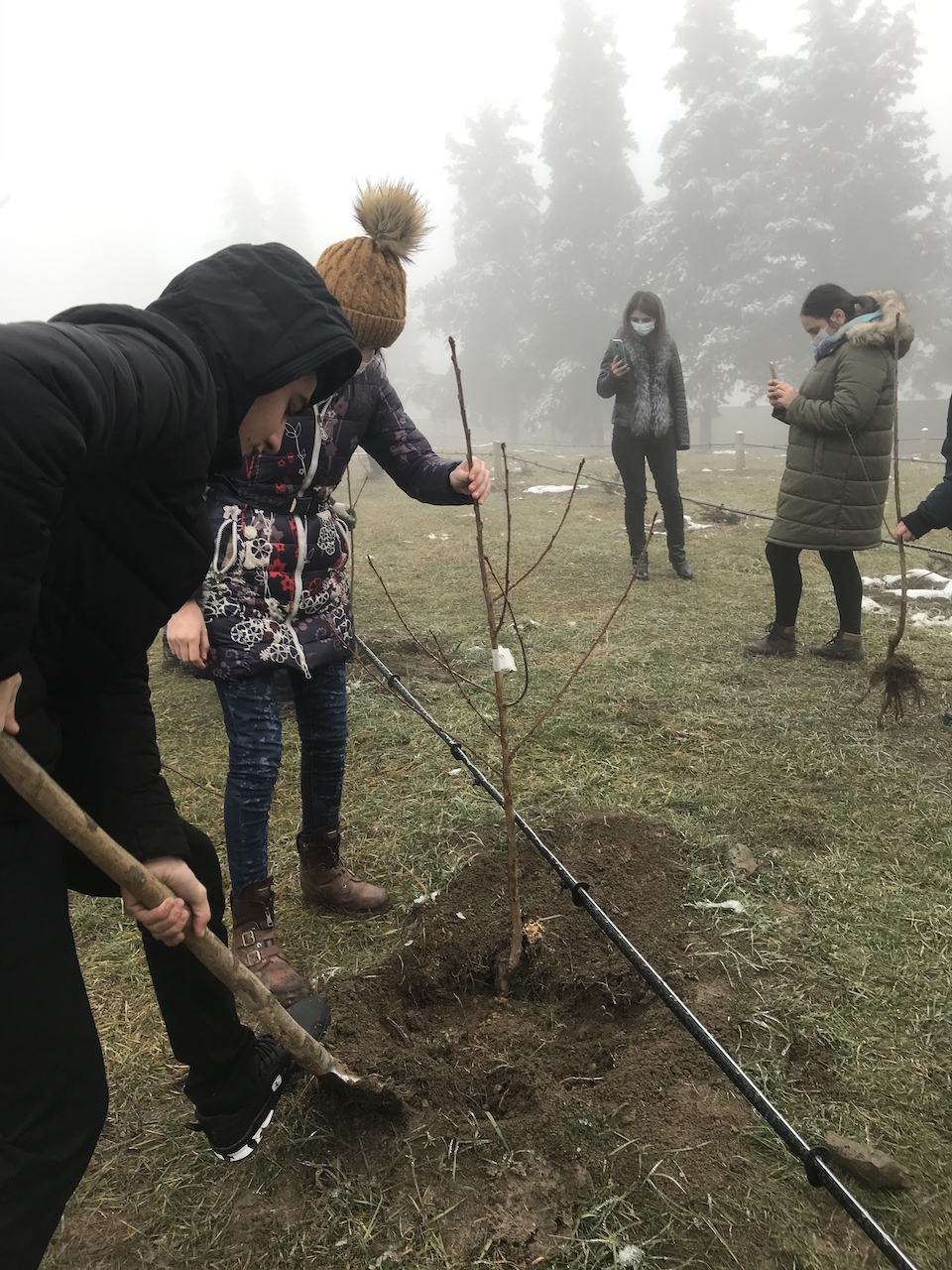
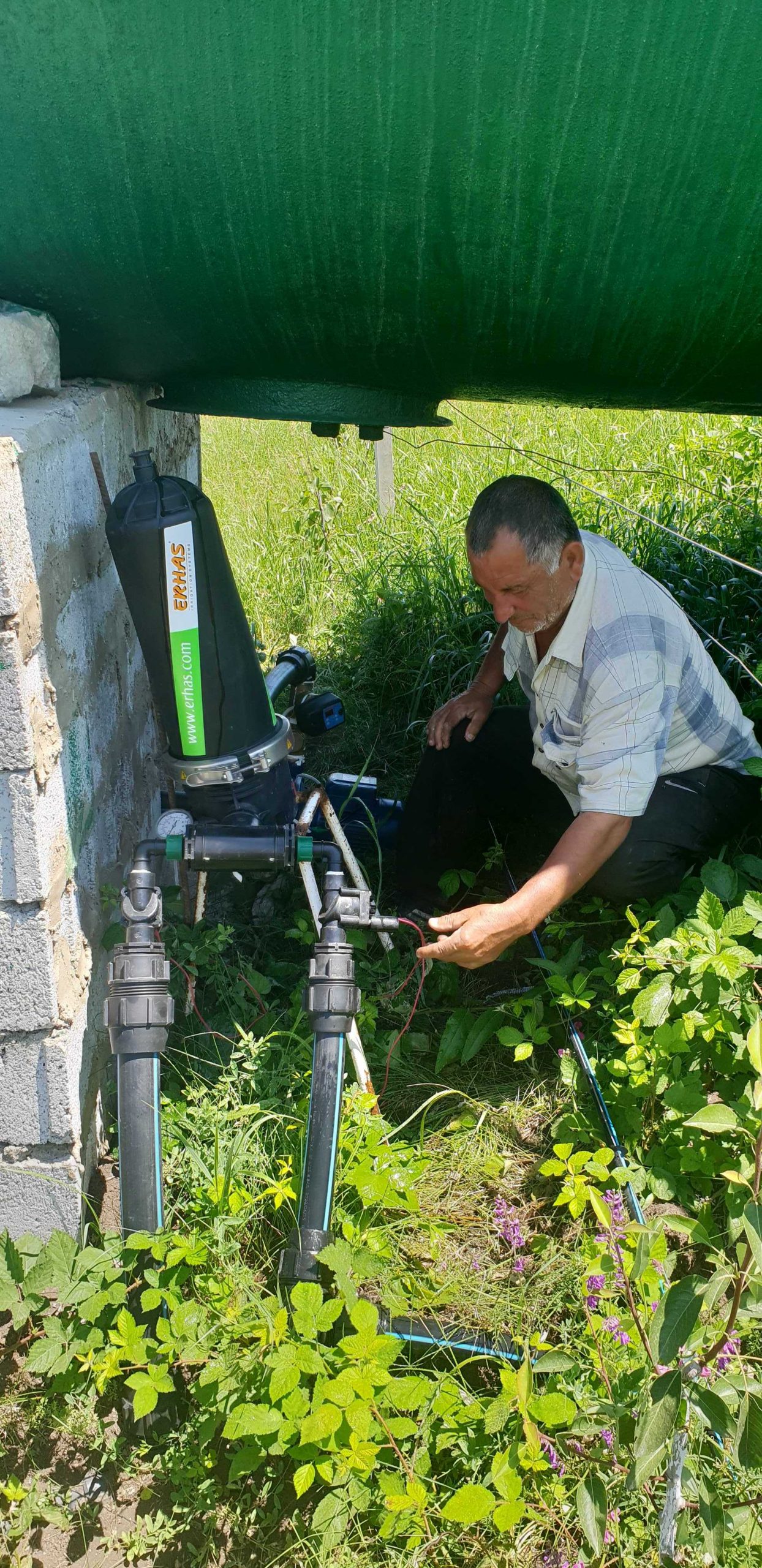
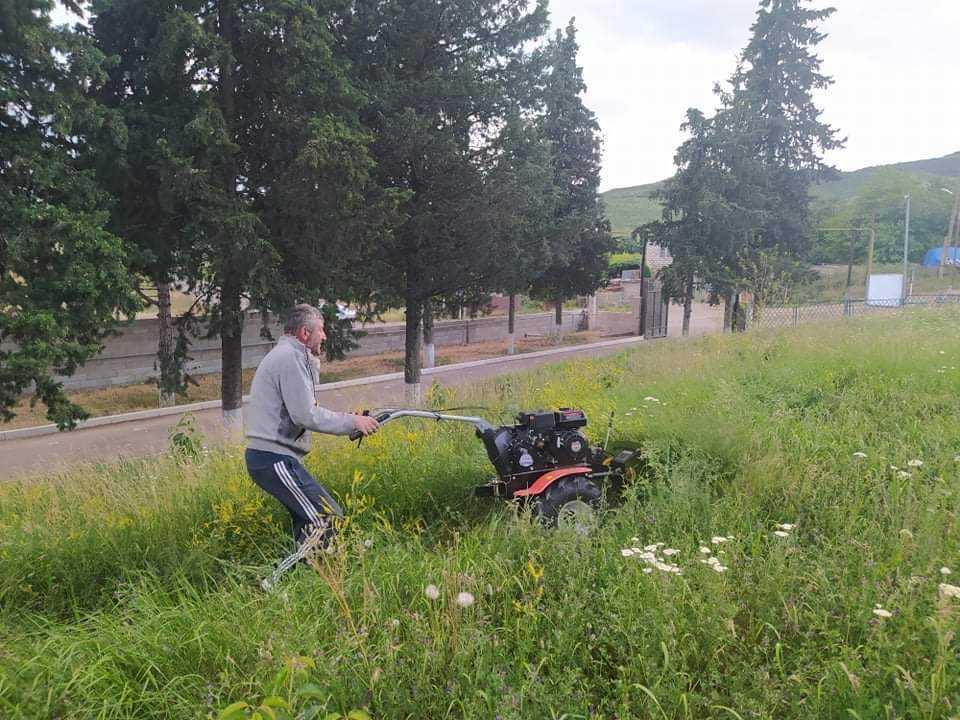
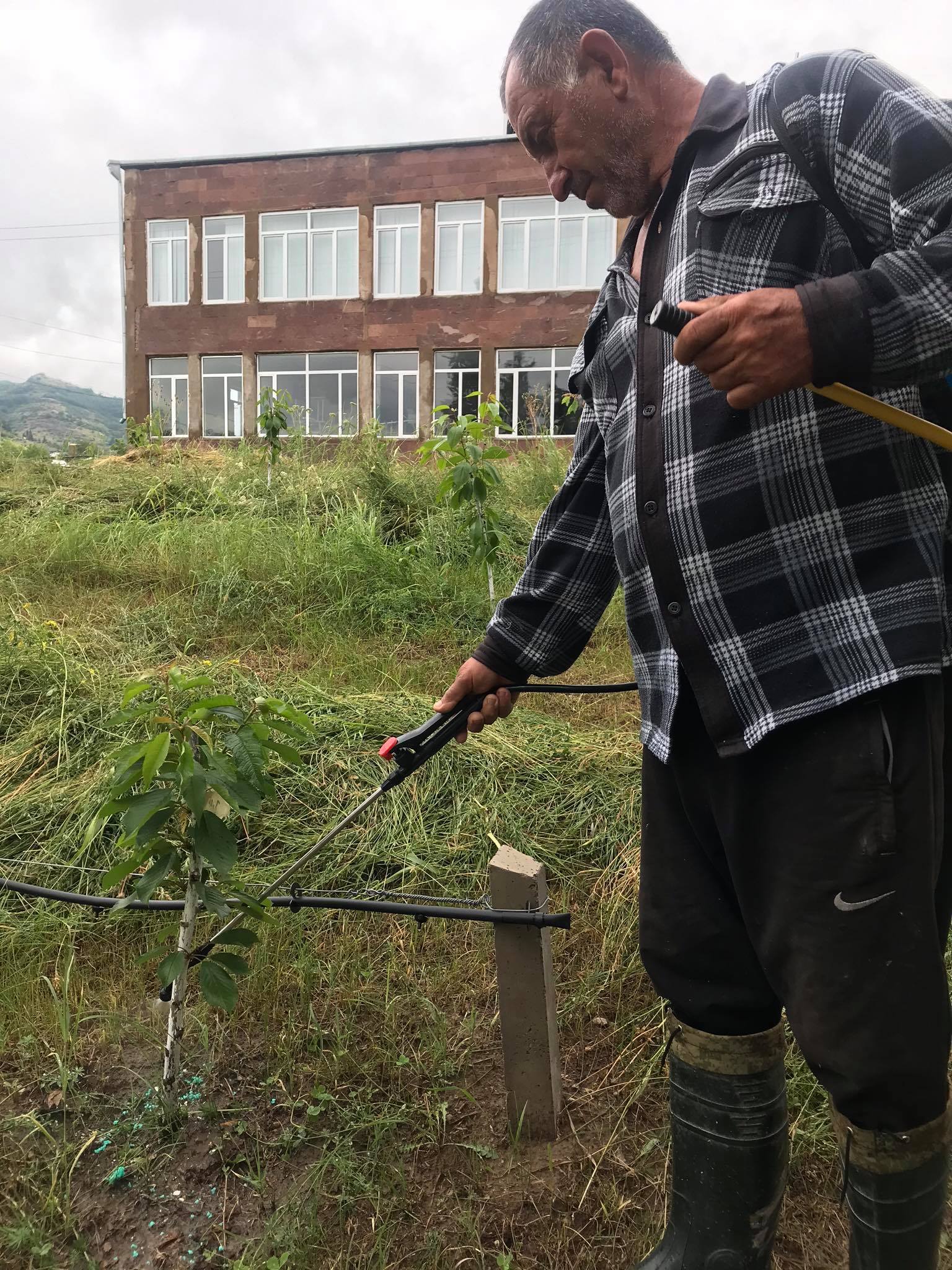
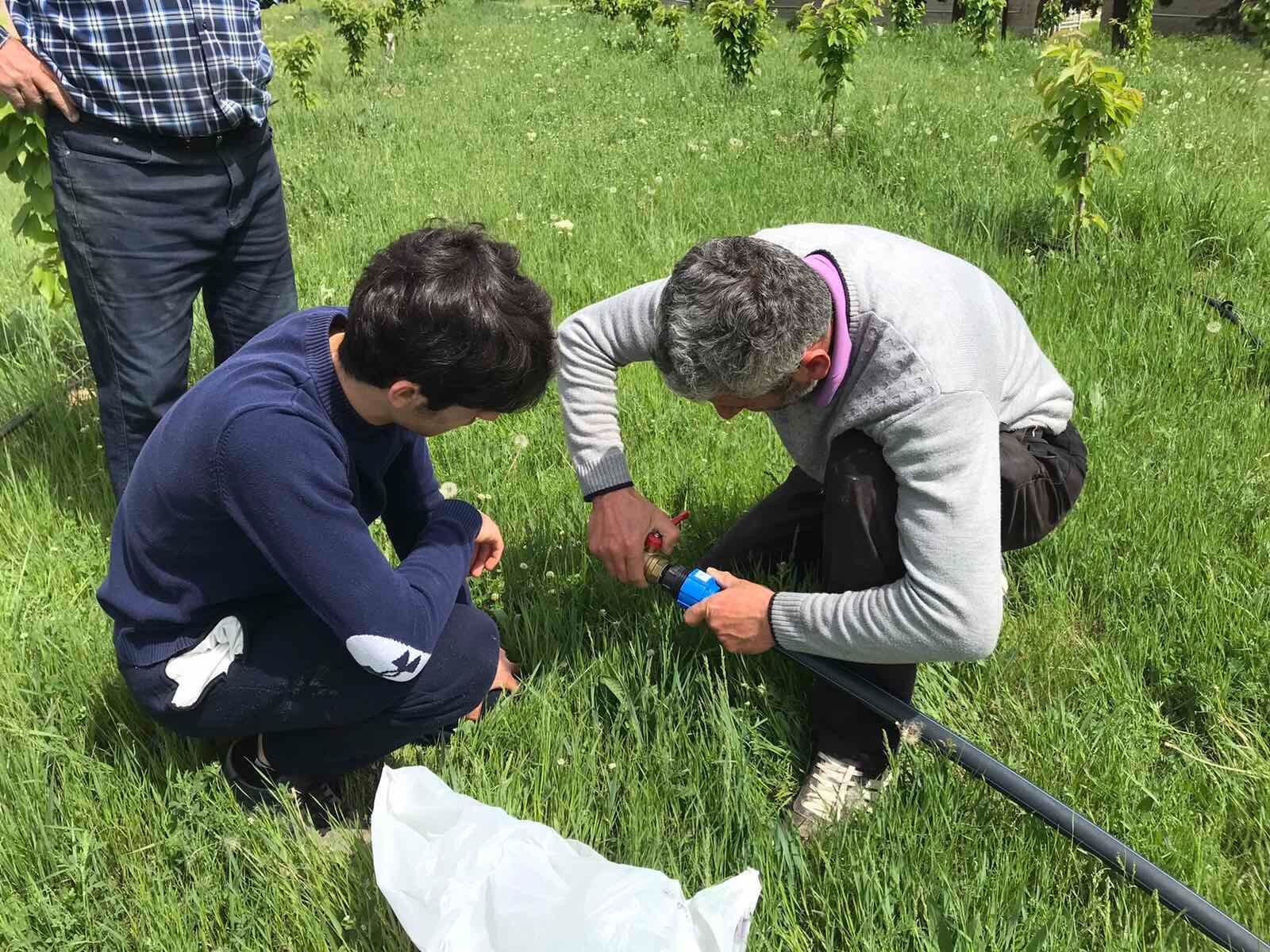
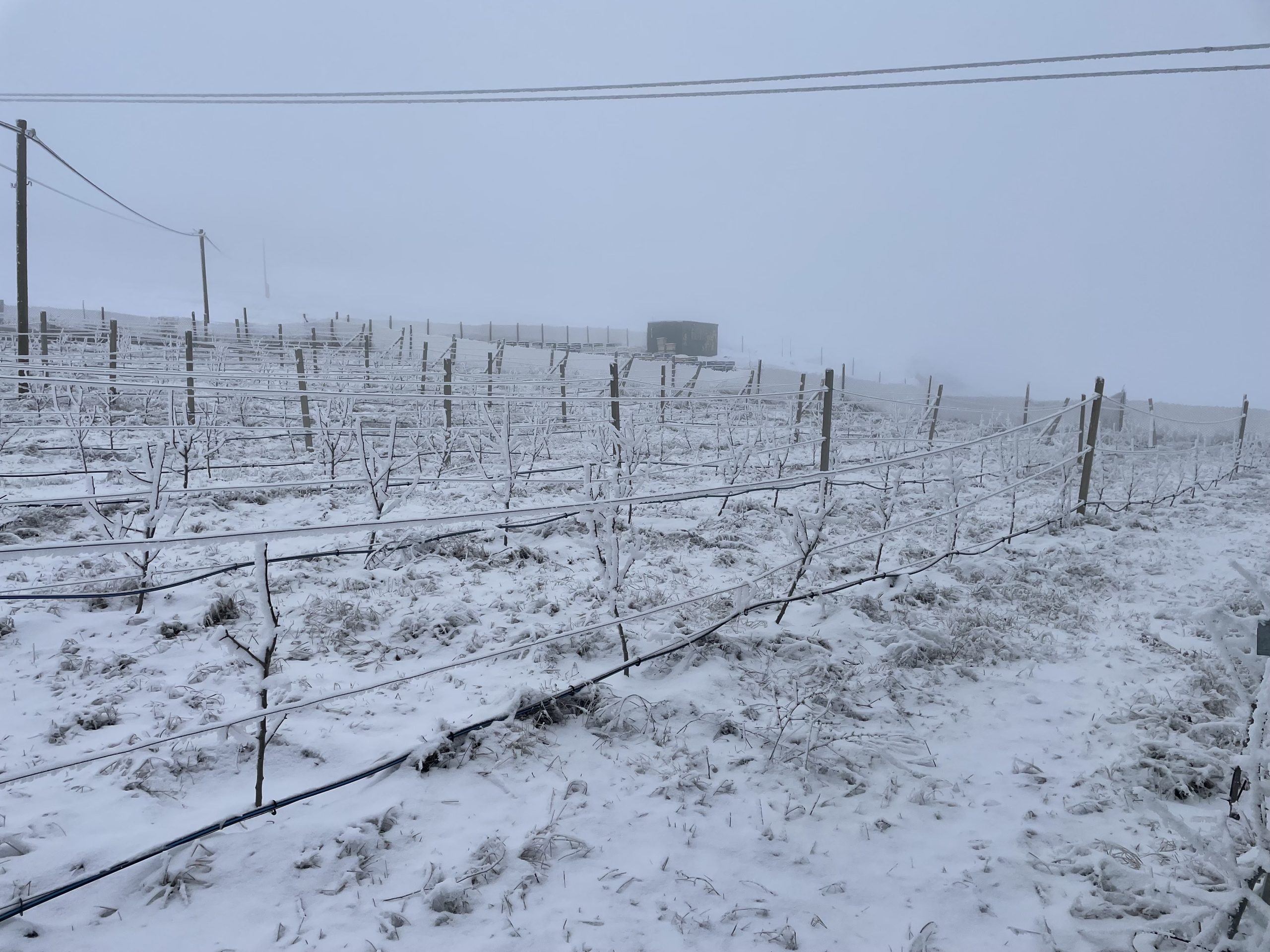
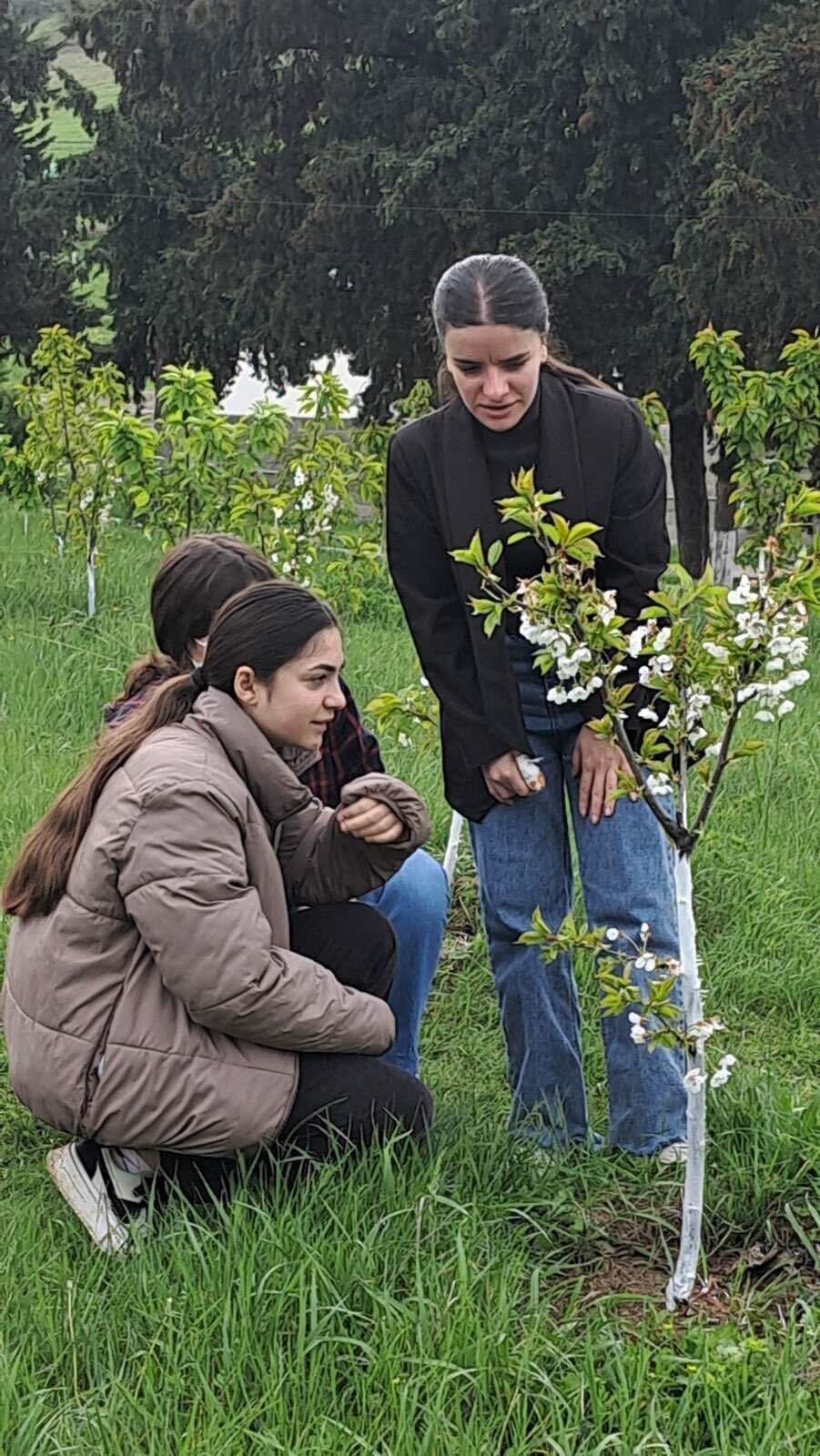
More than 800 high quality fruit trees will be planted along with a drip irrigation water system. Staff will both oversee the orchard on a regular basis and provide a living classroom experience for students at the school. Within three years, it is expected that the orchard will provide commercially viable quantities of fruit. This project will have the added benefit of encouraging the creation of other local businesses to further process the fruit and creating additional value for the marketplace. Proceeds will be reinvested into the community.
Economic opportunities in border villages like NKA are extremely limited due to lack of investment and safety issues.
Short Term Impact
In the short term, several employees will benefit from the work in preparing the school grounds for planting 800+ fruit bearing trees. A new full time staff position at the school will be created to support both the orchard and classroom instruction.
Long Term Impact
In the long term, once this pilot project proves successful in helping improve the economics of this village, this project will be replicated in other needy communities.
Sponsors Benefits
Sponsors of this important project will be listed on a plaque at the orchard, on The Paros Foundation website, and in all appropriate public statements. Visits to the orchard can be arranged for families visiting Armenia.
[vp_give_donor_wall
donors_per_page=10
show_total=false
show_modal=true
form_id=”63070″]
Updates: Images & Information
June 6, 2021
June 6, 2021
June 8, 2021
June 11, 2021
August 13, 2021
October 18, 2021
November 16, 2021
November 30, 2021
March 14, 2022
April 20, 2022
May 6, 2022
June 8, 2022
June 28, 2022
July 29, 2022
September 28, 2022
December 19, 2022
January 11, 2023
March 28, 2023
April 20, 2023
June 2, 2023
June 13, 2023
December 4, 2023
December 4, 2023
November 14, 2024
November 18, 2024
Previous
Next
November 26, 2020
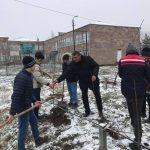
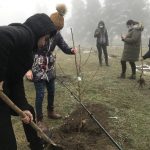
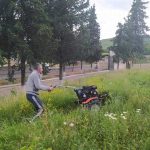
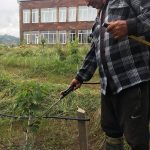
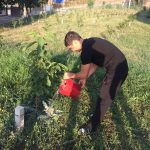
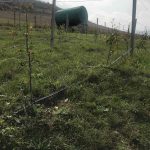
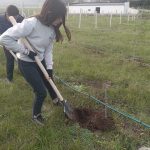
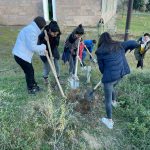
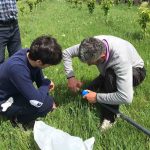
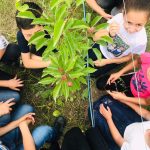
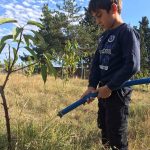
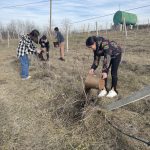
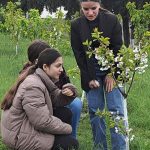
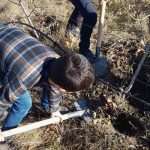
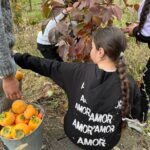
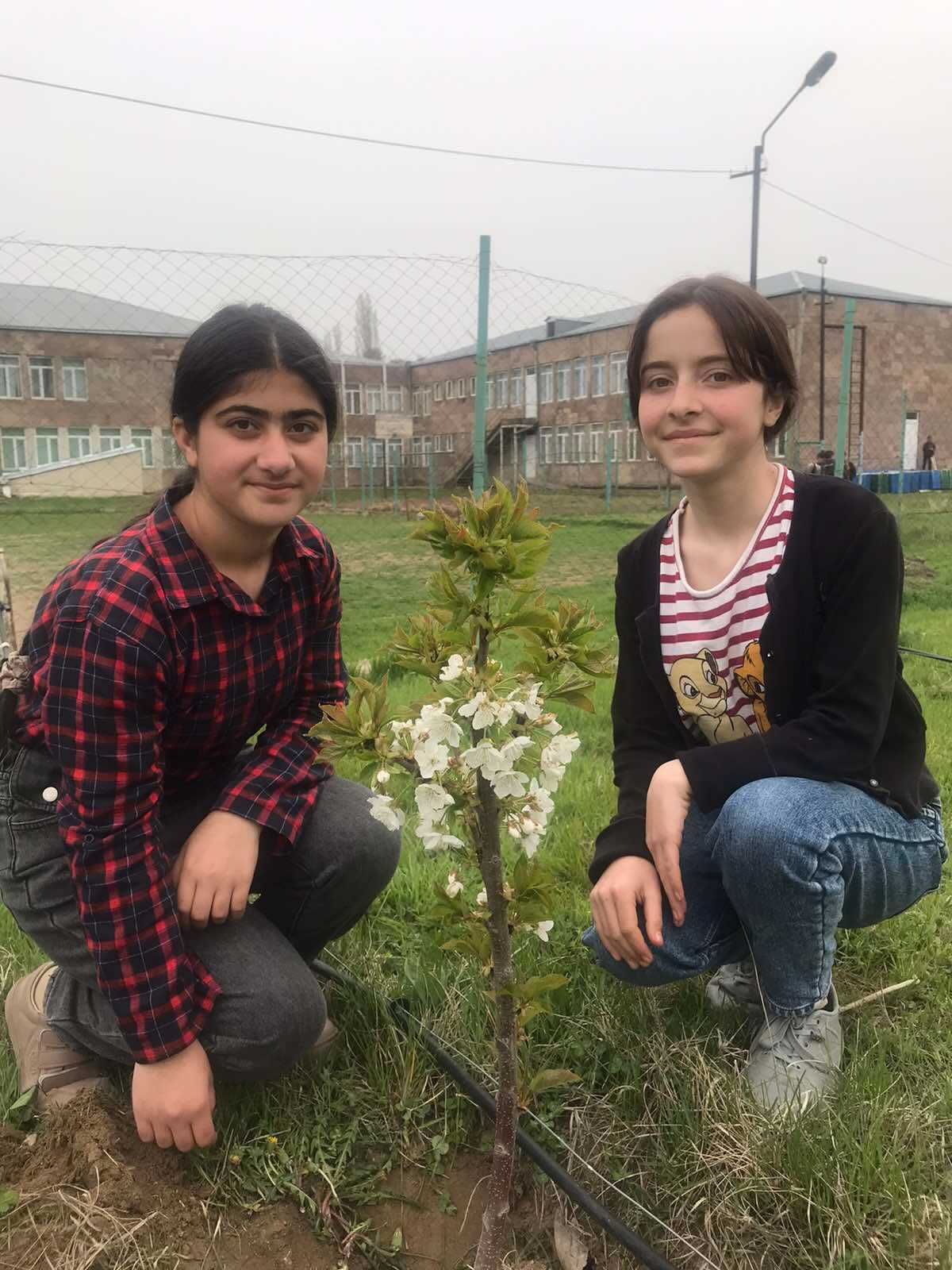
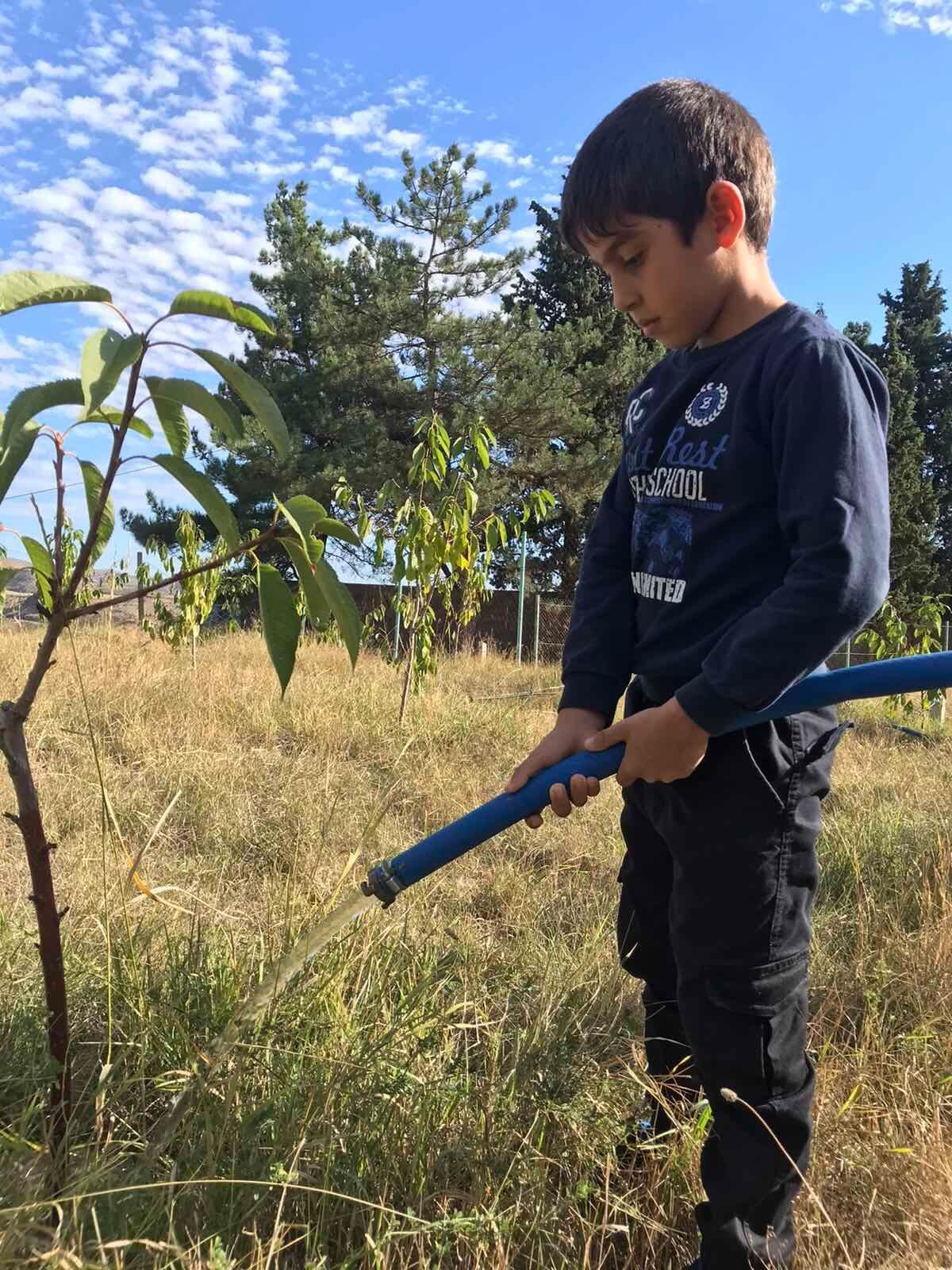
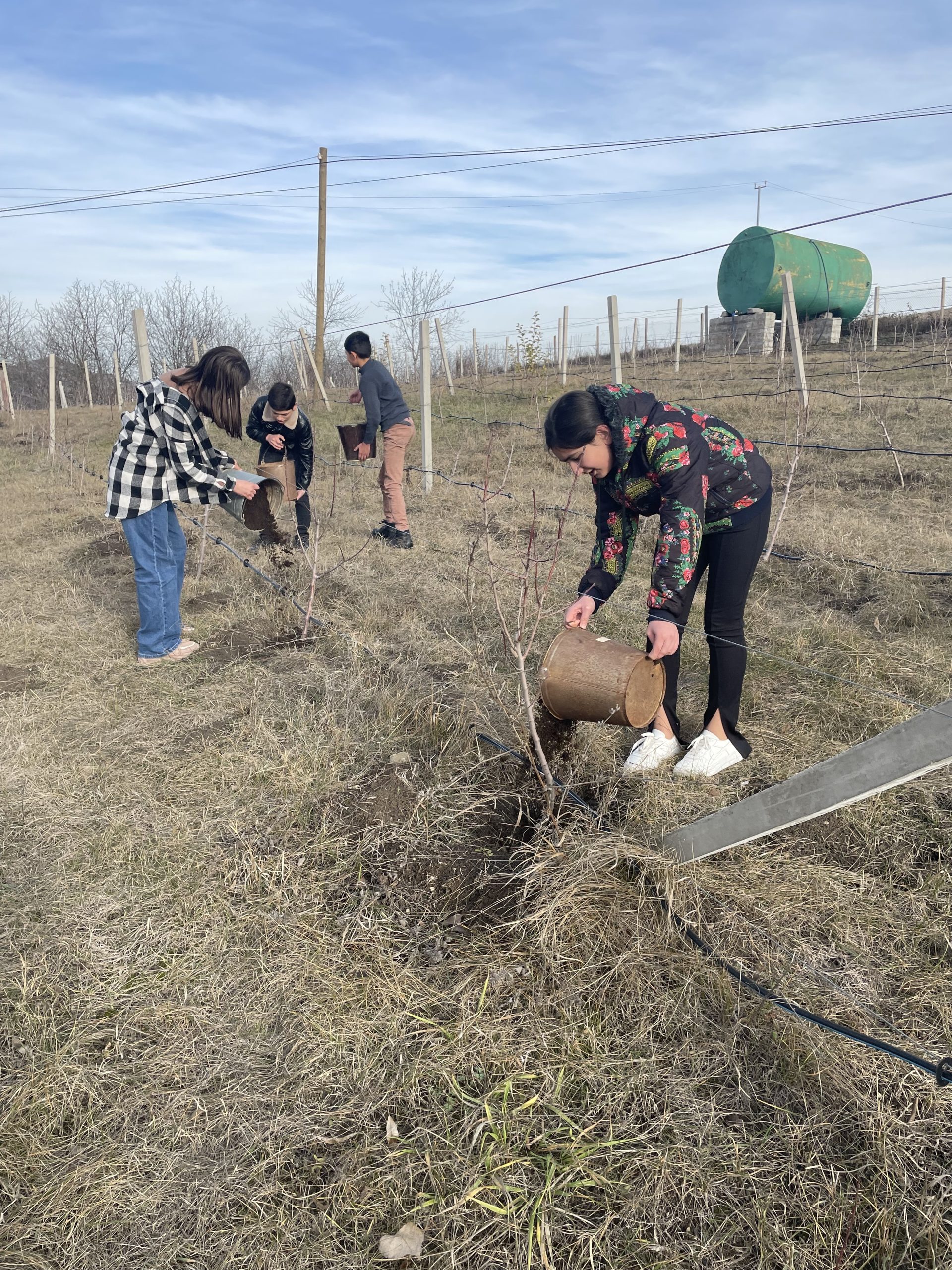
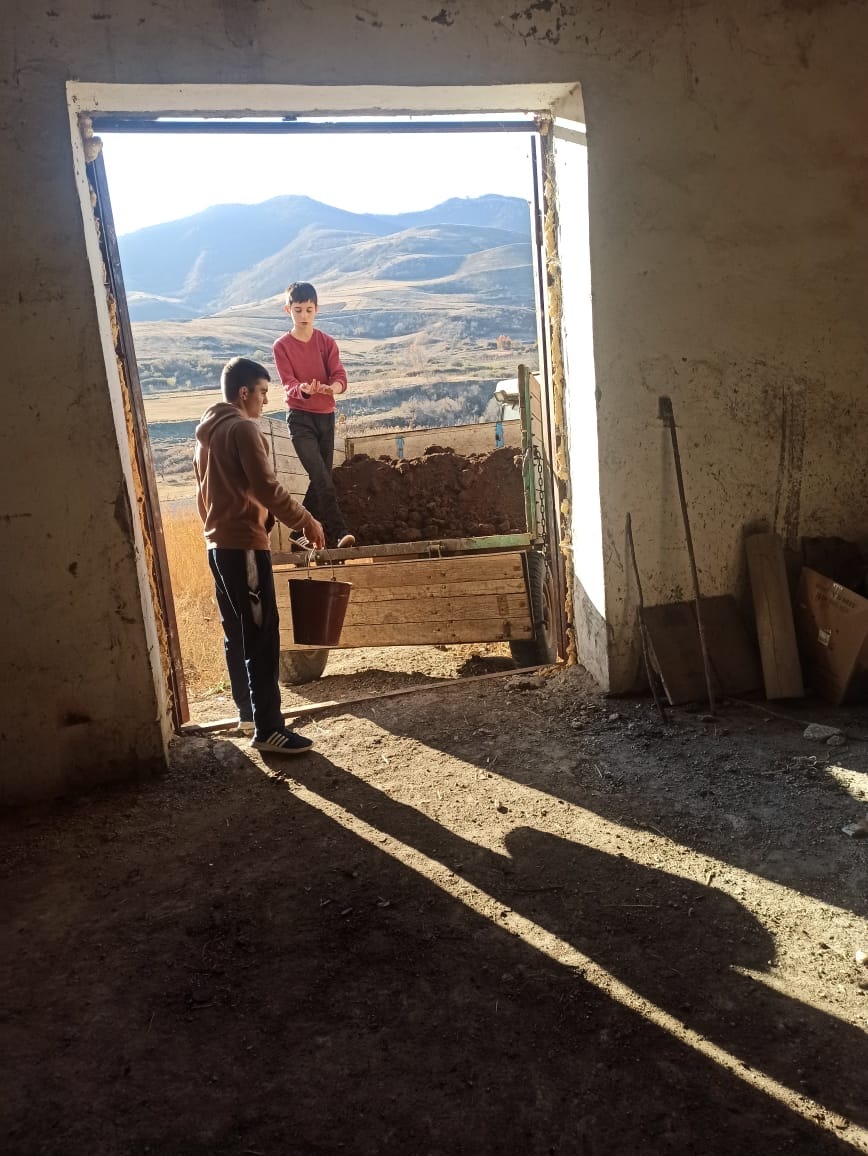
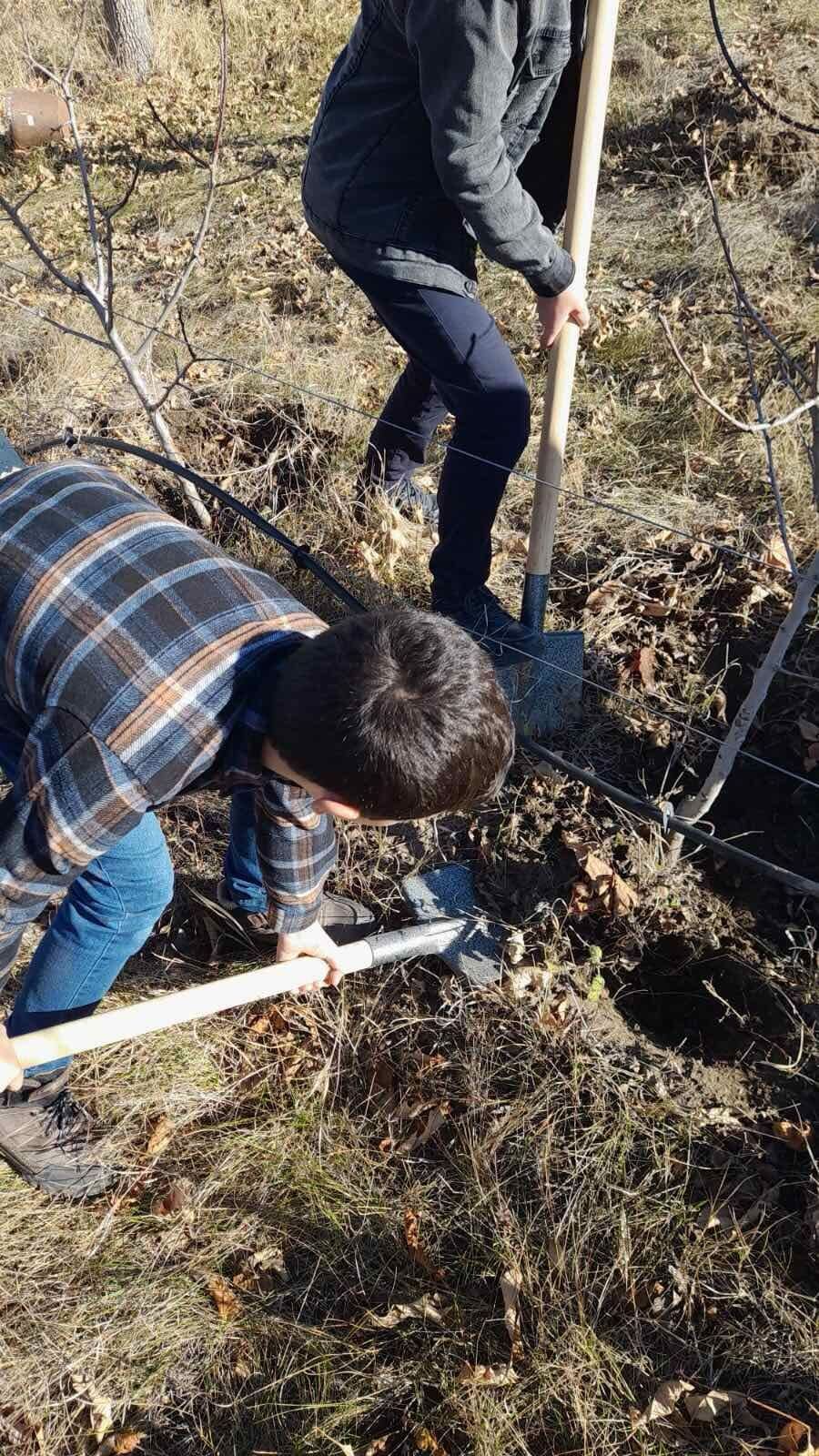
With the drip irrigation system installed, staff, students and teachers joined in to plant more than 800 fruit trees.
March 18, 2021
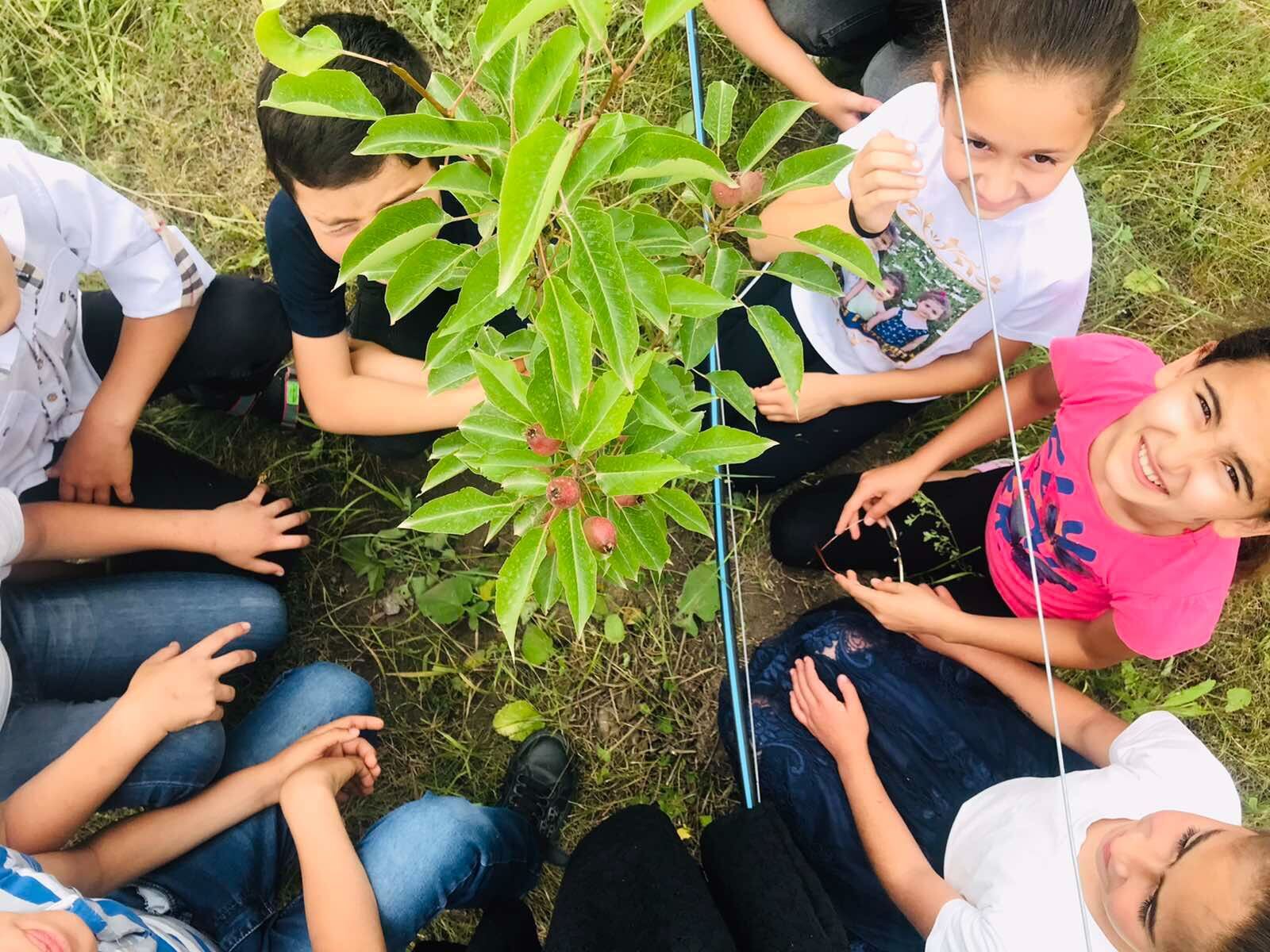
Classroom and field based instruction began for the students at the Nerkin Karmir Aghbyur Primary School. They will learn how to manage the orchard through hands-on activities.
November 16, 2021
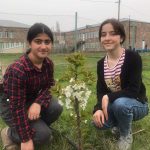
Students helped plant 18 new trees in place of those that needed to be replaced.
July 29, 2021
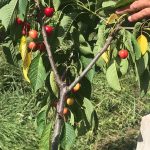
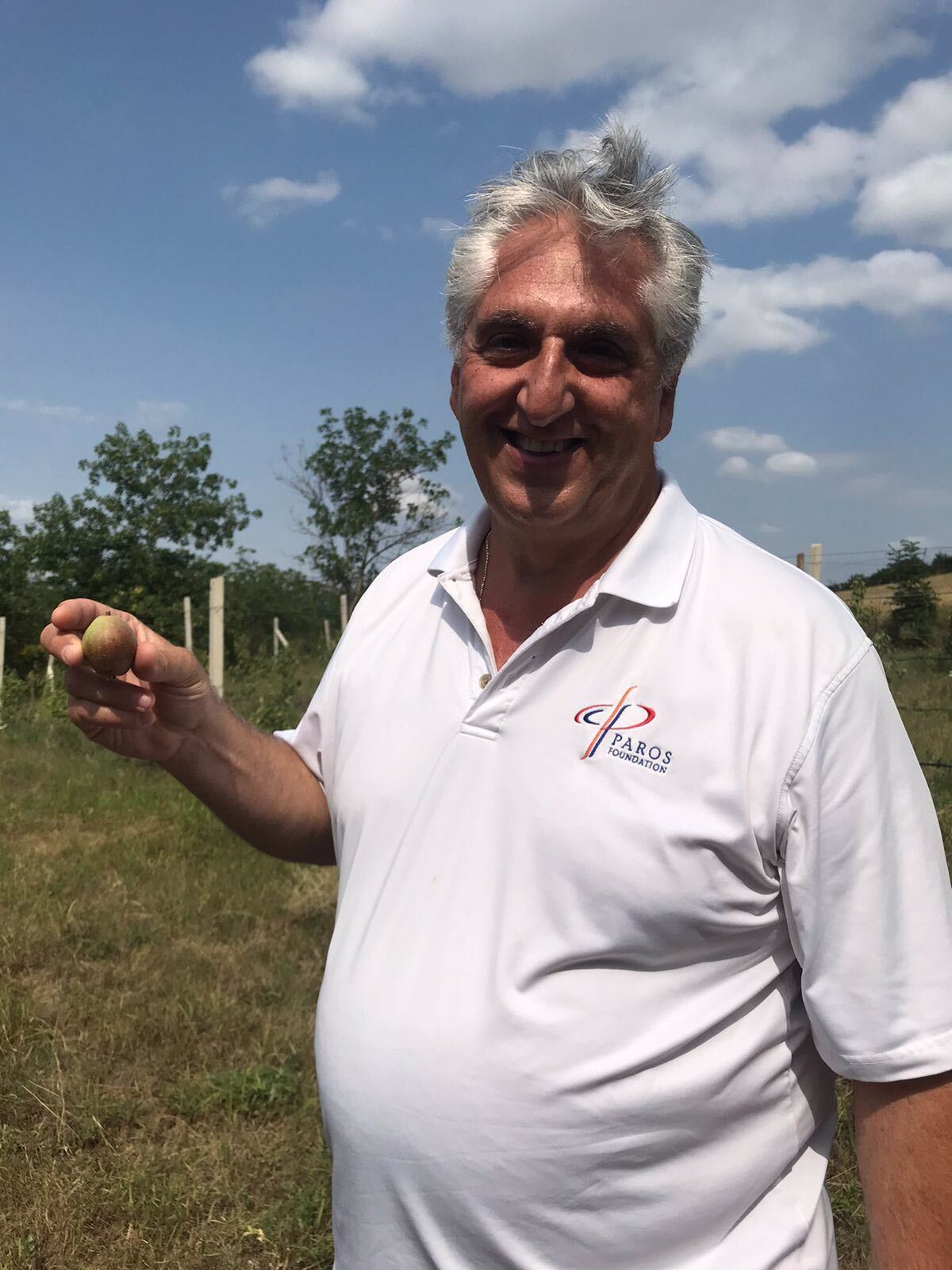
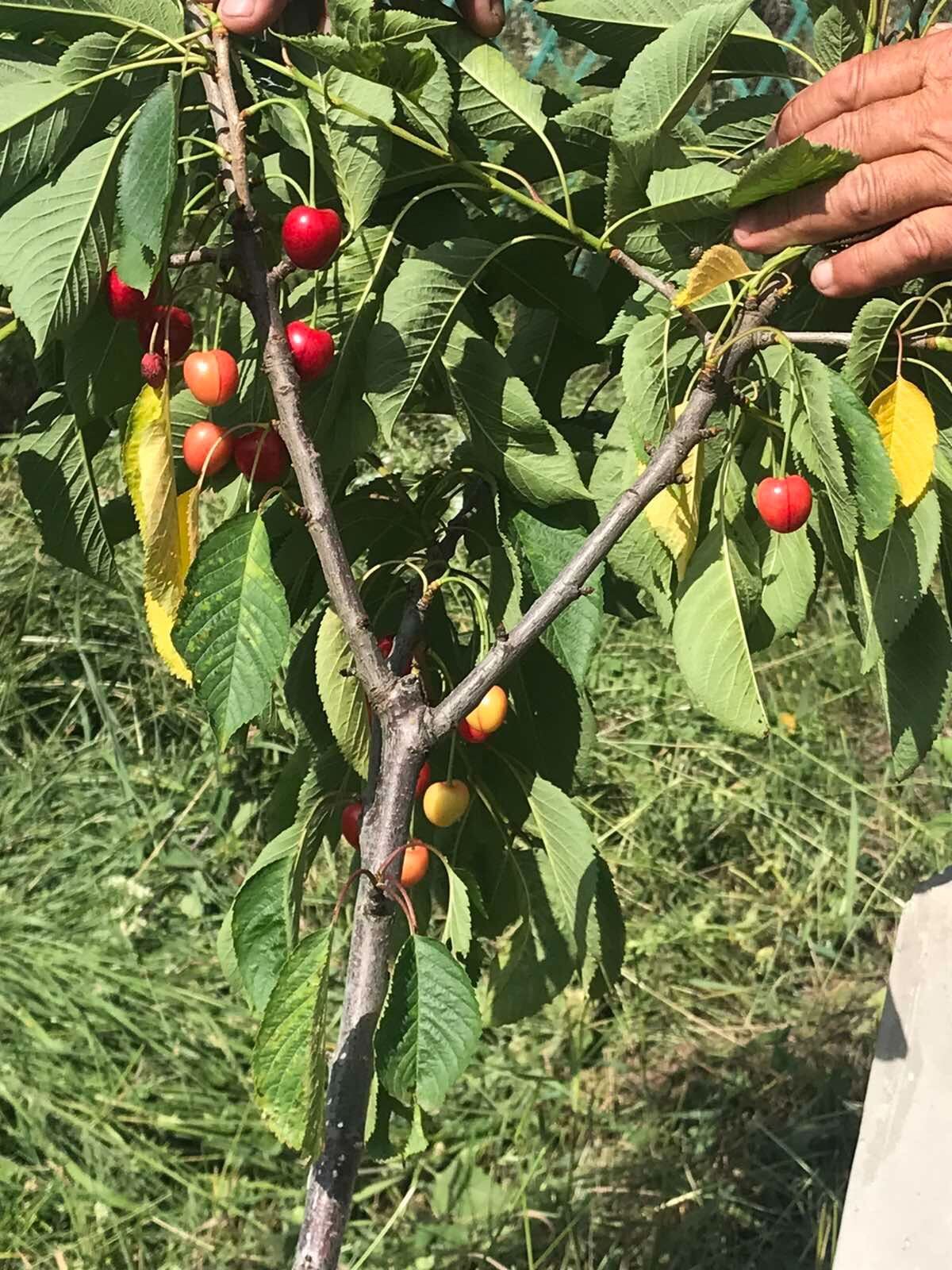
The Paros team visited the school orchard today. We were delighted to find that the trees were giving fruit and in full bloom getting ready for fall.
March 28, 2023
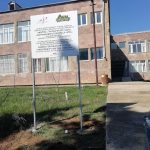
A sign thanking our sponsors is added for providing this school with an orchard.
June 13, 2023
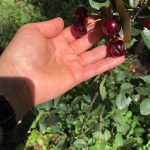
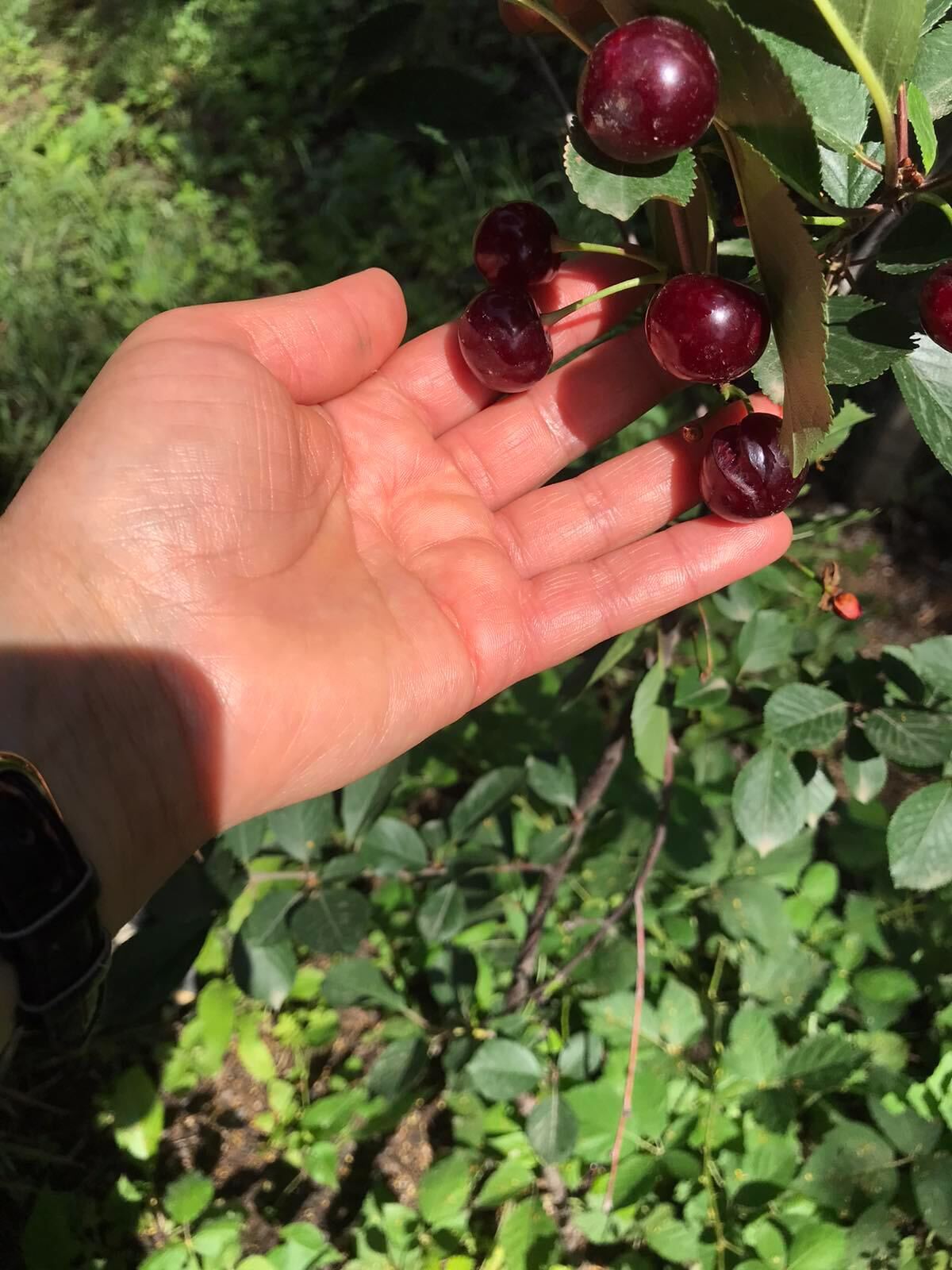
For a second season in a row, the orchard is providing fruit for the Nerkin Karmir Aghbyur Primary School. The cherries are ready to be picked and we are excited to have a full crop in 2024.
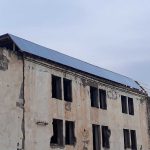
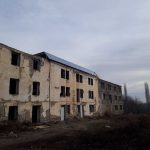
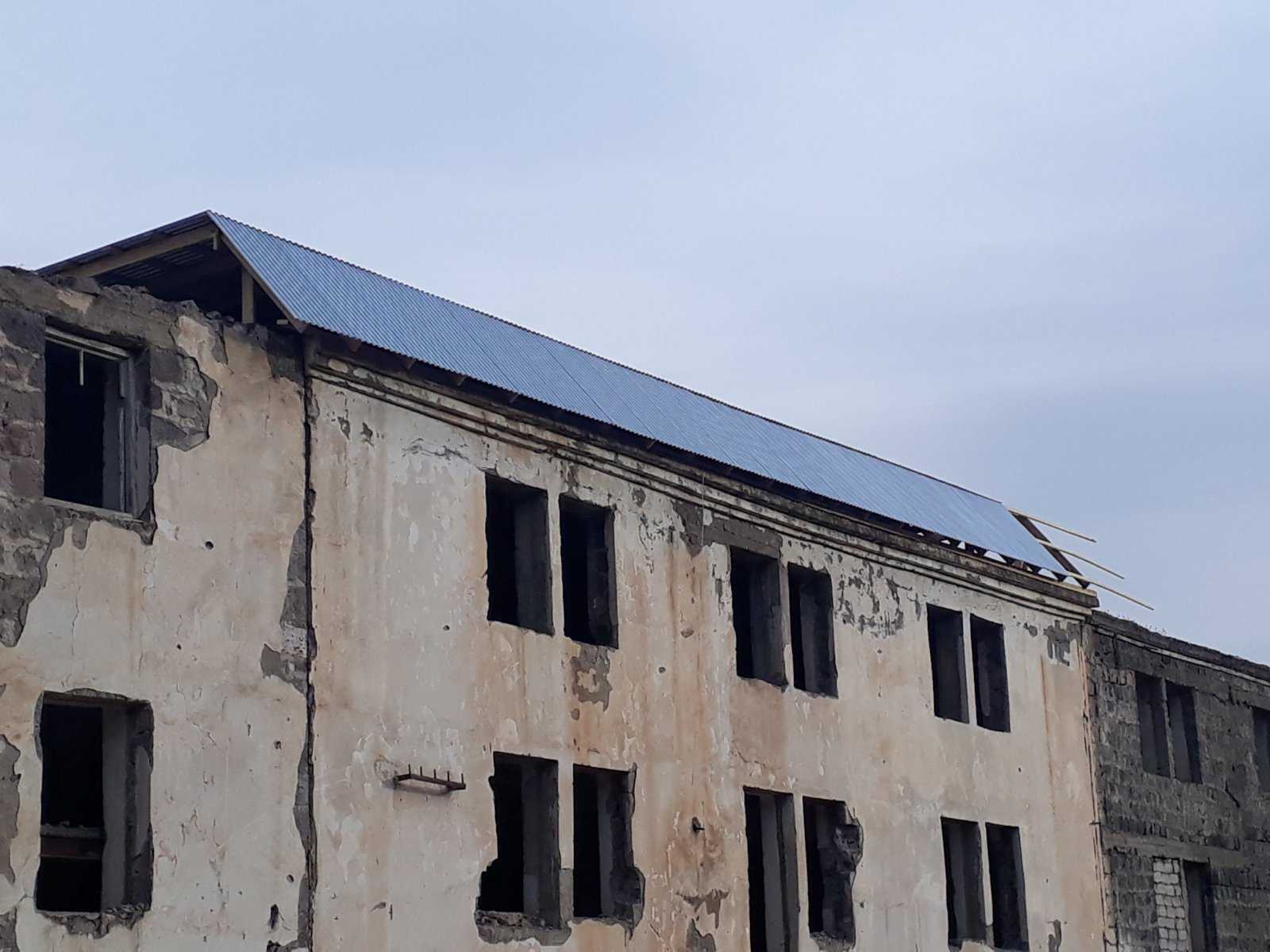
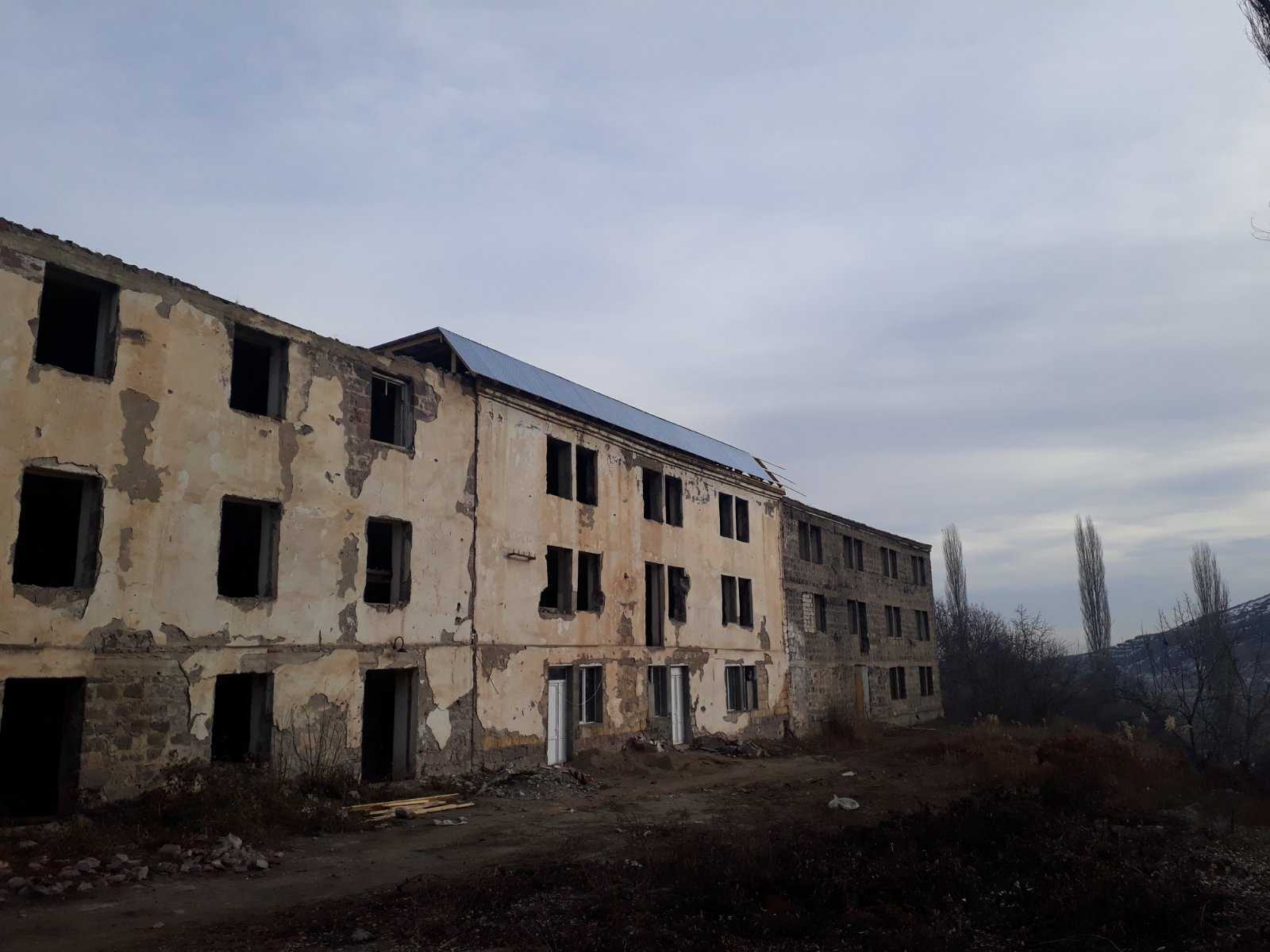
Aygepar is a village of 675 people located in Armenia’s Tavush region. The terrain is such that Azerbaijan is surrounding this village on three sides with sniper posts in the hills above. 53 of the village’s men work as contract soldiers guarding this important border and protecting their homes. Few other jobs exist in this village to support the 210 families that call Aygepar their home. The village does not have much land to grow crops and/or care for animals, making agribusinesses difficult to implement. During the Soviet Union, the village of Aygepar was built to sustain workers working at the three (now non-functioning) village factories (tobacco processing, champaign and fruit preserves and compote.)
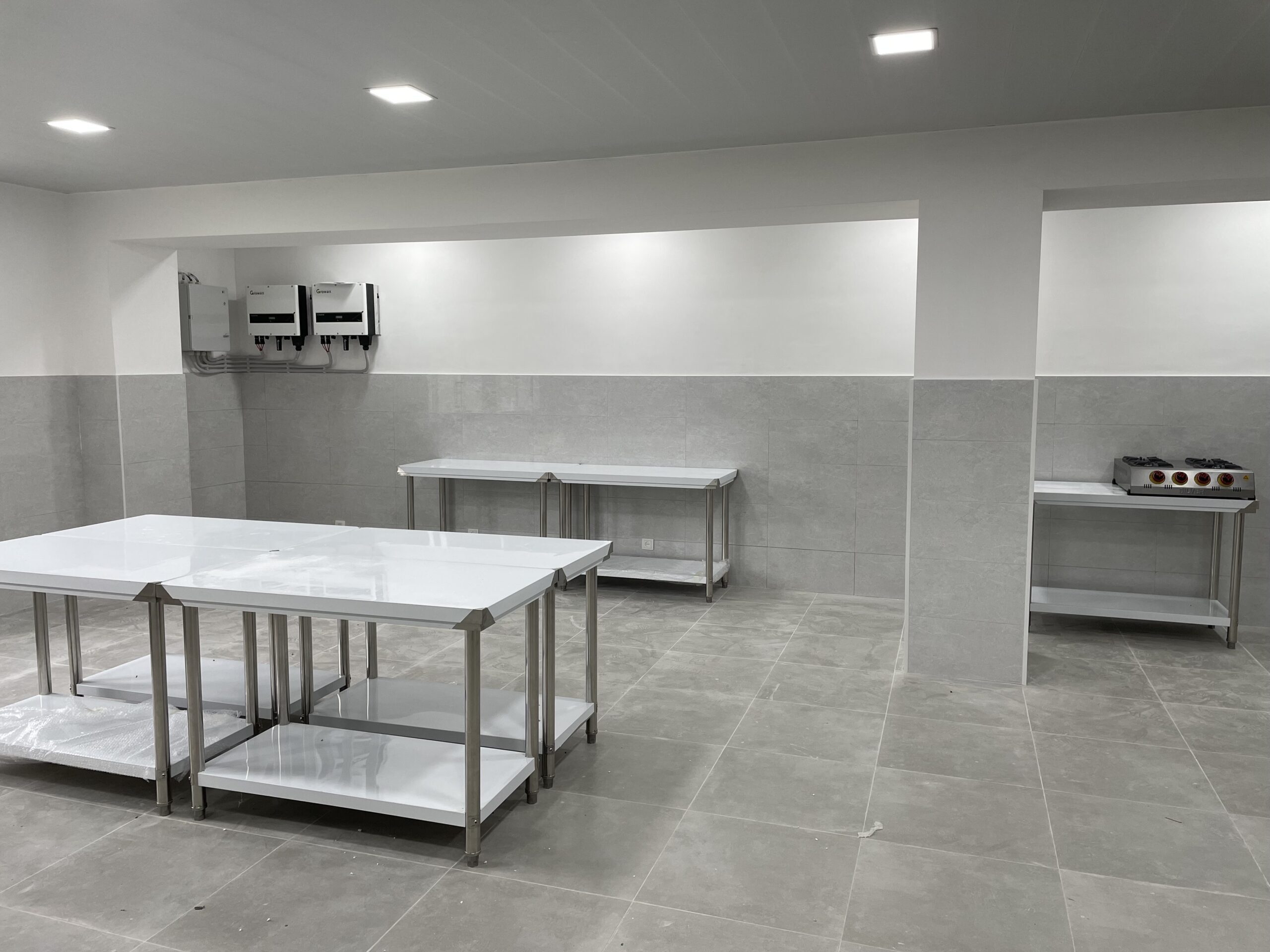
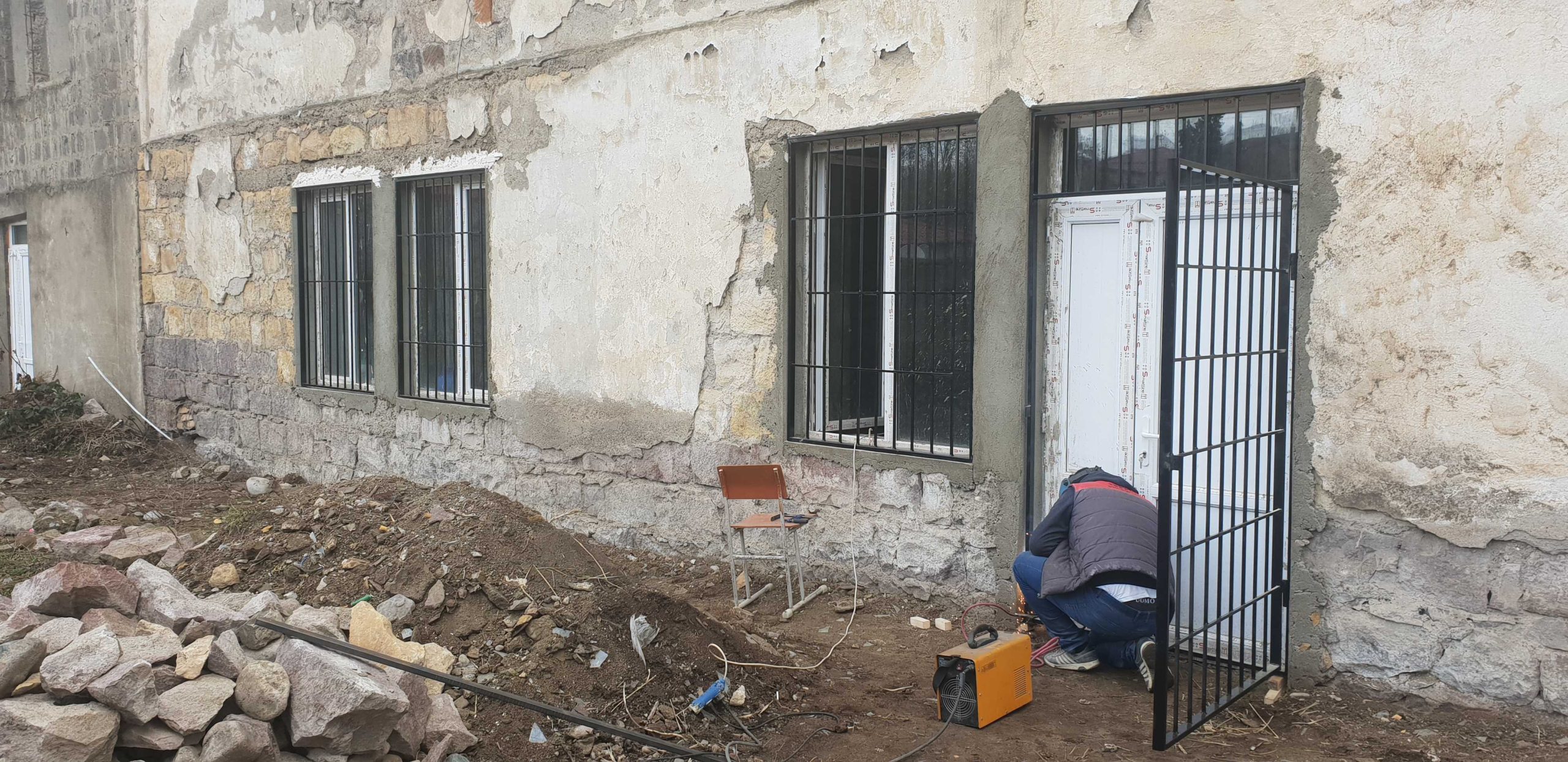
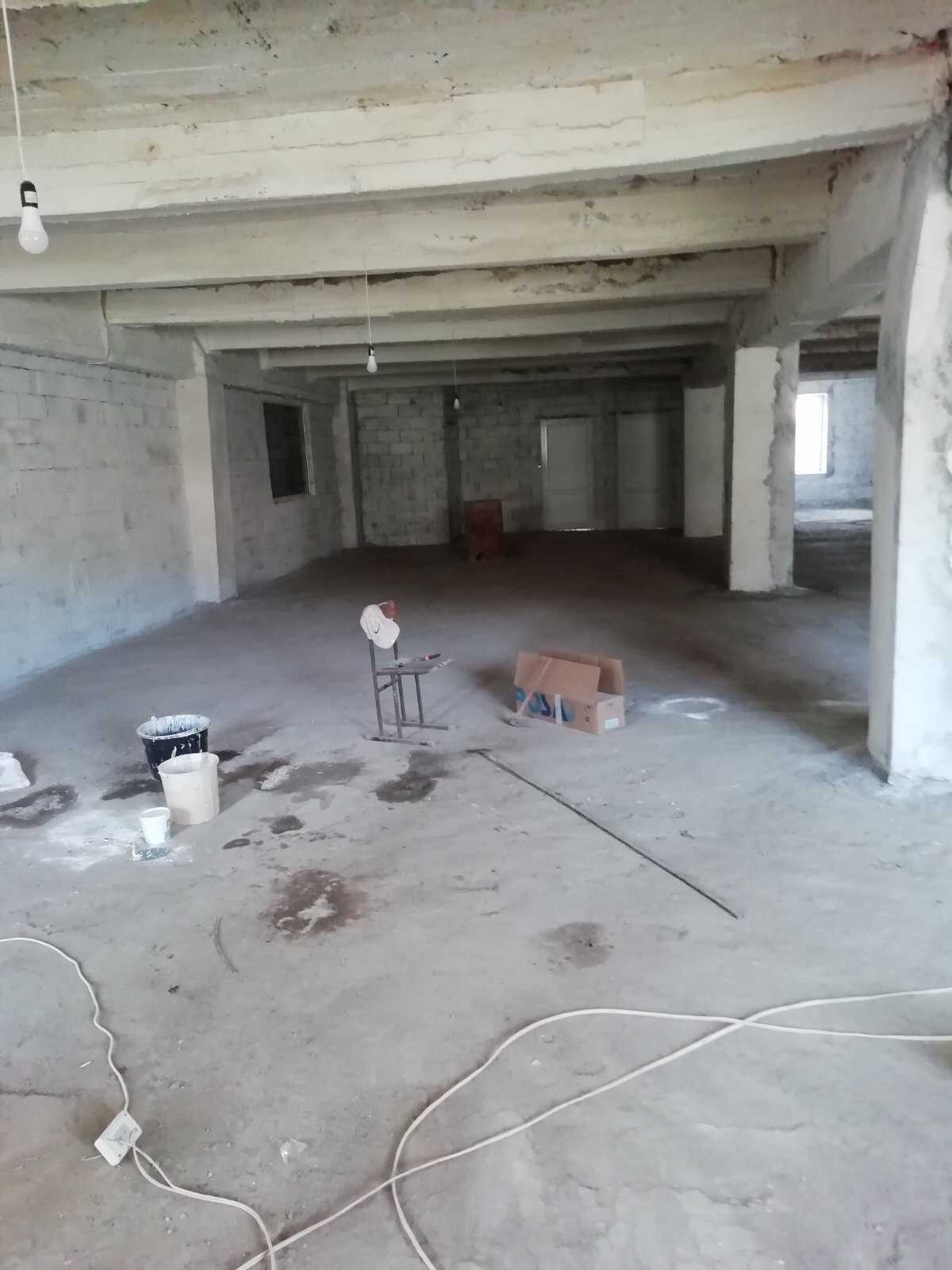
To address the dire economic situation for Aygepar’s residents, The Paros Foundation will establish a business incubator aimed at establishing conditions to allow the start of several small businesses for local families. With proper oversight, training and guidance villages will be able to launch their businesses in sanitary conditions and take advantage of a larger marketplace. The Paros Foundation has been granted ten year usage of one of three abandoned factories for the project’s use free of charge. The Paros Foundation needs to raise a total of $75,000 to make investments in the facility and to support the launch of this important project.
The Paros Foundation will provide space to locals interested in starting their businesses rent free. In addition, Paros staff is dedicated to investigating and helping secure export opportunities for commodities and/or helping secure distribution to the marketplace.
Region
Tavush
City / Village
Aygepar
Start Date
August 2020
End Date
Eight Years From Start Date
The Need
The villagers in the border community of Aygepar need opportunities to work and to care for their families. The village does not have much land to grow crops and care for animals. Most survive with the small gardens they have at their homes. One of three abandoned factories in the village needs to be renovated to launch a Business Incubator to help provide rent-free space and technological knowledge for villages to start their businesses.
Short Term Impact
A construction crew will be immediately hired to make the necessary renovations to the building that will house the Aygepar Business Incubator. Local materials and labor will be utilized that will immediately benefit the local economy.
Long Term Impact
In the long term, village families will benefit from the businesses they are able to start through their work and ownership. The village as a whole will benefit through this increase in income from its residents. Based on the improved economic conditions, villagers will feel more secure and stable in Aygepar, and thus be less likely to consider abandoning their homes and moving elsewhere.
Sponsors Benefits
Sponsors of this project will be listed on The Paros Foundation website, in any appropriately related print or electronic promotional materials, and on a plaque at the Aygepar Business Incubator.
After more than a year of researching and planning, our team had made the decision to begin renovation of space and begin the process of job creation by launching the first of the many businesses envisioned at the Aygepar Business Incubator. We decided it would be much more beneficial for the community to have the opportunity to utilize quality, clean and secure space for their business, rather than promote any one specific business. Initial serious consideration was given to open a mushroom farm in the space, but due to the inability to attract technical expertise in the form of a project partner, it was determined that this is a much better path to follow.
August 12, 2020
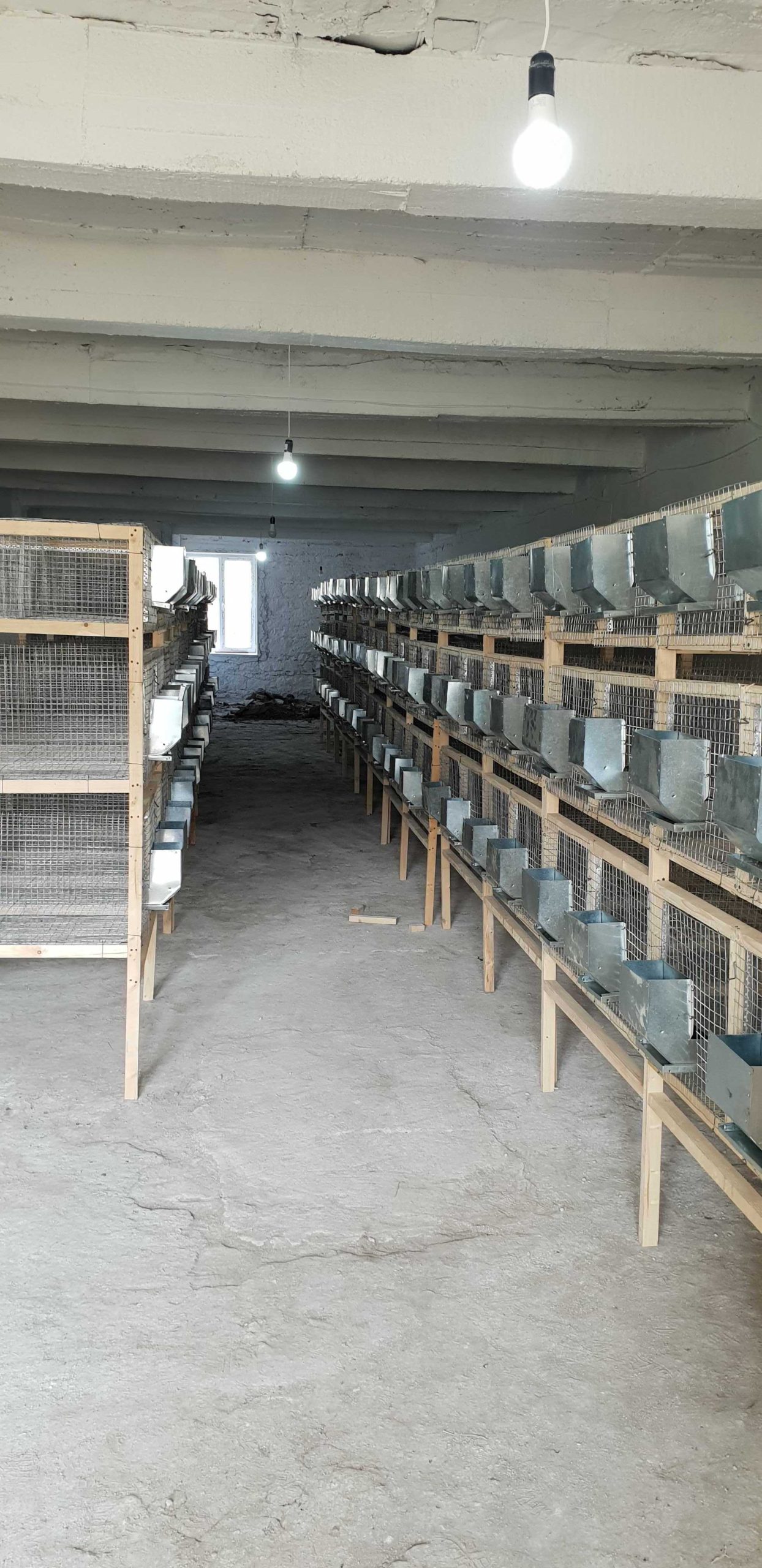
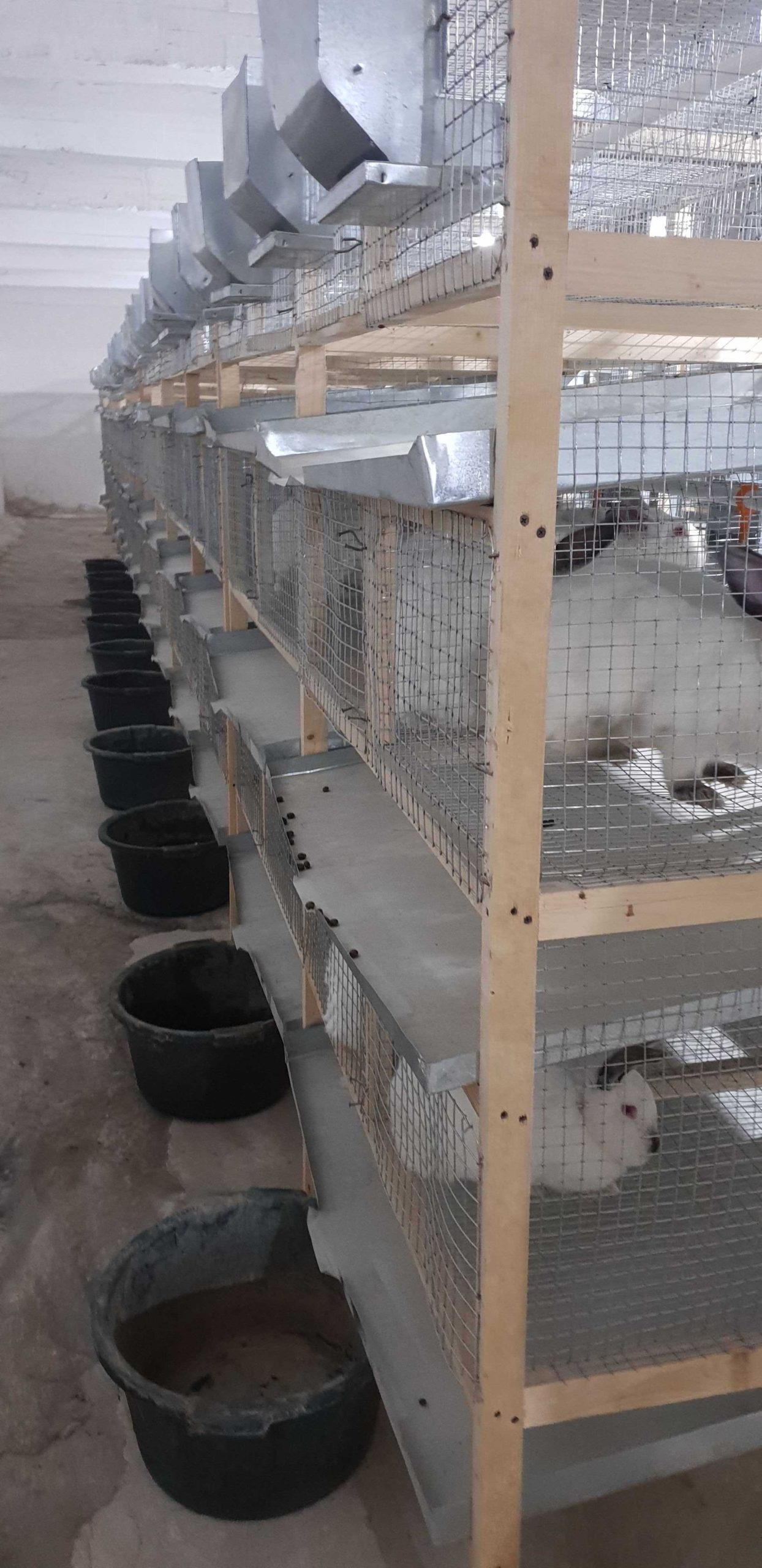
A new roof was built and installed over one half of the building to allow us to launch the first businesses including a rabbit farm and fertilizer production.
December 23, 2020
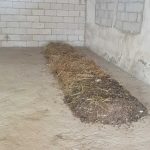
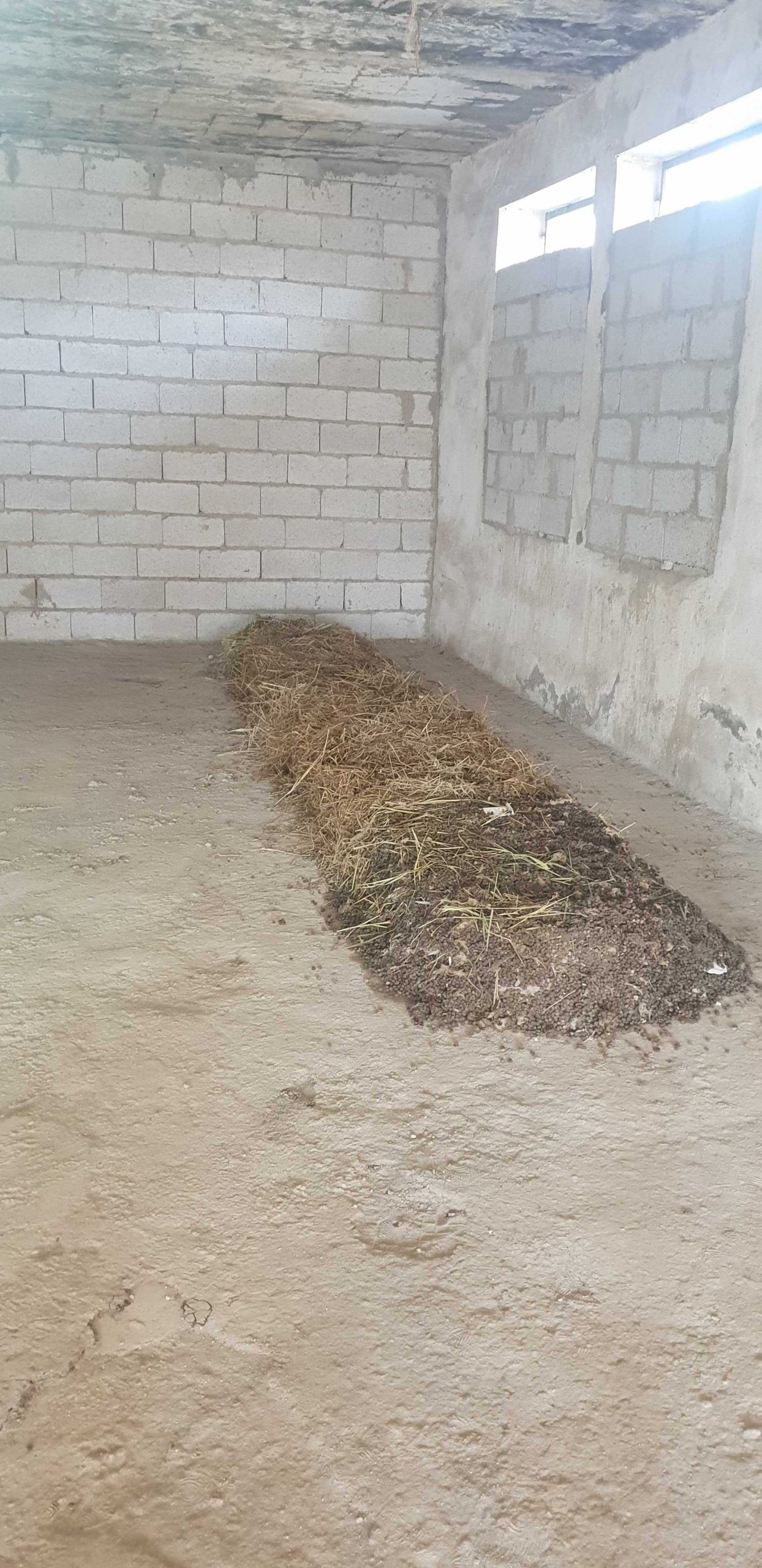
Both the rabbit farm and fertilizer projection businesses were launched this month.
The Shirak Center NGO, established in 2006, has been an instrumental organization aimed at helping Gyumri and its residents. Chairman, Vahan Tumasyan, and his staff have worked tirelessly for years fighting for the rights of impoverished residents, helping bring humanitarian aid and supplies to their families and helping shed light on their devastating living conditions. Furthermore, the Shirak Center NGO aims at bridging differences between local authorities and communities in Gyumri through coalition building and conflict resolution, and promotes homeless advocacy, and economic and social rights and civil liberties.
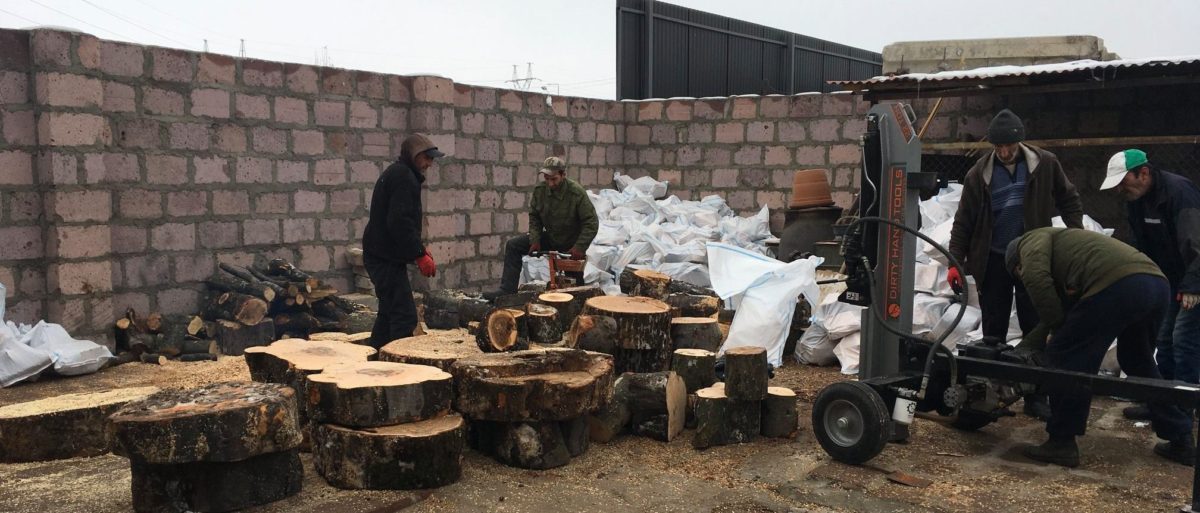
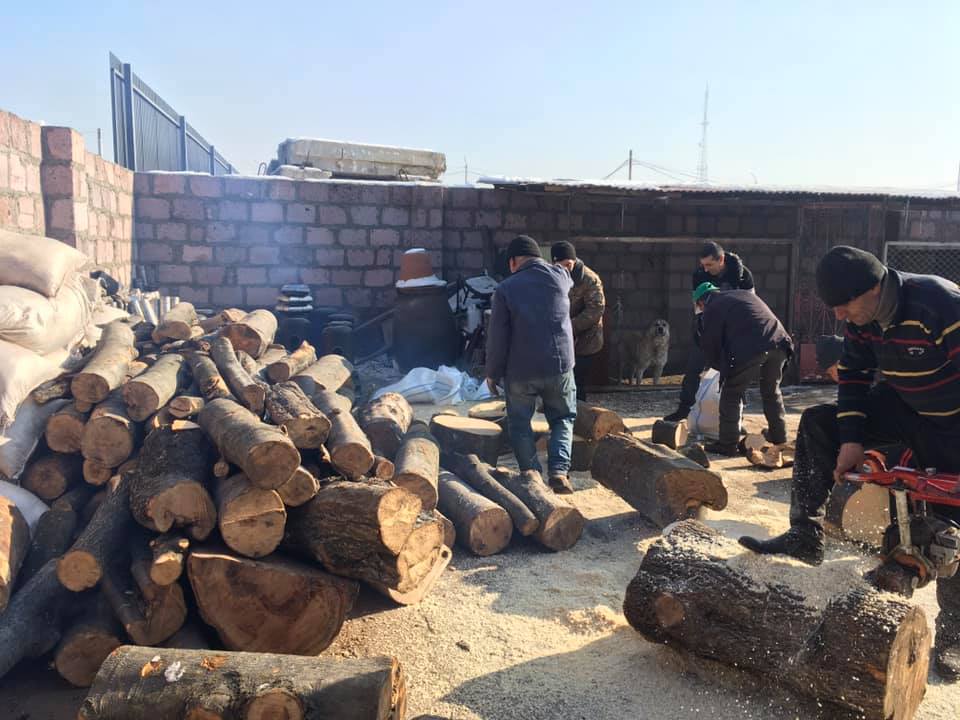
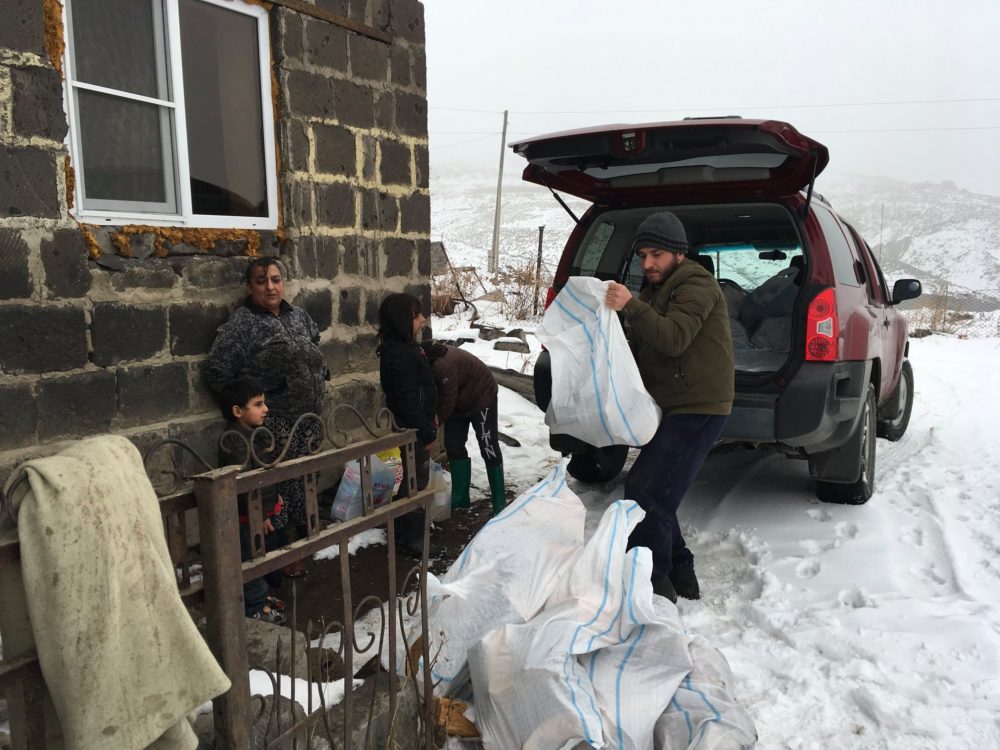
The Shirak Center NGO is also an important partner of The Paros Foundation and together we have successfully implemented several projects in Gyumri’s impoverished neighborhoods including the distribution of winter boots and coats for children, firewood for fuel to keep families warm and give them the ability to cook in the winter, identified and moved families out of domiks into homes and worked with children from these neighborhoods.
In order to continue this important work the Shirak Center NGO is always in need of additional funding. Sponsorship of this project will provide the funds needed to allow Shirak Center NGO to continue to distribute firewood for fuel for heating and cooking. Gyumri’s harsh winters and extreme poverty has led to families burning trash to keep warm and cook food for their families. Shirak Center NGO will also use the funds in order to locate and identify the vacant domiks in Gyumri, purchase the domiks from their owners, demolish them and distribute the remaining scraps of wood to other families in need who are still living in domiks and condemned buildings. Demolishing these domiks has several benefits including raising the communities morale, returning land to its former use and providing firewood for fuel to impoverished families. Finally, some of the funds will also be used to promote the work the organizations does through marketing, social media and communications and administration costs.
The Shirak Center NGO and the aid they provide impoverished families in Gyumri have become a vital part of these family’s future well-being and success. They are in need of funding in order to continue their important work.
Short Term Impact
In the short term, the Shirak Center NGO will be able to immediately continue their programs and distribute firewood to domik families, tear down abandoned domiks and distribute the firewood for heat to families, market their organization and cover some administrative costs.
Long Term Impact
In the long term, the advocacy work led by the Shirak Center NGO, combined with the humanitarian aid they provide Gyumri’s impoverished families will help these families come out of their devastating conditions gradually and will steer them towards a positive future.
Sponsors Benefits
Sponsors of this project will be recognized on all relevant press regarding this project and on The Paros Foundation and Shirak Center NGO websites and social media outlets.
[vp_give_donor_wall
donors_per_page=12
show_total=false
show_modal=true
form_id=”63129″]
The Armenia Support Fund (ASF) was established in early 2020 to take on strategic initiatives impacting Armenians in both Armenia and around the globe. In response to COVID-19, ASF partnered with The Paros Foundation to launch the “Armenia COVID-19 Small Business Support Initiative,” which aimed to raise funds to support the business-related needs of family-owned businesses negatively impacted by COVID-19 in Armenia. This project raised $50,000 and provided small business grants to over 40 struggling businesses in Armenia.
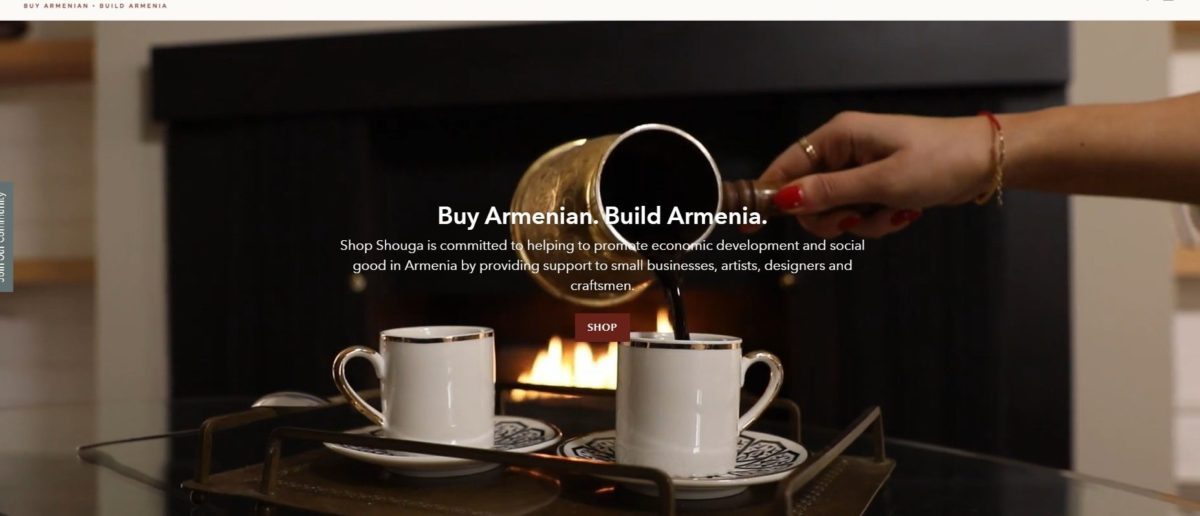
As part of ASF’s efforts to help rebuild Armenia after the devastation caused by the Azeri conflict, ASF has once again partnered with Paros to build the first ever exclusively Armenian online marketplace platform. This e-commerce website will be called, Shop Shouga (Armenian for marketplace) and will help businesses in Armenia sell overseas to diaspora communities and non-Armenians. We have handpicked and curated the collection to ensure the quality and value of the products.
Our team will help purchase the products that ASF has sourced from Armenia as well as ship them to Los Angeles where they will be placed in a fulfillment center for delivery.
Region
Throughout Armenia & Artsakh
City / Village
Throughout Armenia & Artsakh
Start Date
December 2020
End Date
December 2021
Gallery Images
The Need
COVID-19 and the war have had a devastating effect on Armenia’s economy and families that own small businesses. The pandemic ruined Armenia’s flourishing tourism industry and the war has displaced many small-business owners. Now, more than ever, it is crucial that we encourage people to buy Armenian products. The Armenia Support Fund is committed to helping enable Armenia based small businesses to sell online internationally.
Short Term Impact
In the short term, this project will help Armenia based small businesses get back on their feet and keep their businesses running. The affects of this project will be felt immediately as it helps promote economic stimulus in Armenia.
Long Term Impact
In the long term, helping these family-owned small businesses will not only help Armenia’s economy recover, but will help ensure these families remain committed to their businesses and not consider abandoning them for economic reasons.
Sponsors Benefits
Sponsors of this important project will be listed on The Paros Foundation and The Armenia Support Fund websites and in relevant press.
[vp_give_donor_wall
donors_per_page=12
show_total=false
show_modal=true
form_id=”63118″]