No products in the cart.

The Paros Foundation underwrites all administrative and overhead costs allowing 100% of all donor contributions to go directly towards projects and supported organizations.

Donations to The Paros Foundation Projects for Prosperity are tax deductible to the fullest extent allowed by law. To sponsor a project through The Paros Foundation, a 501 (c) 3 organization (Tax ID 20-5094630), or learn more about specific projects in need of funding, please contact us using the information below.

Contacts

2217 5th Street

Berkeley CA 94710

info@parosfoundation.org

(310) 400 9061

Project Category: Development

02-77-e1517897702152

Empowerment for Women 2

Empowerment for Women 2

Read Updates

Description

Border villages in Armenia, such as those in the Tavush region, are plagued with economic hardships and unemployment. These villages have very few options for employment (agriculture, teaching and few municipal positions) and do not have the means to seek training for new professions. For this reason, many of the residents (mainly men) flee to Russia to find employment and stable income. This leaves many women alone in their communities, without a profession and dependent on their husbands/fathers/brothers to send them money from abroad.
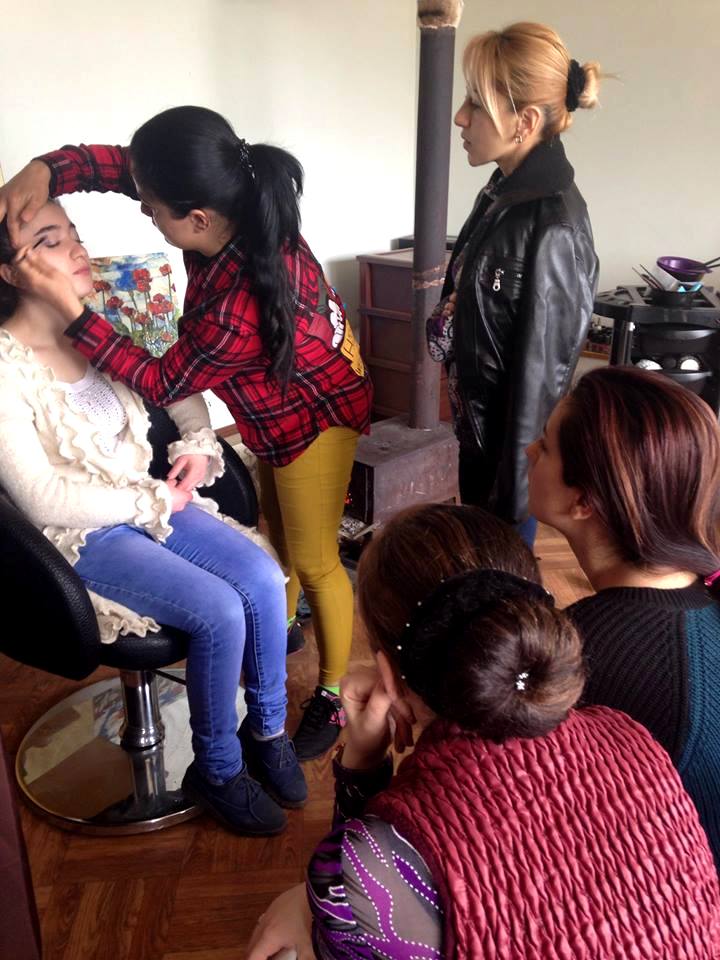
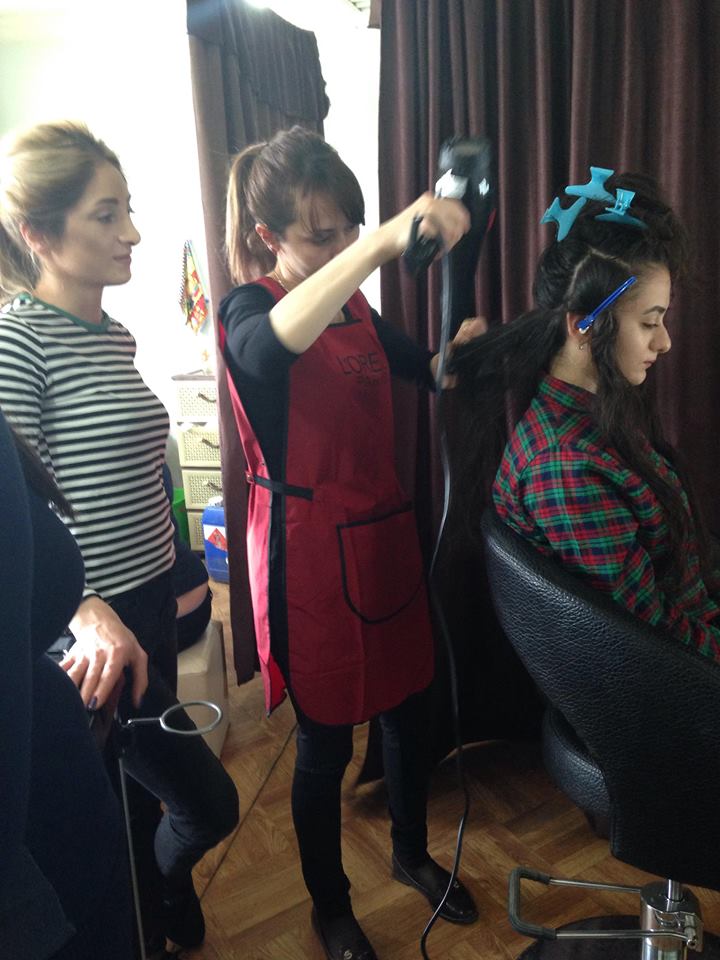
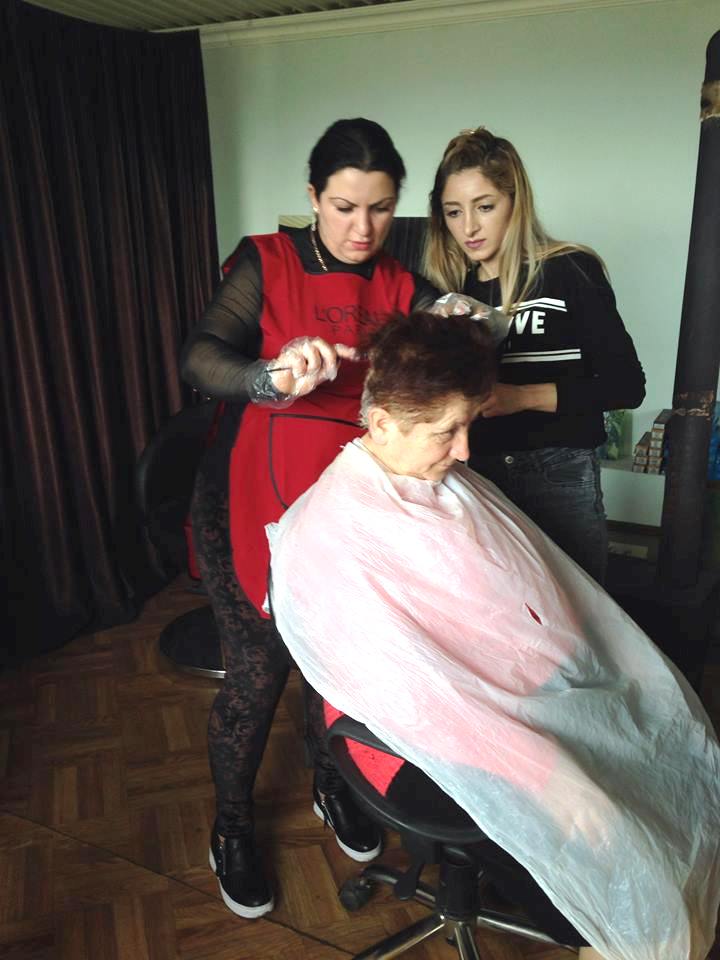
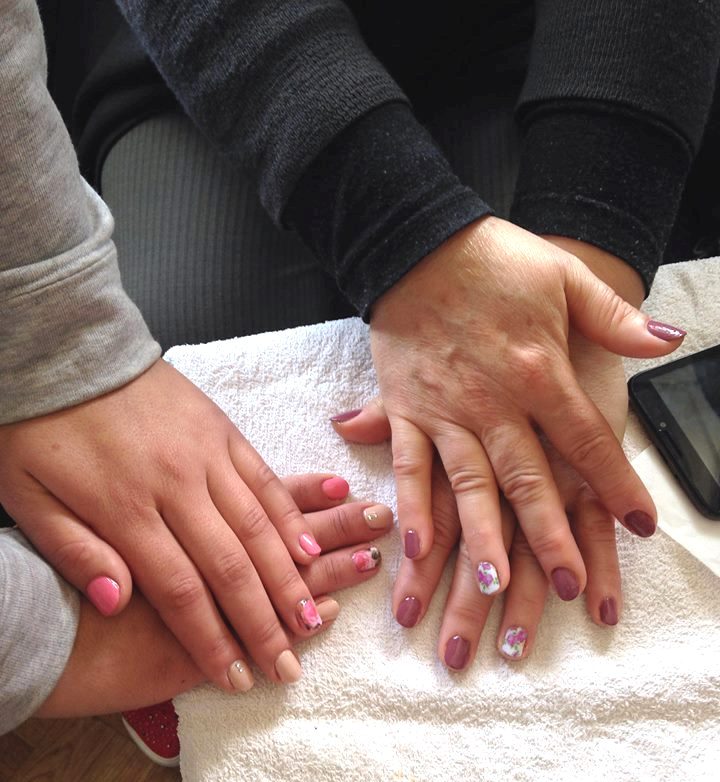
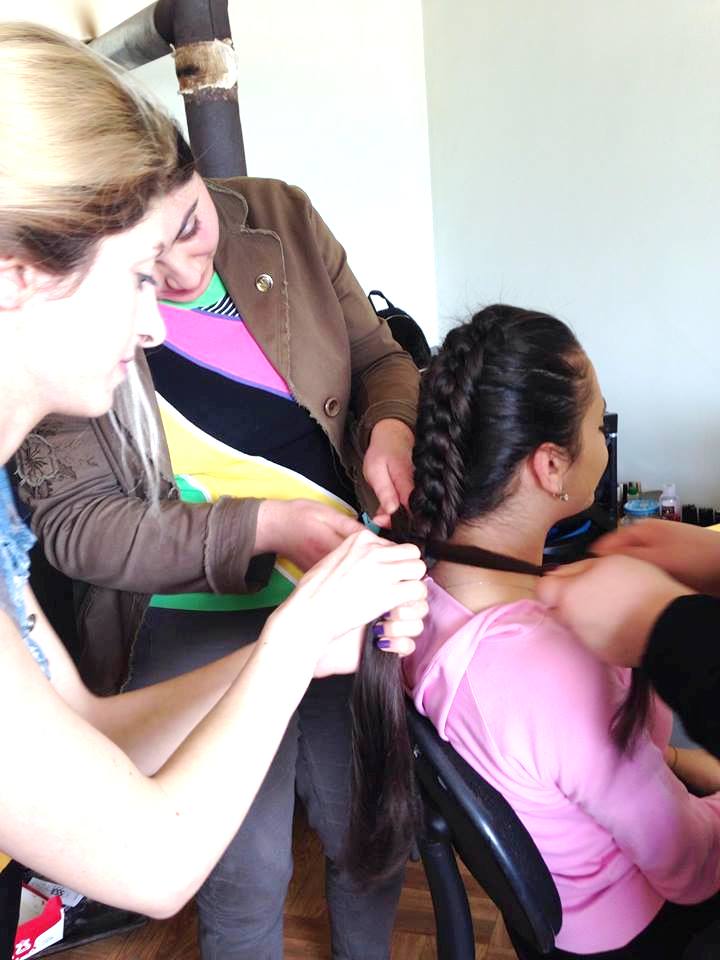
This project aims to provide a viable employment solution to women from nine border villages in the Tavush region. Women from the villages of Berdavan, Koghb, Dovegh, Djudjevan, Barekamavan, Koti, Voskevan, Zorakan, Voskepar and Baghanis will have the opportunity to participate in an intensive three month training in the areas of hair-dressing, cosmetology, manicure technician and makeup artist. Sponsorship of this project will allow 20 women total (at least one from each village) to participate in the three-month training program. Trainings will be held three times a week for 2.5 hours a day. Students will be trained at a local salon that is approximately equal distance from all of the villages. Tools and supplies will be provided along with some basic business management and marketing classes, and transportations stipends. After completion of the training, participants will receive the necessary equipment they need to work from their home or a salon. They will be encouraged to work in their village and provide services that many villagers may go elsewhere for. These women will greatly benefit from the opportunity to participate in these occupational training courses, which would result in jobs, financial stability for their families and better the economy of their communities. In addition, their success will help empower them through a new sense of independence.
This project is modeled after the successes of a pilot project carried out in the village of Koghb. 10 students from 8 border villages took training courses in cosmotolgy and hair-dressing. The project was a great success. The aim of the project was to prepare professionals who would be able to start working and earning their daily living. Upon completion of this program, participants were able to return to their respective villages and have been utilizing their new skills for income.

Region

Tavush

City / Village

Ten Border Villages

Start Date

March 2018

End Date

June 2018

Gallery Images

01-112
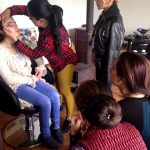
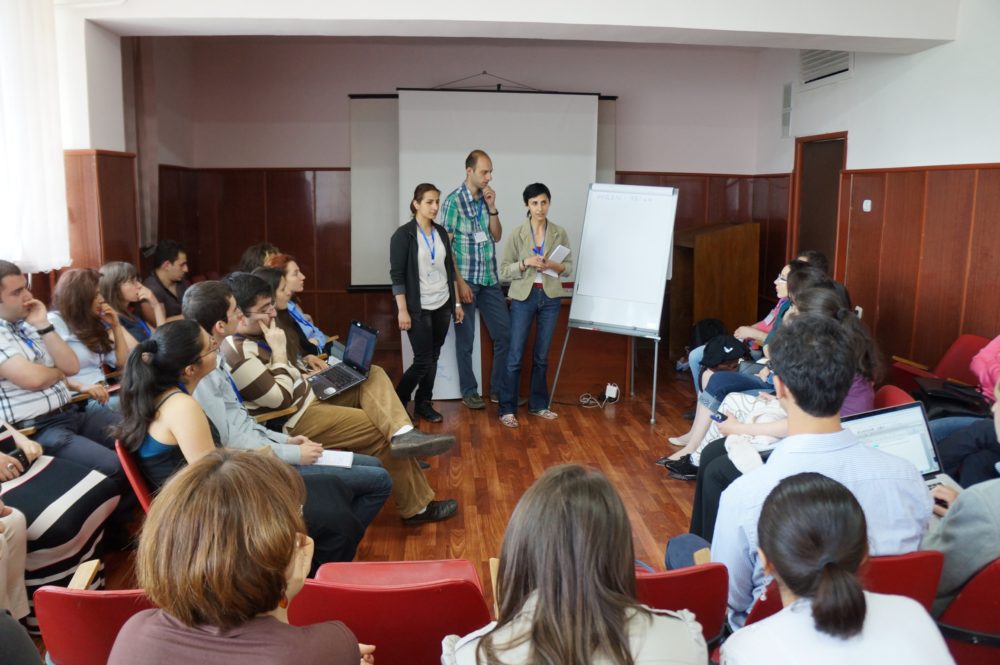
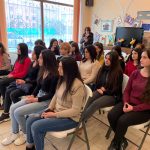
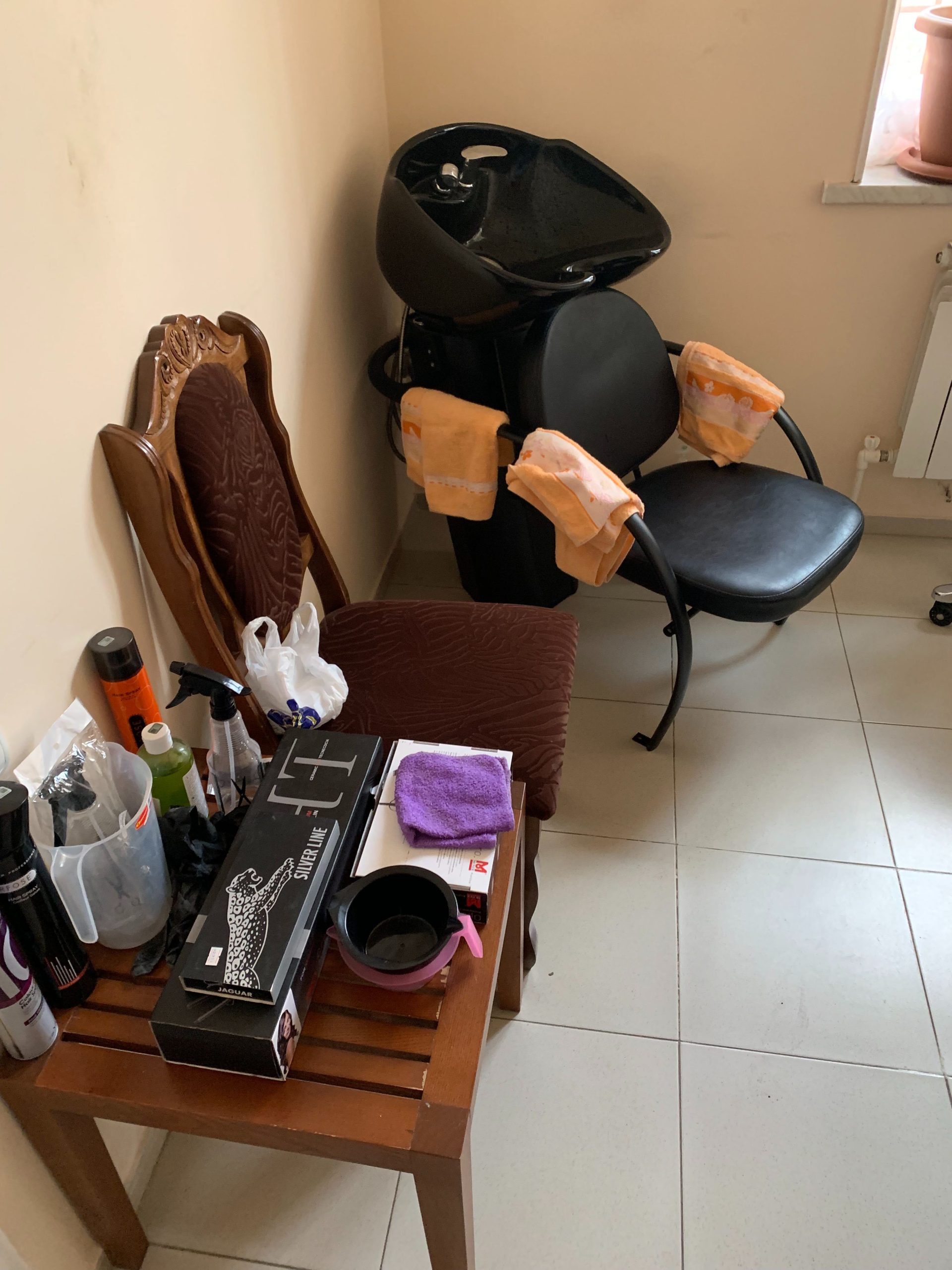
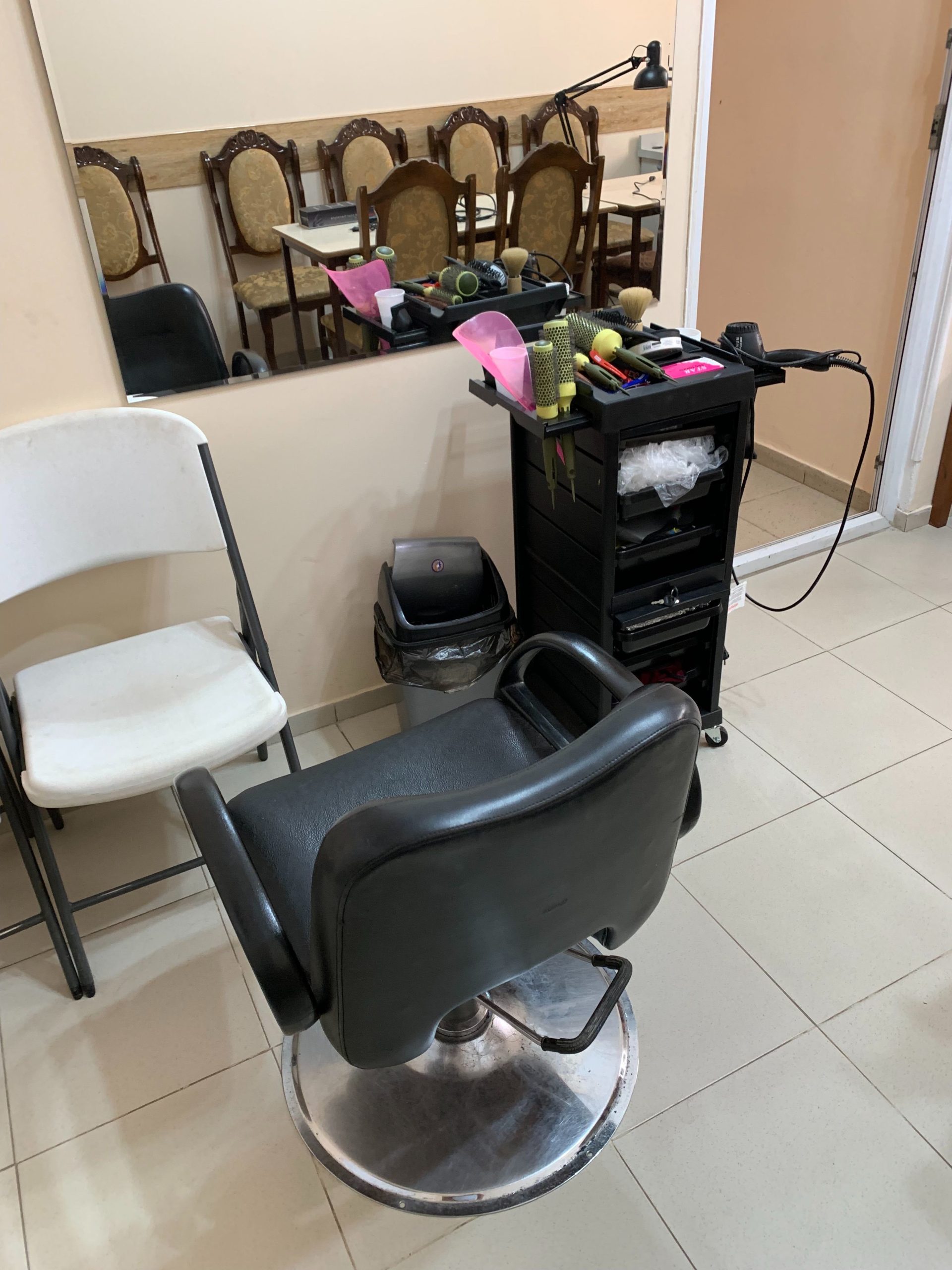
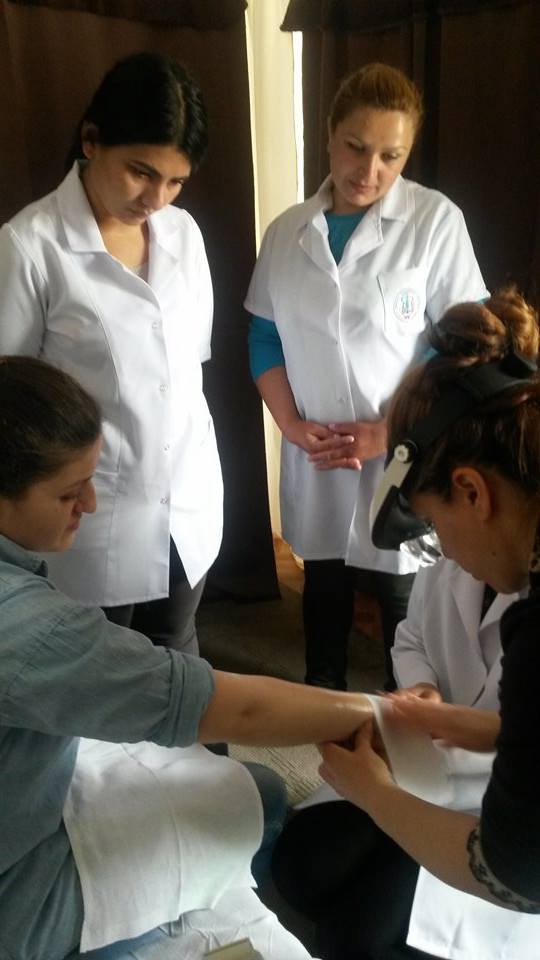
Training will take place in small group settings.

03-68
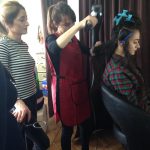
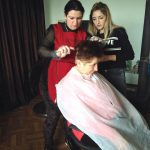
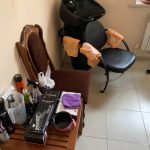
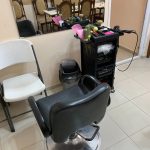
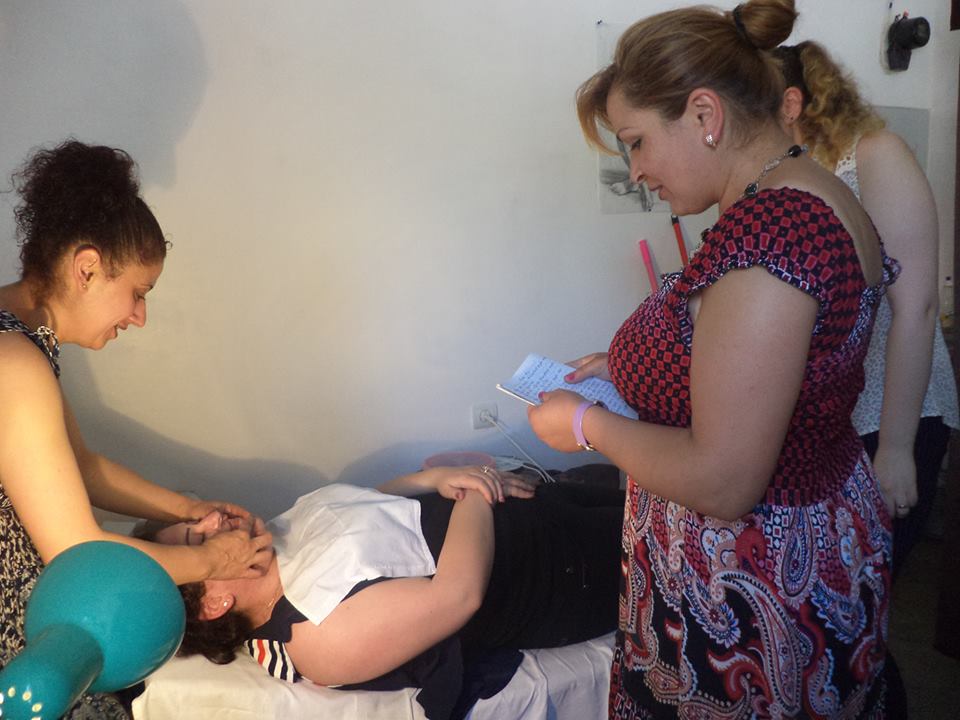
Students will receive hands on experience.

The Need

Border-region villages have very few options for employment (agriculture, teaching and few municipal positions) and do not have the means to seek training for new professions. For this reason, many of the residents (mainly men) travel abroad to find employment and a stable income. This leaves many women alone in their communities, without a profession and dependent on husbands/fathers/brothers send money from abroad.

Short Term Impact

In the short term, 20 women total from 10 villages will participate in a three-month training seminar and obtain skills in hairdressing, cosmetology, manicure technician and makeup artist. They will also receive the proper tools needed to utilize their new skills in order to earn income.

Long Term Impact

Over time, this project has the potential to help these women establish their own salons and businesses, find financial stability for their families and better the economy of their communities. In addition, their success will help empower them through a new sense of independence and encourage them to one day help other women learn their set of skills.

Sponsors Benefits

All sponsors will be recognized on The Paros Foundation website. In addition, donors will be recognized on all relevant press regarding this project.
[vp_give_donor_wall
donors_per_page=12
show_total=false
show_modal=true
form_id=”62901″]

Updates: Images & Information

March 16, 2018
March 16, 2018

March 28, 2018
March 28, 2018

29547429_1303036853129128_828878778_n-1

29666181_1303038686462278_1321081345_n

June 11, 2018
June 11, 2018

29790724_1310845619014918_7627206939478327296_n

31394671_1330741110358702_8411396559601664000_n


Previous
Next
March 16, 2018

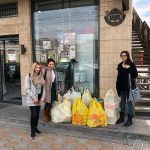
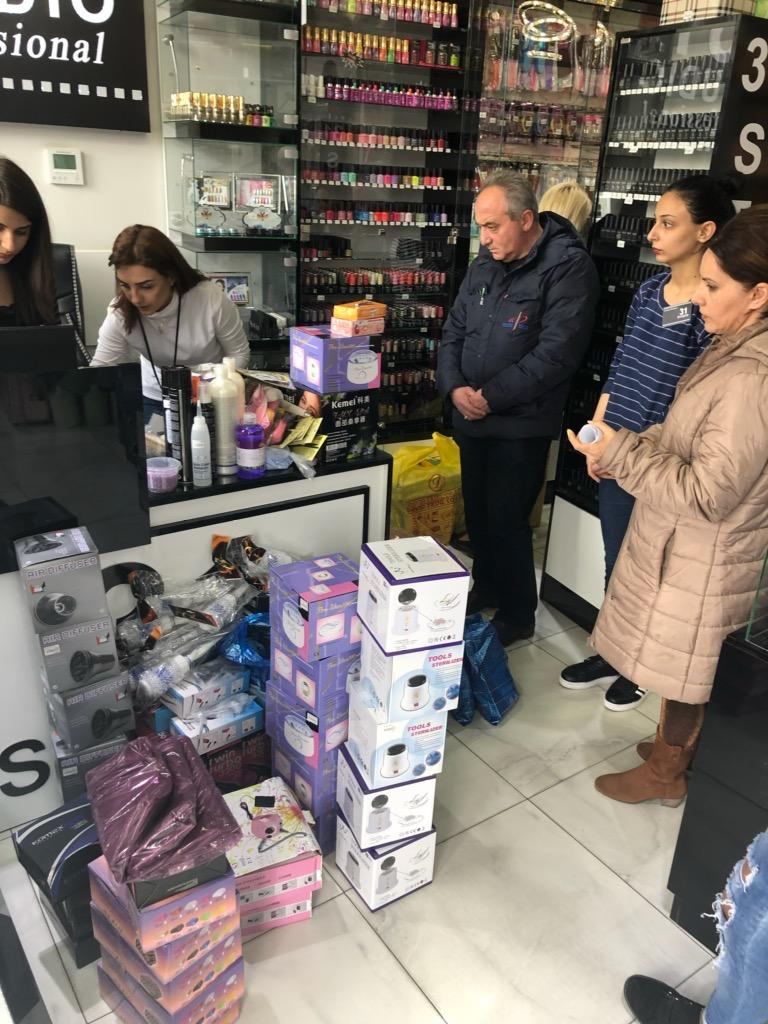
Paros staff and lead trainer, Merry Nasibyan, spent the day shopping for supplies needed to begin training courses for hair-dressing, cosmetology, manicure technician and makeup artist.

 March 28, 2018

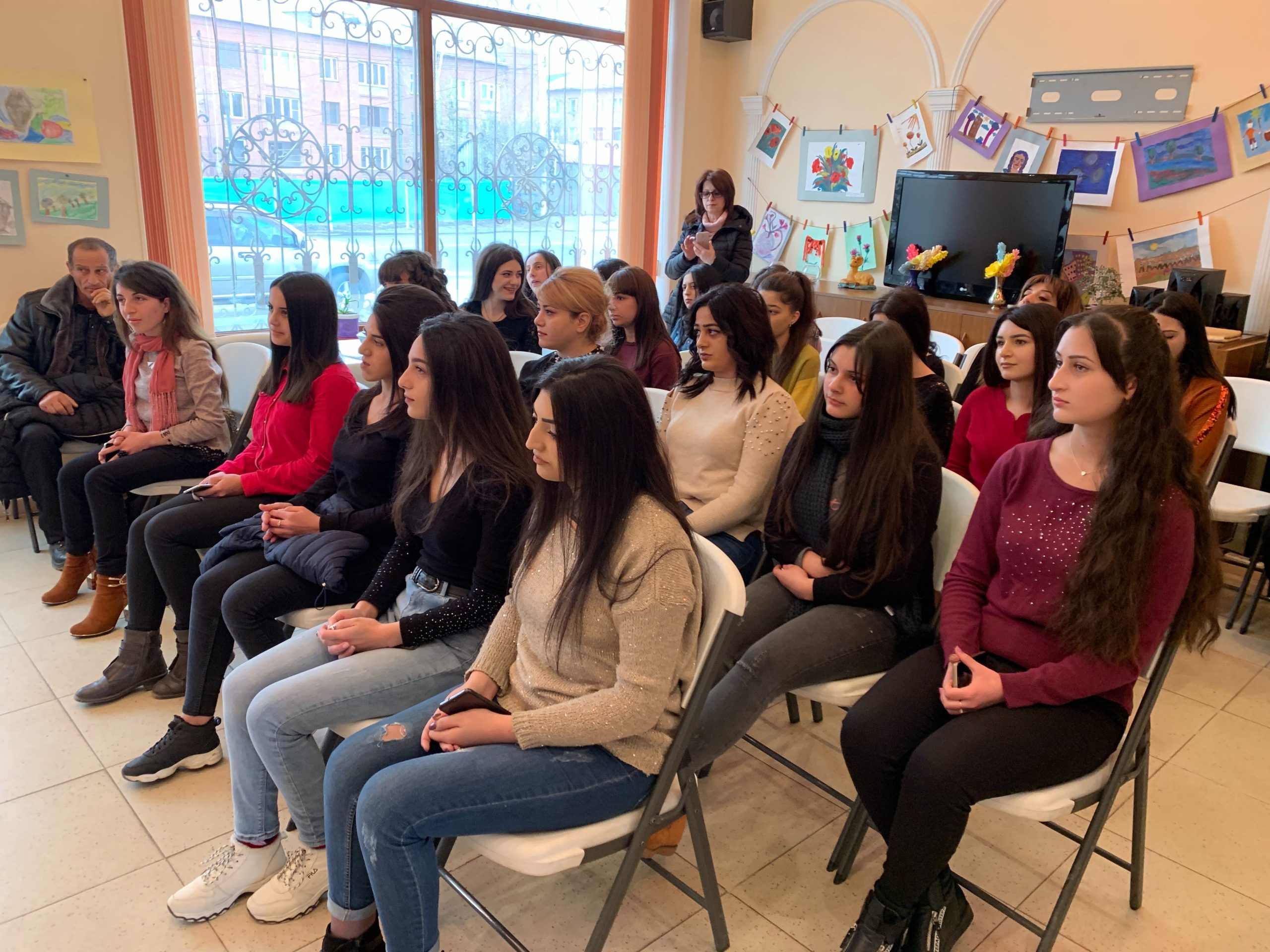
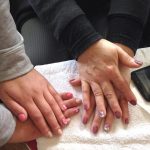
Twenty women from 10 villages have begun training courses in all four areas (hair-dressing, cosmetology, manicure technician and makeup artist) and are off to a great start!

 June 11, 2018

The training courses are coming to an end and have gone really well! Students are eager to be able to implement their new skills to help make an income. We are so proud of all the participants!

2Z6A6342-e1524599106141

Girls’ Leadership and Development (GLAD) Camp

Girls’ Leadership and Development (GLAD) Camp

Read Updates

Description

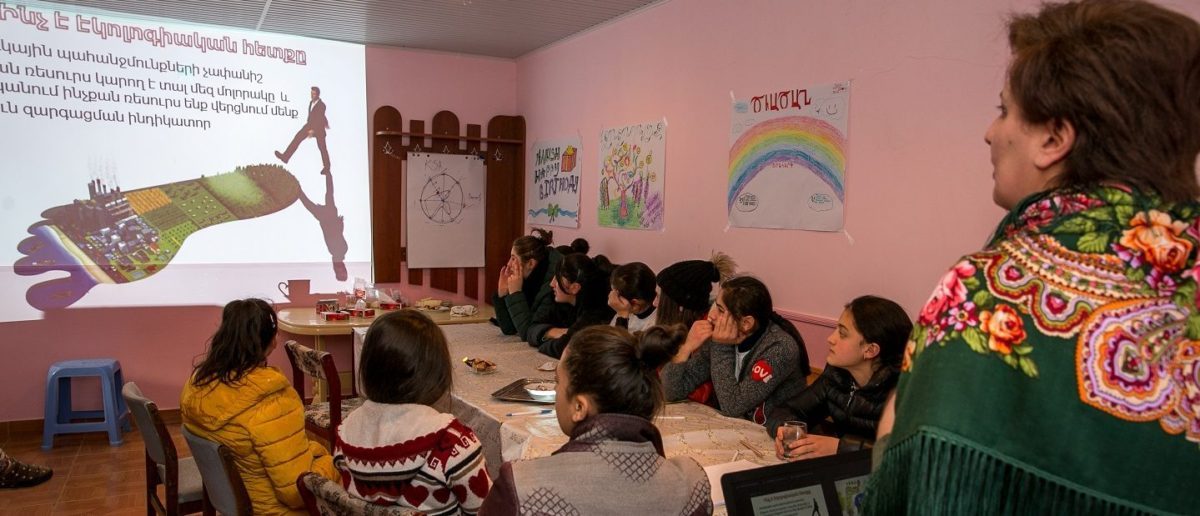
Over the previous two years, the Margahovit Youth Center has held two successful summer camps for young girls, originally through a Let Girls Learn (LGL) grant from the United States Peace Corps. The purpose of the camp is to address the often overlooked, but important needs of these young girls and help them learn positive ways to cope with stereotypes, anxiety and culturally imposed limitations that have had a negative effect on their daily lives. Due to the success of the initial two Girls’ Leadership and Development (GLAD) Camp, the Margahovit Youth Center is fundraising to implement the camp again, taking lessons and tips from the previous camps, for a different group of participants from Margahovit. The Girls’ Leadership and Development (GLAD) Camp will address several needs by teaching the participants a range of healthy mental, emotional, and physical coping skills to combat stress and by bringing the group closer together in a safe space so that they can form a strong support network going forward.

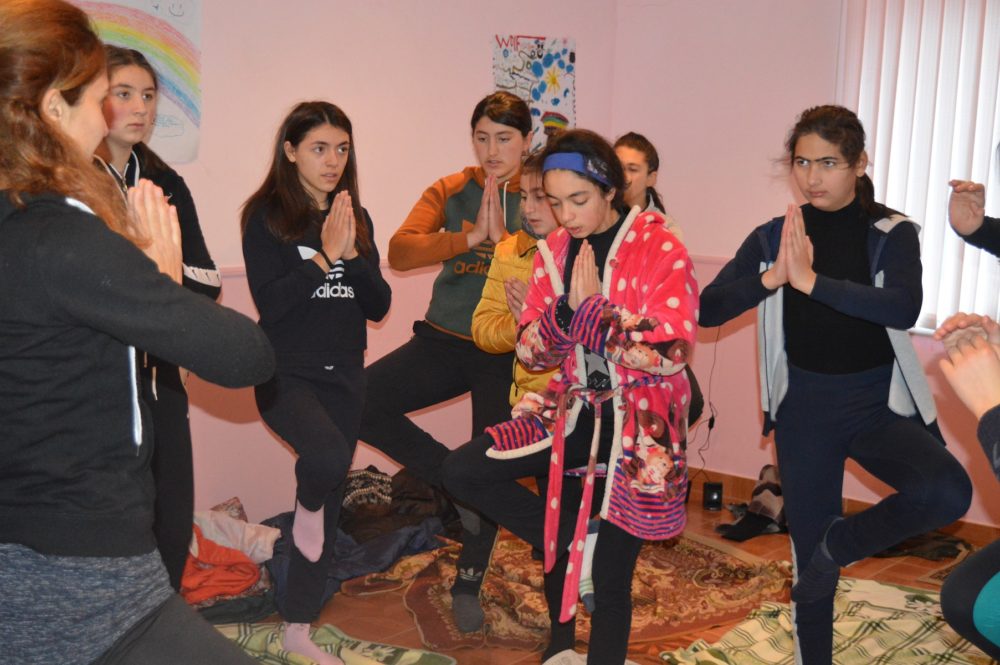
This year’s camp will be for 15 girls and will be led by community members, Peace Corps Volunteers (PCVs), and outside experts focusing on a range of aspects related to emotional and mental health and leadership skills, including but not limited to: creating a safe space for discussing these issues; healthy expression of emotion; journaling; yoga; strengths finding; personality tests; and leadership styles. The participants from last year’s GLAD Camp meet monthly for a follow-up club, in part to organize monthly seminars for other youth in the village to pass on what they learned during the camp; participants from this version of GLAD will participate in these activities as well. The community of Margahovit will contribute significantly in planning, implementation, and follow-up work. Their goal is to help participants become more mentally and emotionally healthier, equipped with the tools they need to handle the difficulties life throws at them, and thus do good in school and become stronger leaders.

https://www.youtube.com/watch?v=NbX673ZgYVc

Region

Lori

City / Village

Margahovit

Start Date

July 2018

End Date

August 2019

Gallery Images


DSC_0007-e1524598674461
The girls will learn yoga as a great tool to maintain their mental & emotional health.


DSC_0098-e1524598696754
The interior of a home in Aygepar hit by a mortar. Photo credit: Civilnet


2Z6A6220-e1524598620863
The interior of a home hit by sniper fire in Aygepar. Photo credit: Hetq


37551996_2108879412769875_7539054144477200384_o-e1558717661481
A villager works to cover his damaged roof in Aygepar before the rains. Photo credit: Hetq


Glad-Camp-Photo-4-e1558717764376
The remnants of a mortar from the bombing along the border. Photo credit: Hetq

The Need

In many towns and villages throughout Armenia, many young girls are unable to protect themselves against the diversity of stereotypes, anxieties, and culturally-imposed limitations. These range from body-image issues stemming from a cultural obsession with being thin, traditions pressuring girls to be quiet and obedient and stigmas associated with seeking help for mental and emotional issues. Of the 19 girls, aged 13-16, surveyed in a Margahovit community needs assessment, approximately two-thirds reported experiencing stress in their lives, with a range of negative behaviors and feelings associated with this stress, including: feeling hopeless and sad; experiencing anxiety and nervousness; feeling weak, imbalanced, and easy to set off; and not wanting to talk to or see anyone. While a number of girls report coping mechanisms generally regarded as healthy, such as talking to friends or taking a walk, the range of mechanisms is fairly narrow (not including a range of other effective methods including journaling, meditation, and preparation of healthy food) and includes methods generally regarded as negative (including avoiding problems, using the internet, and consuming sweets).

Short Term Impact

In the short term, 15 girls, ages 11-16, from the village of Margahovit will participate in a six-day camp at which they collectively establish a safe space to discuss mental and emotional health and stress and learn healthy ways to deal with the variety of stresses in their lives. Following the camp, these 15 girls will join the previous participants’ monthly club at which they discuss how they have been maintaining their mental and emotional health through the skills learned at the camp and support each other in their continuing communal safe space.

Long Term Impact

With the successful implementation of this project, in the long term the participants in our community will be mentally and emotionally healthier, equipped with the tools to handle the difficulties life throws at them, and thus ready to be stronger leaders in the community and spread this knowledge and skills to their peers. Given the variety of ways in which stress can affect girls’ participation and success in school, we also know that with the skills and abilities gained through this project the participants will experience greater academic enthusiasm and success.

Sponsors Benefits

Your donation to sponsor the GLAD Camp will be recognized on The Paros Foundation website and in appropriate press related to this important project. Donors will also be listed on the GLAD Camp Facebook page announcements and in the wrap-up slideshow/video . Campers will also write thank-you notes to all supporters of the camp.

[vp_give_donor_wall
donors_per_page=12
show_total=false
show_modal=true
form_id=”62887″]
DSC00771-e1534180711606

Promote Scientific Research in Armenia

Promote Scientific Research in Armenia

Read Updates

Description

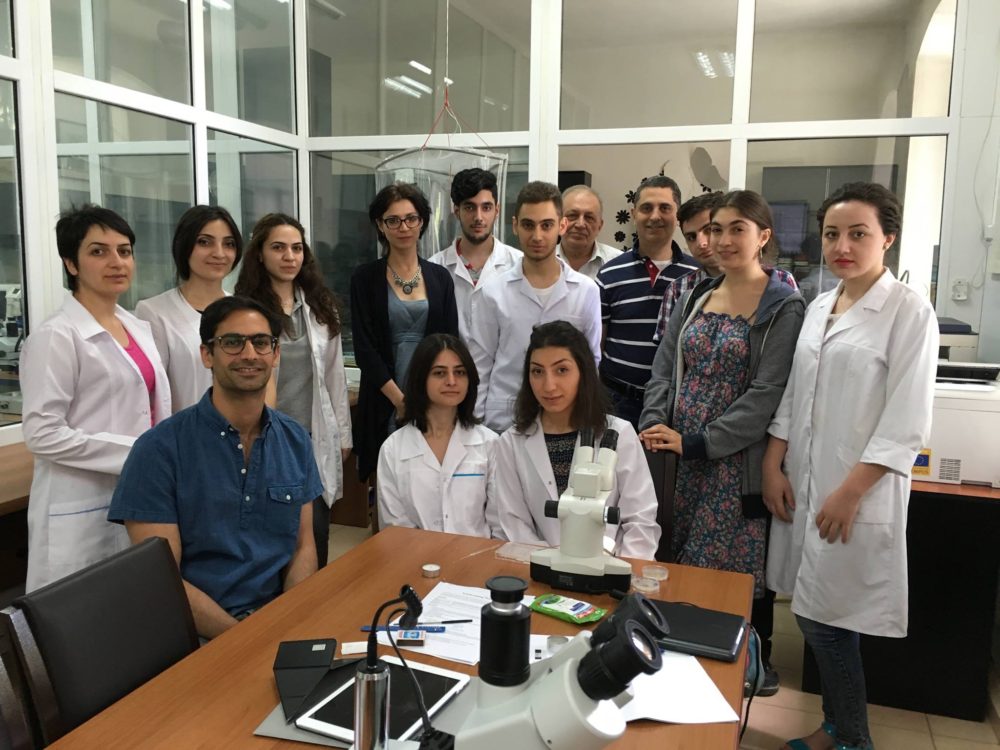
Since 2011, a group of American and European-Armenian professors and academics have organized and taught advanced one-week long training courses, in Armenia, to graduate students in biology. the courses were developed by Raffi Aroian (University of Massachusetts Medical School) and Haig Alexander Eskandarian (École Polytechnique Fédérale de Lausanne). Their specialty is one coherent course focused on the thematic of host-pathogen interactions, for which Armenia faces critical health problems like chronic tuberculosis brought on by antibiotic persistence or genetic disorders like Familial Mediterranean Fever, for which the role of infectious bacteria play a critical role in disease outcomes. Their goal is to teach Armenian students and researchers the approaches to how science research is conducted for the discovery of fundamental concepts in biology.

In order to begin the courses this group of scientists and researchers raised $7,300 to purchase needed equipment including incubators for culturing and cultivating bacteria, three dissecting microscopes and an upright optical fluorescence microscope for live cell imaging. Their goal has been to train students and researchers to undertake their own experiments using the equipment that they purchased and have donated to Professor Nelli Hovhannisyan’s lab, at Yerevan State University. Nelli’s lab hosts these courses and maintains the instruments. She also offers a select group of talented trained students the opportunity to continue the studies that they sought to begin during our course.

Their ultimate goal is to establish enough physical infrastructures and technical and philosophical knowledge for young researchers taking the courses to be able to build their own research themes and interests out of the experiments that they were taught. The end result would be for the students to publish their own work and eventually apply for research funding in order to continue to pursue their research interests that spawned out of these courses. Currently, they are in need of additional funding in order to continue this program. Sponsorship of this project will help raise the funds needed to purchase additional equipment and the ability to invite groups of professors and young researchers from abroad interested in teaching prolonged lecture and practical training courses to Armenian students and researchers. The equipment they presently need includes one inverted optical phase contrast microscope ($5,000) and a more sophisticated inverted phase contrast fluorescence microscope ($10,000). $10,000 is budgeted for establishing practical advanced training courses with international professors and researchers. This program will provide intensive lecture and practical training courses to graduate students specializing in a field of research related to biomedicine.

The group of professors and researchers include:

Raffi Aroian (University of Massachusetts Medical School)
Diane Barber (University of California, San Francisco)
Haig Alexander Eskandarian (École Polytechnique Fédérale de Lausanne)
Alexander Hajnal (University of Zurich)
Bana Jabri (University of Chicago)
Sarkis Mazmanian (California Institute of Technology)
Erich Schwartz (Cornell University)

Region

Yerevan

City / Village

Yerevan

Start Date

Immediately

End Date

One Year from start date

Gallery Images


13495528_1139086856112039_4725805349384474435_o-e1523838663855
Since 2011, a group of American- and European-Armenian professors & academics have organized and taught advanced biological training lecture courses in Armenia.


DSC00813-e1523838685484
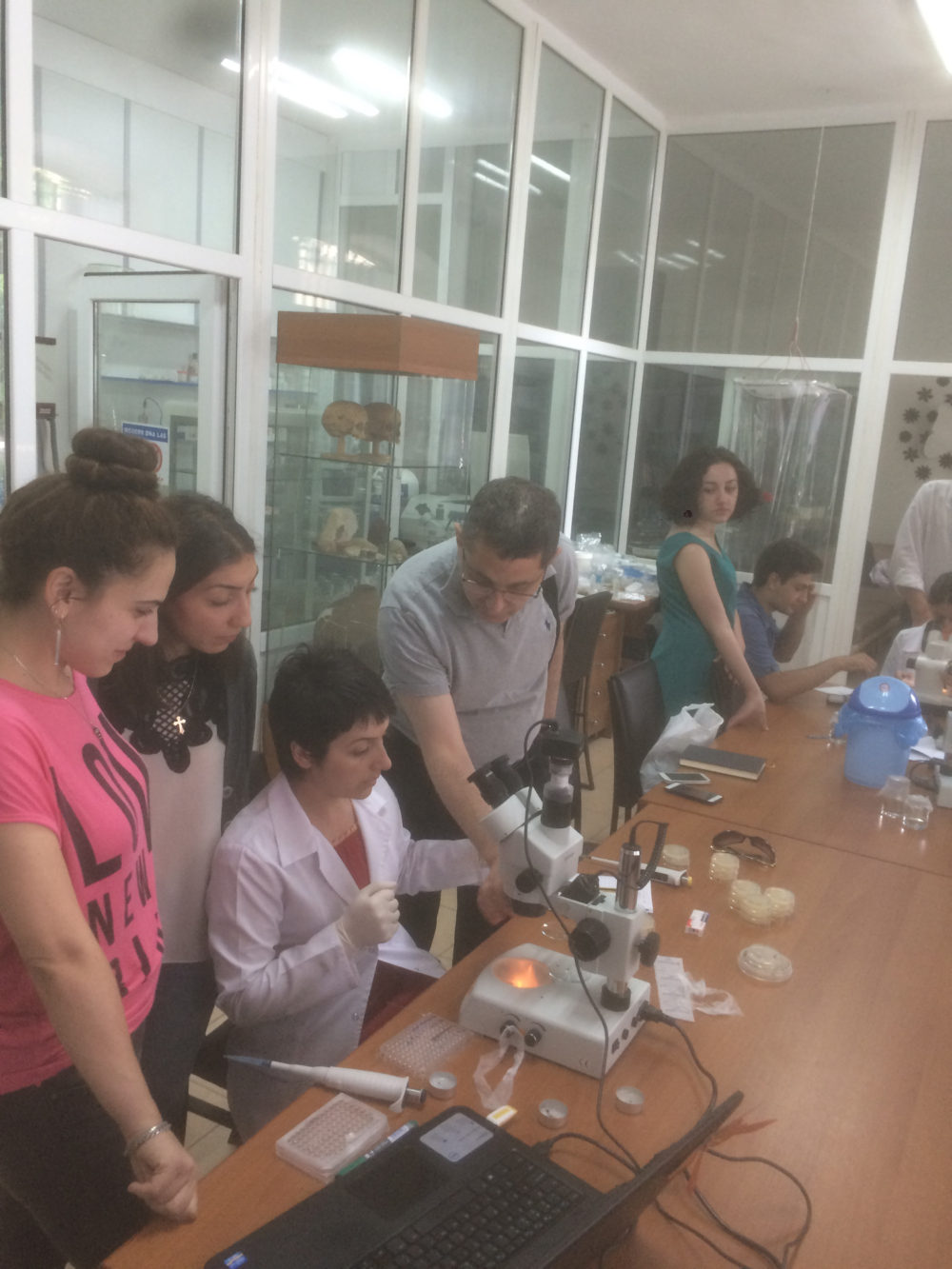
Students & researchers are taught approaches to how science research is conducted for the discovery of fundamental concepts in biology.


IMG_2960-e1523838697877
Two new and different microscopes are needed to aid these important courses.

The Need

Infectious disease originating from pathogenic bacteria or parasites remains a major risk to the health and wellbeing of Armenians and a burden on society. It is estimated that one in four Armenians is infected with parasitic nematodes. In addition, bacterial infections, like tuberculosis, remain difficult to treat because we still do not have adequate means of clearing the infection. Therefore, it is imperative to train competent scientists and researchers to discover why infectious diseases persist and resist treatment.

Short Term Impact

In the short term, science equipment will be purchased and intensive lecture and practical training courses will be offered to graduate students specializing in a field of research related to biomedicine.

Long Term Impact

In the long term, this program can provide sustainable and innovative course offerings by inviting more researchers and professors to participate in the co-conception of and teaching of both the lecture courses and practical courses. In addition, it can help expand course syllabi by offering researchers and professors from abroad a budget to create their own practical courses. Such a program can help spur cutting edge research in Armenia (i.e. building microfluidic devices for studying bacterial antibiotic resistance).

Sponsors Benefits

Sponsorship of this project will be recognized on The Paros Foundation website and in appropriate press related to this important project. Laboratory equipment can be named in honor of major benefactors. Donors will also be acknowledged throughout the course for their contributions. The Paros Foundation will happily arrange a visit to the Yerevan State University when you are in Armenia.

[vp_give_donor_wall
donors_per_page=12
show_total=false
show_modal=true
form_id=”63082″]
IMG_0829-e1536089835657

Paravakar Kindergarten Renovation

Paravakar Kindergarten Renovation

Read Updates

Description

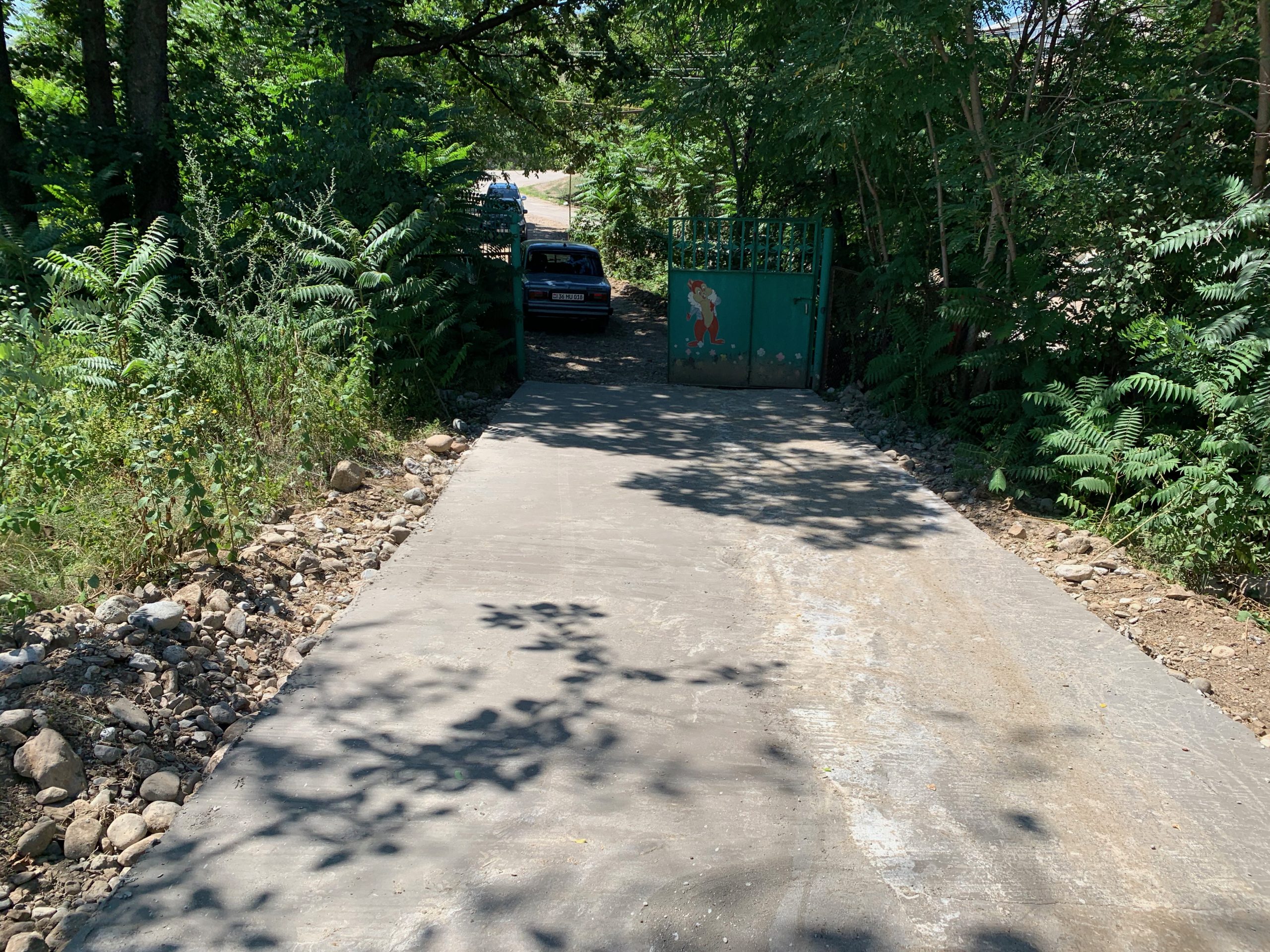
Paravakar is a border village in Armenia’s Tavush Province. About 1,300 people call Paravakar their home. Because of the threat of Azeri sniper fire, a bridge leading to the city of Berd is uncrossable. Villagers are forced to wind through the Shamshadin mountains to reach Berd, which almost triples their journey.
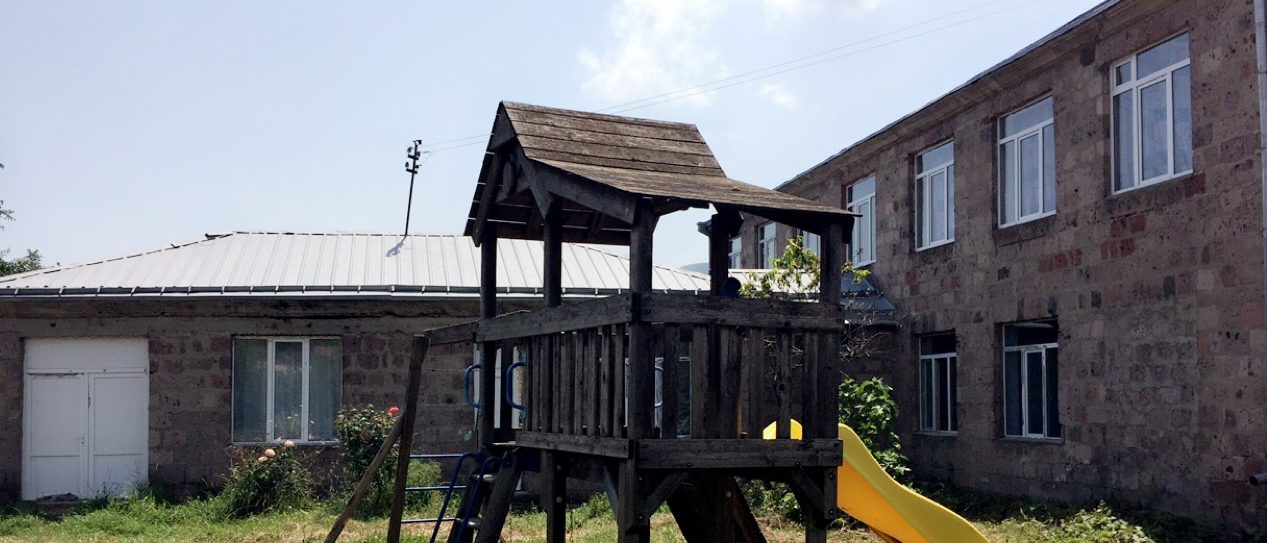
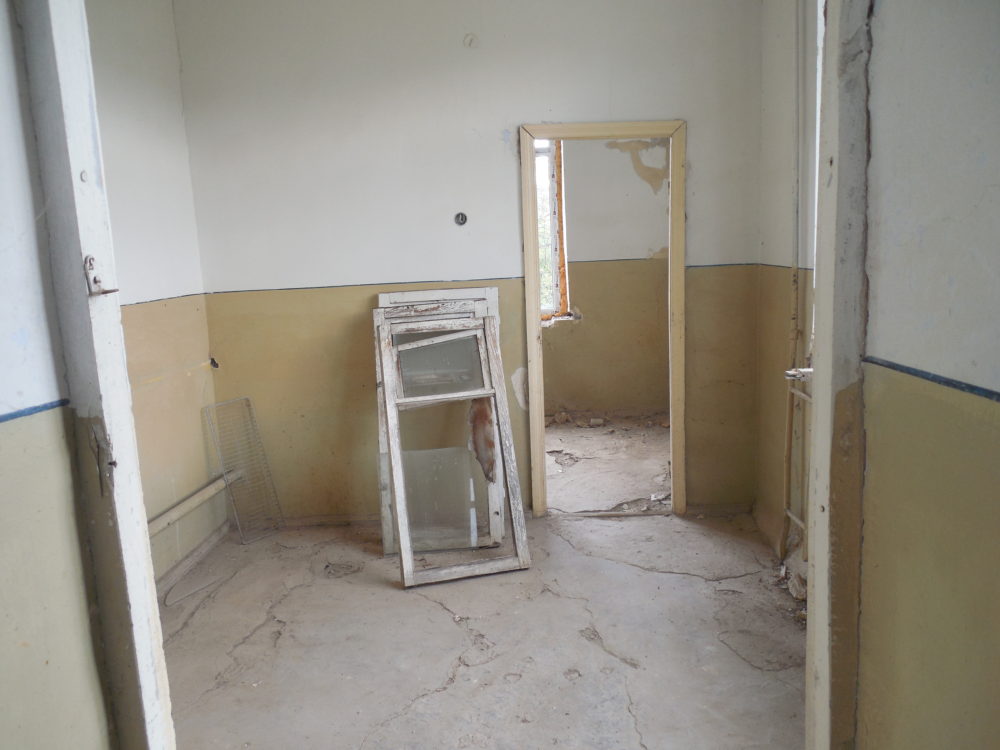
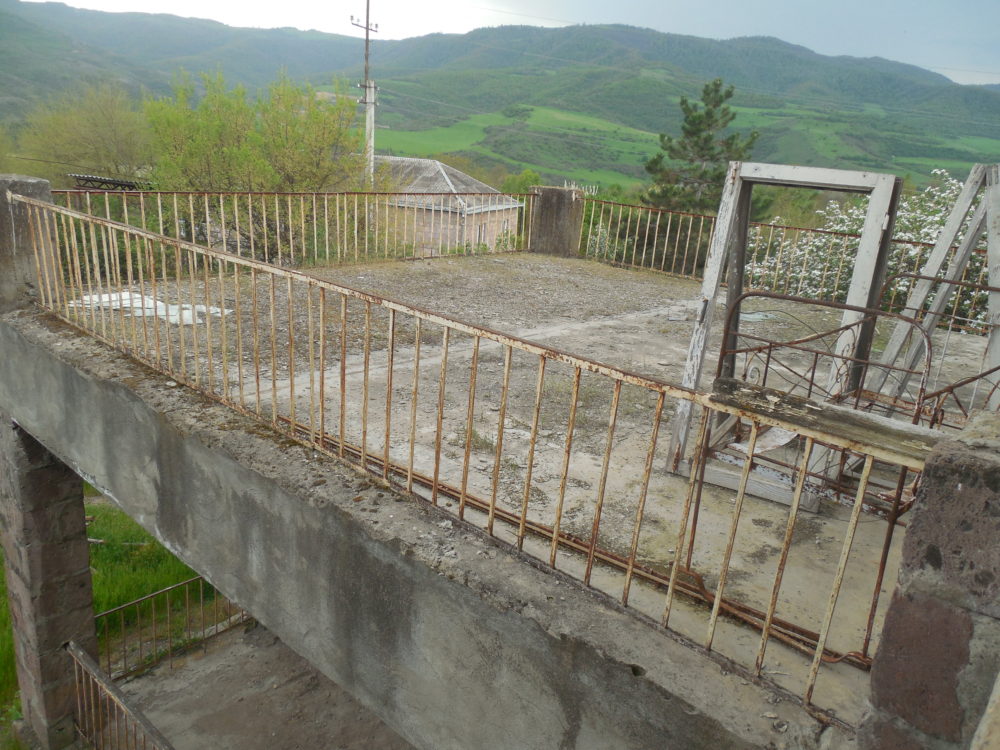
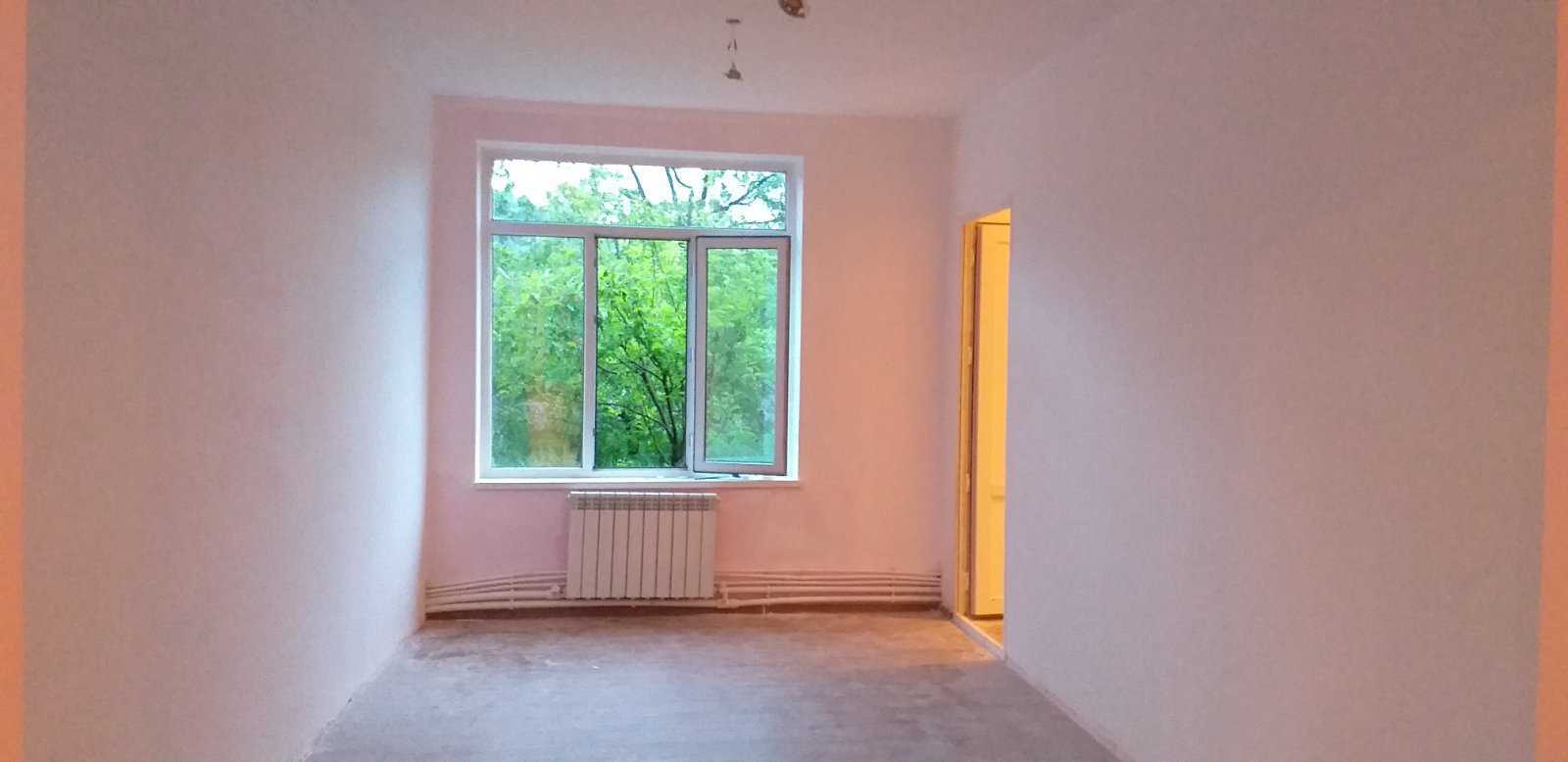
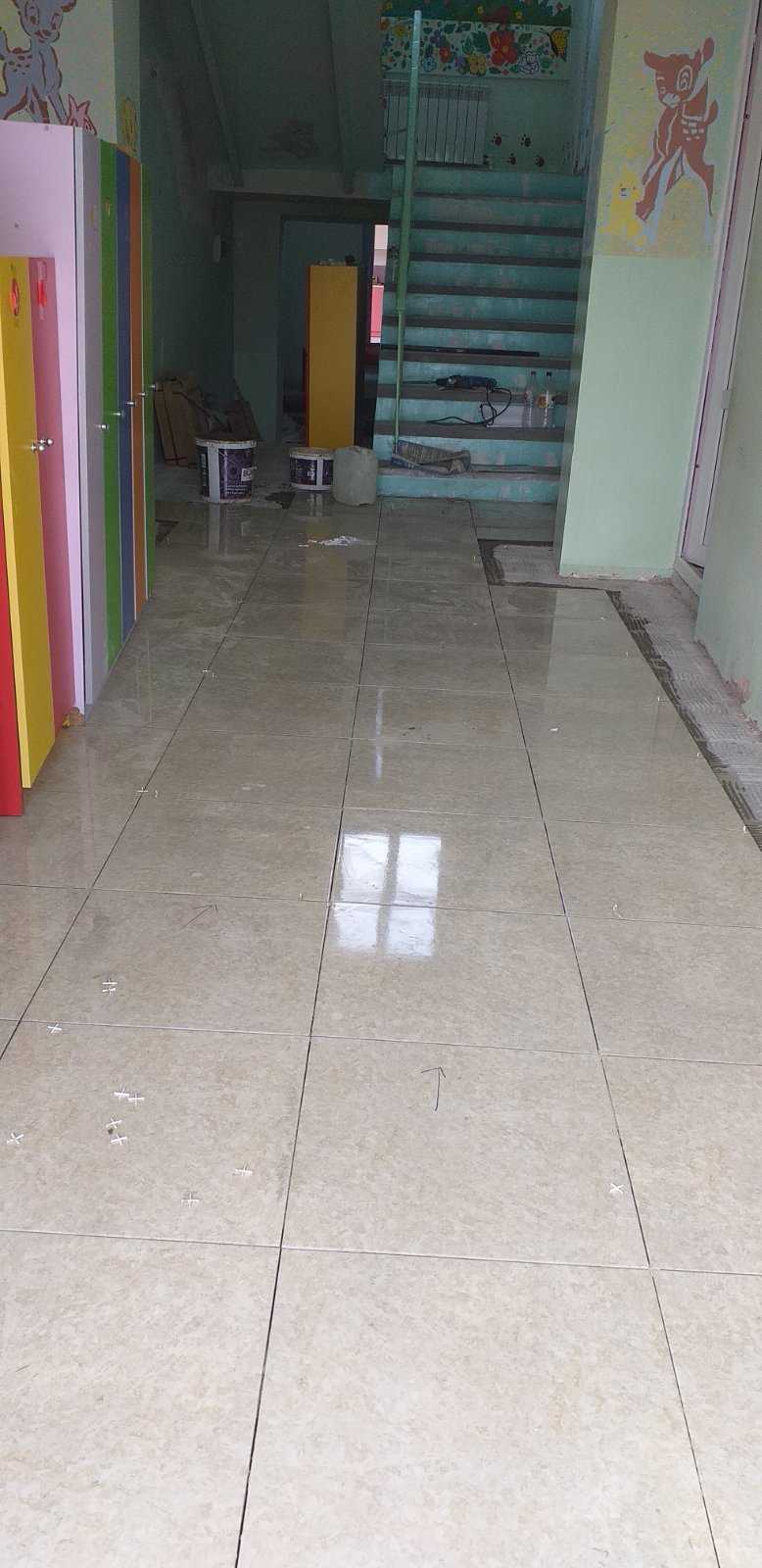
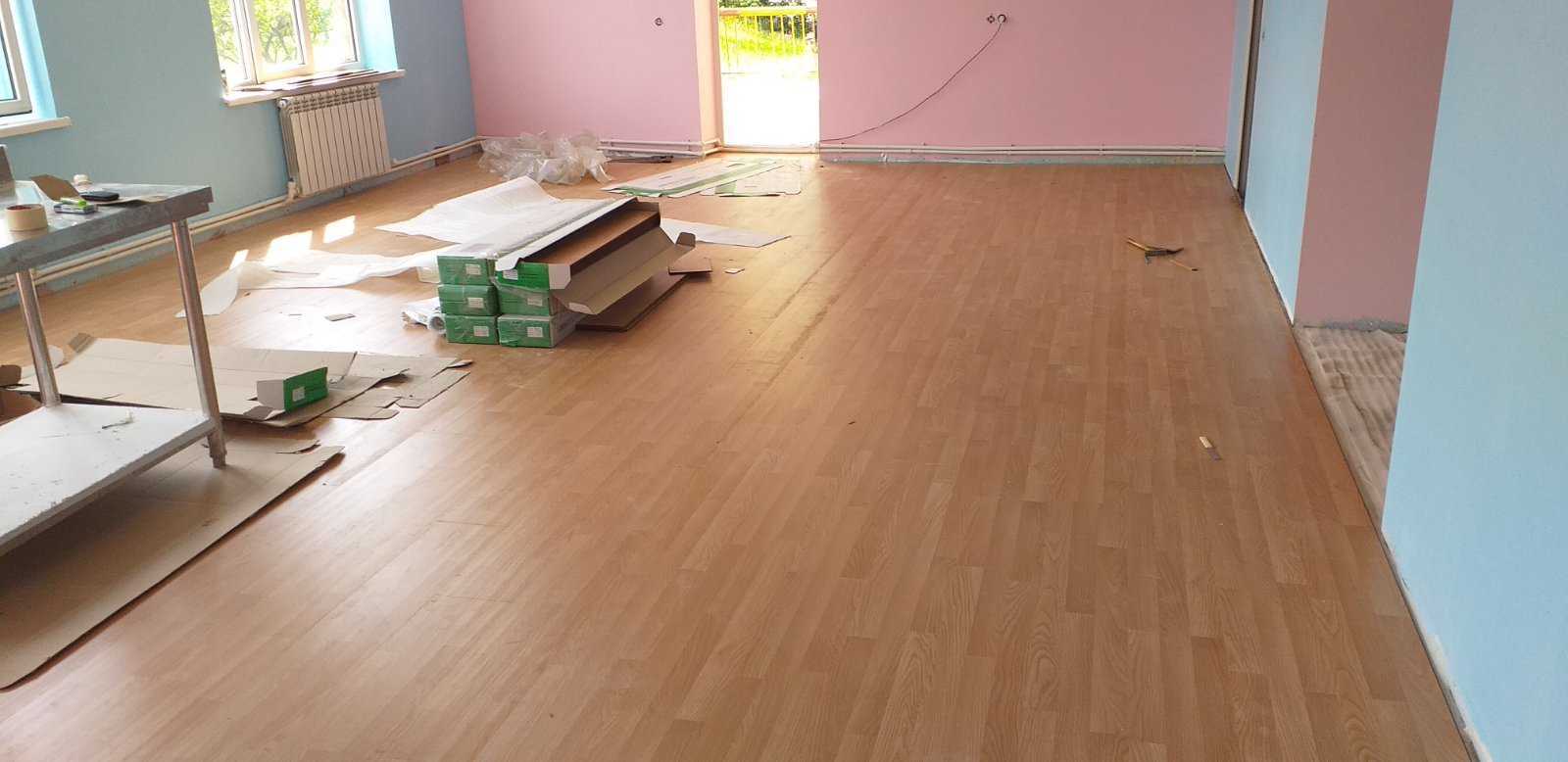
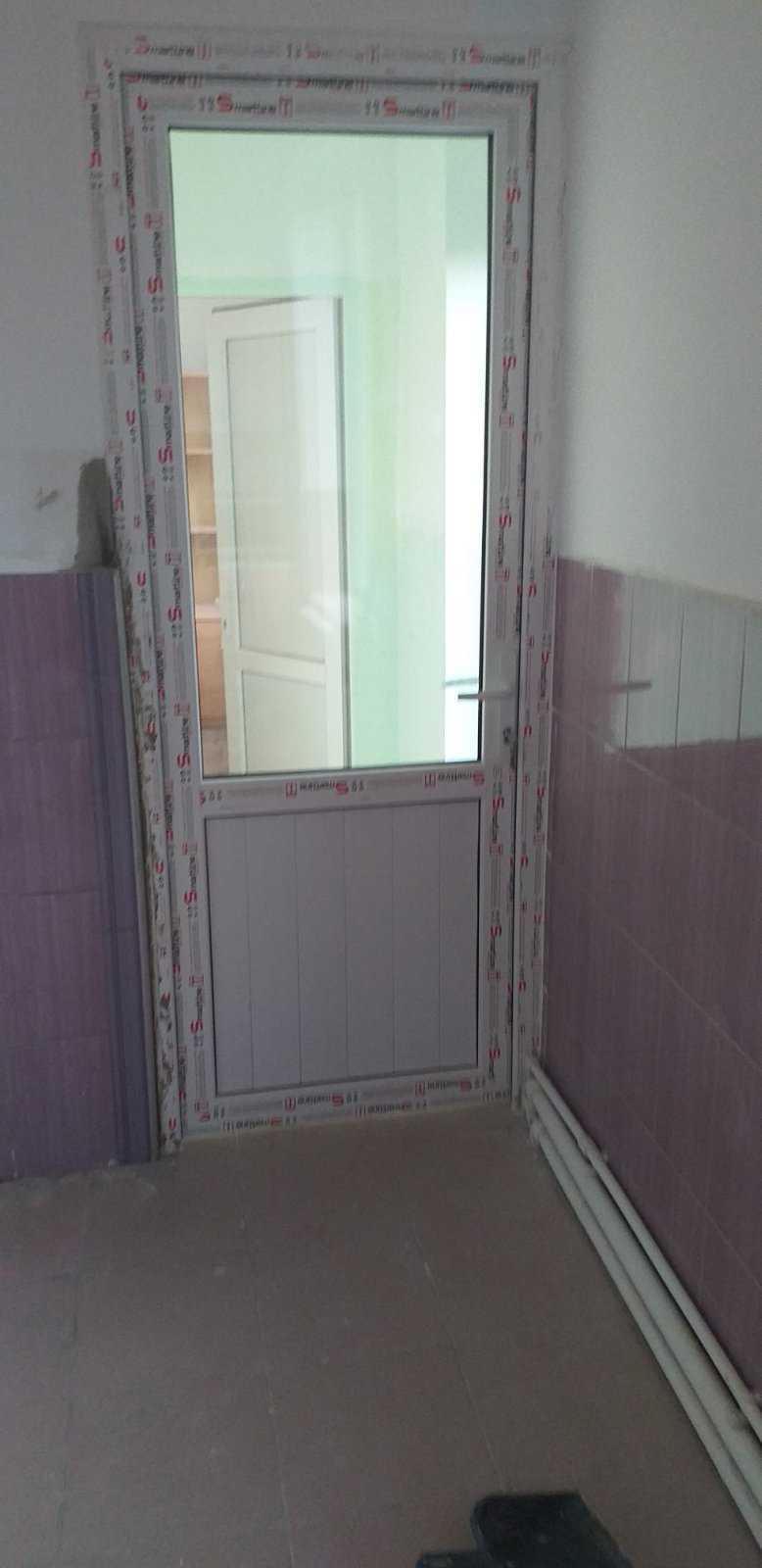
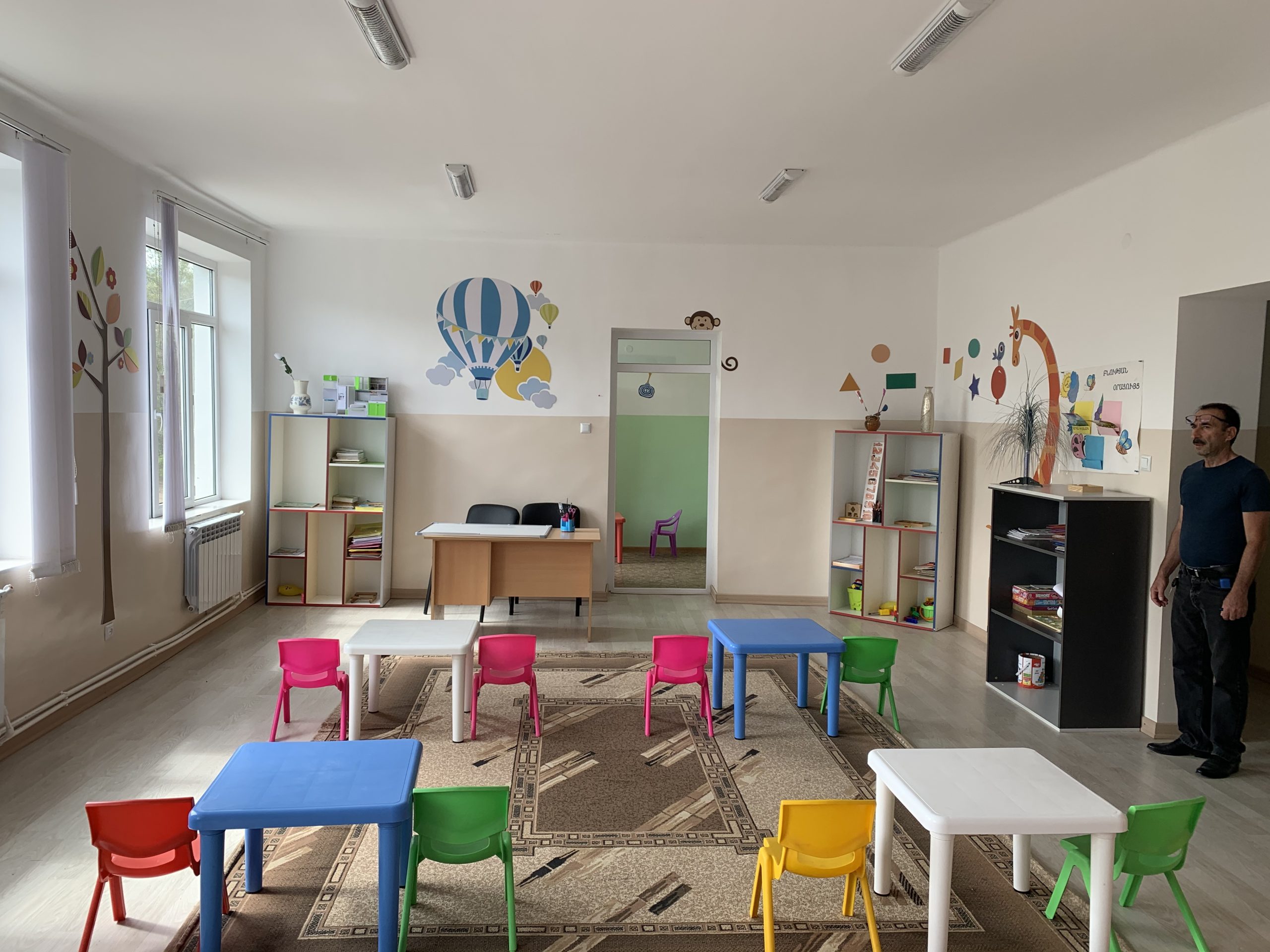
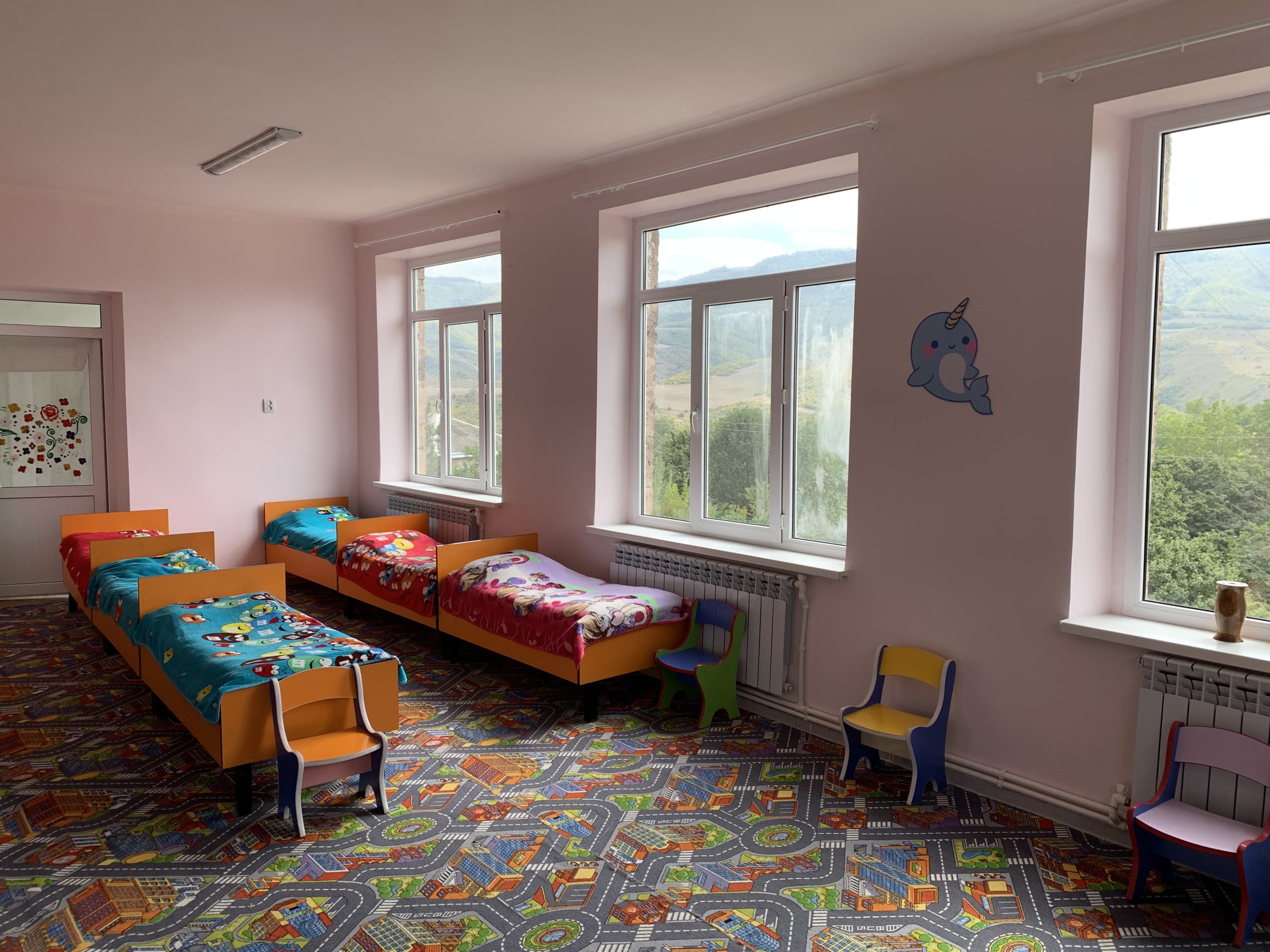
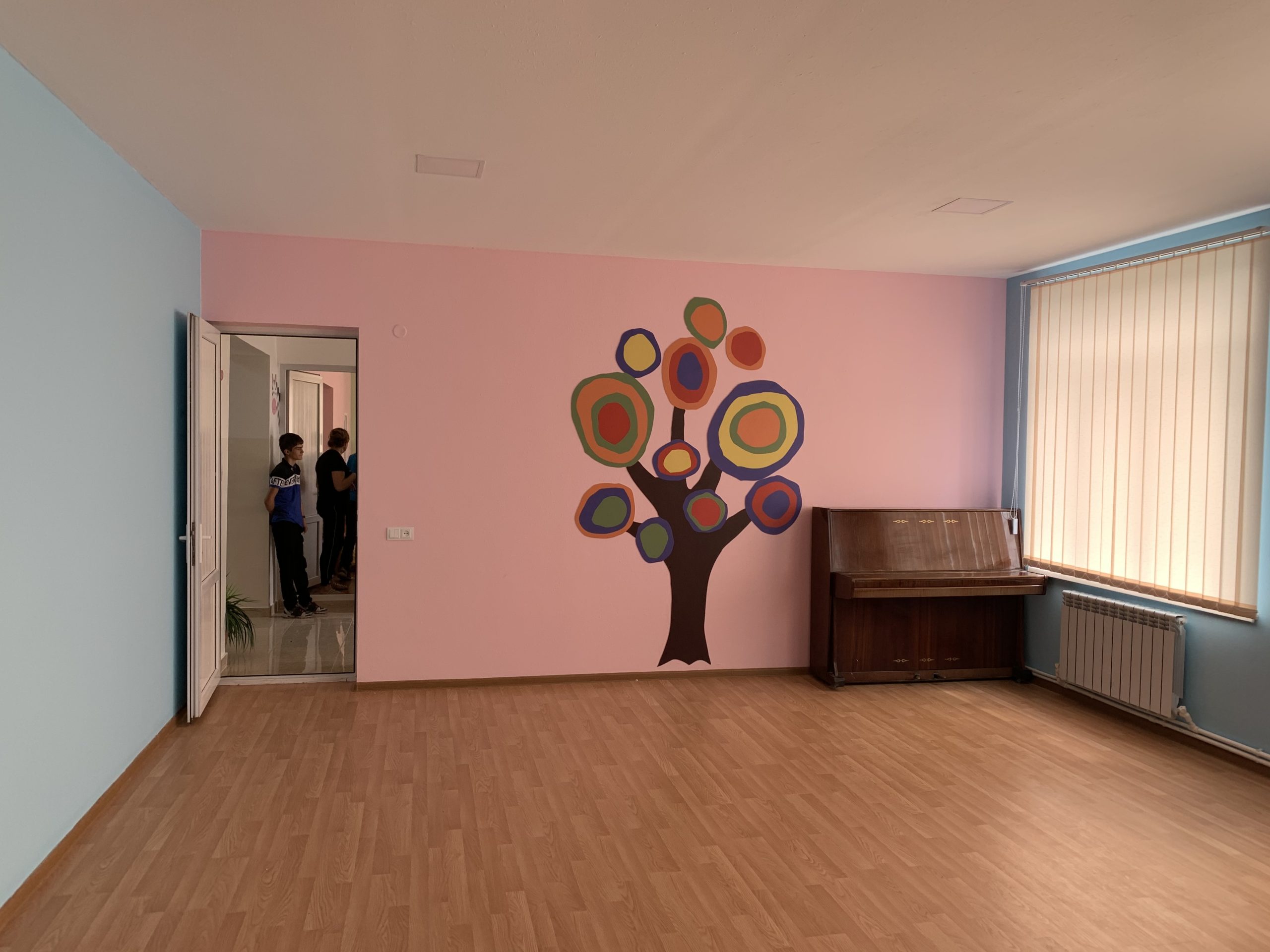
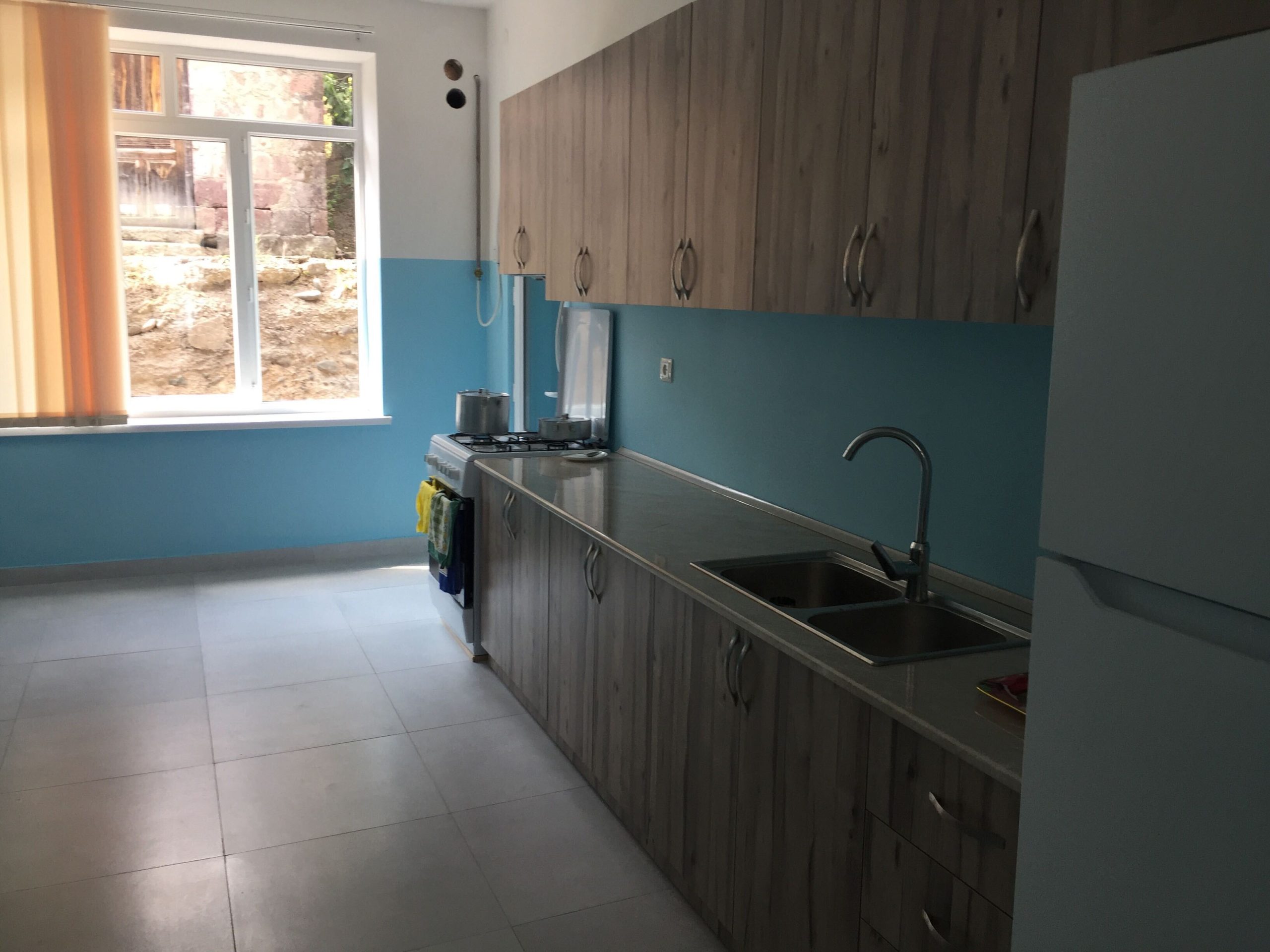
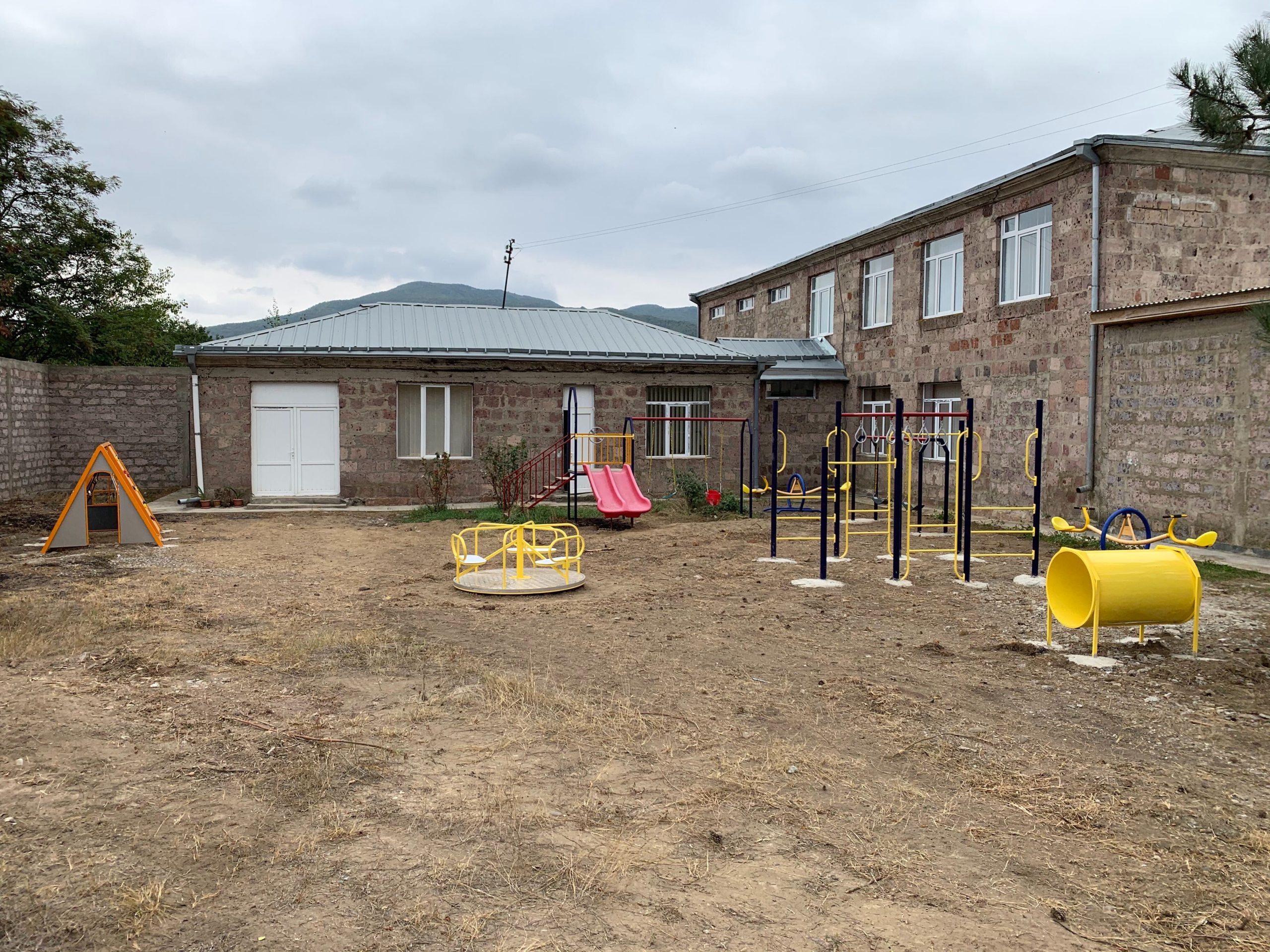
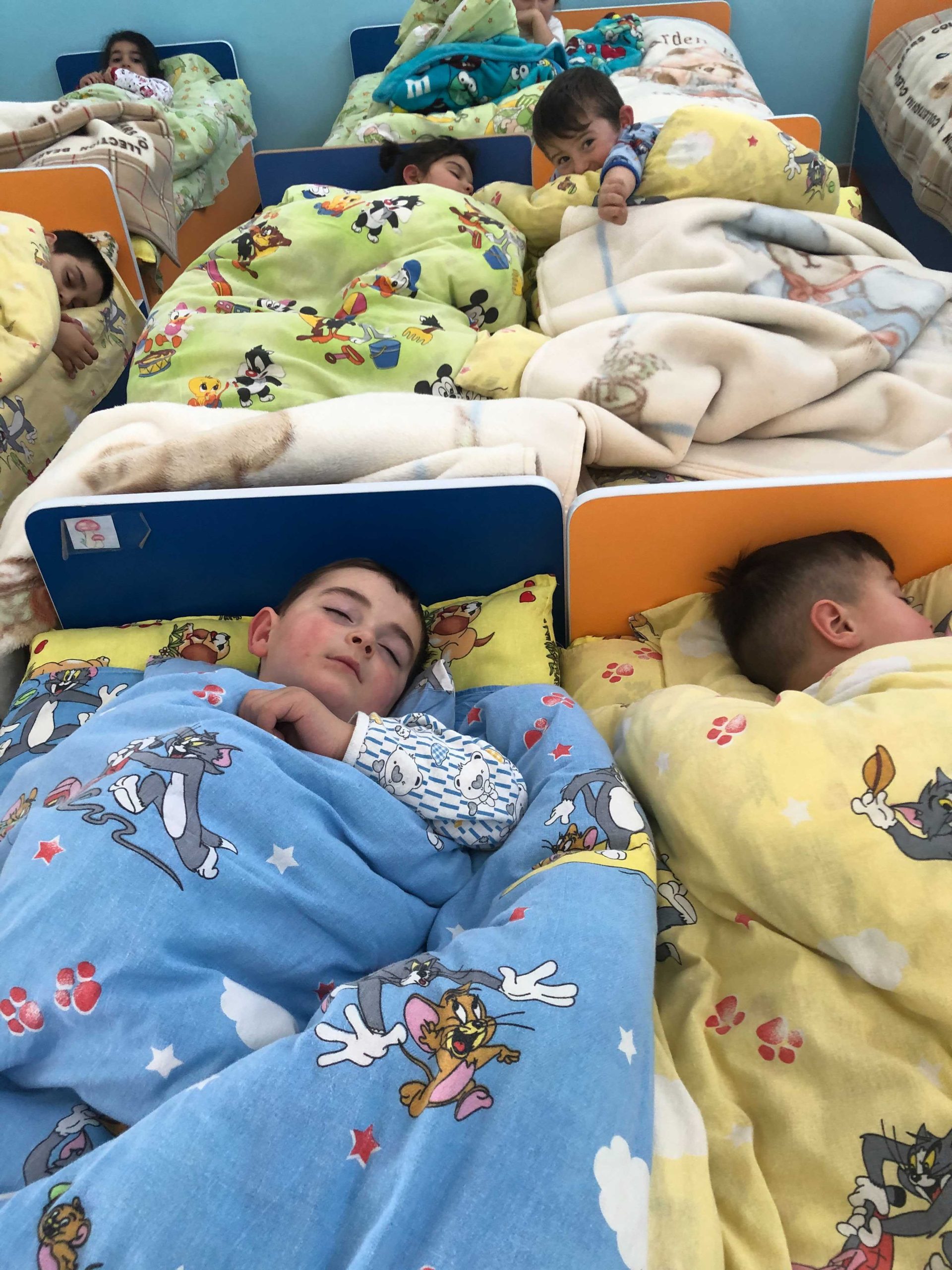
The kindergarten in Berd currently serves more than 32 children in two groups. Shin construction company from Yerevan renovated two rooms of the kindergarten to house one of these groups. The rest of the building needs renovation including doors and windows, furniture and heating. The entire village of Paravakar has a serious water problem.  This issue will be addressed with the addition of a very large water reservoir for exclusive use by the kindergarten.  The exterior of the kindergarten remains partially exposed to Azerbaijan.https://www.youtube.com/watch?v=loBjBCK9UUo

Region

Tavush

City / Village

Paravakar

Start Date

September 2018

End Date

November 2020

Gallery Images


IMG_0792-e1536089942689
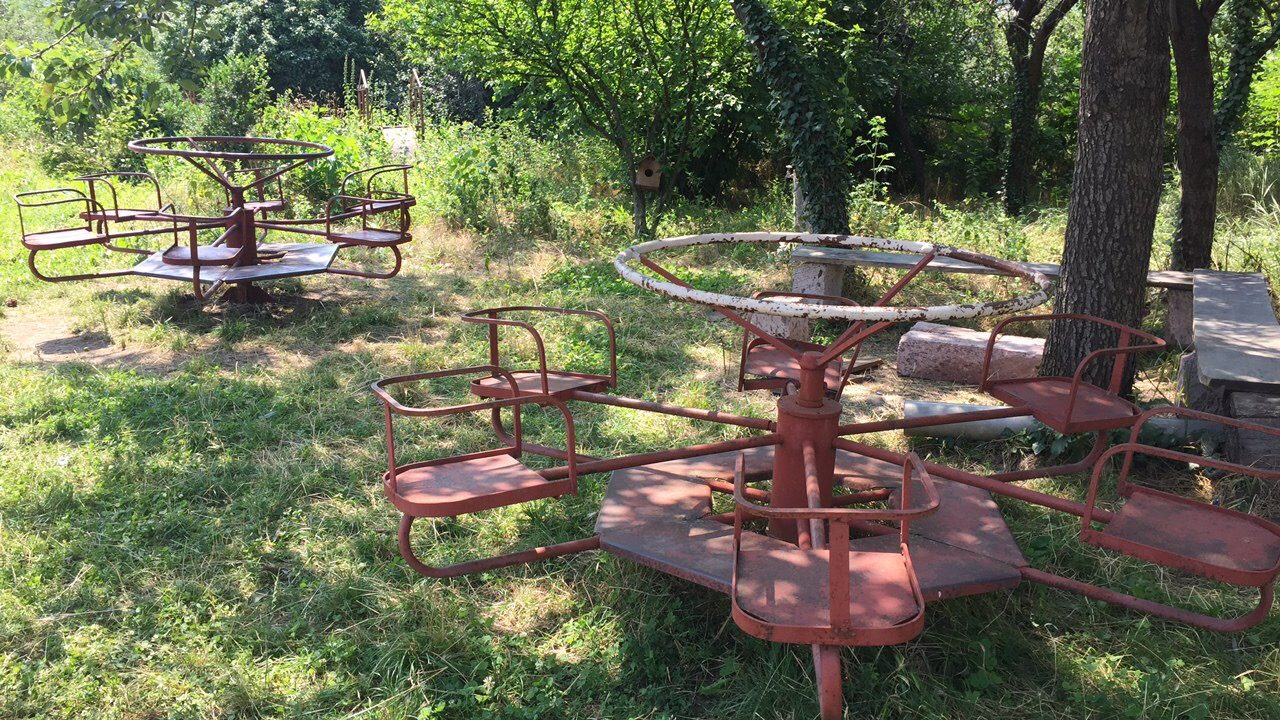
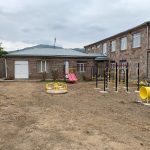
Rusted playground equipment at the Paravakar village kindergarten.


IMG_0842-e1536089666243
Kindergarten at Paravakar


DSCN0549-e1536096222188
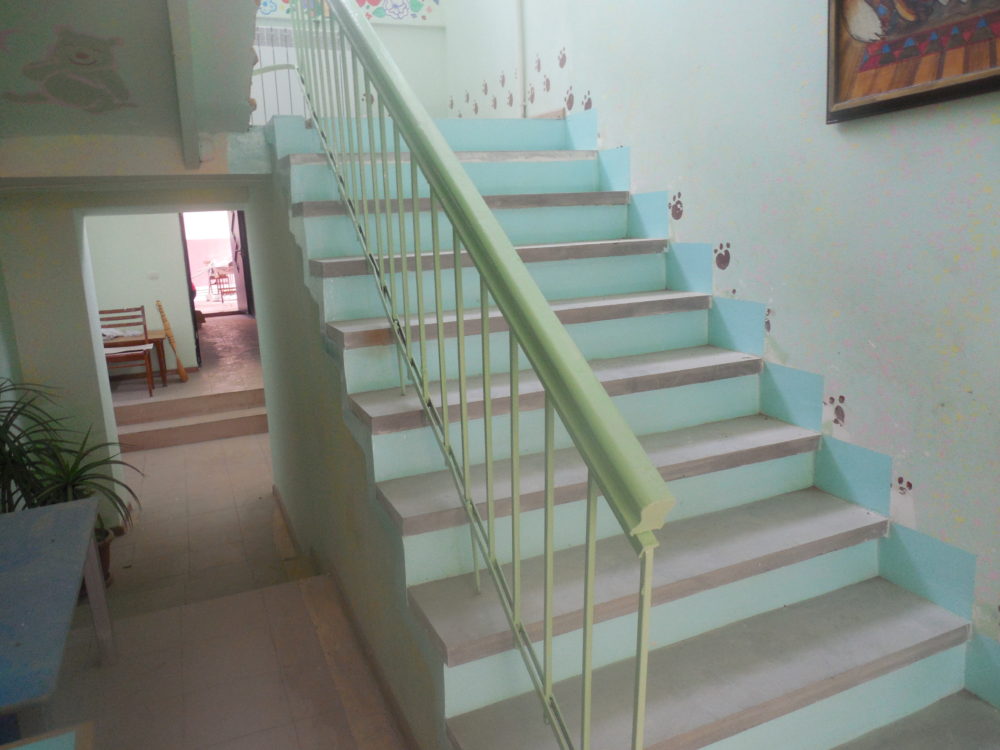
One of the classrooms in Paravakar in need of renovation.


DSCN0550-e1536096359368
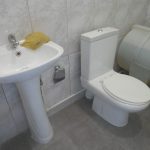
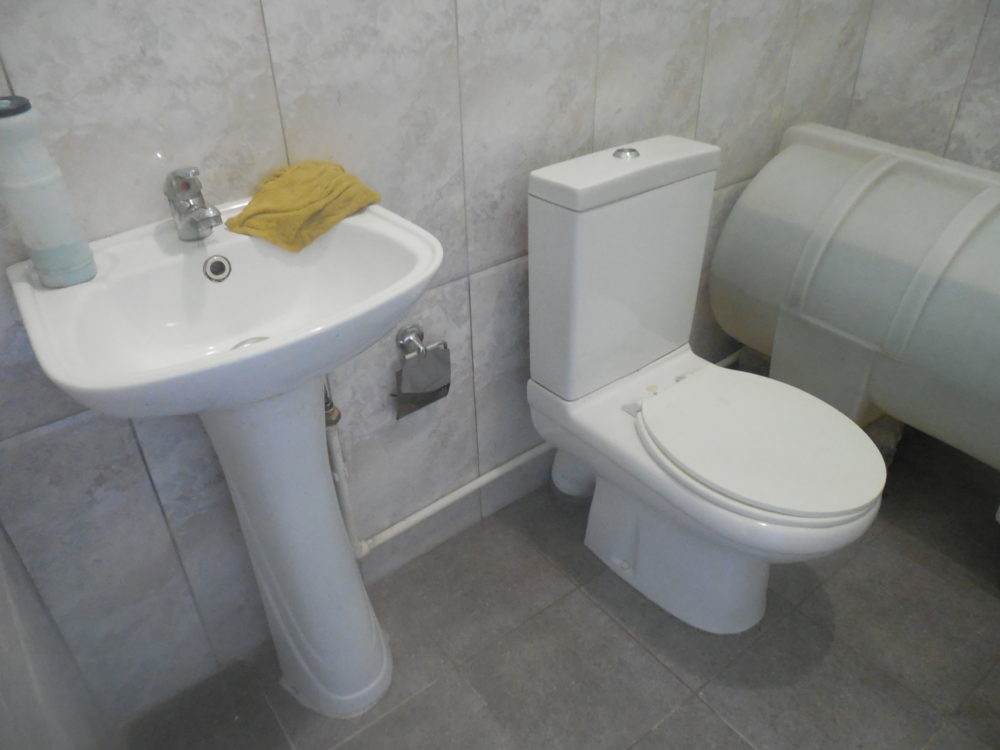
The current bathroom in need of a full remodel at Paravakar.


DSCN0551-e1536096508902
The remnants of a mortar from the bombing along the border. Photo credit: Hetq

The Need

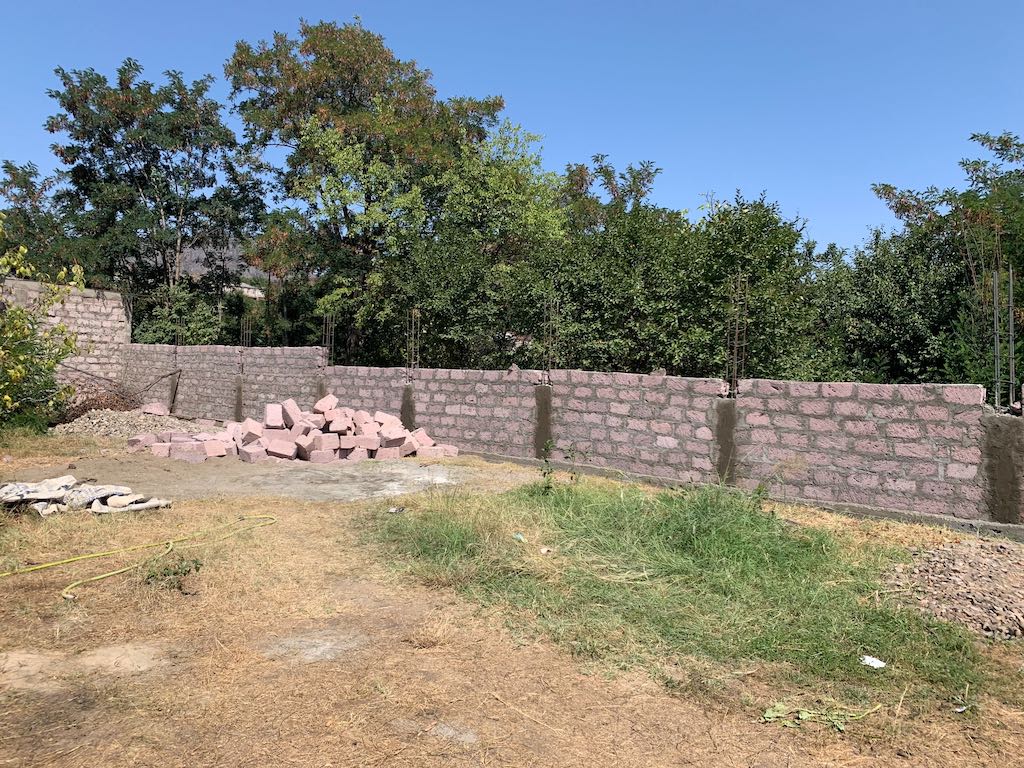
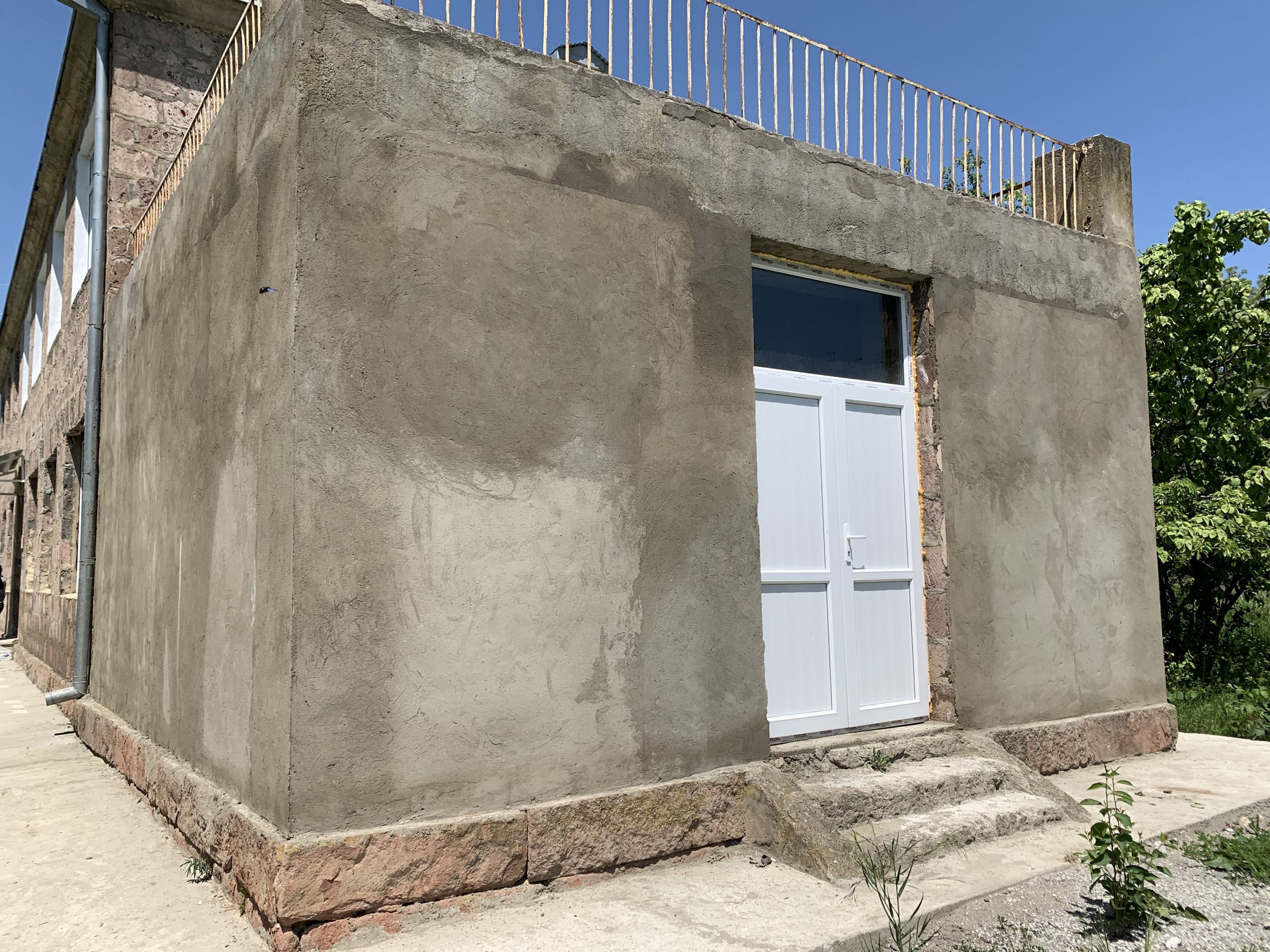
The current kindergarten in Paravakar needs renovation to both improve conditions for the children, and accommodate the creation of an additional group of 25 children. Following the renovation and furnishing of the kindergarten, the exterior of the building will be repaired to protect it from water seepage. A security wall will be built to guard children from any potential sniper fire. Finally, a new driveway, playground area and both hard and landscape will create an inviting space for the children and staff to spend time.

Short Term Impact

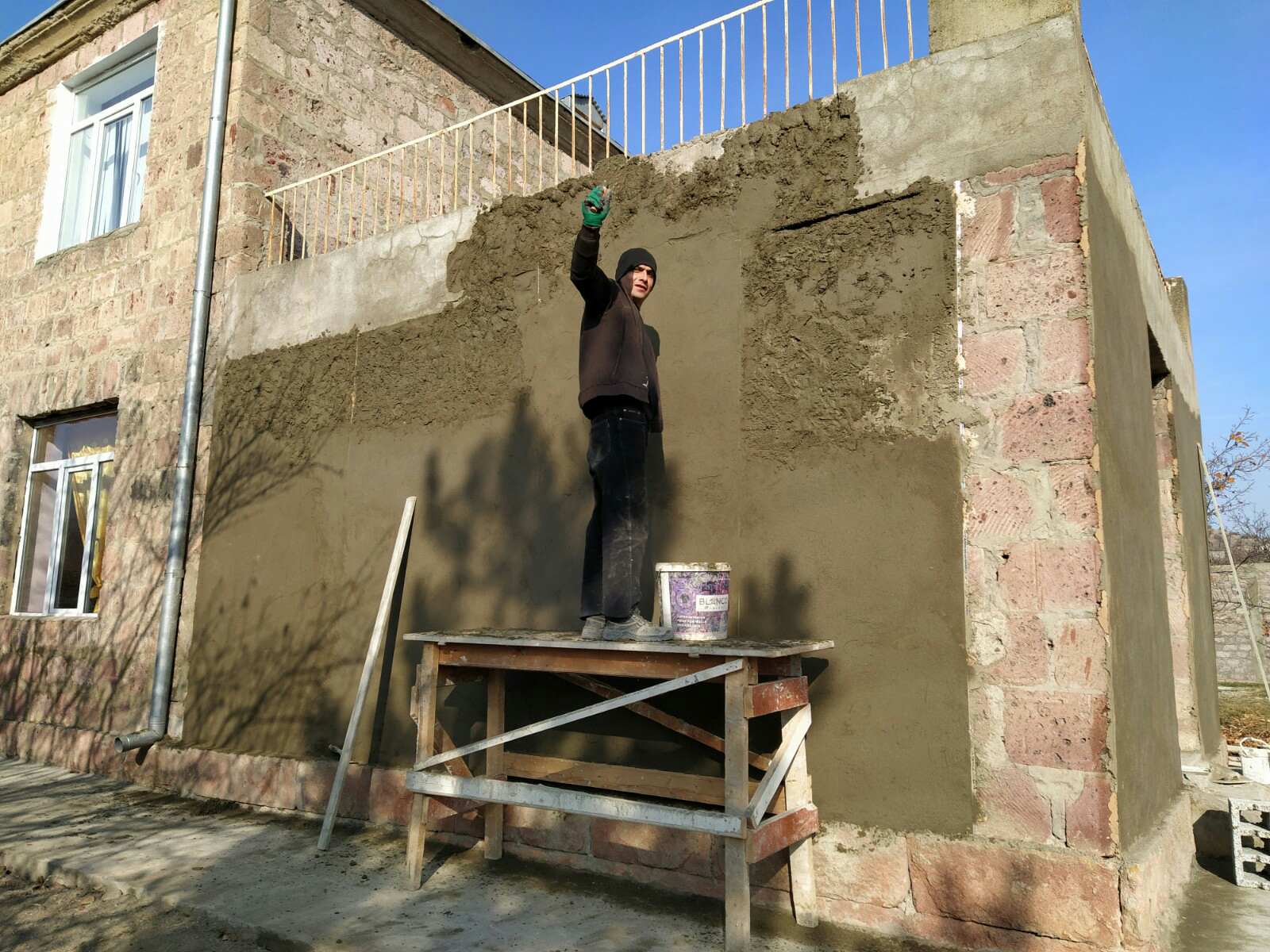
In the short term, the interior of the kindergarten will be renovated prior to the start of the new school year to accommodate the additional children. Materials will be purchased locally and local labor will be used to also benefit the local economy. In the spring of 2019, work will begin on the security wall and to the exterior of the building. In the spring of 2020, landscaping and the remaining exterior work will be completed.

Long Term Impact

Annually, approximately 75 children will benefit from a safe, warm and happy environment to begin their early education. The village in general will benefit from having a significant part of their village’s infrastructure improved.

Sponsors Benefits

All sponsors will be recognized on The Paros Foundation website, in appropriate press released to this project, and on a plaque installed at the Paravakar kindergarten.

[vp_give_donor_wall
donors_per_page=12
show_total=false
show_modal=true
form_id=”63001″]

Updates: Images & Information
DSCN0832-1-e1536097786262

DSCN0879-1-e1536097853529

DSCN0882-1-e1536097914895

DSCN0925-e1536097957387

DSCN0928-e1536098102913

DSCN0937-e1536098129971

September 4, 2018
September 4, 2018

P90820-182516

November 1, 2018
November 1, 2018

June 27, 2029
June 27, 2029

August 27, 2019
August 27, 2019

September 1, 2019
September 1, 2019

October 7, 2019
October 7, 2019

October 29, 2019
October 29, 2019

December 21, 2019
December 21, 2019

May 20, 2020
May 20, 2020

May 26, 2020
May 26, 2020

May 29, 2020
May 29, 2020

May 29, 2020
May 29, 2020

June 13, 2020
June 13, 2020

August 10, 2020
August 10, 2020

September 13, 2020
September 13, 2020

September 13, 2020
September 13, 2020

September 13, 2020
September 13, 2020

September 13, 2020
September 13, 2020

September 15, 2020
September 15, 2020

September 15, 2020
September 15, 2020

September 15, 2020
September 15, 2020

October 1, 2020
October 1, 2020

November 9, 2020
November 9, 2020

November 9, 2020
November 9, 2020


Previous
Next
August 5, 2018

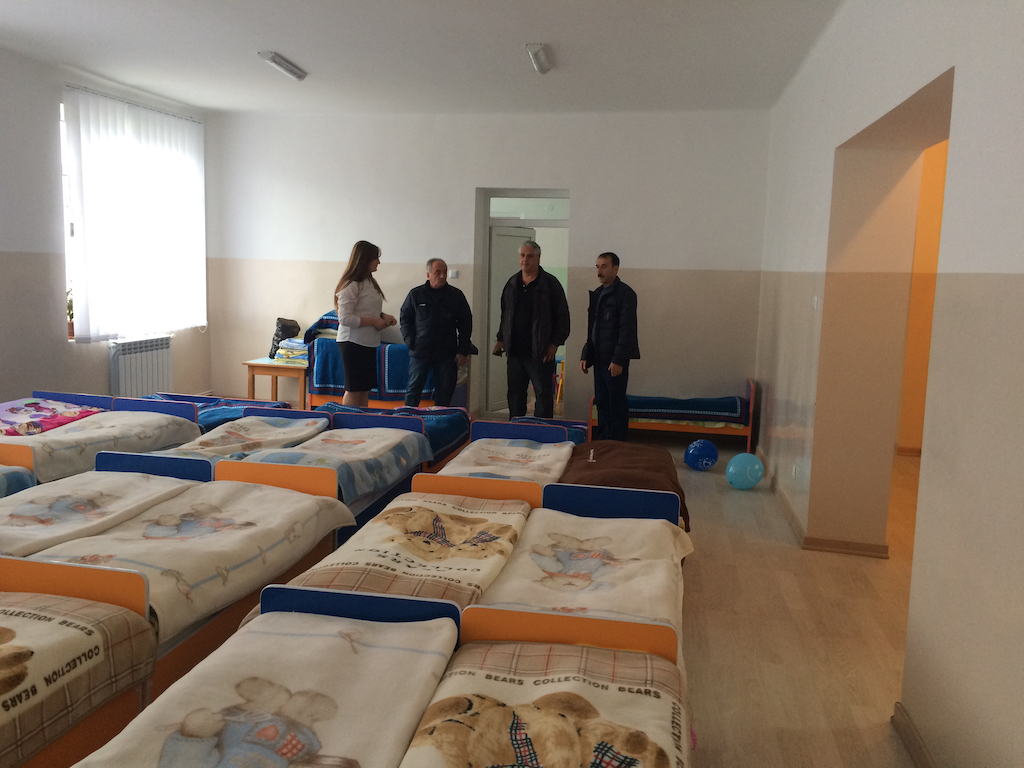
Our visit to Paravakar showed work progressing well. We are on schedule to have the interior work to accommodate the new group completed by September 1 for opening day!

September 4, 2018

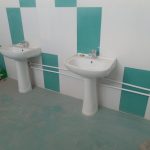
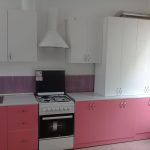
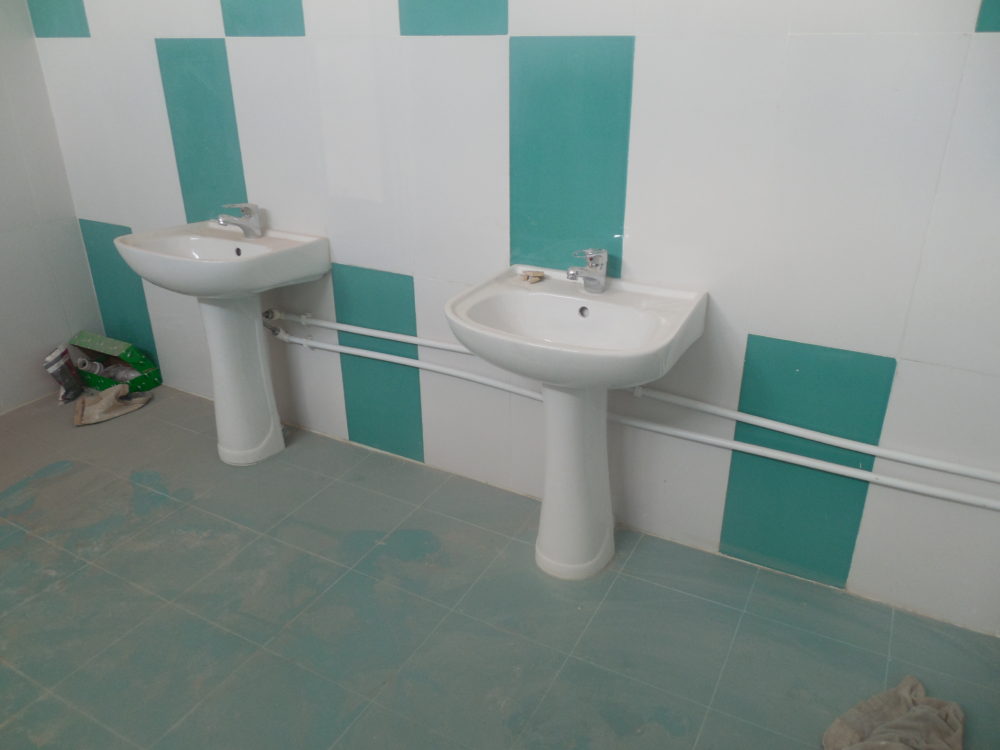
Kitchen cabinets are being installed along with the new range and vent. The restrooms are also almost complete.

 November 1, 2018

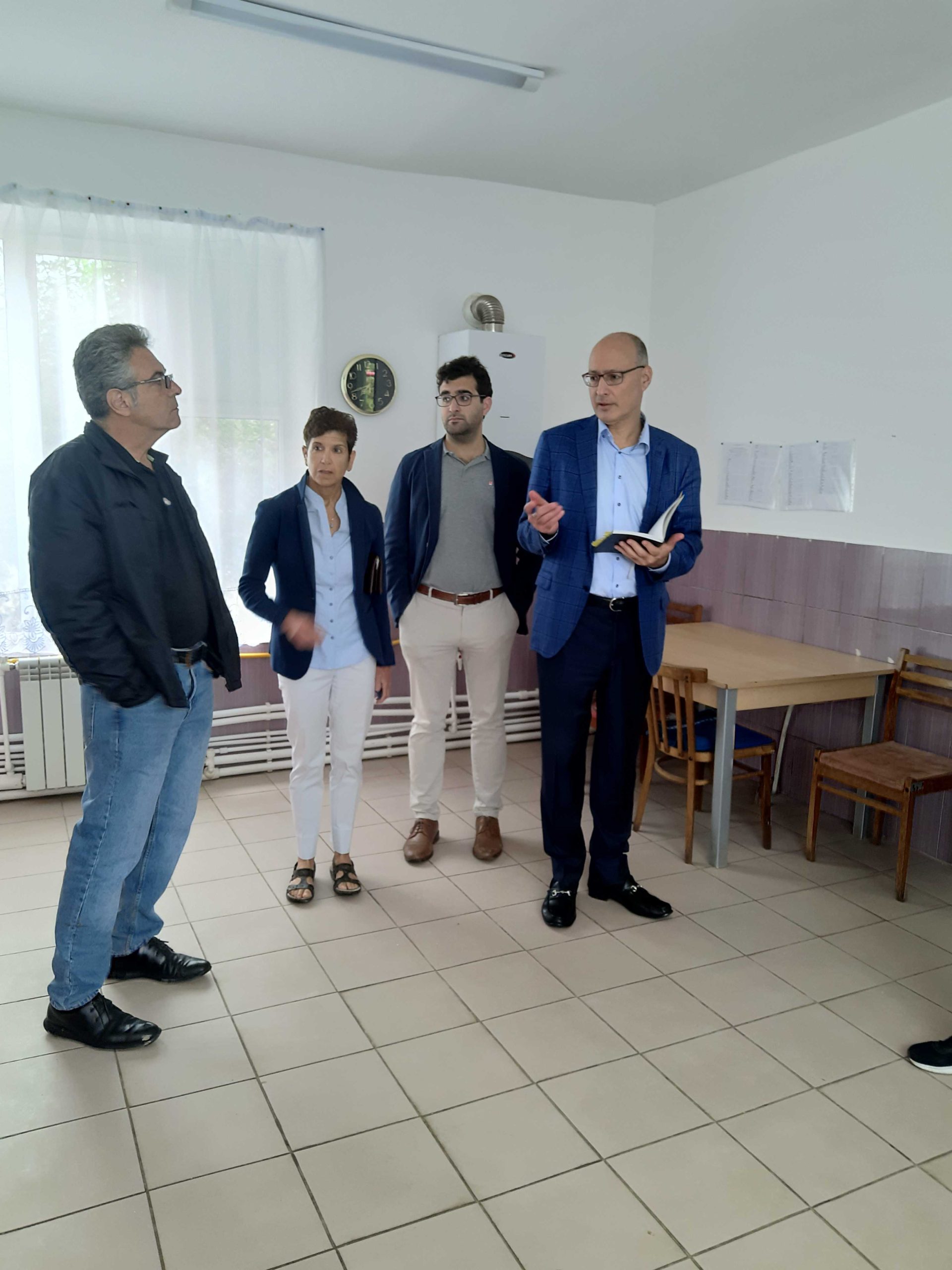
Paros Staff visited the Kindergarten today to inspect the progress of the work and plan for the next steps.

June 27, 2019

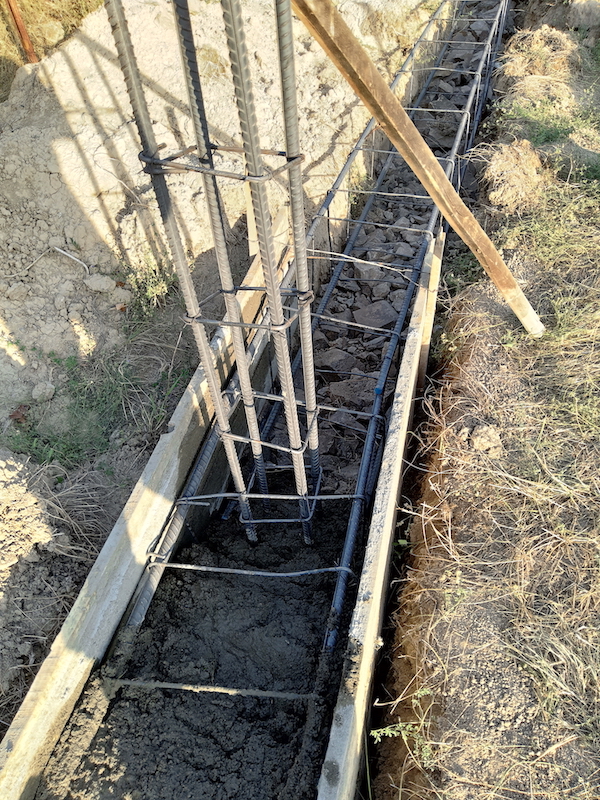
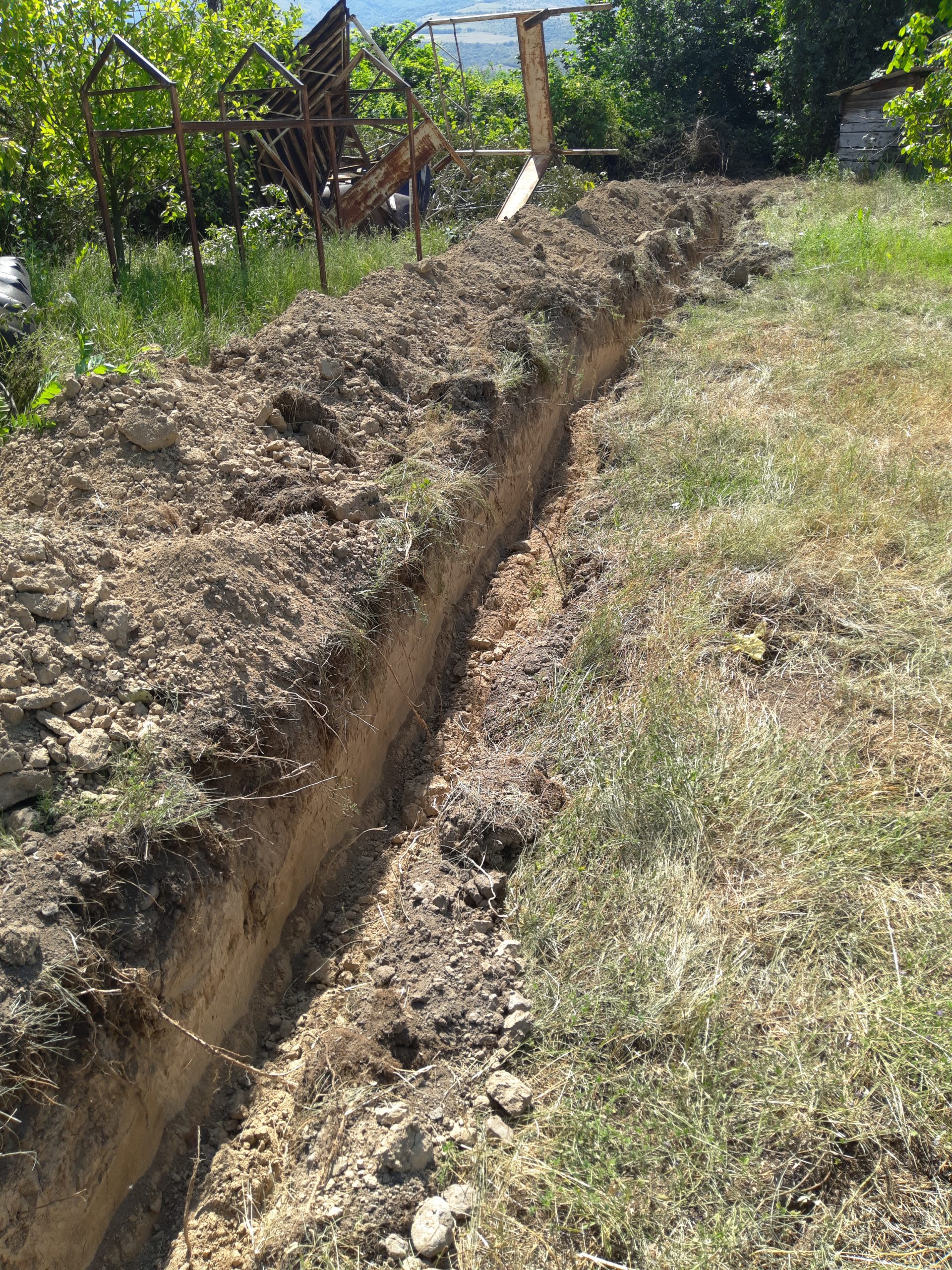
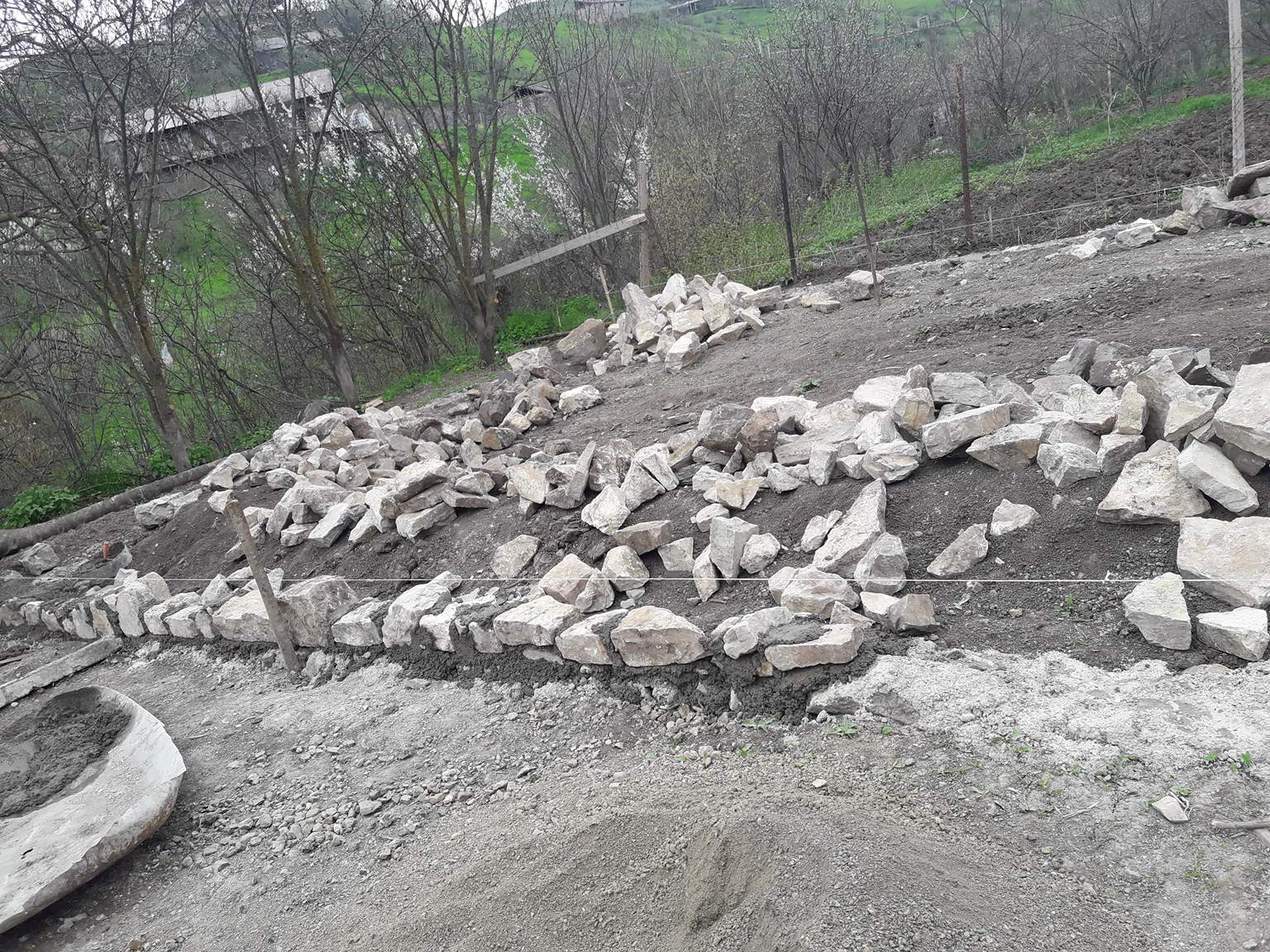
Following a rainy spring and equipment delays, the security wall construction is underway!

August 22, 2019

The new water reservoir and pipes are now installed and functioning to supply water to the entire kindergarten.

March 15, 2020

Due to the Cororna Virus, the Kindergarten is now closed until further decision by the government of Armenia.

May 19, 2020

Work on the kindergarten resumes. 

September 15, 2020

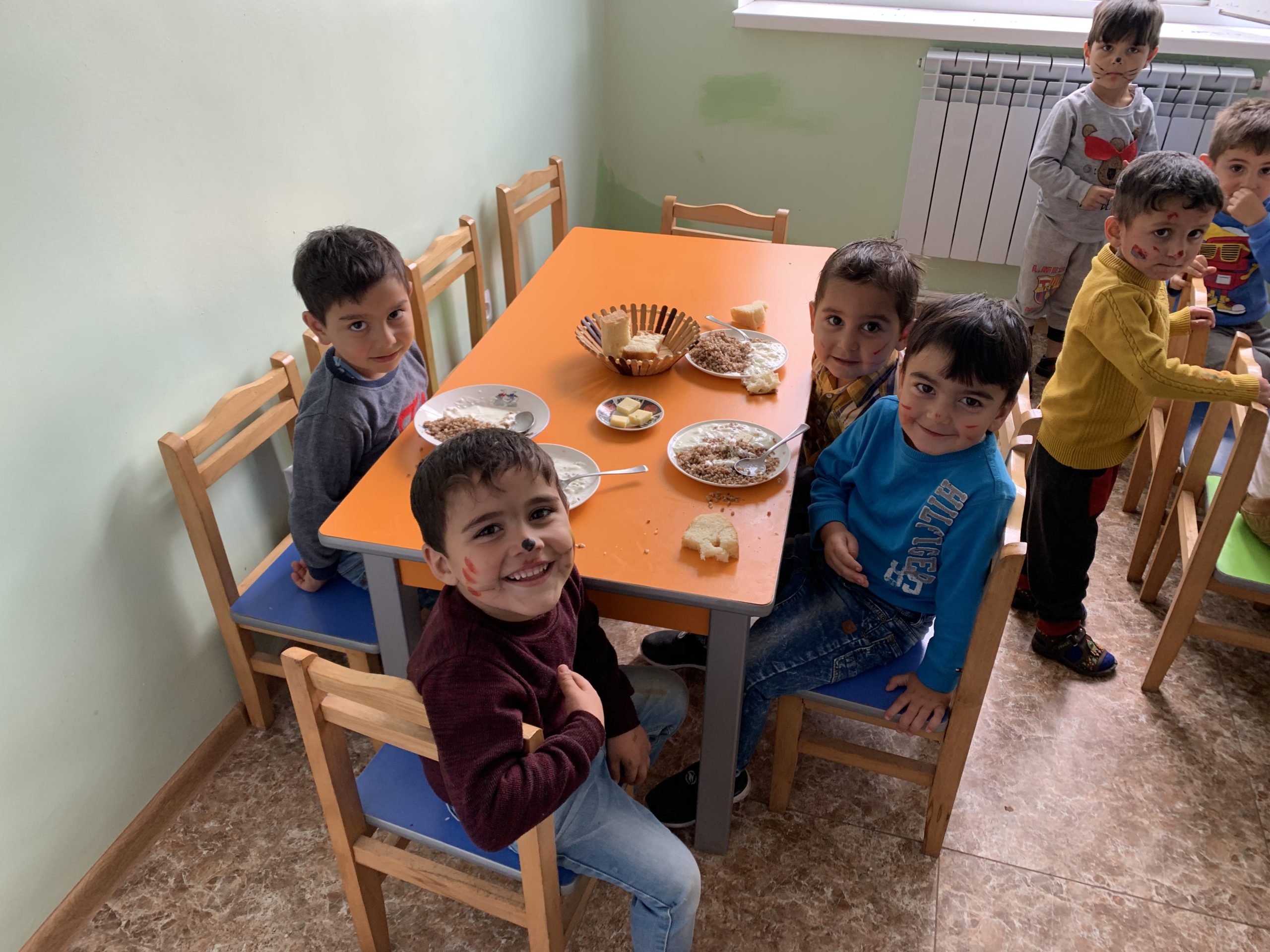
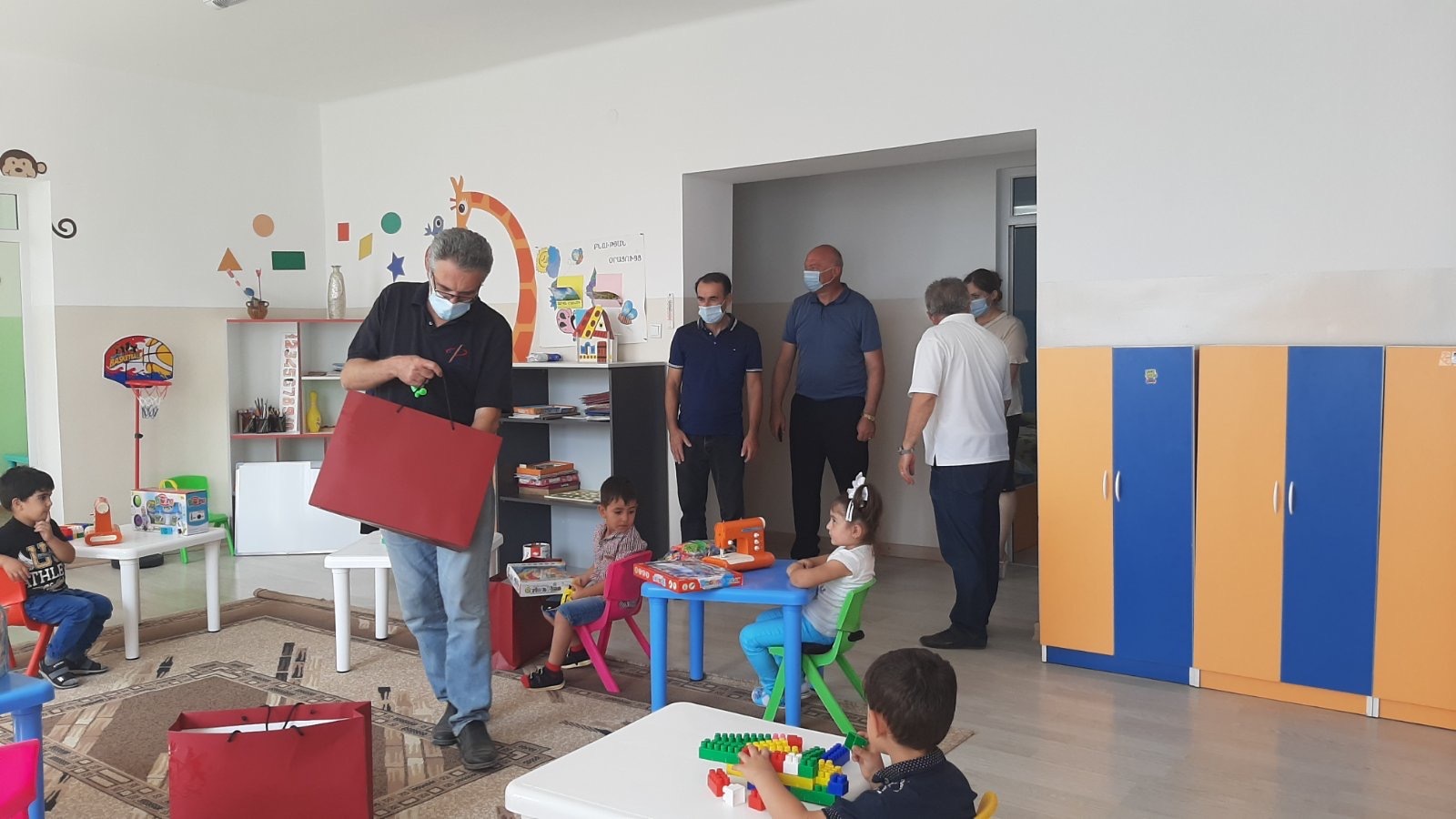
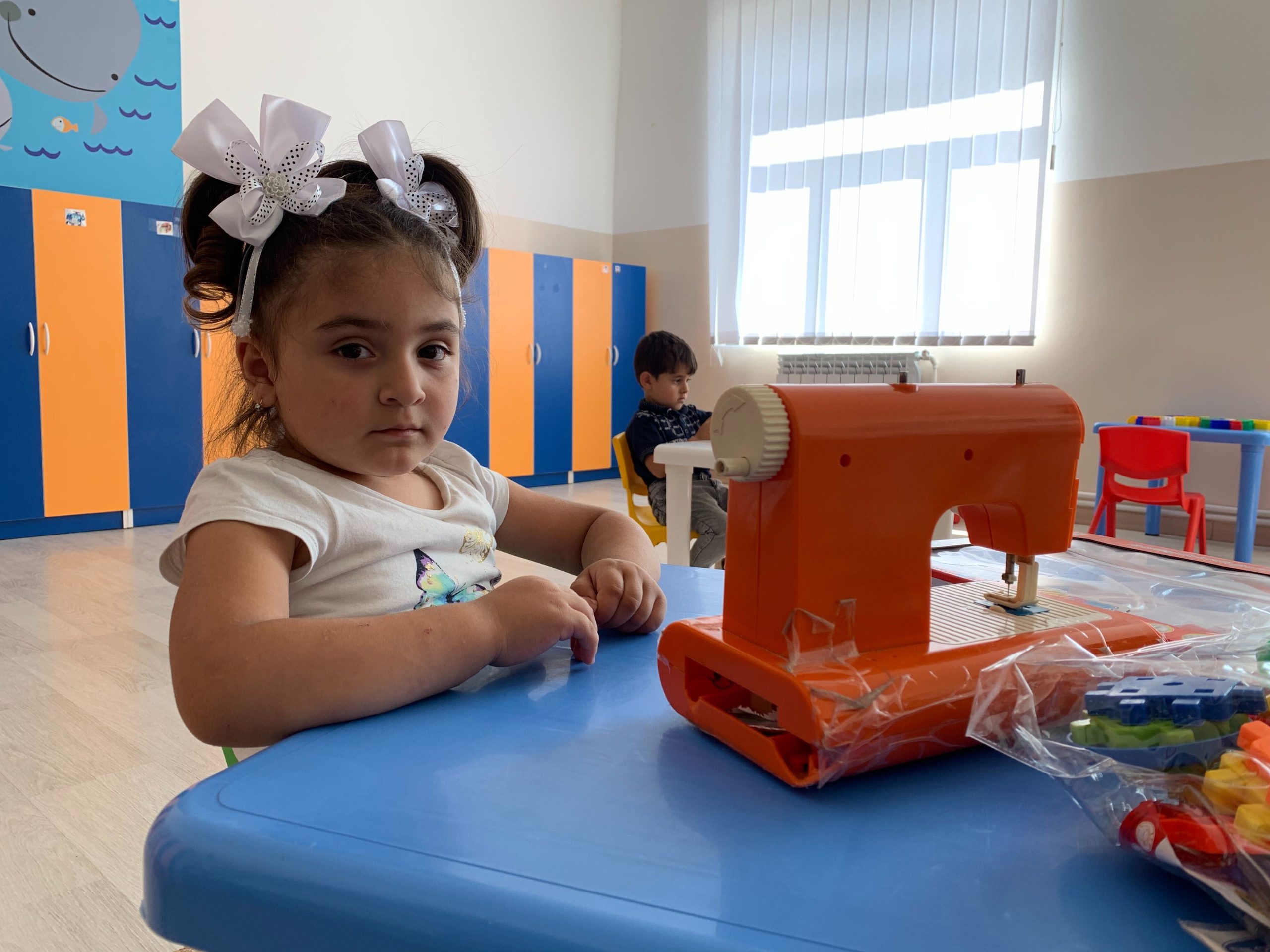
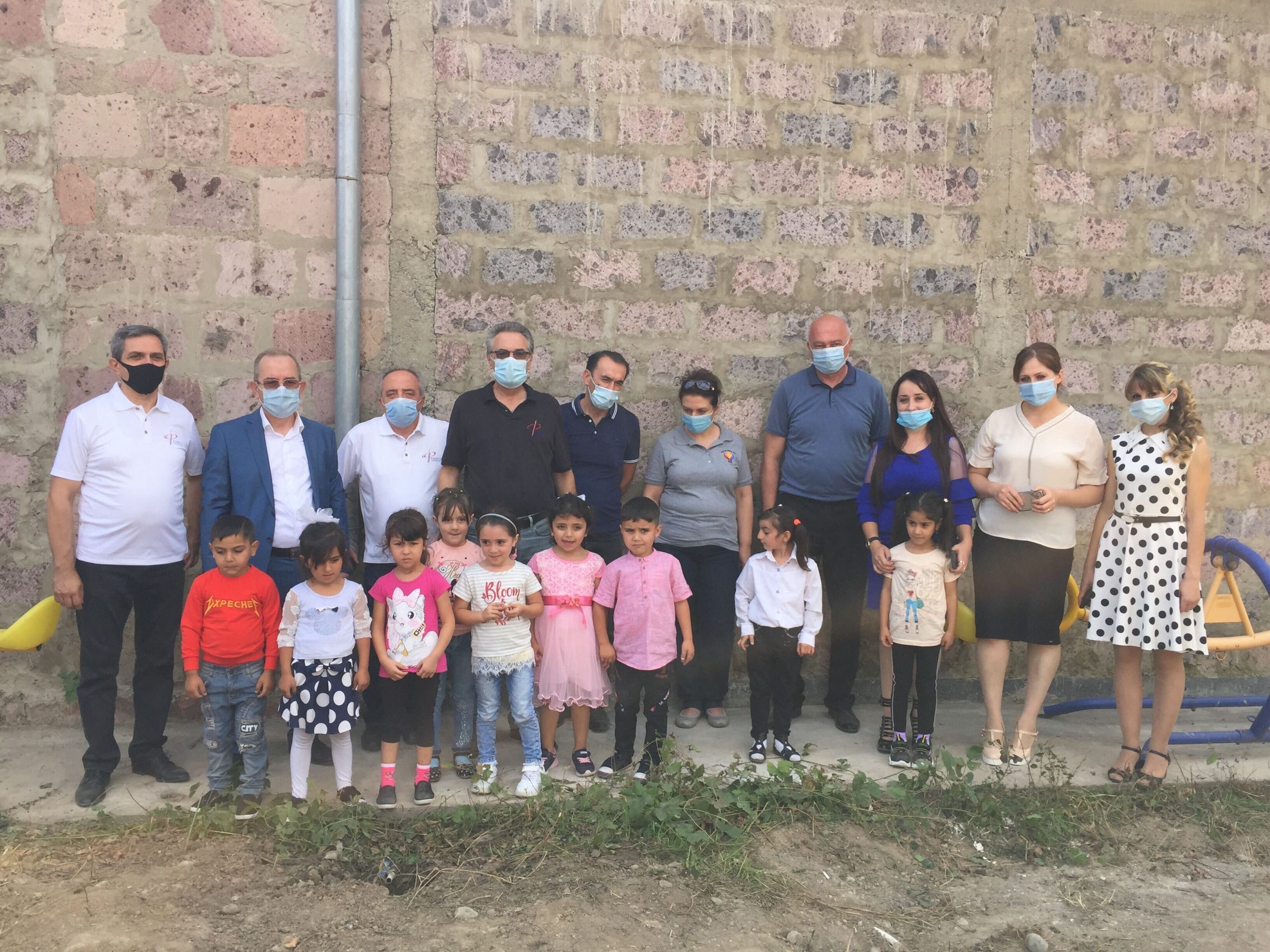
Paravakar Kindergarten classroom renovations are complete! A celebration was held with the kindergarteners where they saw their new kindergarten and received new toys from the Paros team.

October 1, 2020

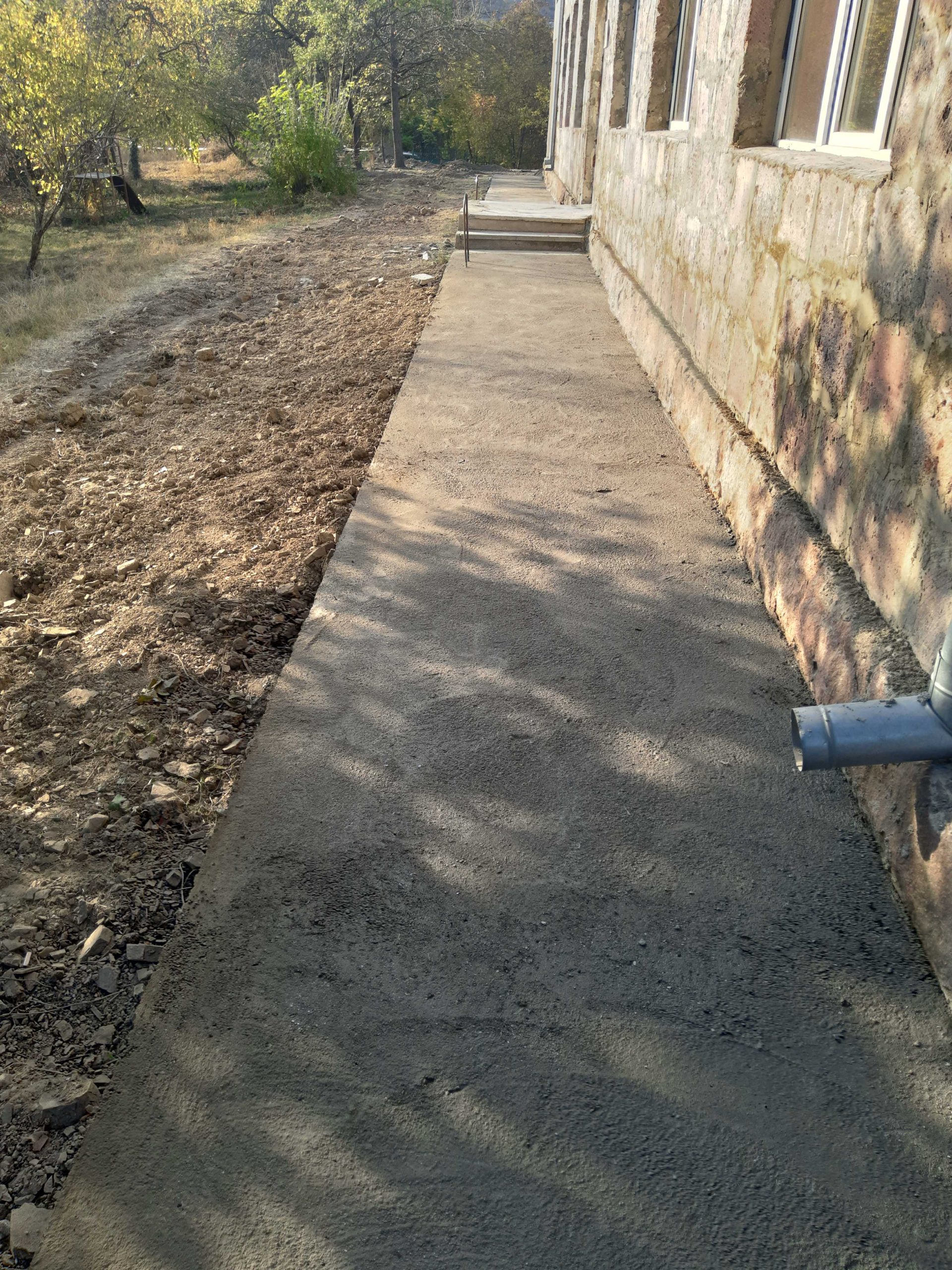
Work on the exterior grounds of the kindergarten is completed. We are hopeful that in the coming weeks, Covid 19 will be under control and the kindergarten will reopen.

November 9, 2020

The Paravakar Kindergarten has been reopened! Kindergarteners are enjoying their newly renovated kindergarten.

19657320_1555143214557805_8153933287788613214_n-e1519840974828

8th Annual AEA Conference

8th Annual AEA Conference

Read Updates

Description

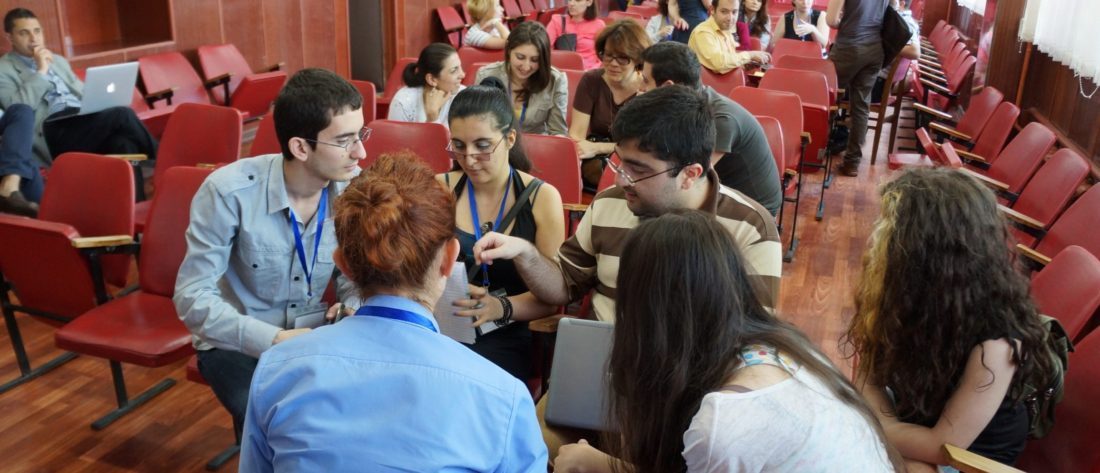
The Armenian Economic Association (AEA) sponsors an economic conference in Armenia to promote high level discussions on Armenia’s future path. The 8th Annual conference needs support to help fund speaker participation and conference related expenses.

Why is the conference so important? Armenia faces many challenges as the Republic struggles to advance: Lapses in governance, weak civic engagement, income inequality, lack of transparency, migration, vulnerability to geopolitical shocks, and more. Equally serious, but perhaps less well-known, shortcomings include: The lack of open platforms to discuss economic and financial research in an academic forum, minimal capacity in advanced and rigorous (western-style) training in economics and finance, and little opportunity to debate policy and policy-making (whether in a public or academic setting). Essentially, in addition to the physical isolation caused by long-standing blockades of its borders, Armenia suffers from intellectual isolation—with serious economic and other consequences.

How does the project address the need? AEA is a non-profit, non-partisan organization whose mission is to promote Armenian scholarship in Economics. AEA’s annual conferences help to fill the notable and serious gaps in economics and finance training, and in public policy debate and discussion—by providing a free and open 2 ½ day forum for presentation of timely research papers and their spirited and rigorous discussion and debate. Diverse participants include world-renowned economists, professors, Ph.D. candidates, and other economics and finance scholars, researchers and professionals.

Thus, AEA actively combats weak civic engagement, and the lack of rigorous economics training and non-partisan policy analysis. Local scholarship and resources alone cannot address these challenges.

Region

Throughout Armenia

City / Village

All

Start Date

June 2018

End Date

June 2018

Gallery Images


19601413_1555066404565486_5649780194609397424_n
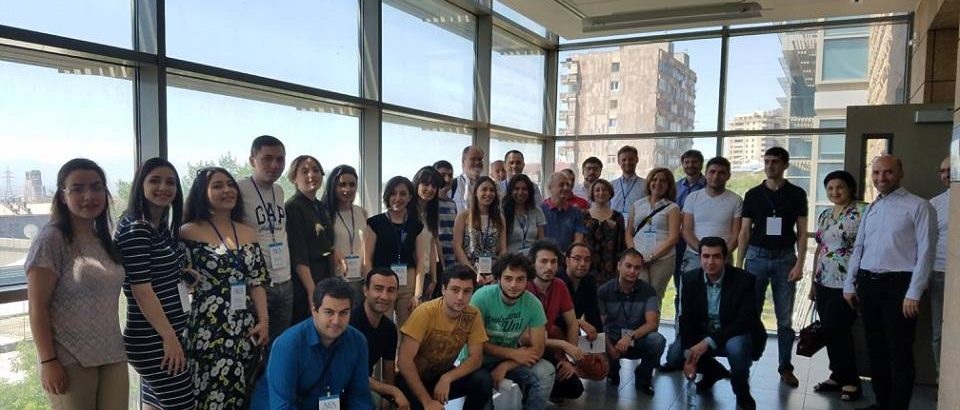
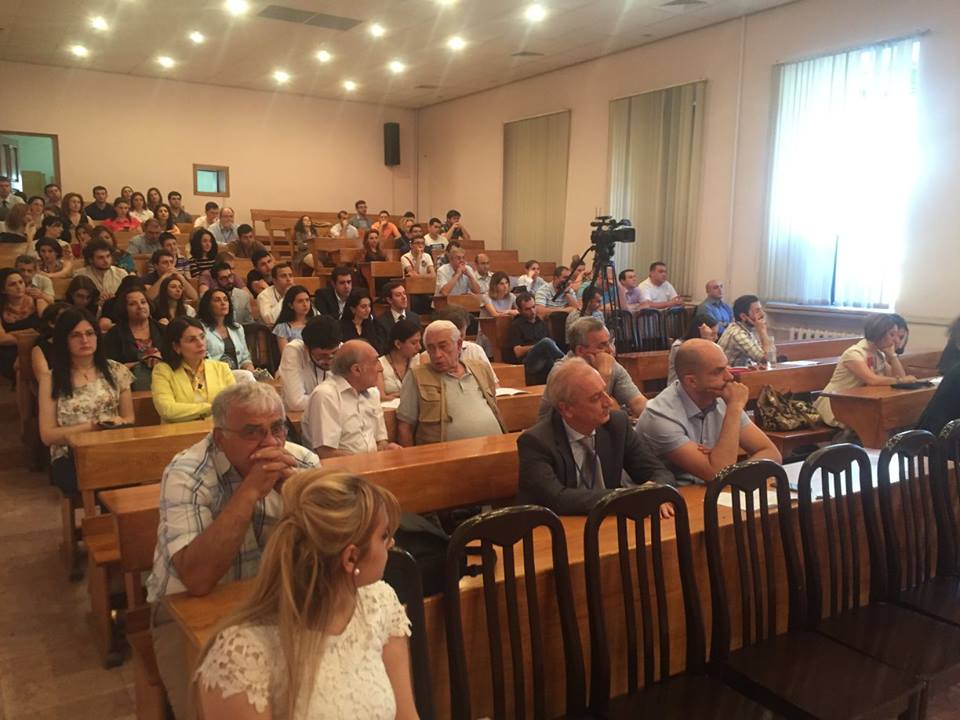
AEA 2017 Conference in Yerevan.


19642753_1556017437803716_8882904064984517982_n
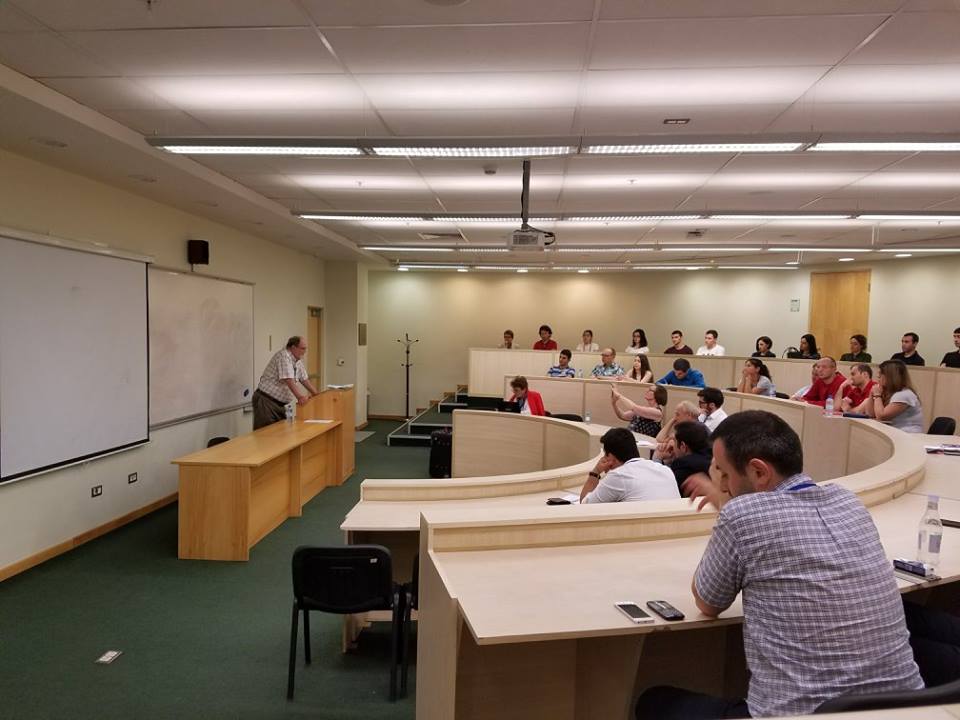
AEA 2017 breakout sessions engage participants.


19642805_1556017224470404_948229250510807555_n
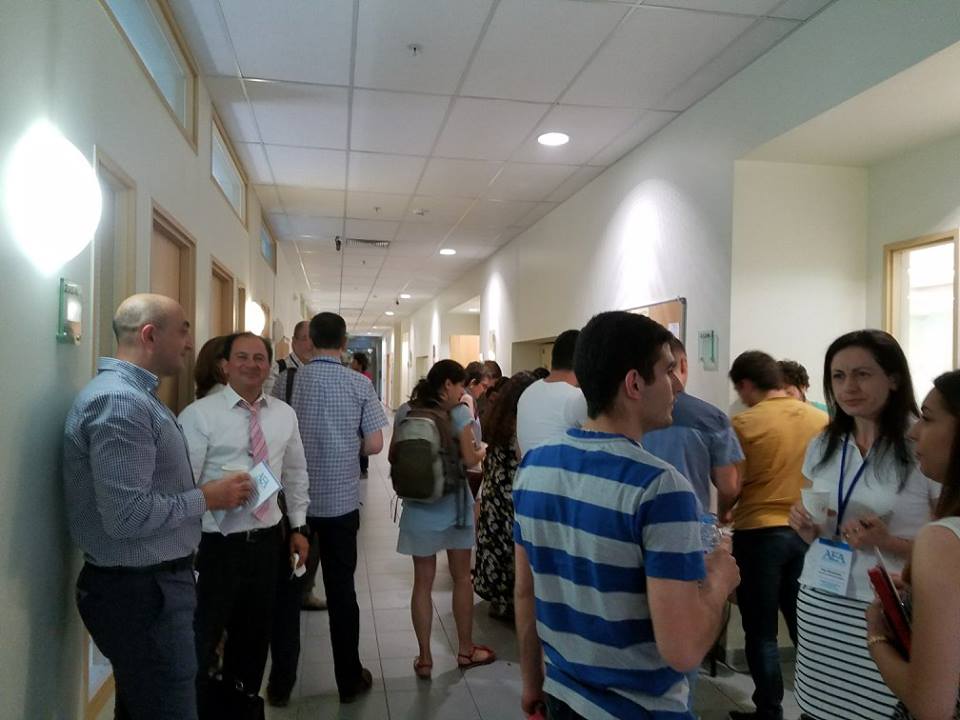
AEA Conference breaks allow for networking and socializing.


19657217_1556027774469349_6169787192211350592_n
Qualified guest speakers lead lively discussion topics.

The Need

As a developing country, Armenia needs the robust engagement of the diaspora to help it better address civic engagement and economic discussion taking place.

Short Term Impact

Typical attendance at an AEA annual conference is about 200 in total over 2 ½ days. Near-term benefits include: (1) Scholars in Armenia benefit immediately from interacting with senior professors and receiving serious comments on their research work in progress, leading to publication and recognition. (2) Armenia benefits from the rising level of in-country talent and discussion. (3) Students within Armenia and beyond are inspired to pursue advanced training and/or research. (4) Employment opportunities result from networking during the conference (5) More research will be devoted to Armenia and the challenges it faces as more researchers/scholars become more aware of the issues and the availability of data sets.

Long Term Impact

(6) Meeting and working with Diaspora economists leads to joint collaboration in research and policy analysis. (7) Publishing research can lead to employment opportunities. (8) More western-trained economists may be motivated to make the sacrifice and to return to Armenia, to build its future and help moderate the brain drain. (9) Transfer of knowledge contributes to advancement in training in economics. This enhanced capacity may lead to better teaching and more productive research on Armenia—both in-country and beyond.

Sponsors Benefits

Donor names are posted on the Paros Foundation & AEA website, printed on conference programs, and publicized in mass emails. AEA will gladly discuss donor recognition opportunities, such as naming awards for donors.
[vp_give_donor_wall
donors_per_page=14
show_total=false
show_modal=true
form_id=”62889″]

Updates: Images & Information

June 30, 2018

The Armenian Economic Association (AEA) held another successful annual conference in Yerevan, thanks in part to the support of contributors to The Paros Foundation website. The 8th annual conference on June 14 – 16 brought together academics, researchers and thought leaders from Armenia, Croatia, Czechia, Georgia, Germany, Kazakhstan, the Netherlands, Poland, Russia, Serbia, Spain, Ukraine, UK, and the United States. More than 150 people attended the many sessions to participate in and discuss more than 50 presentations addressing topics in agriculture, finance, international trade, economic development, education, macro and microeconomics, migration, political economy, and taxation, among others. World-renowned Armenian economist Daron Acemoglu of MIT kicked off the conference (by live video). Other keynote speakers included Arye L. Hillman of Bar-Ilan University (Friday) and Yulia Ustyugova of the International Monetary Fund (Saturday). The opening day Roundtable also featured Randall Filer of Hunter College at the City University of New York and representatives of the government and the Central Bank of Armenia, and was moderated by AEA President Gurgen Aslanyan. The conference was jointly hosted by the TUMO Center for Creative Technologies and the American University of Armenia (AUA) with financial support from individual donors in the United States and abroad. The meetings concluded Saturday evening at AUA, with the best paper awards ceremony. We look forward to another stimulating conference in 2019!

DSCN0135-e1519412573718

Agribusiness on the Border 23: Mher A. Family

Agribusiness on the Border 23: Mher A. Family

Read Updates

Description

Several villages in the Tavush region of Armenia are bordering Azerbaijan. Residents in these border villages live and work under a constant risk of sniper fire and renewed armed conflict each day. The economy of the villages and the livelihood of many of its residents have suffered due to these difficult and dangerous times. It is of strategic importance to support these villagers in their daily lives so that they may remain inhabitants of these villages, mere footsteps from Azerbaijan. Economic development and opportunities for work are essential to continue improving the conditions in these border villages.

To date we have successfully implemented eight agribusiness projects in the village of Baghanis. Currently home to 286 households and 955 people, the village was established in the fifth century and is situated in the Tavush region of Armenia. The village is adjacent to the Republic of Azerbaijan, sharing a 2 km-long border. Today, the residents make a living by farming and tending to their livestock. The village is actively trying to improve the quality of life for its residents and is in need of aid.

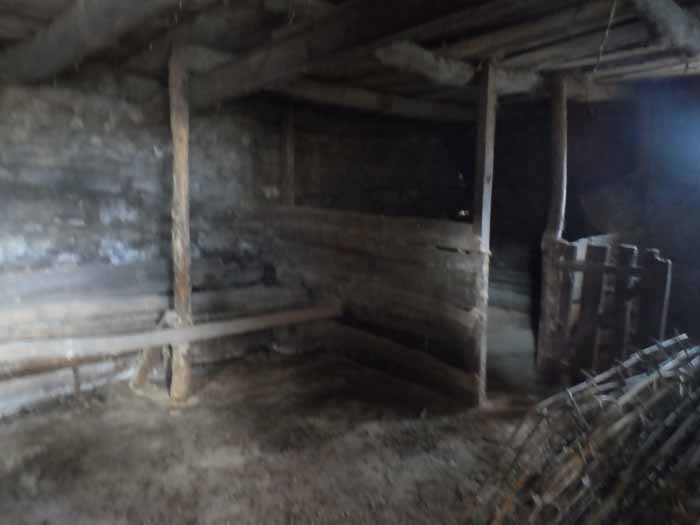
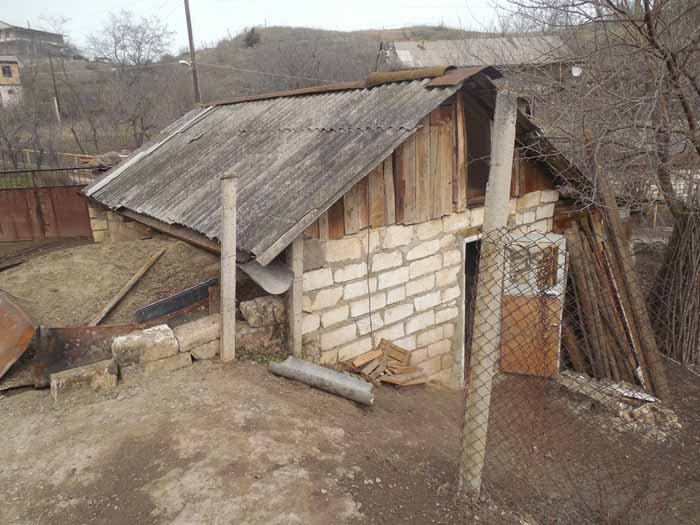
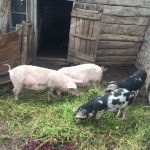
Mher’s family includes his wife and three young children (ages 1, 5 and 14). Mher currently owns 9 cows, 9 calfs and two pigs. Mher has done a considerable amount of work on his home and is currently housing his animals in a temporary structure. He is requesting materials to build a new 80 square meter barn to permanently house his animals. Frequent visits will be made to the family to track their progress and determine the success of their new venture.

Region

Tavush

City / Village

Baghanis

Start Date

April 2018

End Date

April 2019

Gallery Images


DSCN0134
Mher’s temporary barn on the edge of his property.

The Need

Due to the remote and dangerous areas in which these villages are situated, residents are unable to travel for work, or establish many other economical opportunities so that they can financially provide for their families. 50% of their fertile land in Baghanis is unusable because of frequent sniper attacks. Helping these families better establish their agribusinesses will allow them to be self-sufficient, care for their families and improve their village’s economy.

Short Term Impact

In the short term, Mher and his family will be able to better care for their animals with the addition of a new barn.

Long Term Impact

In the long term, families will have established a form of income and will likely have the ability to expand their work. The village economy will also improve, as more jobs will be created for the residents. This will help deter emigration from the village.

Sponsors Benefits

All sponsors will be recognized on all relevant press regarding this project and on The Paros Foundation website. Visits to the families can be arranged for sponsors visiting Armenia.
[vp_give_donor_wall
donors_per_page=12
show_total=false
show_modal=true
form_id=”62795″]

Updates: Images & Information

20180413-baghanis-agri-mher-barn-2

20180413-baghanis-agri-mher-barn-1

20180411-baghanis-agri-mher-barn-cement-300000-by-narek

20180411-baghanis-agri-mher-barn-stones-204000-by-narek


Previous
Next
April 13, 2018

Mher and his family began work on the construction of their barn. Our first batch of construction materials were delivered and as work progresses, the balance of the materials will be delivered.

DSCN0100-e1519411827889

Agribusiness on the Border 25: Tatul B. Family

Agribusiness on the Border 25: Tatul B. Family

Read Updates

Description

Several villages in the Tavush region of Armenia are bordering Azerbaijan. Residents in these border villages live and work under a constant risk of sniper fire and renewed armed conflict each day. The economy of the villages and the livelihood of many of its residents have suffered due to these difficult and dangerous times. It is of strategic importance to support these villagers in their daily lives so that they may remain inhabitants of these villages, mere footsteps from Azerbaijan. Economic development and opportunities for work are essential to continue improving the conditions in these border villages.
To date we have successfully implemented eight agribusiness projects in the village of Baghanis. Currently home to 286 households and 955 people, the village was established in the fifth century and is situated in the Tavush region of Armenia. The village is adjacent to the Republic of Azerbaijan, sharing a 2 km-long border. Today, the residents make a living by farming and tending to their livestock. The village is actively trying to improve the quality of life for its residents and is in need of aid.
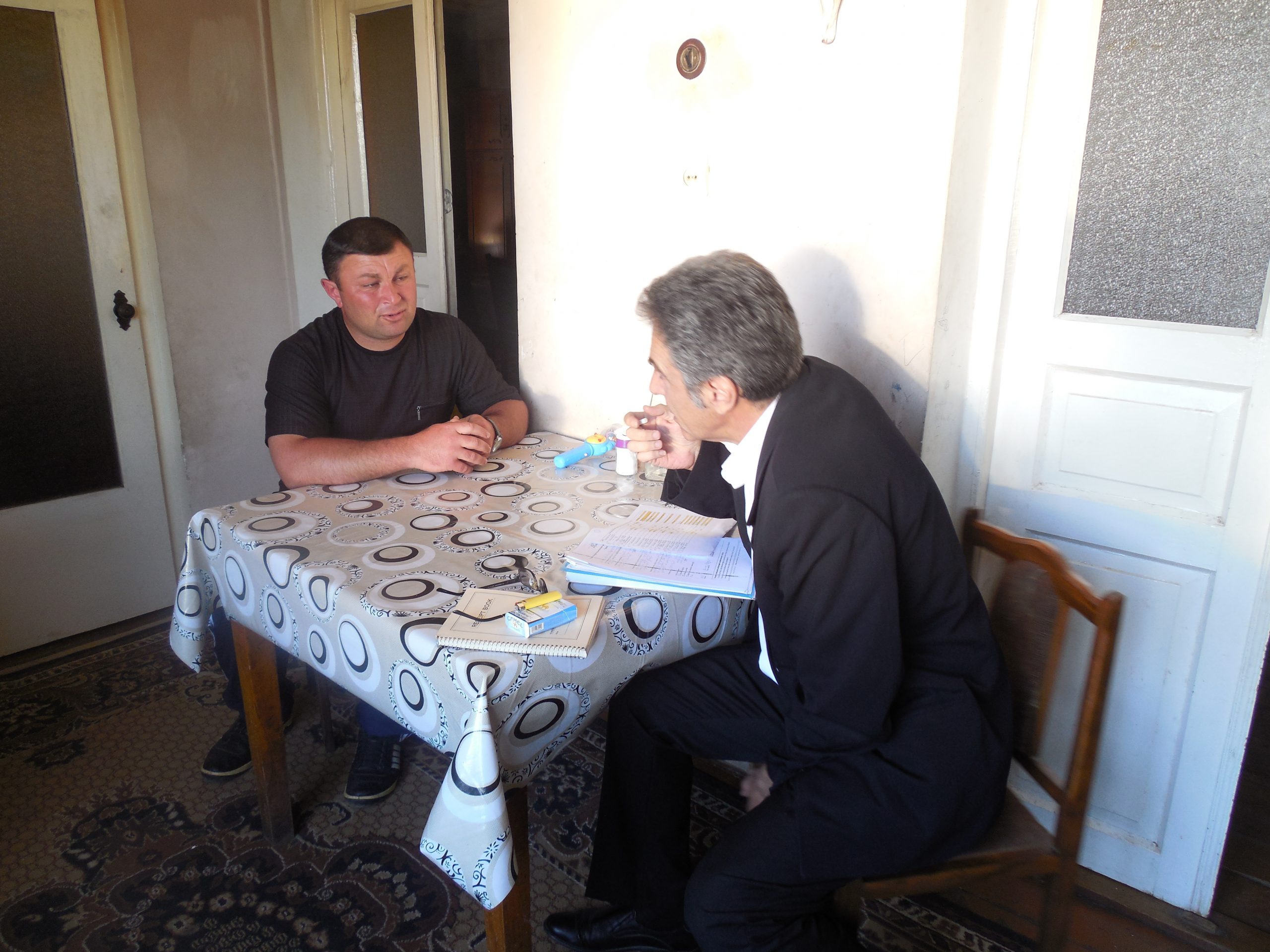
Tatul B., a schoolteacher, and his family have been identified as one of the families who are in need of additional support in order to help their agribusiness grow. Their family consists of seven members including three children. They live in a dangerous area as their home is exposed to Azeri sniper fire. They currently have a barn and have requested 12 sheep for their agribusiness. As a part of this effort Tatul and his family will be provided training and/or business tips for the ensured success of their agribusiness. Frequent visits will be made to the family to track their progress and determine the success of their new venture.

Region

Tavush

City / Village

Baghanis

Start Date

April 2018

End Date

April 2019

Gallery Images


DSCN1170-2
Project Manager, Sevan Amirians, meeting with Tatul to discuss the project.


DSCN0103
Tatul’s barn.

The Need

Due to the remote and dangerous areas in which these villages are situated, residents are unable to travel for work, or establish many other economical opportunities so that they can financially provide for their families. 50% of their fertile land in Baghanis is unusable because of frequent sniper attacks. Helping these families better establish their agribusinesses will allow them to be self-sufficient, care for their families and improve their village’s economy.

Short Term Impact

In the short term, Tatul and his family will benefit from the addition of his new animals for his agribusiness. The family will be able to enjoy fresh milk and cheese in addition to producing these items for sale or trade.

Long Term Impact

In the long term, families will have established a form of income and will likely have the ability to expand their work. The village economy will also improve, as more jobs will be created for the residents. This will help deter emigration from the village.

Sponsors Benefits

All sponsors will be recognized on all relevant press regarding this project and on The Paros Foundation website. Visits to the families can be arranged for sponsors visiting Armenia.
[vp_give_donor_wall
donors_per_page=12
show_total=false
show_modal=true
form_id=”62793″]

Updates: Images & Information

November 28, 2018
November 28, 2018

DSCN0290

November 28, 2018
November 28, 2018

IMG_4268


Previous
Next
November 28, 2018

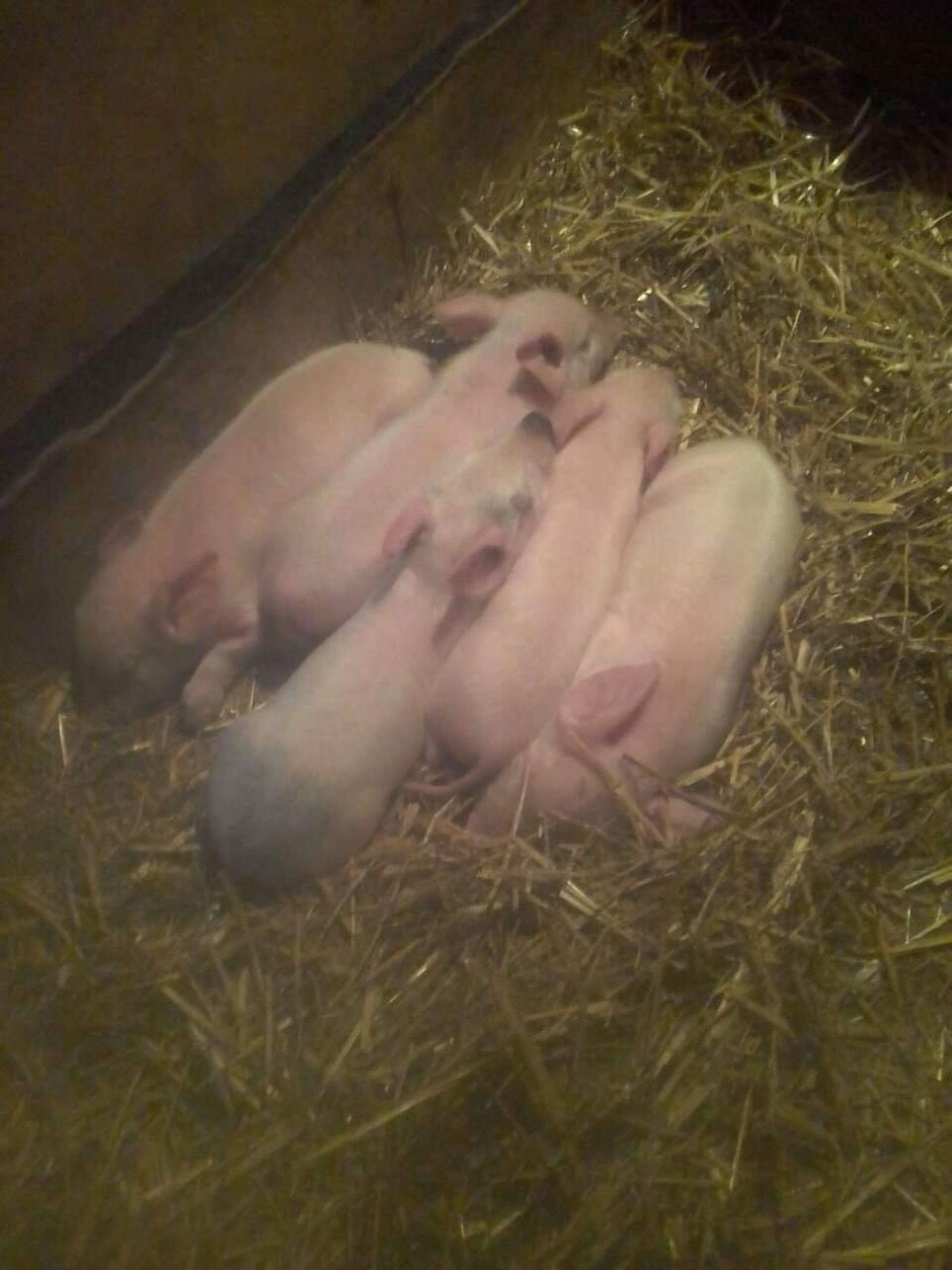
Today Tatul’s new piglets and lambs were delivered to his home. We wish him luck on his new agribusiness.

 November 28, 2018

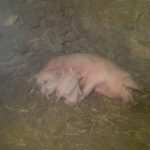
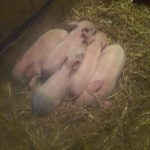
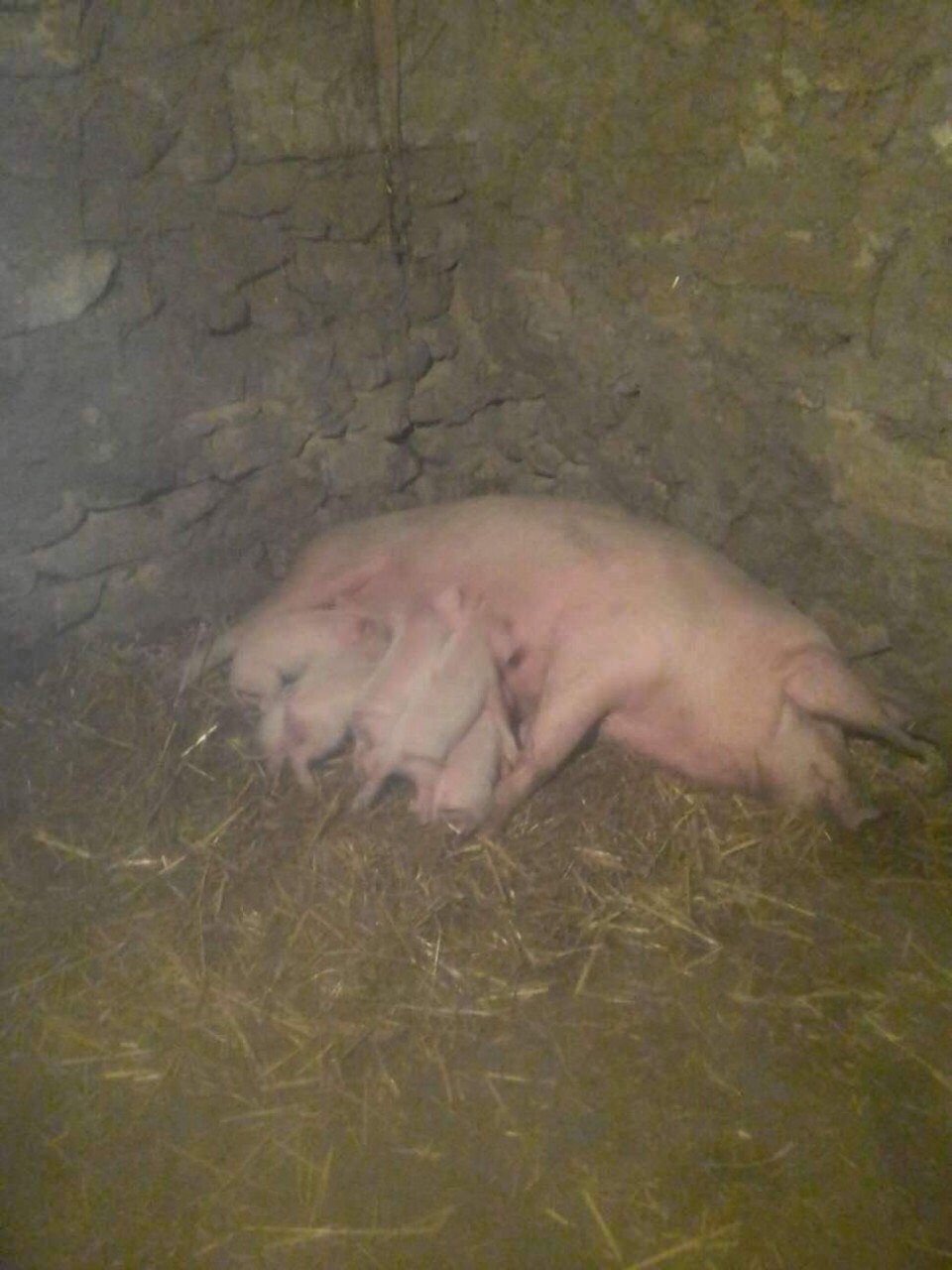
Our team was in Baghanis today following up on our projects and visited Tatul B’s family. One of Tatul’s pigs had recently given birth to five healthy piglets!

DSCN0292-2-e1589922609619

Agribusiness on the Border 24: Sasoon A. Family

Agribusiness on the Border 24: Sasoon A. Family

Read Updates

Description

Several villages in the Tavush region of Armenia are bordering Azerbaijan. Residents in these border villages live and work under a constant risk of sniper fire and renewed armed conflict each day. The economy of the villages and the livelihood of many of its residents have suffered due to these difficult and dangerous times. It is of strategic importance to support these villagers in their daily lives so that they may remain inhabitants of these villages, mere footsteps from Azerbaijan. Economic development and opportunities for work are essential to continue improving the conditions in these border villages.

To date we have successfully implemented eight agribusiness projects in the village of Baghanis. Currently home to 286 households and 955 people, the village was established in the fifth century and is situated in the Tavush region of Armenia. The village is adjacent to the Republic of Azerbaijan, sharing a 2 km-long border. Today, the residents make a living by farming and tending to their livestock. The village is actively trying to improve the quality of life for its residents and is in need of aid.

Region

Tavush

City / Village

Baghanis

Start Date

April 2018

End Date

April 2019

The Need

Due to the remote and dangerous areas in which these villages are situated, residents are unable to travel for work, or establish many other economical opportunities so that they can financially provide for their families. 50% of their fertile land in Baghanis is unusable because of frequent sniper attacks. Helping these families better establish their agribusinesses will allow them to be self-sufficient, care for their families and improve their village’s economy.

Long Term Impact

In the long term, families will have established a form of income and will likely have the ability to expand their work. The village economy will also improve, as more jobs will be created for the residents. This will help deter emigration from the village.

Sponsors Benefits

All sponsors will be recognized on all relevant press regarding this project and on The Paros Foundation website. Visits to the families can be arranged for sponsors visiting Armenia.
[vp_give_donor_wall
donors_per_page=12
show_total=false
show_modal=true
form_id=”62791″]

Updates: Images & Information
DSCN0294-1

DSCN0298-1


Previous
Next
March 26, 2018

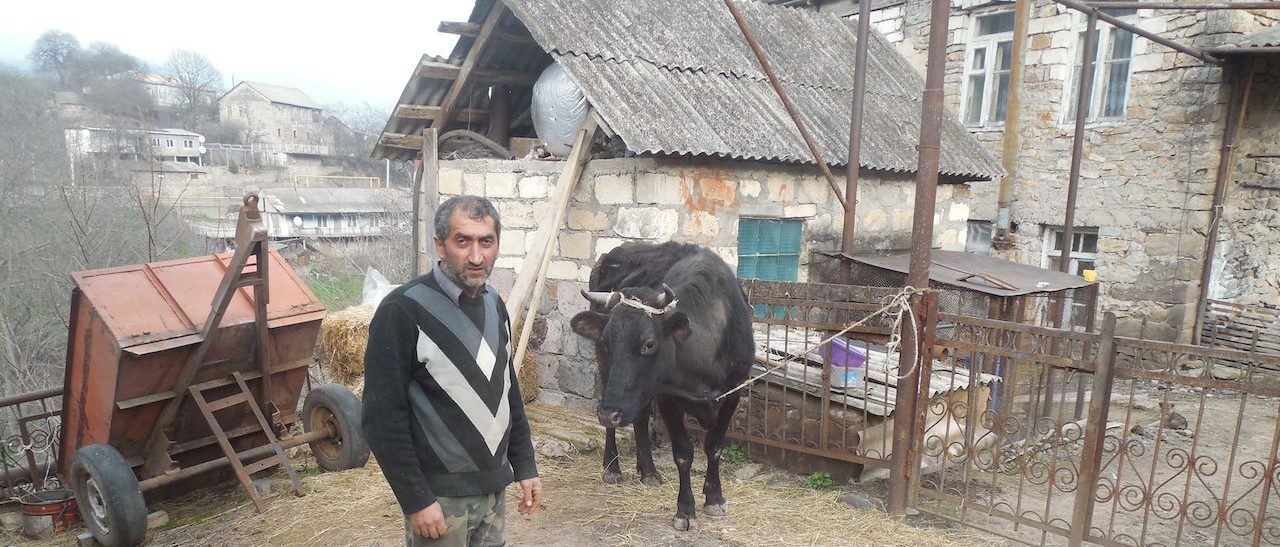
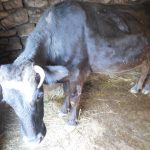
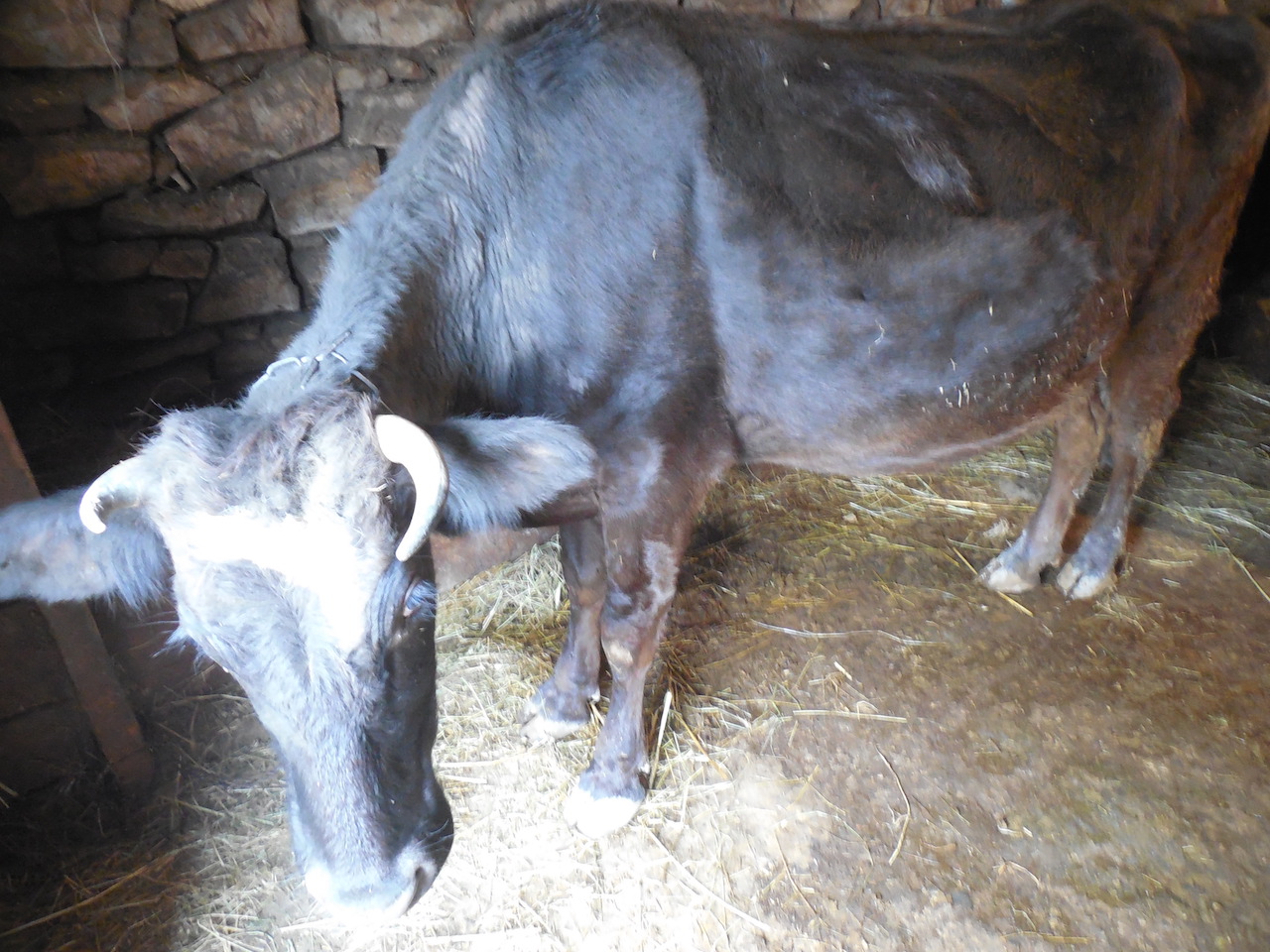
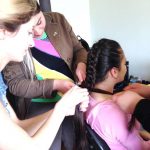
Today The Paros team visited Sasoon and his two new cows. We wish him and his family the best on his future success.

DSCN0115-2

Agribusiness on the Border 22: Ararat H. Family

Agribusiness on the Border 22: Ararat H. Family

Read Updates

Description

Several villages in the Tavush region of Armenia are bordering Azerbaijan. Residents in these border villages live and work under a constant risk of sniper fire and renewed armed conflict each day. The economy of the villages and the livelihood of many of its residents have suffered due to these difficult and dangerous times. It is of strategic importance to support these villagers in their daily lives so that they may remain inhabitants of these villages, mere footsteps from Azerbaijan. Economic development and opportunities for work are essential to continue improving the conditions in these border villages.

To date we have successfully implemented eight agribusiness projects in the village of Baghanis. Currently home to 286 households and 955 people, the village was established in the fifth century and is situated in the Tavush region of Armenia. The village is adjacent to the Republic of Azerbaijan, sharing a 2 km-long border. Today, the residents make a living by farming and tending to their livestock. The village is actively trying to improve the quality of life for its residents and is in need of aid.

Ararat’s family includes his wife and three young children under the age of ten. In addition, Ararat’s mother lives with them in the same household. Ararat is requesting materials to repair his 25 square meter barn, one cow, two sheep and feed. As a part of this effort, families will be provided training and/or business tips for the ensured success of their agribusiness. Frequent visits will be made to the family to track their progress and determine the success of their new venture.

Region

Tavush

City / Village

Baghanis

Start Date

March 2018

End Date

March 2019

Gallery Images


DSCN0114-2
Ararat’s barn.


DSCN0116-1
Ararat’s barn needs renovation.


DSCN0117
Once completed Ararat will be able to care for animals.

The Need

Due to the remote and dangerous areas in which these villages are situated, residents are unable to travel for work, or establish many other economical opportunities so that they can financially provide for their families. 50% of their fertile land in Baghanis is unusable because of frequent sniper attacks. Helping these families better establish their agribusinesses will allow them to be self-sufficient, care for their families and improve their village’s economy.

Short Term Impact

In the short term, Ararat and his family will benefit from the addition of his new animals for his agribusiness. The family will be able to enjoy fresh milk and cheese.

Long Term Impact

In the long term, families will have established a form of income and will likely have the ability to expand their work. The village economy will also improve, as more jobs will be created for the residents. This will help deter emigration from the village.

Sponsors Benefits

All sponsors will be recognized on all relevant press regarding this project and on The Paros Foundation website. Visits to the families can be arranged for sponsors visiting Armenia.
[vp_give_donor_wall
donors_per_page=12
show_total=false
show_modal=true
form_id=”62789″]

Updates: Images & Information

IMG_3495


March 29, 2018

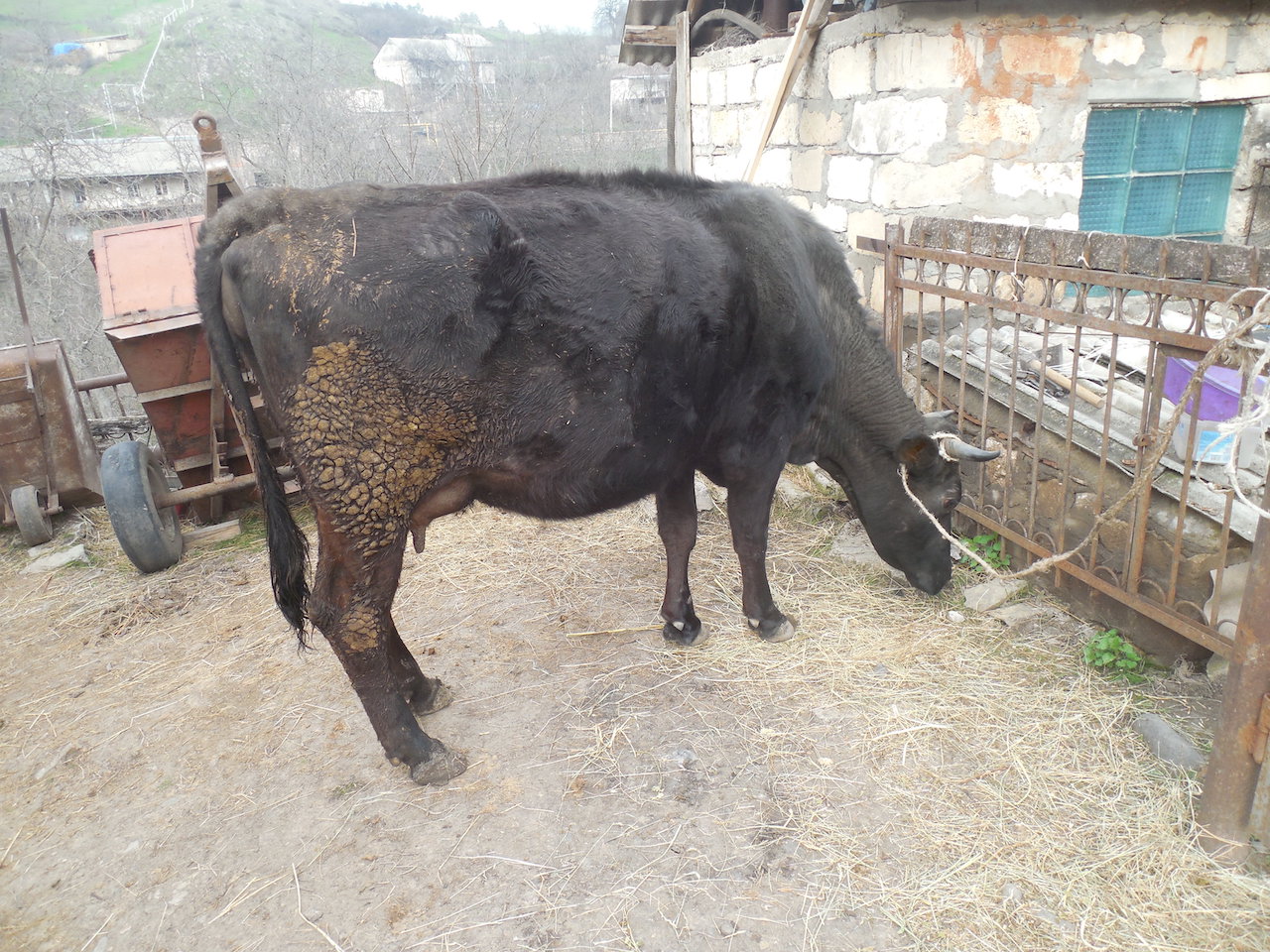
Ararat and his family completed the repairs to his barn including cementing the floor to better care for his animals. Today we delivered his new pigs.

31705049_774188449456912_3053519780913872896_o-e1538434803971

Debi Arach Vocational Center 2018-2019

Debi Arach Vocational Center 2018/2019

Read Updates

Description

The Paros Foundation established the Debi Arach Children’s Center in Gyumri, Armenia on April 15, 2015. The center, which provides 120 children each week the necessary academic, psychological, social and humanitarian support, has since been a source of positivity in this city. The residents of Gyumri, Armenia’s second largest city have endured very devastating realities since the tragic 1988 Spitak Earthquake. More than 100,000 residents were left homeless, and plagued with unemployment and rampant poverty for years to come. In turn, the fate of children in Gyumri has also been affected. Dealing with the difficulty of finding means to feed and care for their families, many parents are unable to provide their children with the proper guidance, supervision, educational aid and the financial resources for them to excel in school and have successful futures. The Debi Arach Children’s Center, which in Armenian means “moving forward,” helps these socially vulnerable children through a holistic approach providing them with both humanitarian and educational support. The center provides counseling and group therapy with a psychologist on staff, homework help and tutoring for almost every subject the children learn in school including English, Math, Art/Design, and Computer classes.
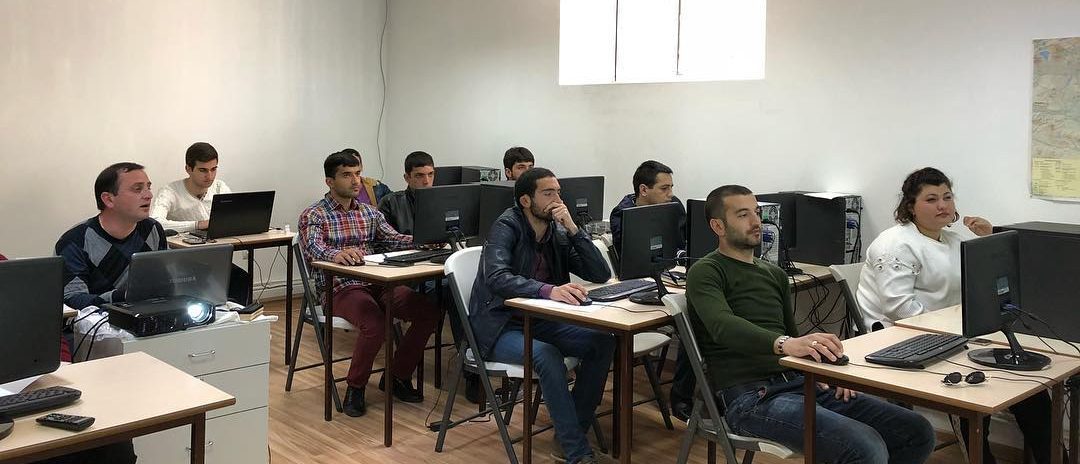
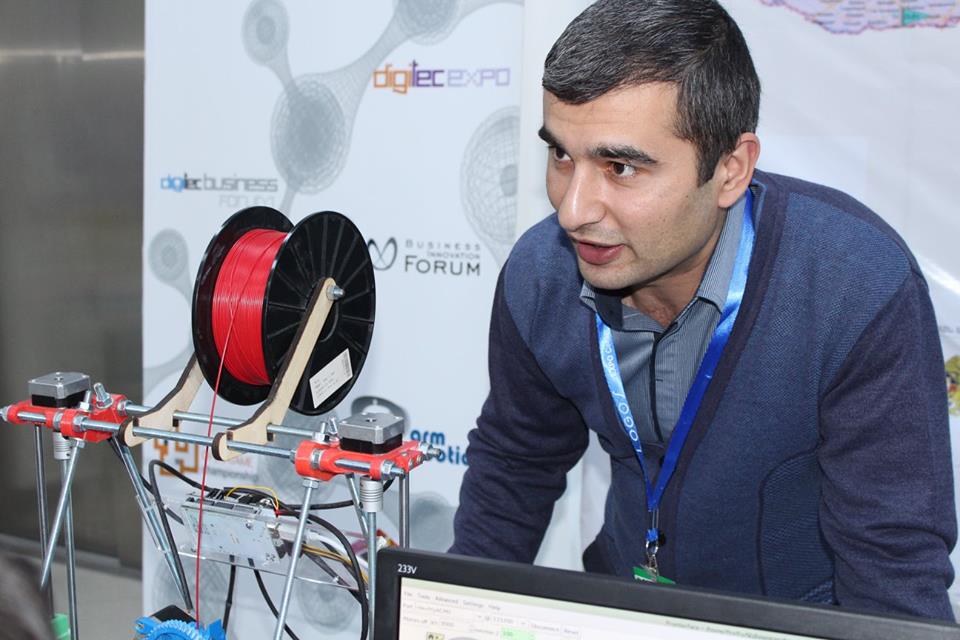
In 2016, Debi Arach launched their vocational training program at the center in order to provide young adults with a set of skills and tools they will need to secure gainful employment and help break their family’s cycle of poverty. Students participate in their choice of several programs including computer programing classes using a curriculum developed by the Union of Information Technology Enterprises, 3D printing and related software and programming, and computer repairs – both hardware and software. In 2019, we plan to add additional hands-on training programs, the first of which will be culinary and restaurant service classes. The center operates Monday- Saturday and classes are offered on a rotating basis. 50 young adults will be enrolled per year and attend the training class of their choice. Once the training courses are completed, the Debi Arach staff will work with the students on job placement. Since the inception of this vocational program, 28 students have been either enrolled in one or more classes and 11 have already found jobs and are earning money.
Sponsorship towards this project will help run the vocational center for one year, including staff wages and supplies. The goal is to help hundreds of children develop a vision for a successful future, and to give them the skills they need to reach these goals.

Region

Shirak

City / Village

Gyumri

Start Date

September 2018

End Date

August 2020

Gallery Images


13043442_492277367642879_5457082379307344652_n
Students will have the opportunity to recieve training in different fields
including robotics and computer sciences.

The Need

Young adults living in extreme poverty in Gyumri, who are not interested or able to continue their higher education, have very bleak prospects for a successful future. To combat this reality, the Debi Arach Vocation Center provides job skills and aid in job placement in order to help these young adults change their lives towards a successful future by gaining real skills and securing real employment.

Short Term Impact

In the short term, 50 students, both current and new, will participate in one of several training programs offered for the duration of a year. Four trainers will be employed and facilitate classes.

Long Term Impact

In the long term, the cycle of poverty will be broken for the newer generations in Gyumri. The new skills these young adults will gain through vocational courses will help secure great jobs and provide opportunities to change their lives. In addition, Gyumri’s economy will also benefit from additional skills being introduced to the job market.

Sponsors Benefits

Your donation to sponsor the Debi Arach Vocationsl Center will be recognized on a plaque, on The Paros Foundation website and in appropriate press related to this important project. The Paros Foundation will happily arrange a visit to the vocational center when you are in Armenia.
[vp_give_donor_wall
donors_per_page=12
show_total=false
show_modal=true
form_id=”63078″]

Updates: Images & Information

September 21, 2018
September 21, 2018

September 11, 2019
September 11, 2019

September 11, 2019
September 11, 2019


Previous
Next
September 21, 2018

As part of our vocational training, career planning classes are offered for students. Every 2 months professionals from different sectors teach classes and take students on hands-on field trips to gain a full understanding of what it takes to be in that career.

September 11, 2019

Vocational training for hair has launched!
December 2, 2019

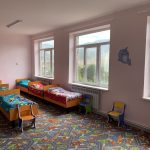
Vocational training continues at the Gyumri Technology Center with 13 participants.Â